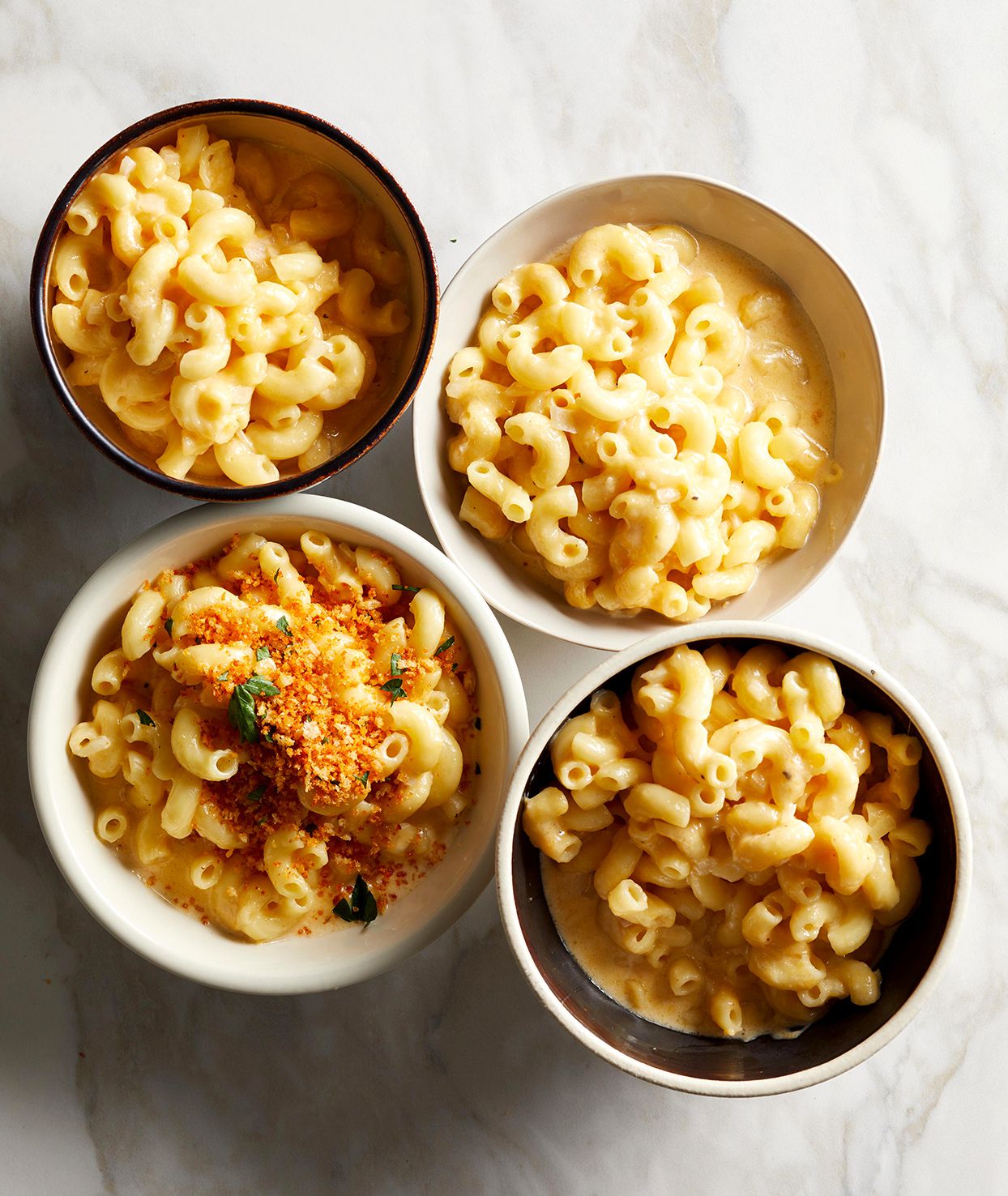
Mac and cheese may look like a simple comfort-food classic, but anyone who has made a truly great pan knows the truth: pasta shape is not a minor detail. It is the whole cheesy architecture. The wrong noodle turns your sauce into a puddle, leaves the center bland, or creates a slippery pile that tastes fine but feels vaguely disappointing. The right noodle, on the other hand, becomes a tiny edible delivery system for molten cheese, browned corners, and the kind of bite that makes people go silent for a second before asking for seconds.
That is why chefs, recipe developers, and test kitchens keep returning to the same advice: for mac and cheese, choose pasta that can catch sauce, hold its shape, and survive the journey from pot to baking dish to plate. In plain English, that usually means short pasta with ridges, curls, hollows, cups, or crevices. So yes, elbows still deserve respect. But the pasta aisle is a glorious carb wonderland, and your mac and cheese can absolutely do better than autopilot.
Below is a chef-informed guide to the best pasta shapes for mac and cheese, why they work, which shapes are better left for other dishes, and how to choose the right noodle for the style of mac you want to make. Consider this your cheesy field manual.
What Chefs Look for in the Best Pasta for Mac and Cheese
Before we get into the rankings, it helps to know what separates a great mac-and-cheese noodle from a mediocre one. Chefs generally focus on five things.
1. Sauce-Grabbing Surface Area
Ridged, twisted, or cupped pasta gives cheese sauce more places to cling. A smooth strand may look elegant, but mac and cheese is not trying to be elegant in a tuxedo. It is trying to be irresistible in a sweater.
2. Hollow Centers or Pockets
Tubes and shell-like shapes trap sauce inside as well as outside. That means more cheese per bite and fewer sad, under-sauced noodles hiding in the middle.
3. Structural Sturdiness
Mac and cheese is rich, heavy, and often baked. Delicate pasta can collapse under all that dairy drama. The best shapes stay pleasantly firm and keep their identity even when coated in a thick sauce.
4. Easy, Bite-Size Eating
Great mac and cheese should be scoopable, forkable, and comforting. That usually favors short or medium shapes over long ones. Nobody wants to twirl their casserole like spaghetti at a candlelit restaurant.
5. Good Texture After Cooking
Many cooks swear by dried pasta for mac and cheese because it holds up better than fresh pasta in dense sauces. Chefs also favor bronze-cut, slow-dried pasta when possible because the rougher exterior tends to grip sauce better and maintain a better bite.
The Best Pasta Shapes for Mac and Cheese
1. Cavatappi
If pasta shapes held elections, cavatappi would have a strong campaign team. This corkscrew-shaped noodle shows up again and again in chef recommendations for a reason. It has ridges. It has a hollow center. It has curves. Basically, it is built like a tiny amusement park ride for cheese sauce.
Cavatappi is especially good for baked mac and cheese because it stays pleasantly chewy even after time in the oven. The twists catch sauce on the outside, while the tube holds it on the inside. The result is a noodle that tastes cheesy from every angle, which is really all most of us want from life.
Use cavatappi when you want a richer, slightly more grown-up mac and cheese that still feels familiar. It is perfect for Gruyère blends, smoked Gouda versions, or recipes with crisp toppings like breadcrumbs or crushed crackers.
2. Lumache
Lumache is a chef favorite that deserves much more fame in American kitchens. The name means “snails” in Italian, which sounds slightly less appetizing than “magnificent cheese pockets,” but stay with me. Lumache has a curved shell-like form with ridges and a pinched opening that traps sauce beautifully.
This shape is outstanding for thick cheese sauces because it behaves like a scoop. Every piece carries a little stash of creamy goodness, and the ridges add grip and texture. If you want a noodle that feels a little special without wandering into unnecessarily fancy territory, lumache is a terrific choice.
It also works well in mac and cheese with add-ins like roasted broccoli, bacon, sautéed mushrooms, or caramelized onions because the shape gives those extras somewhere to settle instead of sending them to the bottom of the dish.
3. Elbow Macaroni
The classic remains a classic for a reason. Elbow macaroni is familiar, affordable, easy to find, and undeniably good in mac and cheese. Its narrow tubular shape and compact size help the noodles interlock, which creates a pleasing casserole structure and makes each bite feel cohesive rather than scattered.
Elbows may not be the flashiest choice, but they deliver reliable comfort. They are particularly good for traditional Southern-style baked mac, stovetop mac, and recipes aimed at family dinners where nobody wants a lecture on artisanal pasta geometry.
If you are making mac and cheese for kids, picky eaters, or nostalgic adults who still believe the blue box shaped their emotional development, elbow macaroni is still one of the best pasta shapes you can buy.
4. Small Shells or Conchiglie
Shells are the little cups of joy in the mac-and-cheese universe. Their curved shape creates natural pockets for sauce, and even a simple cheese base feels richer when it pools inside those cups. Small shells are especially satisfying in creamy stovetop mac because they stay tender while still offering distinct bites.
Shells are also excellent for extra-gooey mac and cheese because each shell can hold a concentrated burst of sauce. That makes them a great pick when you want a dish that skews luscious and comforting rather than structured and sliceable.
For weeknight cooking, shells are an easy upgrade from elbows. They bring just enough novelty to feel intentional, but not so much that anyone at the table starts asking whether dinner came with a pronunciation guide.
5. Mezzi Rigatoni
Regular rigatoni can be a little too large for classic mac and cheese, but mezzi rigatoni solves that problem beautifully. “Mezzi” means the tubes are shorter, so you get all the advantages of rigatoniridges, hollow centers, sturdinesswithout giant noodle logs taking over the fork.
This shape is especially strong in baked mac and cheese with hearty cheese blends or mix-ins. The tubes absorb sauce well, hold their shape, and create a more substantial, restaurant-style feel. If you like your mac and cheese to look a little more polished on the plate, mezzi rigatoni is a strong move.
It is also a smart choice for adults who want mac and cheese that feels a bit more sophisticated while still being unapologetically cheesy.
6. Penne Rigate
Penne rigate does not always get top billing in mac-and-cheese conversations, but it absolutely earns a place on the shortlist. The slanted ends, ridged exterior, and hollow center make it great for sauce retention, while the shape itself is sturdy enough for both stovetop and baked styles.
Penne works especially well when you are adding proteins or vegetables because it has enough body to stand next to bigger ingredients. Think chicken, sausage, roasted cauliflower, or spinach. It is also one of the easiest “chefier” upgrades because it is widely available and forgiving to cook.
If elbows are the cozy sweatshirt of pasta, penne rigate is the same sweatshirt with a better haircut.
7. Orecchiette
Orecchiette, the little “ears” of pasta, is an underrated option for mac and cheese. The center dips slightly, which helps hold sauce, peas, tiny vegetable bits, and other small mix-ins. It creates a more delicate bite than rigatoni or cavatappi, but still offers much better sauce retention than long, smooth noodles.
This is a great choice for mac and cheese with green vegetables, pancetta, or herby accents because the shape plays nicely with smaller add-ins. It also gives the finished dish an appealing homemade look, as though you casually know your way around a fancy pasta counter and did not panic in aisle seven.
Honorable Mentions: Radiatori, Cellentani, Gemelli, Fusilli, and Rotini
If your store does not stock the top-ranked shapes, do not despair and buy spaghetti out of frustration. Several other short pasta shapes can make excellent mac and cheese. Radiatori has ruffled edges and tons of surface area. Cellentani behaves like a cousin of cavatappi and is excellent with creamy sauces. Gemelli, fusilli, and rotini all have twists that help hold sauce and bring a fun texture to the bowl.
These shapes are particularly useful for stovetop mac and cheese, one-pot versions, or weeknight casseroles where availability matters as much as theoretical pasta perfection.
The Worst Pasta Shapes for Mac and Cheese
Not every noodle wants to live this cheesy life. Some pasta shapes are better reserved for lighter sauces, brothy dishes, or twirl-friendly pasta nights.
Spaghetti and Linguine
Long, smooth strands do not hold thick cheese sauce especially well, and they are awkward in a dish meant to be scooped. You can technically make cheesy spaghetti, but that is a different conversation and arguably a cry for help.
Angel Hair
Too thin, too delicate, too likely to clump. Angel hair disappears under a heavy cheese sauce and can become gummy fast. It is lovely with olive oil, garlic, butter, or light tomato sauces. It is not the hero of mac and cheese.
Orzo
Orzo is simply too small for thick mac-and-cheese sauces. It tends to get lost, and the dish can feel dense without offering the satisfying noodle structure that makes mac and cheese so comforting.
How to Choose the Right Pasta Shape for Your Mac and Cheese Style
For Classic, Nostalgic Mac
Go with elbow macaroni or small shells. They deliver familiar comfort and crowd-pleasing texture.
For Ultra-Cheesy, Sauce-Heavy Mac
Choose cavatappi, lumache, or shells. These shapes trap the most sauce and make every bite feel gloriously overcommitted.
For Baked Mac and Cheese
Choose cavatappi, mezzi rigatoni, penne rigate, or elbow macaroni cooked just shy of al dente. These shapes stand up well during baking and keep their bite.
For Mac with Add-Ins
Use orecchiette, penne rigate, lumache, or mezzi rigatoni. They pair well with peas, broccoli, mushrooms, bacon, sausage, or lobster because the shapes can carry both sauce and extras.
For a Slightly Elevated Dinner-Party Version
Cavatappi, lumache, or mezzi rigatoni look more polished without sacrificing comfort. They make the dish feel intentional, not cafeteria-adjacent.
Chef-Inspired Tips for Better Mac and Cheese
Use Dried Pasta
Dried pasta generally holds up better than fresh pasta in thick cheese sauces, especially if the dish will be baked.
Cook It Shy of Done
If the pasta will spend more time in sauce or in the oven, stop cooking it a minute or two before full doneness. That helps prevent mush.
Look for Bronze-Cut or Rough-Surfaced Pasta
When budget allows, bronze-cut pasta is worth considering because the rougher texture helps sauce cling better than slicker noodles do.
Match the Shape to the Sauce Thickness
The richer and chunkier the sauce, the more you want ridges, hollows, or cups. That rule explains why cavatappi beats spaghetti in this cheesy matchup every single time.
Do Not Forget the Texture Contrast
The best mac and cheese is not just creamy. It is creamy plus crisp topping, chewy pasta, or browned edges. Pasta shape contributes to that contrast more than many cooks realize.
Experience in the Kitchen: What Really Happens When You Test Different Pasta Shapes
After making mac and cheese with everything from elbows to shells to cavatappi to the occasional “I already have this in the pantry, so let’s pretend it was intentional” noodle, one thing becomes obvious fast: the pasta shape changes the entire personality of the dish. Elbows give you that classic, cozy, cafeteria-in-the-best-way vibe. It is familiar, soft in a comforting way, and perfect when you want a pan of mac and cheese that tastes like a warm blanket. Nobody asks questions. Everybody just eats.
Cavatappi, on the other hand, feels like the friend who shows up in a leather jacket and somehow makes the whole room seem cooler. The spirals hold so much sauce that the dish tastes cheesier even when the recipe itself has not changed. That is not kitchen magic. It is geometry doing the heavy lifting. When baked, cavatappi also keeps a better chew, which means leftovers are usually more satisfying the next day. That matters because mac and cheese leftovers are one of life’s great treasures and deserve respect.
Shells create a different kind of joy. With shells, you get little bursts of sauce in certain bites, and those bites feel outrageously rich. This shape is especially fun when serving mac and cheese to a crowd because it looks playful and generous. Kids love it, adults love it, and even that one relative who claims to be “avoiding carbs right now” somehow ends up with a full spoonful. Shells are sneaky like that.
Lumache and mezzi rigatoni tend to impress people more than elbows, mostly because they look like you put in extra effort. In reality, you just bought a different box of pasta. But perception is half of cooking. If you want your mac and cheese to feel a little more dinner-party worthy, those shapes help immediately. They also perform beautifully with add-ins. Broccoli tucks into the curves, bacon sticks to the sauce, and every scoop looks like it belongs in a glossy food magazine.
The disappointments are just as memorable. Thin pasta turns heavy and gummy fast. Long noodles make serving awkward. Tiny shapes can vanish into the sauce until the whole dish feels more like cheesy starch pudding than mac and cheese. Once you have seen a pan of angel hair mac collapse into a clumpy tangle, you start to understand why chefs get so opinionated about pasta shape. They are not being dramatic. Well, maybe a little. But they are also correct.
The biggest lesson from real-life cooking is this: the best pasta shapes for mac and cheese are the ones that make the sauce feel generous, the texture feel balanced, and the eating feel effortless. In most kitchens, that means reaching for short, ridged, sturdy shapes and letting them do what they do best. Your cheese sauce worked hard. It deserves a noodle that knows how to carry it.
Final Thoughts
So, what is the best pasta shape for mac and cheese according to chefs? If you want one all-around winner, cavatappi has the strongest case. But the real answer is broader and more useful: the best pasta shapes for mac and cheese are short, sturdy, sauce-loving noodles with ridges, hollows, cups, or curves. That includes lumache, shells, elbows, mezzi rigatoni, penne rigate, and orecchiette too.
In other words, choose pasta that works with the cheese sauce rather than against it. Because mac and cheese is not just pasta plus dairy. It is a texture game, a sauce game, and occasionally a “why did I not make a double batch?” game. Pick the right noodle, and you are already halfway to greatness.