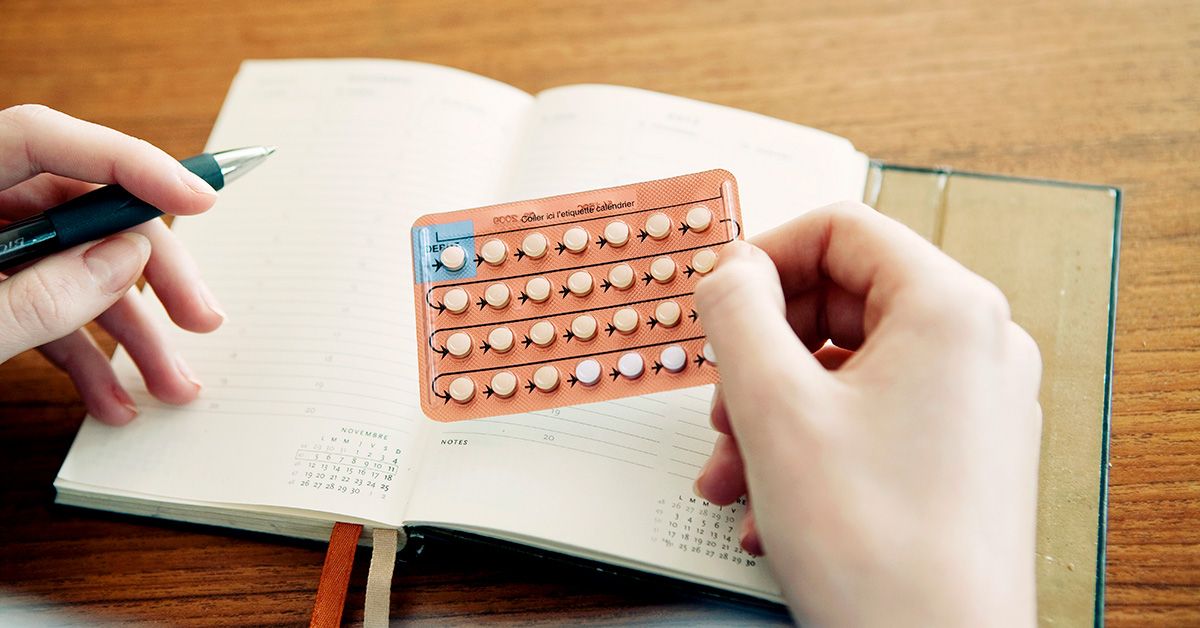
Brown spotting before your period can feel like your body is sending a mysterious little text message with no punctuation. Is your period early? Is it ovulation? Could it be pregnancy? Or did your hormones simply decide to do jazz hands this month? The good news is that light brown spotting before a period is often harmless, especially when it happens briefly and shows up around the same time in your cycle. The not-so-fun news is that it can also be linked to pregnancy, birth control changes, infections, fibroids, polyps, or other health conditions that deserve attention.
In simple terms, brown spotting usually means a small amount of older blood has mixed with vaginal discharge. Blood turns brown when it takes longer to leave the uterus or vagina, a bit like how a sliced apple darkens after sitting out. Lovely image? Maybe not. Helpful? Absolutely. Understanding the timing, amount, symptoms, and pattern can help you decide whether your brown discharge before period is likely normal or worth a call to your healthcare provider.
This guide breaks down the most common reasons for brown spotting before a period, including ovulation, implantation bleeding, early pregnancy, hormonal birth control, PCOS, perimenopause, infections, and other possible causes. It also explains when to take a pregnancy test, when to track symptoms, and when spotting needs medical care.
What Is Brown Spotting Before a Period?
Brown spotting before a period is light bleeding or blood-tinged discharge that appears before your regular menstrual flow begins. It may look tan, rust-colored, coffee-brown, dark brown, or almost black. It is usually much lighter than a period and may appear only when you wipe, on a pantyliner, or as streaks in cervical mucus.
The color matters less than the full picture. A tiny brown spot one or two days before your expected period may simply be your period warming up backstage. Brown spotting that happens repeatedly between periods, after sex, with pelvic pain, with a foul odor, or during pregnancy needs more attention.
Why Is the Spotting Brown Instead of Red?
Fresh menstrual blood is often red or bright red because it leaves the body quickly. Brown blood usually means it has had more time to oxidize before exiting. That can happen at the very beginning or end of a period, after ovulation spotting, with breakthrough bleeding from birth control, or when a small amount of blood takes its sweet time leaving the uterus.
Brown spotting before a period can also mix with normal vaginal discharge, making it look thinner, stringy, sticky, or mucus-like. Around ovulation, cervical mucus may be slippery and stretchy; before a period, it may become thicker or tackier. If brown spotting appears with itching, burning, a strong odor, pelvic pain, or unusual discharge color, it may point to infection or irritation rather than ordinary cycle changes.
Common Causes of Brown Spotting Before Period
1. Your Period Is About to Start
The most common and least dramatic explanation is that your period is on the way. Some people notice brown spotting one to three days before their full flow begins. This can happen when the uterine lining starts shedding slowly before heavier bleeding arrives.
For example, you might see light brown discharge on Monday, mild cramps on Tuesday, and a normal red flow by Wednesday. In that case, the spotting may simply be pre-period bleeding. If this pattern is consistent for you and there are no alarming symptoms, it is usually not a reason to panic.
2. Ovulation Spotting
Ovulation usually happens around the middle of the menstrual cycle, though the exact timing varies. Some people notice a small amount of spotting when an egg is released. Ovulation spotting is often light pink, red, or brown and may last a few hours to a couple of days.
Brown spotting from ovulation may appear with mild one-sided pelvic discomfort, increased clear or slippery cervical mucus, breast tenderness, or a slight boost in libido. Your body is not being subtle; it is basically waving a tiny fertility flag. If you have a shorter cycle, ovulation spotting may feel like it happens “before your period,” even though it is technically mid-cycle bleeding.
3. Implantation Bleeding and Early Pregnancy
Brown spotting before a missed period can sometimes be implantation bleeding. This may occur when a fertilized egg attaches to the uterine lining. Implantation bleeding is usually light, short, and not heavy enough to fill a pad. It may be pink, rust-colored, or brown.
The tricky part is timing. Implantation bleeding can show up around the time a period is expected, which makes it easy to mistake for pre-period spotting. If you had unprotected sex, missed pills, a condom broke, or you are trying to conceive, brown spotting before your period could be an early pregnancy clue. It is not proof of pregnancy, though. PMS and early pregnancy symptoms love to impersonate each other like they are auditioning for a soap opera.
If your period does not arrive, take a home pregnancy test after the first day of your missed period. For a more reliable result, test with first-morning urine or repeat the test in a few days if the first result is negative and your period is still missing.
4. Hormonal Birth Control
Brown spotting before a period is common when starting, stopping, or changing hormonal birth control. Pills, patches, rings, implants, injections, and hormonal IUDs can all change the uterine lining and lead to breakthrough bleeding. Spotting may be more likely during the first few months of a new method or when pills are missed or taken late.
With birth control pills, brown discharge may appear between withdrawal bleeds or before the placebo week. With an IUD or implant, spotting can be unpredictable at first. Annoying? Yes. Usually dangerous? Not necessarily. Still, if spotting is heavy, persistent, painful, or comes with pregnancy symptoms, check in with a healthcare professional.
5. Emergency Contraception
Emergency contraception can temporarily shift hormone levels and affect the timing of your next period. Some people experience spotting, early bleeding, delayed bleeding, or a period that feels different than usual after taking it. Brown spotting after emergency contraception does not automatically mean pregnancy or a problem, but you should take a pregnancy test if your period is more than a week late.
6. Stress, Weight Changes, Travel, and Lifestyle Shifts
Your menstrual cycle is sensitive to major body stressors. Intense stress, rapid weight loss or gain, overexercising, poor sleep, illness, and travel can affect ovulation and hormone patterns. When ovulation is delayed or irregular, spotting may appear before the period or between periods.
Think of your hormones as a group project. If sleep, stress, nutrition, and illness all stop replying to emails, the final presentation may get messy. A one-off spotting episode after a stressful month may not be alarming, but recurring irregular bleeding should be evaluated.
7. PCOS and Ovulation Problems
Polycystic ovary syndrome, commonly called PCOS, is a hormone-related condition that can cause irregular periods, skipped periods, heavy bleeding, acne, increased facial or body hair, and fertility challenges. Because PCOS can interfere with ovulation, the uterine lining may build up unevenly and shed unpredictably, leading to spotting or irregular bleeding.
Brown spotting before a period may be more suspicious for hormone imbalance if your cycles are often longer than 35 days, unpredictable, very heavy when they finally arrive, or paired with acne, weight changes, or excess hair growth. PCOS is manageable, but it is best diagnosed with a medical history, physical exam, lab testing, and sometimes ultrasound.
8. Thyroid or Other Hormone Issues
The thyroid helps regulate metabolism, but it also has a backstage pass to your reproductive hormones. Thyroid problems can contribute to irregular cycles, heavier or lighter bleeding, and spotting between periods. Other hormone-related issues, such as high prolactin or ovulatory dysfunction, may also affect bleeding patterns.
If brown spotting is part of a larger pattern of fatigue, hair changes, temperature sensitivity, unexplained weight changes, mood changes, or irregular cycles, ask a clinician whether hormone testing makes sense.
9. Perimenopause
Perimenopause is the transition leading up to menopause, and it can begin years before periods stop completely. During this time, estrogen and progesterone fluctuate, sometimes causing shorter cycles, longer cycles, heavier periods, lighter periods, and spotting before periods.
Brown spotting during perimenopause is often related to hormone shifts, but it should not be ignored if it is heavy, frequent, occurs after sex, or happens after menopause. Bleeding after menopause is never considered normal and should be evaluated promptly.
10. Sex, Cervical Irritation, or Recent Pelvic Exam
Light brown spotting can happen after sex, a Pap test, a pelvic exam, or anything that irritates the cervix or vaginal tissues. The cervix has delicate blood vessels, and small amounts of blood can appear as brown discharge later.
Occasional light spotting after a known trigger may not be serious. However, bleeding after sex that happens more than once should be checked. Possible causes include cervical inflammation, polyps, infections, hormonal thinning of vaginal tissue, or less commonly, precancerous or cancerous changes.
11. STIs and Pelvic Inflammatory Disease
Some sexually transmitted infections, including chlamydia and gonorrhea, can cause bleeding between periods, bleeding after sex, pelvic pain, burning with urination, or unusual discharge. Sometimes symptoms are mild or absent, which is why testing matters.
If an infection spreads upward into the reproductive organs, it can cause pelvic inflammatory disease, or PID. PID may cause pelvic pain, fever, pain during sex, abnormal discharge, and irregular bleeding. It needs medical treatment because untreated infections can lead to long-term complications.
12. Fibroids, Polyps, and Structural Causes
Uterine fibroids are noncancerous growths in the uterus, and polyps are growths that can form in the uterus or cervix. Both can cause spotting before periods, bleeding between periods, heavy menstrual bleeding, longer periods, pelvic pressure, or bleeding after sex.
These conditions are common and often treatable. A clinician may recommend a pelvic exam, ultrasound, Pap test, or additional testing depending on your symptoms, age, pregnancy possibility, and medical history.
13. Endometriosis or Adenomyosis
Endometriosis occurs when tissue similar to the uterine lining grows outside the uterus. Adenomyosis occurs when tissue grows into the muscular wall of the uterus. Both can be linked to painful periods, heavy bleeding, pelvic pain, pain during sex, and spotting between periods.
If brown spotting before your period comes with severe cramps, bowel pain during periods, pain with sex, or pelvic pain that disrupts daily life, do not write it off as “just a bad period.” Pain that steals your plans deserves medical attention.
Brown Spotting Before Period vs. Pregnancy Spotting
It can be hard to tell the difference between pre-period spotting and pregnancy-related spotting based on color alone. Timing, symptoms, and testing are more useful.
Brown Spotting Is More Likely Pre-Period If:
- It happens one to three days before your expected period.
- Your normal flow begins soon after.
- You have typical PMS symptoms, such as cramps, mood changes, or bloating.
- You have had this pattern in previous cycles.
Brown Spotting Could Be Pregnancy-Related If:
- You had unprotected sex or a birth control mistake.
- Your period is late or much lighter than usual.
- You have nausea, breast tenderness, fatigue, or frequent urination.
- The spotting is very light and does not turn into normal period flow.
Because symptoms overlap, a pregnancy test is the most practical next step. If you have a positive pregnancy test and spotting, contact a healthcare provider for guidance. Seek urgent care if spotting during pregnancy comes with severe pelvic pain, shoulder pain, dizziness, fainting, or heavy bleeding, as these can be warning signs of ectopic pregnancy or miscarriage.
When Should You Worry About Brown Spotting Before a Period?
Light brown spotting that happens once and disappears may not be a big deal. But certain symptoms mean it is time to stop Googling from under a blanket and call a medical professional.
Make an Appointment If You Have:
- Spotting that happens repeatedly between periods.
- Bleeding after sex.
- Periods that are suddenly much heavier, longer, or more painful.
- Brown discharge with a strong odor, itching, burning, or pelvic pain.
- Irregular cycles that continue for several months.
- Spotting after menopause.
- Spotting with possible pregnancy or a positive pregnancy test.
Seek Urgent Care If You Have:
- Heavy bleeding that soaks pads quickly.
- Severe pelvic or abdominal pain.
- Dizziness, fainting, or weakness.
- Fever with pelvic pain or abnormal discharge.
- Pregnancy symptoms plus one-sided pain or shoulder pain.
How Doctors May Evaluate Brown Spotting
A healthcare provider will usually start with questions about your cycle, pregnancy possibility, birth control use, medications, sexual history, pain, discharge, and when the spotting happens. This is where a period-tracking app or notes in your phone can be surprisingly useful. Your future self may thank you for writing “brown spotting, two days, mild cramps” instead of relying on memory, which loves to say, “I don’t know, sometime last month?”
Depending on your situation, evaluation may include a pregnancy test, pelvic exam, STI testing, Pap test if due, blood work for anemia or hormones, thyroid testing, or pelvic ultrasound. Treatment depends on the cause. Some cases need no treatment, while others may involve changing birth control, treating an infection, managing PCOS, removing polyps, or addressing fibroids or endometriosis.
What You Can Do at Home
You cannot diagnose every cause of spotting at home, but you can collect useful information. Track the date spotting starts, color, amount, odor, pain, sex, birth control use, missed pills, pregnancy test results, and whether it turns into a period. Avoid douching or using scented vaginal products, which can irritate the vagina and disrupt its natural balance.
If pregnancy is possible, test at the right time. If infection is possible, avoid sex or use condoms until you are tested and treated. If spotting happens after missed birth control pills, follow the instructions for your specific pill pack and consider backup contraception as directed.
Real-Life Experience Section: What Brown Spotting Before a Period Can Feel Like
Many people describe brown spotting before a period as emotionally louder than it is physically. The spotting itself may be tiny, but the mental spiral can be Olympic-level. One day you see a brown mark on toilet paper, and suddenly you are calculating ovulation dates, rereading birth control instructions, checking your calendar, and wondering whether your uterus has opened a side business in suspense.
A common experience is the “period preview.” Someone may notice light brown spotting on a pantyliner two days before their expected period. There may be mild cramps, a little bloating, and that familiar feeling that their jeans have personally betrayed them. Then the regular period arrives. In this case, brown spotting may simply be older blood leaving before the main flow. It can be annoying, but when it follows a familiar pattern, it often becomes easier to recognize.
Another experience is mid-cycle spotting. A person may see light brown or pinkish discharge around day 13 or 14 of a 28-day cycle, especially with slippery cervical mucus or mild one-sided pelvic twinges. They may worry their period is coming early, only to realize the timing lines up with ovulation. Tracking for a few months can reveal a pattern. If it happens briefly, without pain or odor, it may be ovulation spotting. Still, new or worsening bleeding deserves a medical check.
Then there is the pregnancy question. Brown spotting a few days before an expected period can feel confusing when pregnancy is possible. Some people report spotting that never becomes a normal period, followed by a positive pregnancy test days later. Others have the same spotting and then get a regular period. That is why symptoms alone are not enough. A test gives better information than guesswork, even if waiting for the right testing window feels like watching paint dry in slow motion.
Birth control spotting is another very common story. Someone starts a new pill, gets an implant, switches brands, or misses a dose, and suddenly brown discharge appears at random. It may happen before the placebo pills, during the second week of the pack, or after a late pill. Many people find this settles after a few months, but persistent spotting can be frustrating. A clinician can help adjust the method, dose, or schedule if breakthrough bleeding keeps showing up like an unwanted group chat notification.
Some experiences are more concerning. Brown spotting with pelvic pain, pain during sex, foul-smelling discharge, burning urination, or bleeding after sex can feel different from ordinary pre-period spotting. In those cases, people often describe a sense that “something is off.” That instinct matters. Infections, cervical irritation, fibroids, polyps, and endometriosis can all cause irregular bleeding, and many are treatable once properly diagnosed.
The biggest lesson from real-world experience is pattern recognition. One tiny episode before a normal period is different from spotting every cycle, spotting after sex, spotting with pain, or spotting after menopause. Your body does not need you to panic over every stain, but it does need you to pay attention. Think of brown spotting as a clue, not a verdict.
Conclusion
Brown spotting before a period is often caused by old blood leaving the body, early menstrual flow, ovulation spotting, or hormonal birth control. It can also be related to implantation bleeding, pregnancy changes, PCOS, thyroid issues, perimenopause, infections, fibroids, polyps, endometriosis, or cervical irritation. The most important details are timing, amount, pattern, and accompanying symptoms.
If the spotting is light, brief, and followed by your normal period, it may be nothing serious. If it is new, persistent, painful, foul-smelling, pregnancy-related, or happens after sex or menopause, schedule medical care. Your cycle is allowed to have quirks, but you do not have to solve every mystery alone.
Note: This article is for educational purposes only and does not replace professional medical advice, diagnosis, or treatment. If you are pregnant, may be pregnant, have severe pain, heavy bleeding, fever, dizziness, or bleeding after menopause, seek medical care promptly.