Note: This article is for educational purposes only and should not replace advice from a qualified healthcare professional. If a sore in your nose is severe, spreading, keeps coming back, or comes with fever or facial swelling, it is time to stop negotiating with your nostril and call a doctor.
Introduction: When Your Nose Starts Acting Like a Tiny Drama Queen
Painful sores in the nose can feel strangely personal. One day you are breathing like a normal citizen, and the next day your nostril has become a high-security pain zone. Every sneeze feels suspicious. Every tissue feels like sandpaper. Even smiling too hard can remind you that something inside your nose is not having a peaceful week.
The good news is that many nose sores are caused by common, treatable problems: dryness, irritation, allergies, a minor scratch, a cold sore, or a small bacterial infection near the nostril opening. The less fun news is that some sores need medical attention, especially when they are very painful, swollen, filled with pus, spreading, bleeding often, or refusing to heal like a stubborn pop-up ad.
This guide explains the most common causes of painful sores in the nose, how they are usually treated, what you can safely do at home, and when to seek medical care. We will keep things clear, practical, and slightly less terrifying than searching your symptoms at 2:00 a.m.
What Are Painful Sores in the Nose?
A sore in the nose may look or feel like a scab, crack, pimple, blister, tender bump, raw patch, or crusty area inside or near the nostril. It may hurt when you touch your nose, blow your nose, sneeze, wash your face, or accidentally bump it while pulling on a hoodie. Some sores are shallow and heal quickly. Others may be linked to infection, inflammation, or repeated irritation.
The inside of the nose is lined with delicate tissue. It is designed to warm, filter, and humidify the air you breathe. That is a lot of unpaid labor. When this lining dries out, cracks, gets scratched, or becomes inflamed, sores can form. The nostril opening also contains small hairs and hair follicles, which can become irritated or infected.
Common Causes of Painful Sores in the Nose
1. Nasal Vestibulitis
Nasal vestibulitis is one of the classic causes of a sore, tender, crusty, or pimple-like spot near the opening of the nostril. It usually happens when bacteria enter tiny breaks in the skin. Those tiny breaks may come from frequent nose blowing, nose picking, trimming or pulling nasal hairs, dry air, or irritation from constant wiping during a cold.
Symptoms may include redness, swelling, tenderness, crusting, small bumps, or a painful boil near the nostril. In mild cases, a healthcare provider may prescribe a topical antibiotic ointment. In more serious cases, especially when a boil forms or swelling spreads, oral antibiotics or drainage may be needed.
Important rule: do not squeeze a painful bump inside your nose. The nose is not a stress ball. Squeezing can worsen irritation and may spread infection.
2. Dry Air and Cracked Nasal Lining
Dry air is a sneaky little villain. It can dry out the nasal lining, leading to cracking, burning, scabbing, and sometimes bleeding. This is especially common in winter, desert climates, air-conditioned rooms, heated indoor spaces, or anywhere the air feels like it was baked in a toaster.
Dryness-related sores often feel raw or tight. You may notice crusting, a small scab, or a little blood when you blow your nose. Treatment usually focuses on moisture: saline sprays, saline gel, a clean humidifier, and gentle nose care. Avoid digging at crusts, even if your brain insists that “just one tiny pick” is a reasonable plan. It is not. Your nose will file a complaint.
3. Frequent Nose Blowing or Nose Picking
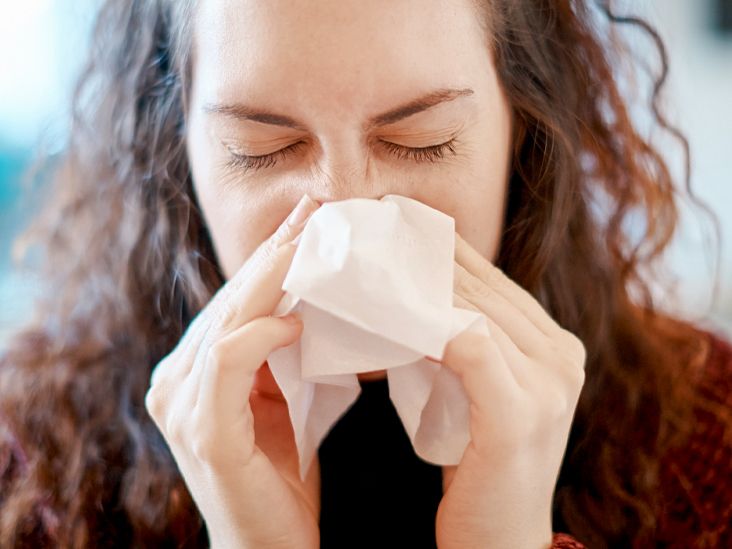
A cold, allergies, or sinus congestion can turn your nose into a full-time tissue factory. Repeated blowing and wiping can create small cracks at the nostril edge or inside the nose. Nose picking can also scratch the lining and introduce bacteria from the fingers.
This type of sore often appears near the front of the nostril or along the inner edge. It may sting, bleed slightly, or keep reopening. The best treatment is boring but effective: be gentle, use soft tissues, wash hands often, keep the area moist with saline, and stop poking the sore like it owes you money.
4. Cold Sores Caused by Herpes Simplex Virus
Cold sores are usually associated with the lips, but they can also appear around the nose or, less commonly, inside the nostril. They are caused by herpes simplex virus, often HSV-1. A cold sore may begin with tingling, burning, itching, or tenderness before small blisters appear. After that, the area may crust and heal.
Cold sores are contagious, especially when blisters or open sores are present. Avoid touching the sore, sharing lip balm, sharing towels, or kissing while an outbreak is active. Antiviral treatments can help shorten outbreaks, especially when started early. People with weakened immune systems, eczema, eye symptoms, severe outbreaks, or frequent recurrences should contact a healthcare provider.
5. Impetigo Around the Nose
Impetigo is a contagious bacterial skin infection that commonly affects the area around the nose and mouth, especially in children, but adults can get it too. It may begin as red sores or blisters that break open and form a yellowish or honey-colored crust.
Because impetigo spreads easily through touch, towels, clothing, and close contact, medical treatment is important. A clinician may prescribe a topical or oral antibiotic depending on the severity and spread. Keeping the area clean, washing hands, and avoiding scratching can help reduce spread to other people and other parts of the face.
6. Allergic Rhinitis and Chronic Irritation
Allergies can cause sneezing, itching, congestion, runny nose, and repeated rubbing or blowing. Over time, all that friction can irritate the nasal lining and lead to soreness, scabs, or tiny cracks. Think of it as your nose saying, “I did not sign up for pollen season.”
Managing the allergy is often the key. Depending on the situation, treatment may include avoiding triggers, saline rinses, antihistamines, or nasal corticosteroid sprays used correctly. If nasal sprays sting, cause bleeding, or seem to make irritation worse, a healthcare provider or pharmacist can help check your technique. Sometimes the problem is not the spray itself but aiming it straight at the sensitive septum instead of slightly outward.
7. Sinus Infection or Chronic Sinus Inflammation
Sinus infections and chronic sinus inflammation can cause congestion, thick drainage, facial pressure, postnasal drip, and frequent nose blowing. The drainage and friction can irritate the nostrils, leading to sore or crusty areas.
A sinus infection does not always need antibiotics, especially when it is viral. However, symptoms that last longer than expected, worsen after improving, come with fever, or cause significant facial pain should be evaluated. Chronic sinus problems may need a more detailed plan, especially if allergies, nasal polyps, or structural issues are involved.
8. Overuse of Decongestant Nasal Sprays
Decongestant sprays such as oxymetazoline can provide fast relief for a stuffy nose, but they are not meant for long-term daily use. Using them for more than a few days can cause rebound congestion, where the nose becomes even more blocked when the spray wears off. That can lead to more spraying, more congestion, and a nasal soap opera nobody asked for.
Overuse may also contribute to dryness, irritation, and soreness. Always follow the product label and ask a healthcare professional if congestion keeps returning. Saline sprays are different from medicated decongestant sprays and are generally used for moisture rather than shrinking swollen blood vessels.
9. Pimples, Blocked Hair Follicles, and Small Boils
The nostril opening contains hair follicles. Like hair follicles elsewhere, they can become blocked or infected. A small pimple may feel tender and annoying. A boil is usually larger, more painful, and more concerning.
Warm compresses applied gently to the outside of the nose may help discomfort, but do not squeeze or puncture bumps inside the nose. If pain increases, swelling spreads, the tip of the nose becomes red, or you develop fever, seek medical care promptly.
10. Less Common but Important Causes
Most painful nose sores are not dangerous, but a sore that does not heal deserves attention. Less common causes may include autoimmune conditions, reactions to medications, nasal polyps with chronic inflammation, injury, a foreign object in the nose, or rarely, nasal cavity cancer. Warning signs include a sore on one side that does not heal, repeated unexplained bleeding, a lump, worsening blockage on one side, facial numbness, vision changes, or persistent pain.
These symptoms do not automatically mean something serious is happening. Still, they are strong reasons to schedule a medical evaluation instead of waiting for your nose to “figure itself out.” Noses are useful, but they are not famous for making appointments.
How Painful Nose Sores Are Diagnosed
A healthcare provider will usually start by asking about symptoms: how long the sore has been there, whether it bleeds, whether it is getting worse, whether you have fever, whether you have allergies or frequent colds, and whether sores keep coming back. They may look inside the nostril with a light or small instrument.
If infection is suspected, the provider may take a swab to identify bacteria or viruses. This is especially useful for recurrent sores, possible MRSA, or sores that do not respond to initial treatment. If there are signs of chronic sinus disease, nasal polyps, or a structural problem, an ENT specialist may examine the nose more closely.
Treatments for Painful Sores in the Nose
At-Home Care for Mild Irritation
For mild sores caused by dryness or friction, gentle home care may be enough. Use saline spray to keep the nasal lining moist. Run a clean humidifier if indoor air is dry. Drink enough fluids. Choose soft tissues. Avoid rubbing, picking, or peeling scabs. Wash your hands before touching your face.
If you use a saline rinse, use distilled, sterile, or previously boiled and cooled water. Tap water is not recommended for nasal rinsing unless it has been properly boiled and cooled first. Your nose is not the place to host mystery microbes.
Prescription Treatment for Bacterial Infection
If a bacterial infection such as nasal vestibulitis or impetigo is suspected, a clinician may prescribe antibiotic ointment or oral antibiotics. The exact treatment depends on the location, severity, whether a boil is present, and whether resistant bacteria are a concern.
Finish medication exactly as prescribed. Do not share antibiotics, save leftovers, or use random ointments from the back of the medicine cabinet. The cabinet may have confidence, but it does not have a medical degree.
Treatment for Cold Sores
Cold sores may improve on their own, but antiviral treatment can reduce discomfort and shorten healing time, especially when started early. Over-the-counter pain relief may help some people, but children and teens should avoid aspirin unless a doctor specifically says otherwise.
During an outbreak, avoid touching the sore and wash hands often. If you accidentally touch it, wash your hands before touching your eyes or another part of your face. Eye symptoms with possible herpes infection need urgent medical care.
Managing Allergies and Runny Nose
If allergies are causing constant wiping and irritation, treating the allergy can help the sore heal. Common options include allergen avoidance, antihistamines, saline rinses, and nasal steroid sprays. Technique matters: aim sprays slightly outward, away from the center wall of the nose, unless your healthcare provider gives different instructions.
If symptoms keep returning or you need decongestant sprays repeatedly, speak with a healthcare professional. Long-term congestion may have a treatable cause, such as allergies, chronic sinusitis, nasal polyps, or nonallergic rhinitis.
What Not to Do
Do not squeeze bumps inside the nose. Do not peel scabs. Do not pull nasal hairs. Do not use harsh disinfectants inside the nostrils. Do not use medicated decongestant sprays longer than directed. Do not ignore sores that keep coming back or do not heal.
Also, avoid putting thick products deep inside the nose unless your clinician recommends it. Some people use ointments near the nostril opening for dryness, but frequent or deep use of greasy products may not be appropriate for everyone. Saline gel is often a better first conversation to have with a pharmacist or clinician.
When to See a Doctor
Make an appointment if a painful nose sore lasts more than one to two weeks, keeps returning, spreads, bleeds repeatedly, or has yellow crusting that suggests infection. Seek care sooner if there is severe pain, swelling at the tip of the nose, fever, redness spreading to the face, vision changes, severe headache, or symptoms in someone with a weakened immune system.
Children should be checked if they have sores around the nose that look contagious, have crusting, or are spreading. A child with a one-sided bad-smelling discharge, bleeding, or ongoing irritation may also need evaluation for a foreign object in the nose.
How to Prevent Painful Sores in the Nose
Prevention is mostly about protecting the nasal lining. Keep indoor air comfortably humid. Use saline spray during dry seasons or when flying. Treat allergies before they turn your nose into a tissue-shredding machine. Wash hands regularly. Keep fingernails trimmed. Avoid picking, aggressive blowing, and pulling nasal hairs.
If you get frequent cold sores, ask your healthcare provider whether preventive antiviral medicine is appropriate. If you get recurrent bacterial sores, your provider may check for staph carriage or other risk factors. Prevention is not glamorous, but neither is explaining to people why you are emotionally attached to a humidifier.
Real-Life Experience Notes: What People Often Notice Before They Get Better
Many people first notice painful sores in the nose after a cold. The pattern is familiar: a runny nose begins, tissues appear everywhere, and within a few days the nostril edge feels raw. At first, the sore may seem tiny. Then one enthusiastic nose blow reopens it, and suddenly the nostril behaves like it is starring in a medical documentary. In these cases, the biggest turning point is usually reducing friction. Softer tissues, saline spray, and not attacking every crust can make a noticeable difference.
Another common experience involves dry indoor air. People may wake up with a burning feeling inside the nose, small scabs, or a little blood on the tissue. This often happens during winter or in rooms with strong heating or air conditioning. The sore may not be infected at all; it may simply be the result of dry tissue cracking again and again. A clean humidifier, saline gel, and gentler blowing can help the lining recover. The key is consistency. Moisturizing once and then returning to nose warfare usually does not end well.
Some people describe a sore that feels like a pimple just inside the nostril. It may hurt when the nose is touched from the outside. This can happen after trimming nasal hairs, picking at a crust, or wiping constantly. If it stays small and improves quickly, it may be minor irritation. But if it becomes increasingly painful, swollen, red, or crusty, it may be nasal vestibulitis or another infection that needs prescription treatment. The practical lesson: the inside of the nose is not a good place for DIY surgery.
Cold sores around the nose can be confusing because they may not look like the classic lip blister at first. Some people notice tingling or burning before the sore appears. Others only realize it is a cold sore after it crusts and returns in the same spot later. Because cold sores are contagious, people often learn to wash hands carefully, avoid touching the sore, and start treatment early when symptoms begin.
People with allergies often experience a cycle: itching leads to rubbing, rubbing leads to soreness, soreness leads to scabbing, and scabbing leads to more touching. Breaking that cycle usually means treating the allergy, not just the sore. When the runny nose calms down, the skin finally gets a chance to heal. It is like asking a construction crew to repair a road while cars are still racing across it. First, slow the traffic.
The most helpful experience-based advice is simple: pay attention to patterns. Does the sore appear after colds? During dry weather? After using a certain nasal spray? After allergy flares? After trimming hairs? These clues can help a clinician identify the cause faster. Painful nose sores are common, but recurring sores are worth discussing. Your nose may be small, but when it complains repeatedly, it deserves a proper audience.
Conclusion
Painful sores in the nose are usually caused by irritation, dryness, allergies, cold sores, or bacterial infections such as nasal vestibulitis or impetigo. Many mild sores improve with gentle care, moisture, and less friction. However, severe pain, spreading redness, fever, swelling, frequent bleeding, or a sore that will not heal should be evaluated by a healthcare professional.
The best approach is to treat your nose like delicate equipment, not a stubborn household appliance. Keep it moist, keep your hands clean, avoid picking or squeezing, use nasal sprays correctly, and get medical help when warning signs appear. Breathing comfortably is underrated until your nostril starts acting like a tiny angry volcano.