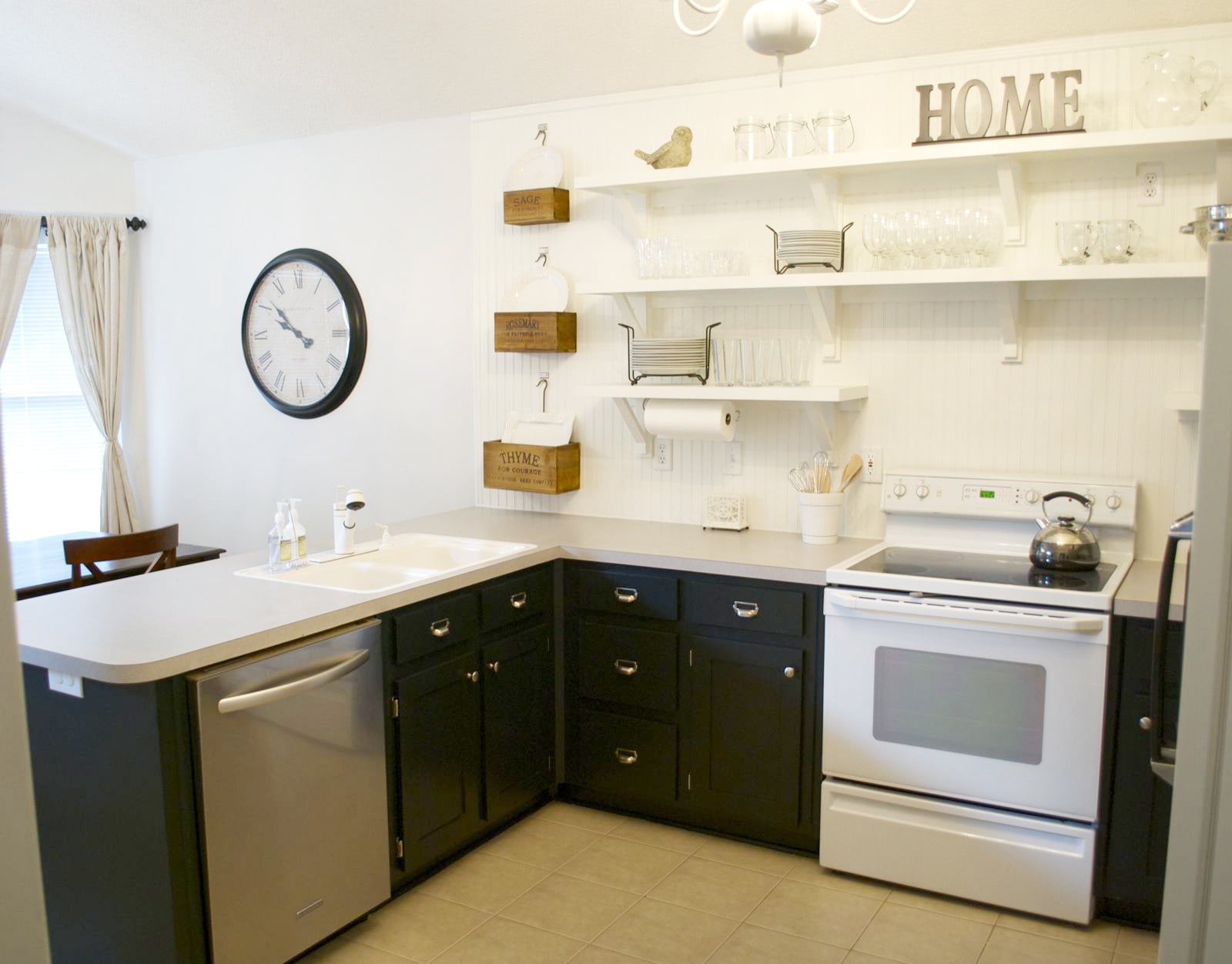
Removing upper cabinets for shelving is one of those kitchen remodel ideas that looks wonderfully simple on the internet. One minute, you are admiring a bright, airy kitchen with warm wood shelves, tidy white dishes, and a plant that somehow never drops leaves. The next minute, you are holding a drill, staring at a wall cabinet, and wondering whether your favorite cereal boxes are emotionally ready to become part of the decor.
The good news? Replacing upper cabinets with open shelving can make a kitchen feel larger, lighter, and more personal. It can also improve access to everyday items, create a beautiful display area, and reduce the visual weight of bulky wall cabinets. The honest news? Open shelves require planning, strong installation, careful styling, and a willingness to dust. They are not a magic wand. They are more like a charming roommate who pays rent in style but occasionally leaves fingerprints on the glassware.
This guide walks through the design, demolition, storage, installation, and real-life experience of a kitchen remodel focused on removing upper cabinets for shelving. Whether you are refreshing a small galley kitchen, creating a farmhouse-inspired wall, or just trying to make the room breathe again, the goal is the same: a kitchen that looks good, works hard, and does not punish you every time you unload the dishwasher.
Why Homeowners Remove Upper Cabinets
Upper cabinets are useful, but they can also make a kitchen feel boxed in, especially in smaller spaces or rooms with limited natural light. Standard wall cabinets project from the wall and create a visual border around the room. When those cabinets come down, the wall suddenly feels taller, the backsplash becomes more noticeable, and the kitchen often feels less crowded.
Open shelving is especially appealing in kitchens where the existing upper cabinets are dated, damaged, too deep, or poorly placed. Removing them can reveal a cleaner wall line and give the space a more custom look without replacing every cabinet in the room. In many remodels, homeowners keep the base cabinets and pantry storage while swapping only selected upper cabinets for shelves. That hybrid approach is often the sweet spot: practical storage below, pretty display above, and no need to pretend the giant bag of rice is a design object.
Open Shelving vs. Upper Cabinets: The Real Trade-Off
Before grabbing the screwdriver, it helps to compare what you gain and what you lose. Open shelving offers visual openness, quick access, and decorative flexibility. Upper cabinets offer hidden storage, dust protection, and more forgiveness for the normal chaos of daily life. Neither option is automatically better. The right choice depends on your cooking habits, storage needs, cleaning tolerance, and design goals.
Benefits of Removing Upper Cabinets
The biggest benefit is visual space. A wall of upper cabinets can make a kitchen feel heavy, while open shelves allow more of the wall to show. This is helpful in narrow kitchens, kitchens with low ceilings, or kitchens where cabinets surround a window and make the room feel squeezed.
Open shelves also make everyday items easy to reach. Plates, bowls, mugs, mixing bowls, and coffee supplies can live exactly where you use them. For people who cook often, this can be surprisingly efficient. Instead of opening three cabinet doors to find one bowl, you simply reach up and grab it. The shelf does not judge. The shelf is ready.
Another advantage is style. Open kitchen shelves let you add wood tones, black metal brackets, brass rails, ceramics, cookbooks, framed art, or a small plant. They can warm up an all-white kitchen, soften a modern space, or bring a casual farmhouse feel to a builder-grade room.
Drawbacks You Should Not Ignore
The most obvious downside is lost hidden storage. Upper cabinets are excellent at concealing mismatched mugs, extra plastic containers, packaged snacks, and the mysterious appliance manual from 2014. Once the doors are gone, everything on the wall is visible.
Open shelves also collect dust and cooking grease, especially near the range. If your kitchen sees serious frying, sizzling, or bacon-based decision-making, shelves near the stove will need more frequent cleaning. Glassware, rarely used dishes, and decorative objects can become dust magnets if they sit untouched for weeks.
Finally, shelves must be installed correctly. A shelf holding dinner plates, bowls, and mugs is carrying real weight. It needs strong brackets, secure fastening into studs or proper blocking, and level placement. Decorative shelves can be delicate; kitchen shelves need backbone.
Start With a Storage Audit
The smartest kitchen remodel begins with a mildly uncomfortable truth session. Empty the upper cabinets you plan to remove and place everything on a table. Sort items into categories: daily dishes, serving pieces, pantry goods, small appliances, baking supplies, glassware, seasonal items, and “why do we own four gravy boats?”
Once everything is visible, decide what truly deserves open-shelf space. The best candidates are attractive items you use often: everyday plates, simple bowls, mugs, drinking glasses, coffee canisters, cookbooks, cutting boards, and a few decorative pieces. The worst candidates are bulky appliances, mismatched food packaging, cleaning supplies, stacks of plastic containers, and anything you do not want guests to see while they are pretending not to inspect your kitchen.
If removing upper cabinets would leave you without enough storage, solve that before demolition. Consider deep drawers, pull-out base cabinet organizers, a pantry cabinet, an appliance garage, a freestanding hutch, or a small wall cabinet on a less visible side of the room. Open shelving works best when it is part of a bigger storage plan, not when it is asked to do the job of an entire pantry and a circus tent.
Choosing Which Cabinets to Remove
You do not have to remove every upper cabinet. In fact, many of the most successful kitchen remodels use a mix of closed storage and open shelving. A good starting point is to remove uppers around a window, above a coffee station, near a prep area, or on one feature wall. Keep closed cabinets where you store less attractive essentials.
For example, removing upper cabinets on either side of the sink can create a brighter, more open focal point. Replacing a short run of cabinets above a beverage station with two wood shelves can add character without sacrificing too much storage. In a galley kitchen, removing uppers on one side while keeping them on the other can make the walkway feel wider while still preserving function.
How to Remove Upper Cabinets Safely
Cabinet removal is not complicated, but it does require caution. Start by emptying the cabinets completely. Remove adjustable shelves, shelf pins, doors, and hardware. Taking off the doors makes the cabinet lighter and prevents them from swinging open during removal, which is useful unless you enjoy surprise attacks from oak veneer.
Next, check for electrical wiring, under-cabinet lighting, range hood connections, or microwave mounting systems. Turn off power where needed and call a licensed electrician if wiring must be moved. If the cabinet is connected to a vent hood, appliance, or built-in lighting, do not treat it like a basic box on the wall.
Most upper cabinets are fastened through the back rail into wall studs and may also be screwed to neighboring cabinets. Have a helper support the cabinet while you remove screws. Work from one cabinet at a time, starting with trim, crown molding, side screws, and then wall screws. The cabinet may be heavier than it looks, especially if it was built during an era when “solid wood” meant “could survive a small meteor.”
After removal, expect wall damage. Screw holes, paint gaps, old caulk lines, uneven texture, and hidden backsplash surprises are common. Plan to patch drywall, sand, prime, paint, or install a new backsplash before mounting shelves.
Wall Repair and Backsplash Decisions
Once the cabinets are gone, the wall may look like it has been keeping secrets. You might discover unfinished drywall, mismatched paint, old wallpaper, tile that stops halfway, or a ghost outline where the cabinet lived for twenty years.
This is the perfect time to upgrade the backsplash. Tile taken to the ceiling can create a polished, designer look behind open shelves. Painted drywall is budget-friendly and clean, but it should be washable and durable. Beadboard, vertical paneling, stone-look slabs, or limewash finishes can also add texture. The key is to remember that open shelves expose more wall, so the background matters.
If you want a timeless look, use simple materials: white or cream tile, warm wood shelves, black or brass brackets, and neutral dishware. If you prefer a bolder style, consider handmade tile, deep green paint, patterned backsplash, or dramatic stone. Open shelves give you a stage; just make sure the backdrop is not still wearing construction dust.
Picking the Right Shelves
Kitchen shelves should be strong, easy to clean, and deep enough for the items you plan to store. A common depth for open kitchen shelves is around 10 to 12 inches, which works well for dinner plates and bowls. Narrower shelves can hold mugs, spices, or decor, while deeper shelves can feel bulky if they project too far into the room.
Wood Shelves
Wood is the classic choice because it adds warmth and works with many kitchen styles. White oak, maple, walnut, pine, and reclaimed wood are all popular options. Use a durable finish that can handle moisture and cleaning. Raw wood looks charming until spaghetti sauce and steam join the conversation.
Painted Shelves
Painted shelves can match the wall for a quiet look or contrast with the cabinets for more personality. Use a tough enamel or cabinet-grade paint, especially if the shelves will hold dishes. Semi-gloss or satin finishes are easier to wipe down than flat paint.
Floating Shelves
Floating shelves create a clean, modern appearance because the hardware is hidden. However, they need proper support. Heavy-duty floating shelf brackets should be anchored into studs or blocking. Lightweight decorative floating shelves are not the same as kitchen workhorse shelves.
Bracketed Shelves
Visible brackets can be beautiful and practical. Metal brackets, wood corbels, and simple angle supports add structure and style. They also make installation more straightforward because the support system is visible and accessible.
Installation Tips That Matter
Open shelving lives or dies by installation quality. Use a stud finder, confirm stud locations, and choose hardware rated for the expected load. When possible, attach shelf brackets directly into wall studs. If studs do not line up with the desired shelf placement, consider opening the wall to add blocking or using a rail system designed for heavier loads.
Spacing is also important. Leave enough room between shelves for your tallest items. A lower shelf may sit roughly 18 inches above the countertop, depending on the backsplash, appliance clearances, and what you plan to store. Shelves above that can be spaced 12 to 16 inches apart for plates and bowls, or wider for pitchers and larger serving pieces.
Use a level. Then use it again. A shelf that is slightly crooked will become painfully obvious once you stack plates on it. Nothing says “weekend project” quite like mugs slowly migrating left.
How to Style Open Kitchen Shelves
The best open shelves look relaxed but edited. Start with useful items, then add a few decorative accents. Group similar objects together: white plates in one stack, bowls in another, mugs lined up neatly, cookbooks standing at one end, and a small piece of art or pottery to break up the repetition.
Limit the color palette. Open shelving can become visually messy when every item has a different color, shape, and finish. You do not need everything to match perfectly, but some consistency helps. White dishes, clear glass, wood cutting boards, and one accent color can look intentional without feeling sterile.
Leave breathing room. A shelf packed from end to end looks more like storage overflow than design. Empty space is not wasted space; it is what makes the shelf look calm. Think of it as silence between musical notes, except with fewer violins and more cereal bowls.
Cleaning and Maintenance
Open shelves are easier to access than cabinets, but they are also more exposed. Dust shelves weekly or biweekly, depending on how often you cook and how close the shelves are to the stove. Items used every day usually stay cleaner because they are constantly washed and rotated. Items used once a month may need a rinse before use.
For grease-prone areas, wipe shelves with a soft cloth and mild dish soap mixed with warm water. Avoid harsh abrasive cleaners that can damage painted or sealed wood finishes. If you install shelves near a range, a quality vent hood can help reduce airborne grease.
The maintenance rule is simple: store daily-use items in the open and rarely used items behind doors. That way, your shelves remain functional instead of becoming a museum of dusty pitchers.
Budget Considerations
Removing upper cabinets and installing shelving can be budget-friendly compared with replacing cabinetry, but costs vary. Simple DIY shelves with basic brackets may be inexpensive. Custom wood shelves, hidden steel brackets, electrical relocation, new tile, professional drywall repair, and premium finishes can raise the budget quickly.
Save money by reusing existing base cabinets, painting the wall yourself, choosing standard lumber sizes, or limiting open shelving to one section. Spend where it counts: strong brackets, durable finishes, and proper wall preparation. A beautiful shelf that cannot hold plates is not a shelf. It is wall jewelry with trust issues.
When Open Shelving Is a Great Idea
Removing upper cabinets for shelving is a strong choice if your kitchen feels cramped, you have enough closed storage elsewhere, you enjoy a curated look, and you use the displayed items often. It is also ideal for coffee stations, baking zones, breakfast areas, bar nooks, and walls where upper cabinets block light or make the room feel smaller.
Open shelves are also useful for homeowners who like seasonal styling. You can swap art, bowls, greenery, or serving pieces without repainting or remodeling. In a small kitchen, a few shelves can provide storage while keeping the room visually open.
When You Should Keep Some Upper Cabinets
Keep upper cabinets if you need maximum storage, dislike visible clutter, cook greasy meals frequently, or have lots of mismatched essentials that need hiding. Families with young kids may also prefer closed cabinets for safety and sanity. Open shelving can work in a busy household, but it requires more discipline than a cabinet door, which graciously hides chaos like a tiny wooden therapist.
If resale value is a concern, consider a balanced approach. Many buyers appreciate character, but they also want practical storage. A kitchen with no upper cabinets and limited pantry space may feel beautiful in photos but frustrating in daily use. A few open shelves paired with plenty of drawers, pantry cabinets, and concealed storage usually has broader appeal.
Real-World Experience: What It Feels Like After the Cabinets Come Down
The first thing most homeowners notice after removing upper cabinets is the light. Even before the shelves go up, the room can feel completely different. The ceiling appears taller, the countertop looks longer, and the kitchen suddenly has that “wait, did we gain square footage?” feeling. You did not, of course. You simply removed the visual shoulder pads from the room.
The second thing you notice is the wall. Cabinets hide a lot. They hide old paint, uneven drywall, forgotten screw holes, and sometimes a backsplash that ends in the most awkward place possible. One common remodeling experience is realizing that the shelf installation is actually the easy part; the wall repair is the project that sneaks in wearing a fake mustache. Patching, sanding, priming, and painting take patience, but they make the final result look intentional instead of accidental.
Living with open shelving also changes how you organize. You become more honest about what you use. The chipped mug from a trade show in 2009 may not deserve prime real estate. The set of plates you reach for every morning absolutely does. Many homeowners find that open shelves encourage them to own fewer, better things. Not fancy things necessarily, just useful things that look good together and do not start a visual argument before breakfast.
There is also a rhythm to maintenance. If you place everyday dishes on the shelves, they rarely get dusty because they move from shelf to table to dishwasher and back again. Decorative pieces are different. A pitcher that only comes down for Thanksgiving may need a quick rinse, and glassware can show dust faster than ceramic. This is not a disaster, but it is part of the deal. Open shelves are honest. They do not hide your habits; they gently display them in 12-inch-deep format.
The biggest surprise is how much the kitchen’s personality changes. Upper cabinets often make a kitchen feel purely functional. Shelves allow room for warmth: a stack of handmade bowls, a small framed print, a wooden cutting board, a trailing plant, or a favorite cookbook. These details make the room feel lived in, not staged. Done well, open shelving can make a kitchen feel less like a storage unit for plates and more like the heart of the home.
The practical lesson is balance. The best experience comes from removing the right cabinets, not necessarily all cabinets. Keep closed storage for the unattractive workhorses: food bags, extra containers, bulky appliances, vitamins, lunch boxes, and the waffle maker you swear you use more than twice a year. Use shelves for the beautiful and the useful. That balance keeps the remodel from becoming a daily styling assignment.
Another real-world tip: test the idea before committing. Remove cabinet doors for a week and live with the contents exposed. If you love the accessibility and do not mind keeping things tidy, open shelving may suit you. If the sight of visible mugs makes your eye twitch, keep the cabinets and maybe just add one small display shelf. A kitchen should support your life, not audition for a magazine while you are trying to make toast.
Conclusion
A kitchen remodel that removes upper cabinets for shelving can completely transform the look and feel of the room. It can bring in light, create openness, add warmth, and make everyday items easier to reach. But the best results come from planning, not impulse. Start with a storage audit, remove cabinets strategically, repair the wall properly, choose strong shelves, and style them with restraint.
Open shelving is not for everyone, and that is perfectly fine. Some kitchens need hidden storage more than display space. Others benefit from a thoughtful mix of both. The goal is not to follow a trend blindly; it is to create a kitchen that fits how you cook, clean, entertain, and live. If your shelves hold the things you use, your closed storage hides the things you do not want to see, and your wall no longer feels like it is wearing a cabinet helmet, the remodel is doing its job beautifully.