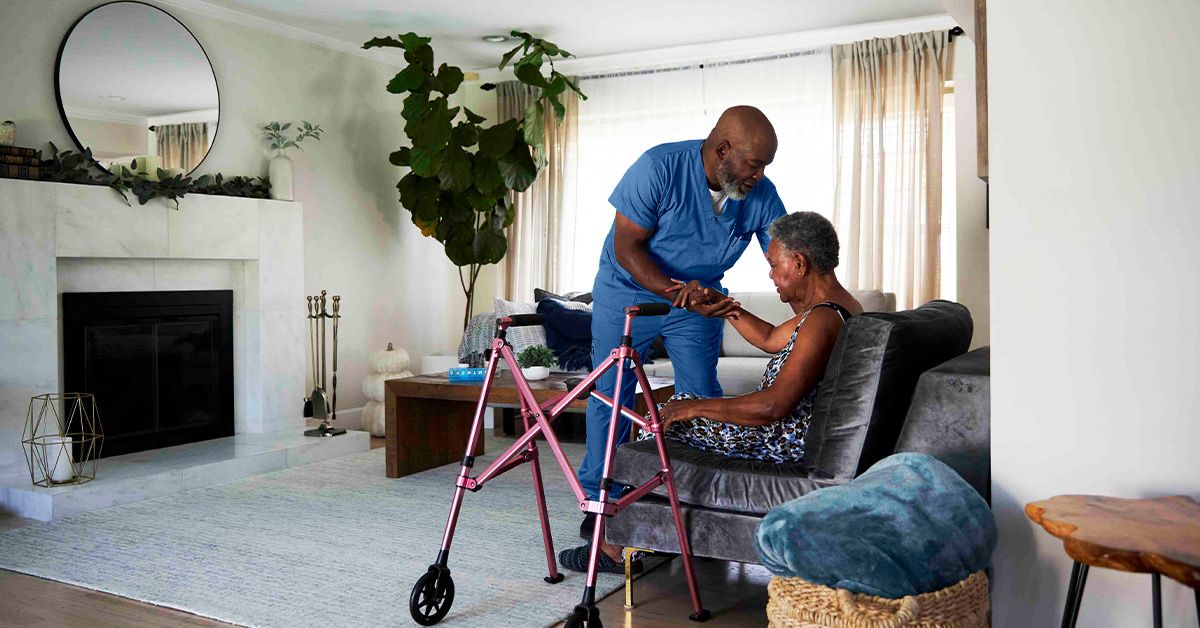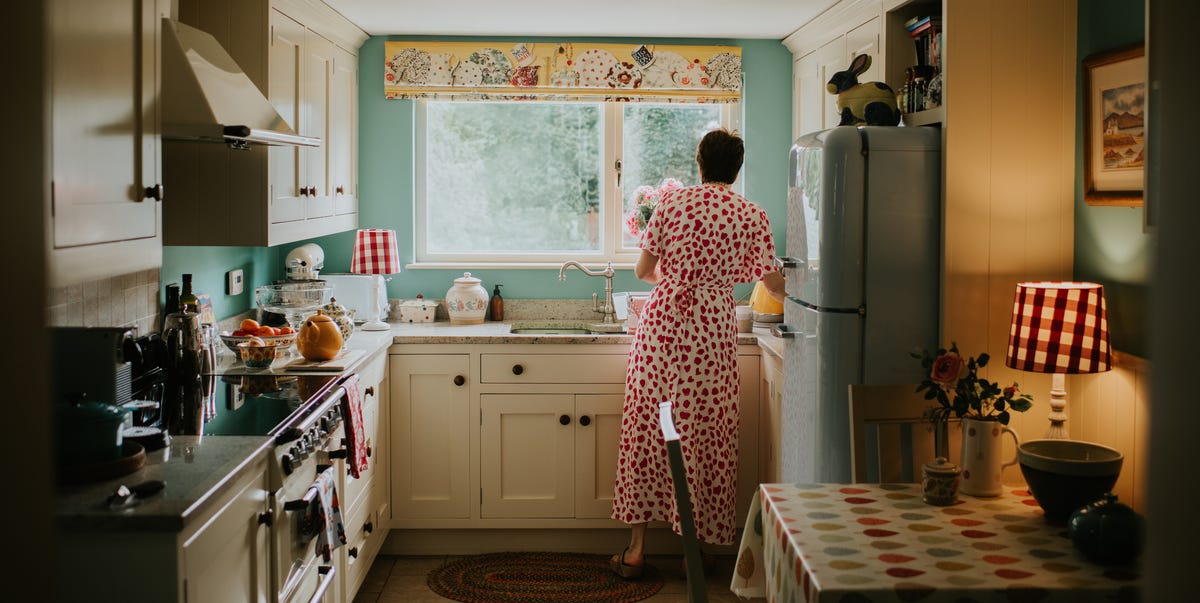
For years, the open floor plan was the golden retriever of home design: friendly, energetic, always in the middle of everything, and occasionally knocking over your coffee table. Homeowners loved the idea of one big, bright space where cooking, dining, working, relaxing, and pretending not to see the pile of laundry could all happen under the same ceiling.
But designers are now saying something many busy households have quietly whispered for years: maybe walls are not the enemy. Maybe doors are useful. Maybe the kitchen does not need to perform like a Broadway stage every time someone makes toast. Closed concept layouts are returning, not as a stiff throwback to dark, chopped-up houses, but as a smarter response to how people actually live now.
The modern closed concept layout is not about shutting everyone away in tiny rooms. It is about creating defined spaces with purpose, privacy, sound control, personality, and comfort. After years of open-plan living, many homeowners are rediscovering the joy of a room that knows exactly what it is supposed to do.
What Is a Closed Concept Layout?
A closed concept layout is a floor plan where major living areas are separated by walls, doors, archways, partial partitions, or other architectural divisions. Instead of one large room combining the kitchen, dining area, living room, and family room, each space has a clearer identity.
In a traditional closed floor plan, the kitchen may be separate from the dining room. The living room may be its own cozy destination. A den, office, library, or sitting room may be tucked away from the busier parts of the home. The result is a home that feels organized by function rather than spread out like a very expensive group project.
Today’s version, however, is more flexible than the closed layouts of the past. Designers are using glass doors, wide cased openings, pocket doors, interior windows, arches, built-ins, and “broken-concept” elements to create separation without making homes feel dark or boxed in. In other words, the wall is backbut it has had a glow-up.
Why Closed Concept Layouts Are Returning
The comeback of closed concept layouts is not random. It reflects a major lifestyle shift. Homes are no longer just places to sleep, eat, and store seventeen reusable tote bags. They are offices, classrooms, gyms, entertainment zones, quiet retreats, hobby spaces, and sometimes all of those things before lunch.
1. People Want Privacy Again
Open floor plans work beautifully when everyone is doing the same thing. The problem is that real life rarely operates like a synchronized swimming team. One person may be on a video call, another may be cooking, someone else may be watching a movie, and a child may be practicing the recorder with the confidence of a jazz legend.
Closed concept layouts give households more privacy. A separate office can support focused work. A closed den can become a quiet reading space. A dining room can host conversation without competing with dishwasher noise. Privacy has become a luxury, and designers are treating it as a core feature rather than a bonus.
2. Noise Control Has Become a Design Priority
One of the biggest complaints about open floor plans is noise. Without walls, sound travels freely. The blender becomes a public announcement. The television becomes a household-wide event. Every dropped spoon receives surround-sound treatment.
Defined rooms help contain noise. Walls, doors, rugs, curtains, upholstery, and bookshelves all absorb and manage sound. This makes closed layouts especially appealing for families, remote workers, multigenerational households, and anyone who has ever tried to take a business call while someone unloads a dishwasher like they are auditioning for a percussion ensemble.
3. Closed Rooms Make Homes Feel Cozier
Open layouts can feel impressive, but they can also feel exposed. A large, continuous space often requires larger furniture, consistent finishes, and careful styling to avoid looking empty or chaotic. Closed rooms naturally create intimacy. They invite layered lighting, warm textiles, deeper paint colors, and furniture arrangements that feel personal.
This is one reason cozy interiors, reading nooks, libraries, dens, and intimate sitting rooms are gaining attention. Homeowners want rooms that feel like a hug, not a hotel lobby. A closed concept layout gives each room a sense of enclosure, which can make everyday life feel calmer and more grounded.
The Open Floor Plan Is Not DeadIt Is Just Getting Edited
Let’s be fair: open concept homes are not disappearing. They still offer major advantages, especially for entertaining, natural light, indoor-outdoor flow, and families who like visual connection. Many buyers still appreciate a kitchen that opens to a family room, especially when children are young or when hosting is part of daily life.
But the all-open-everything approach is being reconsidered. Designers are not necessarily saying, “Bring back every wall.” They are saying, “Let’s stop pretending one giant room can solve every lifestyle problem.” The new goal is balance.
This is where broken-concept design comes in. A broken-concept floor plan uses partial walls, arches, columns, built-ins, glass partitions, changes in ceiling height, flooring transitions, and strategic furniture placement to define zones while keeping some openness. It is the design equivalent of saying, “We are together, but I still need my own chair.”
Why Designers Like Closed Concept Layouts
Interior designers are often excited by closed layouts because they create more opportunities for creativity. In an open floor plan, the kitchen, dining area, and living room are all visible at once, so colors, finishes, lighting, and furniture need to coordinate closely. That can be beautiful, but it can also limit bold design choices.
Closed rooms allow each space to have its own mood. A dining room can be dramatic with dark paint and statement lighting. A powder room can wear wallpaper that would be overwhelming in a large open area. A library can feel traditional, while a kitchen feels clean and modern. Separate rooms allow a house to tell several chapters of the same story rather than repeating one sentence over and over.
Designers also appreciate the practicality. More walls mean more places for art, storage, shelving, millwork, and architectural detail. A closed layout can support built-in bookcases, banquette seating, paneled walls, hidden bars, pocket-door offices, and flexible rooms that shift with a household’s needs.
The Kitchen Is a Major Reason Walls Are Coming Back
The kitchen may be the heart of the home, but sometimes the heart needs a door. Open kitchens look beautiful in photos, especially when counters are clear, flowers are fresh, and nobody has recently made spaghetti. In real life, kitchens produce steam, smells, noise, dishes, crumbs, mail piles, school forms, and at least one mysterious appliance cord.
Closed kitchens or semi-closed kitchens help contain mess and cooking odors. They also let homeowners focus renovation dollars on function rather than expensive structural changes. Removing walls can involve plumbing, electrical work, beams, permits, flooring repairs, and budget surprises that appear with the emotional timing of a horror movie jump scare.
Designers are also seeing interest in sculleries, prep kitchens, appliance garages, and hidden storage. These features acknowledge a simple truth: homeowners want kitchens that look calm but still work hard. A separate or partially concealed kitchen can support entertaining without turning every pot, pan, and half-chopped onion into part of the decor.
Closed Concept Layouts Support Better Room Purpose
A common issue with open floor plans is that spaces can blur together. The dining table becomes a desk. The living room becomes a playroom. The kitchen island becomes a command center, homework station, gift-wrapping table, and emotional support surface.
Closed concept layouts help assign purpose. A room can be designed for reading, dining, working, exercising, crafting, or watching television. When a space has a clear role, it is easier to furnish, organize, clean, and enjoy.
This is especially important in smaller homes. Contrary to popular belief, open layouts do not always make a home function better. Sometimes a smaller, well-defined room is more useful than a large open space with awkward furniture placement and no quiet corners. Good design is not just about square footage. It is about how each foot behaves.
How to Make a Closed Concept Layout Feel Modern
A closed concept home does not have to feel old-fashioned. The key is to combine separation with light, flow, and visual connection. Designers are using several strategies to modernize defined layouts.
Use Wider Openings
Instead of narrow doorways, wider cased openings can connect rooms while preserving separation. This keeps sightlines open without merging every function into one space.
Add Glass Doors or Interior Windows
Glass partitions, French doors, steel-frame doors, and interior windows allow light to travel while keeping sound and activity contained. They are especially useful for offices, dining rooms, and kitchens.
Choose Pocket Doors
Pocket doors are excellent for flexible living. Leave them open during gatherings and close them when privacy is needed. They save space and make a home feel adaptable.
Create Consistent Flooring
Using consistent flooring across multiple rooms can make a closed layout feel connected. The rooms remain separate, but the home still reads as one cohesive design.
Layer Lighting Carefully
Closed rooms need thoughtful lighting. Combine overhead fixtures, sconces, lamps, and accent lighting to prevent spaces from feeling dim. A cozy room should feel warm, not cave-like.
Use Color With Intention
Closed rooms are wonderful places to experiment with color. A deep green study, a blue dining room, or a warm terracotta sitting room can feel rich and memorable. Because each room is separate, bold choices are easier to manage.
Best Rooms to Close Off
Not every room needs a door, but some spaces benefit more from separation than others. Home offices are obvious candidates because they require privacy and quiet. Kitchens can benefit from partial or full separation when cooking, storage, and cleanup are daily concerns. Dens and media rooms work well as closed spaces because sound control matters. Bedrooms, guest rooms, and bathrooms are naturally private zones, while dining rooms are making a quiet comeback as homeowners rediscover the pleasure of meals that do not happen three feet from a laptop.
Flex rooms are also valuable in closed layouts. A small enclosed room can serve as a nursery, office, craft room, guest room, workout space, or homework zone depending on the season of life. That kind of adaptability is one reason defined spaces are becoming attractive again.
When a Closed Concept Layout May Not Be Right
Closed concept layouts have many benefits, but they are not perfect for every home. In small houses or apartments with limited windows, too many walls can reduce natural light. Separate rooms may also make entertaining feel less casual if guests are divided across several spaces.
Families with young children may prefer open sightlines between the kitchen and play area. Homeowners who love large gatherings may want at least one generous shared space. And anyone who dislikes feeling boxed in may prefer a hybrid floor plan with partial separation rather than fully closed rooms.
The smartest approach is lifestyle-first design. Before adding or removing walls, homeowners should ask how they actually live. Where does noise become a problem? Which activities need privacy? Which rooms feel underused? Where does clutter collect? A good layout solves real problems, not imaginary ones invented by renovation television.
Specific Examples of Closed Concept Design Done Well
Imagine a home where the kitchen connects to the dining room through a wide arched opening. The cook can still talk to guests, but the sink full of dishes is not the centerpiece of the evening. A nearby pocket door leads to a small home office, allowing work calls to happen without competing with dinner prep.
In another example, a large living room is divided with built-in bookcases and a partial wall. One side becomes a conversation area with comfortable chairs and lamps. The other becomes a media zone with a television and sectional. The space still feels connected, but each area has a purpose.
A third example is a semi-closed kitchen with glass doors. During parties, the doors stay open for easy movement. On a regular Tuesday, they close to contain noise and cooking smells. This kind of flexible separation is exactly why designers are embracing modern closed concept layouts.
The Emotional Appeal of Rooms
Beyond practicality, closed concept layouts offer something emotional: the pleasure of entering a room and feeling a shift. A dining room can feel celebratory. A library can feel thoughtful. A bedroom can feel restful. A kitchen can feel hardworking and warm. A home with distinct rooms creates moments of transition, and those transitions make daily life feel more intentional.
Open plans often emphasize togetherness, which is valuable. But togetherness works best when people also have places to retreat. A home should support connection and solitude. It should allow conversation, focus, mess, quiet, celebration, and recovery. Closed concept layouts are returning because they make room for all of that.
Experience Notes: Living With More Defined Spaces
One of the most noticeable experiences in a closed concept home is how quickly each room develops its own rhythm. In an open layout, the day can feel like it is happening all at once. Breakfast, emails, cartoons, dishes, phone calls, and the dog’s dramatic relationship with the mail carrier all share the same air. In a more defined layout, the house feels less frantic because activities have boundaries.
A separate dining room, for example, can change the way people eat. Even a simple weeknight meal feels more deliberate when it happens away from the kitchen prep zone. There is less temptation to stare at the refrigerator, wipe the counter mid-conversation, or treat dinner like a meeting with forks. The room quietly says, “Sit down. Stay awhile.” That is powerful design.
A closed office or den can also improve daily life in very practical ways. Closing a door before a video call creates a mental shift. It tells the rest of the household that work is happening, and it tells the person inside the room that focus is possible. Even if the room is small, that separation can reduce stress. A tiny office with a door can feel more useful than a large desk floating in the corner of a busy living room.
Closed kitchens create another interesting experience. Some people worry they will feel isolated while cooking, but many discover the opposite: they feel less pressured. Not every meal needs to be a performance. Sometimes cooking is chopping onions, listening to music, making a mess, and pretending the recipe did not say “simmer for 45 minutes” until it is already too late. A closed or semi-closed kitchen allows the process to be real without putting every step on display.
Defined living rooms can be especially comforting in the evening. When a room is enclosed, lighting becomes more atmospheric. Lamps glow better. Curtains feel softer. Conversation feels more contained. The room can become a true retreat instead of part of a large multipurpose zone. Add bookshelves, a rug, a few textured pillows, and suddenly the space feels like it has a personality instead of just a furniture plan.
Another benefit is easier decorating. In an open concept home, choosing a bold color can feel risky because the color may be visible from the kitchen, entry, dining area, and possibly three counties away. In a closed room, homeowners can take more creative chances. A moody study, patterned wallpaper in a dining room, or jewel-toned sitting room feels intentional rather than overwhelming.
The best experience, however, may be the sense of control. A closed concept layout lets a household adjust the home throughout the day. Open the doors when everyone wants connection. Close them when quiet matters. Let the living room be social, the office be focused, the kitchen be functional, and the bedroom be peaceful. That flexibility is why closed layouts feel newly relevant. They do not reject modern living; they respond to it with more patience, more privacy, and, thankfully, fewer conference calls conducted beside a blender.
Conclusion
Closed concept layouts are returning because homeowners want homes that work harder and feel better. The trend is not about rejecting openness completely. It is about rethinking the assumption that fewer walls automatically mean better living. Designers are embracing defined spaces because they offer privacy, sound control, coziness, design freedom, and clearer room function.
The modern closed concept home is warm, flexible, and deeply practical. It may include pocket doors, glass partitions, arches, sculleries, dens, libraries, and rooms that actually know their job description. After years of knocking down walls, many homeowners are realizing that the right wall in the right place can improve daily life. Sometimes good design is not about opening everything up. Sometimes it is about knowing when to close the door.