If seafood shopping makes you feel like you need a chemistry degree, a marine biology minor, and a detective’s flashlight, you are not alone. People know fish can be good for the heart and brain, but then mercury enters the chat and suddenly dinner feels complicated. The good news is that you do not need to fear the fish counter. You just need a smarter shortlist.
The sweet spot is simple: choose fish that are rich in omega-3 fats, especially EPA and DHA, while staying lower on the mercury ladder. In plain English, that usually means picking smaller fish or fish that are not the top predators of the ocean food chain. Think salmon, sardines, herring, trout, anchovies, and Atlantic mackerel. These are the overachievers of the seafood world. They bring the healthy fats and leave most of the mercury drama to the bigger, older, bossier fish.
This guide breaks down which fish fit that profile, why they matter, how to eat them without getting bored, and how to make practical choices whether you shop fresh, frozen, or from the humble canned aisle. Spoiler: canned sardines deserve more respect.
Why This Combination Matters
Omega-3 fatty acids are not trendy fluff. They are important fats your body uses for cell membranes, brain function, eye health, and cardiovascular support. The two marine omega-3s that get the most attention are EPA and DHA, and fish is one of the best food sources for both. While plant foods like flax and chia have ALA, your body converts only a small amount of that into EPA and DHA. Fish basically skips the paperwork and delivers the good stuff directly.
Mercury, on the other hand, is the party crasher. It tends to accumulate in larger, older predatory fish. That is why the fish with the most intimidating resumes, like shark and swordfish, are not the fish you want starring in your weekly meal plan. When you choose seafood wisely, you get the nutritional upside without turning dinner into a heavy metal concert.
In other words, the goal is not “eat no fish.” The smarter goal is “eat the right fish more often.” That approach works especially well for adults trying to support heart health, parents planning family meals, and anyone who is pregnant, breastfeeding, or thinking about becoming pregnant.
How Mercury Builds Up in Fish
Mercury does not spread evenly across all seafood. It tends to rise up the food chain. Tiny organisms absorb it, small fish eat them, bigger fish eat the smaller fish, and eventually the top predators wind up collecting much higher amounts over time. It is the nutritional version of a snowball rolling downhill, except less festive and more annoying.
That is why smaller fish and shorter-lived species often make better everyday picks. Sardines, anchovies, trout, and many salmon options usually land in the safer zone. Meanwhile, fish like king mackerel, shark, marlin, swordfish, orange roughy, and bigeye tuna are the ones most often flagged for the highest mercury levels.
One important seafood plot twist: not all fish with a similar name are nutritionally identical. Atlantic mackerel is a strong choice. King mackerel is not. Canned light tuna is generally a better mercury bet than albacore. Seafood labels matter, and this is one of those rare times when reading the fine print can genuinely improve dinner.
The Best Fish High in Omega-3 and Low in Mercury
Here is the all-star lineup. These fish bring meaningful omega-3 content while staying on the lower-mercury side compared with many other seafood choices.
| Fish | Omega-3 Strength | Mercury Profile | Why It Stands Out |
|---|---|---|---|
| Salmon | Very high | Low | Reliable EPA and DHA source, easy to find fresh, frozen, or canned |
| Sardines | Very high | Low | Small fish, low on the food chain, affordable, pantry-friendly |
| Herring | Very high | Low | Rich flavor, impressive omega-3 content, often sold smoked or pickled |
| Trout | High | Low | Mild taste, family-friendly, useful for people who do not love “fishy” fish |
| Anchovies | High | Low | Small but mighty, excellent flavor booster in sauces and dressings |
| Atlantic mackerel | High | Low | Omega-3 powerhouse, but make sure it is Atlantic mackerel, not king mackerel |
| Canned light tuna | Moderate | Lower than many tuna types | Convenient and budget-friendly, though not as omega-3-rich as salmon or sardines |
1. Salmon
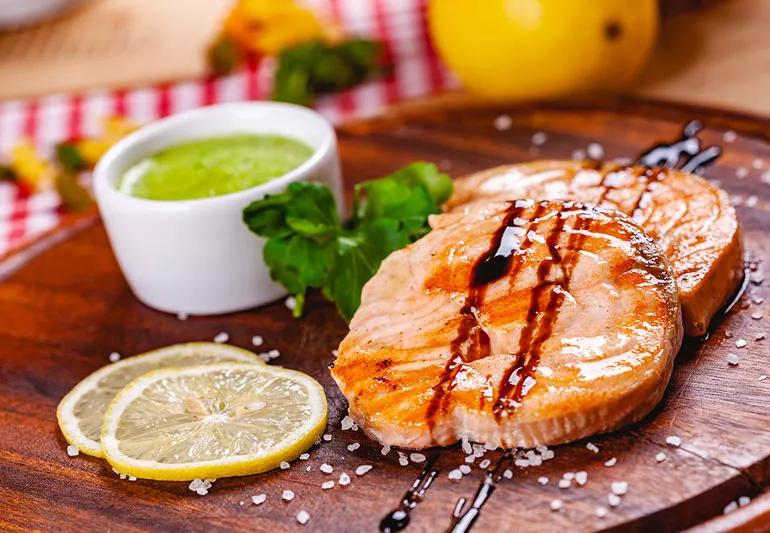
Salmon is the gold standard for people who want a fish that is both nutritious and easy to enjoy. It is packed with EPA and DHA, versatile in the kitchen, and widely available in fresh, frozen, smoked, and canned forms. Wild and farmed salmon both have benefits, and both can fit into a healthy diet. If your main goal is more omega-3 with less mercury confusion, salmon is one of the safest and smartest starting points.
2. Sardines
Sardines are tiny nutritional overachievers. Because they are small and low on the food chain, they generally stay low in mercury. At the same time, they deliver a strong dose of omega-3s. They are also rich in protein, calcium when eaten with the soft bones, and often vitamin D. If you can get past the fact that they look like they know secrets, sardines are one of the best values in the seafood aisle.
3. Herring
Herring has serious omega-3 credibility and deserves more attention in American meal planning. It can be eaten fresh, smoked, or pickled. Its stronger taste is not for everyone, but for people who enjoy bold flavor, herring is a fantastic alternative to salmon. It is especially good for cold plates, grain bowls, or breakfast spreads that feel suspiciously sophisticated.
4. Trout
Trout is the friendly neighbor of the omega-3 world. It is mild, easy to cook, and less intense than sardines or herring. Rainbow and freshwater trout are often good choices for people who want the nutrition of fatty fish without a stronger seafood flavor. Roasted trout with lemon, herbs, and potatoes is one of those meals that feels fancier than the effort required.
5. Anchovies
Anchovies are not just pizza drama. They are rich in omega-3s and low in mercury, and they can add savory depth to foods without shouting “I AM FISH.” Stir a few into pasta sauce, Caesar dressing, or sautéed greens and they disappear into a deep, salty umami note. They are the introverts of the seafood world, quietly making everything better.
6. Atlantic Mackerel
Atlantic mackerel is one of the best high-omega-3, lower-mercury picks around. The important word here is Atlantic. King mackerel is a different story and is commonly listed among fish to avoid because of high mercury. If a label just says “mackerel,” do not guess. Check which kind it is before tossing it into your cart like a nutrition superhero.
7. Canned Light Tuna
Canned light tuna is the practical middle ground. It is not the omega-3 champion that salmon or sardines are, but it is convenient, accessible, and generally lower in mercury than albacore. That makes it a useful option for sandwiches, salads, wraps, and quick lunches. If tuna is your thing, canned light is usually the smarter everyday choice, while albacore is better treated as a less-frequent guest.
Fish to Limit or Avoid
If your goal is high omega-3 and low mercury, some fish simply do not make the cut. The main names to avoid are king mackerel, shark, swordfish, marlin, orange roughy, tilefish from the Gulf of Mexico, and bigeye tuna. These fish tend to have the highest mercury levels, making them poor candidates for regular meals.
Other choices need a little nuance. Albacore tuna has more mercury than canned light tuna. Some larger locally caught fish may also carry concerns, which is why checking local advisories matters if you eat recreationally caught fish. When in doubt, variety helps. Repeating one fish over and over is less ideal than rotating among several lower-mercury options.
How Much Fish Should You Eat?
For most adults, aiming for about two seafood meals a week is a practical target. A solid rule of thumb is roughly 8 ounces per week, depending on your calorie needs and overall diet. People who are pregnant or breastfeeding are often advised to eat about 8 to 12 ounces per week of lower-mercury seafood, spread across two or three servings. That advice exists for a reason: the benefits of seafood nutrients matter, especially DHA.
The bigger idea is consistency. A heroic salmon dinner once a month is nice, but it does not do the same job as regular intake. You want seafood to become a habit, not a special event that requires candlelight and a lemon wedge posing dramatically on the plate.
How to Shop Smart Without Turning the Grocery Store Into a Quiz Show
Read the label carefully
Species matters. “Mackerel” is not specific enough. “Tuna” is not specific enough. Look for Atlantic mackerel, canned light tuna, salmon, sardines, trout, or herring by name.
Frozen is not second best
Frozen fish is often a great choice. It can be just as nutritious as fresh, lasts longer, and saves you from the classic “I meant to cook that yesterday” tragedy. Keep frozen salmon or trout on hand and your future self will feel strangely responsible.
Canned counts
Canned salmon, sardines, anchovies, and light tuna make it much easier to eat seafood regularly. They are affordable, shelf-stable, and ideal for fast meals. If your schedule is chaotic, canned fish may be the difference between eating seafood twice a week and merely having beautiful intentions.
Watch the extras
Fish is healthy. Fish deep-fried in a heavy batter and parked next to a mountain of fries is still food, but it is no longer auditioning for sainthood. Baking, broiling, grilling, poaching, or air-frying usually keeps the nutritional spotlight where it belongs.
Simple Ways to Add These Fish to Your Diet
- Salmon: roast with Dijon mustard and herbs, or flake canned salmon into patties
- Sardines: mash onto toast with lemon and cracked pepper
- Herring: add to a grain bowl with cucumbers, dill, and yogurt sauce
- Trout: bake whole or as fillets with garlic and sliced citrus
- Anchovies: melt into tomato sauce, vinaigrette, or sautéed vegetables
- Atlantic mackerel: grill and serve with rice, greens, and a bright herb sauce
- Canned light tuna: use in sandwiches, lettuce wraps, pasta salad, or stuffed avocados
Common Mistakes People Make
Assuming all fish are equally healthy
They are not. White fish like cod and tilapia can be fine choices, but they generally do not match the omega-3 content of fattier fish like salmon, herring, or sardines.
Thinking “more expensive” means “better”
Not always. Sardines and canned salmon can outperform pricier seafood in both omega-3 value and convenience. Your wallet is allowed to enjoy this information.
Confusing tuna types
Tuna is where many people trip up. Canned light tuna is usually a better regular option than albacore if mercury is a concern. Bigeye tuna is a no-thanks choice if your focus is lower mercury.
Ignoring local fish advisories
If you catch your own fish or eat fish caught by friends or family, check local guidance. Wild-caught does not automatically mean worry-free.
A Real-Life Eating Pattern That Works
Here is what a realistic week can look like:
Monday lunch: canned light tuna salad wrap with celery and Greek yogurt.
Wednesday dinner: baked salmon with brown rice and broccoli.
Saturday lunch: sardines on toast with tomato, herbs, and olive oil.
That is not fancy. It is not influencer food. It is just a realistic way to get more omega-3-rich, lower-mercury fish into your routine without pretending you have time to fillet something while also answering emails and remembering where you left your keys.
Experience Section: What It Is Actually Like to Eat More High-Omega-3, Low-Mercury Fish
In real life, eating more fish high in omega-3 and low in mercury usually starts with good intentions and one slightly confused grocery trip. Most people begin with a noble plan to “eat healthier,” then stand in front of the seafood case wondering why there are six kinds of tuna, three kinds of salmon, and one package that simply says “fish portions,” which is not exactly the confidence boost anyone needs.
The first practical change many people notice is that seafood becomes much easier once they stop trying to make every meal perfect. A lot of healthy eating plans fail because they are built for imaginary people who meal-prep in matching glass containers and have emotional stability at 5:30 p.m. A better approach is to build around easy wins. Frozen salmon fillets, canned sardines, canned salmon, and light tuna are the everyday heroes. They do not require a special trip, they do not spoil after one distracted weekend, and they make it possible to eat fish even when life is moving at cartoon speed.
Another common experience is that taste preferences evolve. People who swear they do not like fish often discover they really mean they do not like overcooked, dry, aggressively fishy fish. Salmon is usually the gateway option because it is rich but approachable. Trout is another pleasant surprise because it is mild and easy to season. Sardines take a little more courage, but once people try them mashed onto toast with lemon, mustard, or hot sauce, they often move from “absolutely not” to “okay, this is weirdly good.” That is a nutritional character arc worth celebrating.
Families also tend to do better when the focus shifts away from abstract health claims and toward meals that are simple and repeatable. Salmon tacos, tuna pasta salad, and crispy salmon rice bowls get more enthusiasm than lectures about DHA. Children may not care about omega-3 fatty acids, but they do care whether dinner looks familiar and tastes good. Adults are not that different, frankly.
There is also something mentally reassuring about learning the low-mercury shortlist. Once people know they can lean on salmon, sardines, herring, trout, anchovies, Atlantic mackerel, and canned light tuna, the whole topic feels less intimidating. Instead of asking, “Can I eat fish at all?” the question becomes, “Which of my good options sounds best this week?” That is a much nicer place to live.
Perhaps the biggest real-world benefit is consistency. When people keep a few reliable seafood options on hand, they are more likely to actually eat fish twice a week. And that matters more than chasing some fantasy diet. The best fish choice is not the one with the most impressive nutrition chart that you never buy. It is the one you enjoy enough to eat regularly. That is how healthy habits stick: less drama, better labels, and a little more salmon in the freezer.
Final Takeaway
If you want fish high in omega-3 and low in mercury, the shortlist is refreshingly clear: salmon, sardines, herring, trout, anchovies, Atlantic mackerel, and canned light tuna are among the most useful choices for everyday eating. They help you get EPA and DHA without leaning on the higher-mercury species that tend to cause the most concern.
The winning strategy is not to avoid fish altogether. It is to be selective, rotate your choices, and make seafood practical enough to show up on your plate regularly. Keep it simple, keep it varied, and do not let the giant predatory fish with the bad reputations steal the spotlight from the much friendlier options.