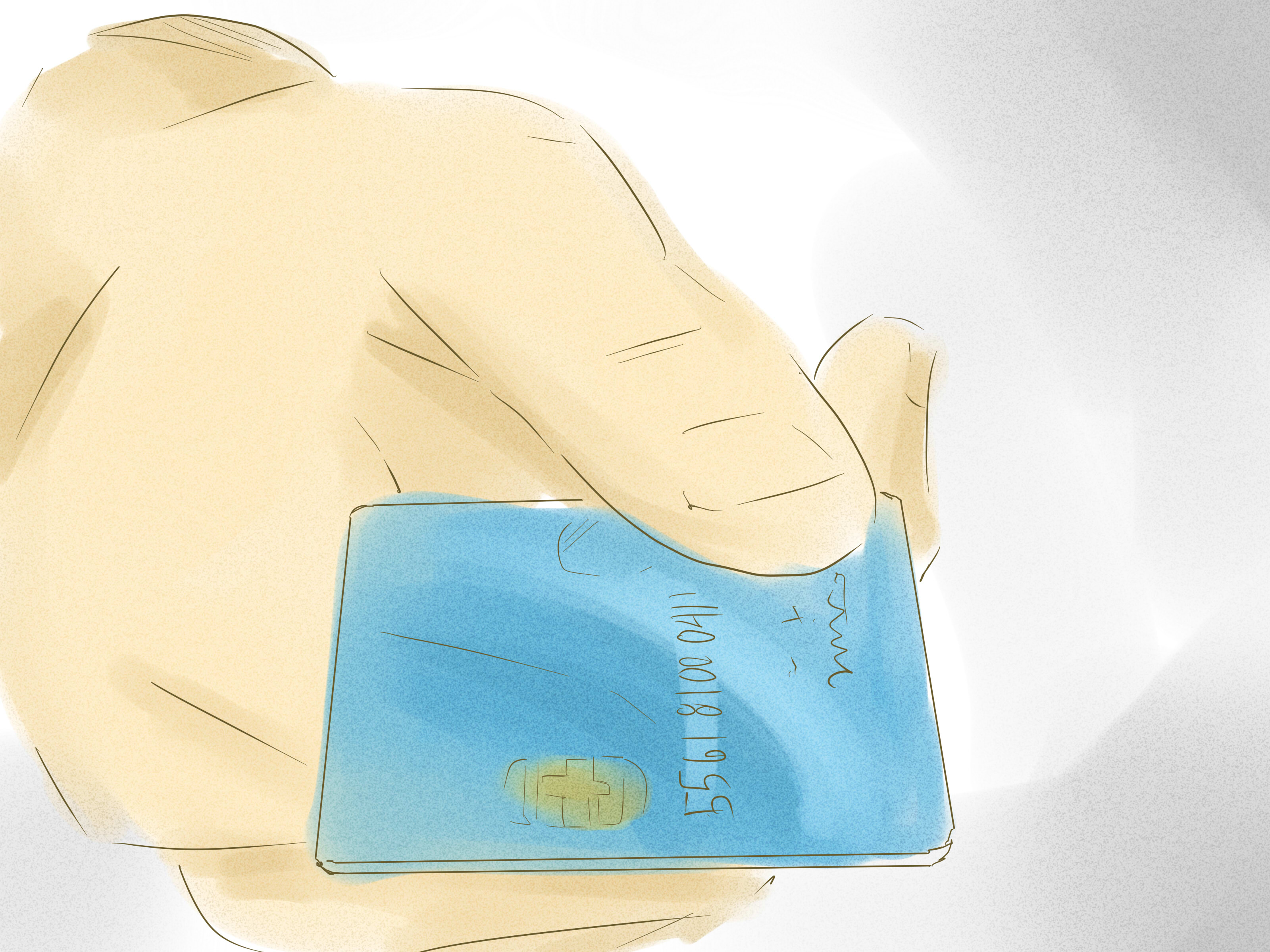
If you have been Googling how to apply for the Link Card in Illinois, here is the first useful truth: you do not usually apply for the card itself like you are ordering a loyalty card from a grocery store. You apply for SNAP or certain cash benefits through Illinois, and if you are approved, the state sends you an Illinois Link Card. Think of the Link Card as the delivery vehicle, not the finish line.
That distinction matters because a lot of people lose time searching for a magical “Link Card application” when what they really need is the Illinois benefits application. The good news is that the process is manageable once you break it into bite-size steps. The even better news is that you can do most of it online, by phone, or through your local office. No treasure map required.
This guide walks you through exactly how to apply for the Link Card in Illinois in 9 steps, what documents to gather, what to expect after you apply, and how real applicants commonly experience the process. If you want the short version: prepare your paperwork, submit the application carefully, respond quickly to follow-ups, and keep your mailing address accurate so your card actually lands in your mailbox instead of disappearing into the bureaucratic Bermuda Triangle.
What Is the Illinois Link Card?
The Illinois Link Card is the state’s EBT card. It works much like a debit card and is used to access approved SNAP food benefits and, for some households, cash benefits. If you qualify for SNAP in Illinois, your monthly food benefits are loaded onto this card, and you can use it at participating grocery stores, many big-box retailers, and other approved locations that accept EBT.
So, when people say they want to “get a Link Card,” what they usually mean is they want to apply for food assistance in Illinois. That means your first job is not hunting down the card. Your first job is submitting the correct application.
Who Should Apply?
You may want to apply if your household is struggling to cover grocery costs, your income has dropped, your hours were cut, or your monthly bills are doing that annoying thing where they rise faster than your paycheck. Illinois considers several factors when reviewing SNAP eligibility, including household size, income, certain expenses, and other eligibility rules.
If you are not sure whether you qualify, do not let that uncertainty stop you. Many people assume they make too much or that they will not be approved, then later find out they were eligible all along. Filing the application is often the smartest way to get a definite answer.
How to Apply for the Link Card in Illinois: 9 Steps
Step 1: Understand that you are applying for benefits, not a separate card
Before anything else, clear up the biggest point of confusion. In Illinois, the Link Card is issued after you are approved for SNAP or certain cash benefits. That means there is no separate “Link Card only” application for most people. Your actual task is to apply for benefits through the Illinois system.
This step may sound tiny, but it saves time. It also keeps you from wandering around the internet opening the wrong forms and wondering why nothing says “Apply for shiny blue card here.”
Step 2: Check the basics of your eligibility
Next, review the general eligibility factors. Illinois looks at things like household composition, income, and certain living expenses. If you are in a very urgent financial situation and have little or no money for food, you may also qualify for expedited SNAP, which is processed faster than the standard timeline.
You do not need to become your own benefits lawyer before applying. You just need a rough sense of your household situation: who lives with you, who buys and prepares food together, what income comes in, and what major housing or utility costs you pay. That information will drive the rest of the process.
Step 3: Gather your documents before you start
This is the step that separates a smooth application from a dramatic one. Before you begin, collect the documents you are most likely to need. Common examples include:
- Proof of identity for the head of household, such as a state ID or other government-issued identification
- Social Security numbers for people applying for benefits
- Proof of income, such as recent pay stubs, employer statements, or benefit letters
- Proof of Illinois residency, such as a lease, utility bill, or other official mail
- Proof of expenses that may matter to your case, such as rent, mortgage, utilities, child care, or certain medical costs if applicable
You do not always need every document on day one, but gathering them early makes the process much easier. If your paperwork lives in fifteen different drawers, a backpack, and a mysterious kitchen envelope labeled “Important??,” now is the time to stage a rescue mission.
Step 4: Choose how you want to apply
Illinois lets you apply in several ways, which is helpful because not everyone wants to do life admin the same way.
- Online: through the Illinois Application for Benefits Eligibility system, often called ABE
- By phone: through the Illinois help line
- In person: at a Family Community Resource Center, also called an FCRC
- By paper form: you can complete and submit the application through approved channels if needed
For many people, the online method is the easiest because it lets you work through the application at your own pace and often connect later to case-management tools. But if technology makes you want to throw your laptop into Lake Michigan, phone or in-person help may be the better choice.
Step 5: Complete the application carefully and sign it
Now it is time to fill out the application. Be accurate, be honest, and slow down enough to avoid silly mistakes. A wrong digit in your phone number can turn a simple follow-up into a game of “Why is nobody calling me back?”
Provide complete details about your household, income, expenses, and contact information. Double-check your mailing address in particular. Your Link Card, notices, and follow-up requests depend on that address being correct.
And yes, sign the application. It sounds obvious, but unsigned applications have caused many preventable delays over the years. Bureaucracy has many moods, but “forgiving about missing signatures” is rarely one of them.
Step 6: Submit any requested proof as quickly as possible
After you apply, Illinois may ask for verification documents to confirm the information on your application. The faster you submit them, the faster your case can move. This is where many applications stall, not because the person is ineligible, but because the paperwork is incomplete or arrives late.
If you use the online system, you may be able to upload documents through the state’s case-management tools. This can be especially helpful when you need to send updated pay stubs, proof of address, or a letter from an employer. Even phone photos of documents may be usable if the information is clear and readable.
Practical tip: name your files clearly, keep copies of what you send, and avoid submitting blurry photos that look like they were taken during a minor earthquake.
Step 7: Be ready for an interview or follow-up appointment
Many applicants should expect a follow-up interview or appointment during the application process. This may happen by phone or in person, depending on the case. If Illinois contacts you, respond promptly. If you miss a call, check your messages and notices right away.
This part can feel nerve-racking, but the interview is generally about confirming your information, not trapping you in a pop quiz about your refrigerator contents. Be ready to explain your household situation, your income, and your expenses. If you do not understand a question, ask for clarification. It is better to pause and answer clearly than to guess.
If your situation is urgent and you may qualify for expedited SNAP, timely follow-up is especially important. Emergency cases can move quickly, but only if the needed steps are completed right away.
Step 8: Track your case status and do not file duplicate applications
Once the application is in, monitor your case. Illinois offers ways to check status, upload documents, review notices, and manage your case information. Use those tools if you can. If you applied by phone or in person, keep your case details handy and watch for notices in the mail.
Most regular SNAP applications are handled within the standard processing period, while expedited cases can be processed much faster if the household qualifies. If the process feels slow, check your status before doing anything dramatic. Do not file a second application unless you are specifically told to do so. Duplicate applications can create confusion and delays instead of solving the problem.
Also report major changes when required, especially if they happen during the application period or soon after approval. A changed address, a new paycheck, or a different household situation can affect your case.
Step 9: Watch for your Illinois Link Card, set your PIN, and use it wisely
If you are approved, the Illinois Link Card is usually mailed to the address on your case. When it arrives, follow the instructions to set your PIN. Once activated, the card can be used to access your approved benefits.
Keep the card in a safe place, memorize your PIN, and never share it casually. If the card is lost or stolen, report it right away and request a replacement. You can also use Illinois Link account tools and helplines to check your balance, review recent transactions, and manage card-related issues.
This is the moment where the process stops being paperwork and starts being practical help. It may not feel glamorous, but few things are more beautiful than a working benefits card after a month of financial stress.
Common Mistakes to Avoid
Leaving out income or household details
Incomplete applications can trigger delays, follow-ups, or denials. Even if a detail feels minor, include it if the form asks for it.
Using an old mailing address
If your address is wrong, your notices or Link Card may not reach you. Always double-check it before submitting.
Missing calls or appointments
If you are expecting a phone interview, answer unfamiliar numbers and check voicemail. Important calls do not always arrive with dramatic movie music.
Sending unreadable documents
Dark, cropped, or blurry uploads can slow everything down. Make sure names, dates, and dollar amounts are visible.
Applying twice because you are anxious
This is understandable, but it can backfire. Track the first application instead of creating a duplicate unless a worker tells you otherwise.
How Long Does It Take?
For standard SNAP cases, Illinois generally follows the normal processing period used for initial applications. If you qualify for expedited service because your household is in immediate financial need, your benefits may be available much sooner. The key is to submit the application, provide requested verification quickly, and complete any required follow-up without delay.
In other words, the system can move at two speeds: government-speed and government-speed-with-coffee. If you believe your household may qualify for emergency help, say so clearly on the application and respond quickly to the next steps.
What Applicants in Illinois Often Experience
In real life, applying for the Link Card in Illinois is usually less dramatic than people fear, but more emotionally tiring than they expect. Many applicants begin the process feeling embarrassed, overwhelmed, or convinced they must be doing something wrong simply because the forms ask for so much detail. That reaction is common. The process can feel deeply personal, especially when you are already stressed about food, bills, rent, or keeping everything together for your family.
One common experience is that people wait too long to apply because they think the situation has to become catastrophic first. It does not. A lot of applicants only file after credit cards are maxed out, the checking account is coughing up dust, and the fridge starts looking like a minimalist art installation. By then, the stress is heavier than it needed to be. People often say their biggest regret is not applying sooner.
Another common experience is paperwork panic. Applicants often start strong, then get tripped up on questions about who buys and prepares food together, what counts as income, or which proof documents are good enough. Pay stubs, utility bills, employer letters, and proof of address suddenly become starring characters in a very boring but high-stakes drama. The good news is that once the documents are gathered, the process becomes much more manageable.
Phone calls are another big theme. Many Illinois applicants worry they will miss an important interview call, especially if they do not answer unknown numbers. That fear is not silly. Plenty of people keep their phones glued to their side during the review period, like they are waiting for a college admission decision and a pizza delivery at the same time. Missing a follow-up does not always ruin the case, but quick responses definitely help.
There is also the strange emotional whiplash of approval. People often describe relief mixed with disbelief. After days or weeks of gathering documents, checking status, and second-guessing every answer, getting approved can feel surreal. Then the card arrives, they set the PIN, and the whole thing suddenly becomes real. For many households, that first grocery trip is not just practical. It feels like breathing room.
Applicants also commonly learn that managing the case does not end after approval. They may need to upload more documents later, report certain changes, renew benefits, or fix issues like a lost card or an address update. So the experience is not one-and-done. It is more like opening a new chapter in the grand American genre known as “administrative follow-through.” Not glamorous, but very important.
Still, the overall experience for many people can be summed up this way: confusing at first, doable with preparation, and genuinely helpful when completed. If you approach the process with organized documents, a working phone number, patience, and a willingness to follow up, you put yourself in a much stronger position. You do not need to be perfect. You just need to be thorough.
Final Thoughts
If you are wondering how to apply for the Link Card in Illinois, the smartest approach is to stop thinking of it as a mysterious separate program and start treating it like a straightforward benefits application. You apply for SNAP or other qualifying benefits, submit your documents, complete any needed follow-up, and then receive the Link Card if approved.
The process can feel intimidating when money is tight and every delay feels personal. But once you break it into steps, it becomes far more manageable. Gather your paperwork, apply carefully, answer follow-up requests quickly, and keep your contact information current. That simple strategy will do more for your case than panic, guesswork, or refreshing your inbox like it owes you money.
If your household needs help now, do not wait for the “perfect” moment to apply. Start the process, stay organized, and give yourself the best chance to get benefits as quickly as possible.