Measuring a dog sounds simple until your dog decides the tape measure is a suspicious snake, the wall is lava, and standing still is clearly against their personal brand. Still, knowing how to measure dog height is useful for more than winning a “my dog is taller than your dog” debate at the park. It helps you choose the right crate, kennel, harness, dog door, travel carrier, agility class, and sometimes even confirm whether your pup fits a breed standard.
The official way to measure a dog’s height is from the floor to the highest point of the shoulders, called the withers. This spot is more reliable than the head because dogs can raise, lower, tilt, or dramatically toss their heads like tiny soap-opera stars. The withers stay much more consistent, which is why kennel clubs, dog sports, and breed standards use that point.
In this guide, you’ll learn how to measure dog height in 7 steps, what tools to use, how to keep your dog calm, what mistakes to avoid, and how to record the result correctly. No complicated math. No veterinary degree required. Just a dog, a flat surface, a measuring tool, and maybe a treat or two for negotiation.
Why Measuring Dog Height Matters
Dog height is not just a fun statistic for your pet’s imaginary dating profile. Accurate height measurements can affect safety, comfort, and performance. If you buy a crate that is too short, your dog may not be able to stand naturally. If a kennel is too low, your dog may crouch instead of relax. If you enter an agility or obedience event, jump heights are often based on height at the withers.
For growing puppies, tracking height can also help you understand growth patterns. A puppy who suddenly looks “all legs and no plan” may simply be going through a normal growth phase. For adult dogs, measuring height gives you a useful baseline when comparing breed-size expectations, planning equipment purchases, or discussing body structure with a veterinarian, trainer, groomer, or breeder.
What Is the Correct Place to Measure a Dog?
The correct place to measure dog height is the withers, which are the highest point of the shoulder blades where the neck meets the back. Run your hand gently down the back of your dog’s neck until you feel the top of the shoulders. That bony ridge is your target.
Do not measure to the top of the head unless you are sizing a crate or carrier that specifically asks for standing head height. For official dog height, breed standards, and dog sports, the withers are the standard point because they do not move as wildly as the head. Dogs are excellent at emotional head movements. The shoulders, thankfully, are less theatrical.
Tools You Need to Measure Dog Height
You do not need fancy equipment, although a proper measuring stick with a sliding arm is the most accurate option. Most pet owners can get a good measurement at home with common household items.
Best Tools for Accurate Measurement
- A measuring stick with a level arm: Best for accuracy, especially for dog sports or breed records.
- A tape measure: Easy to find, but it must stay straight and vertical.
- A flat book or ruler: Useful for marking the height on a wall.
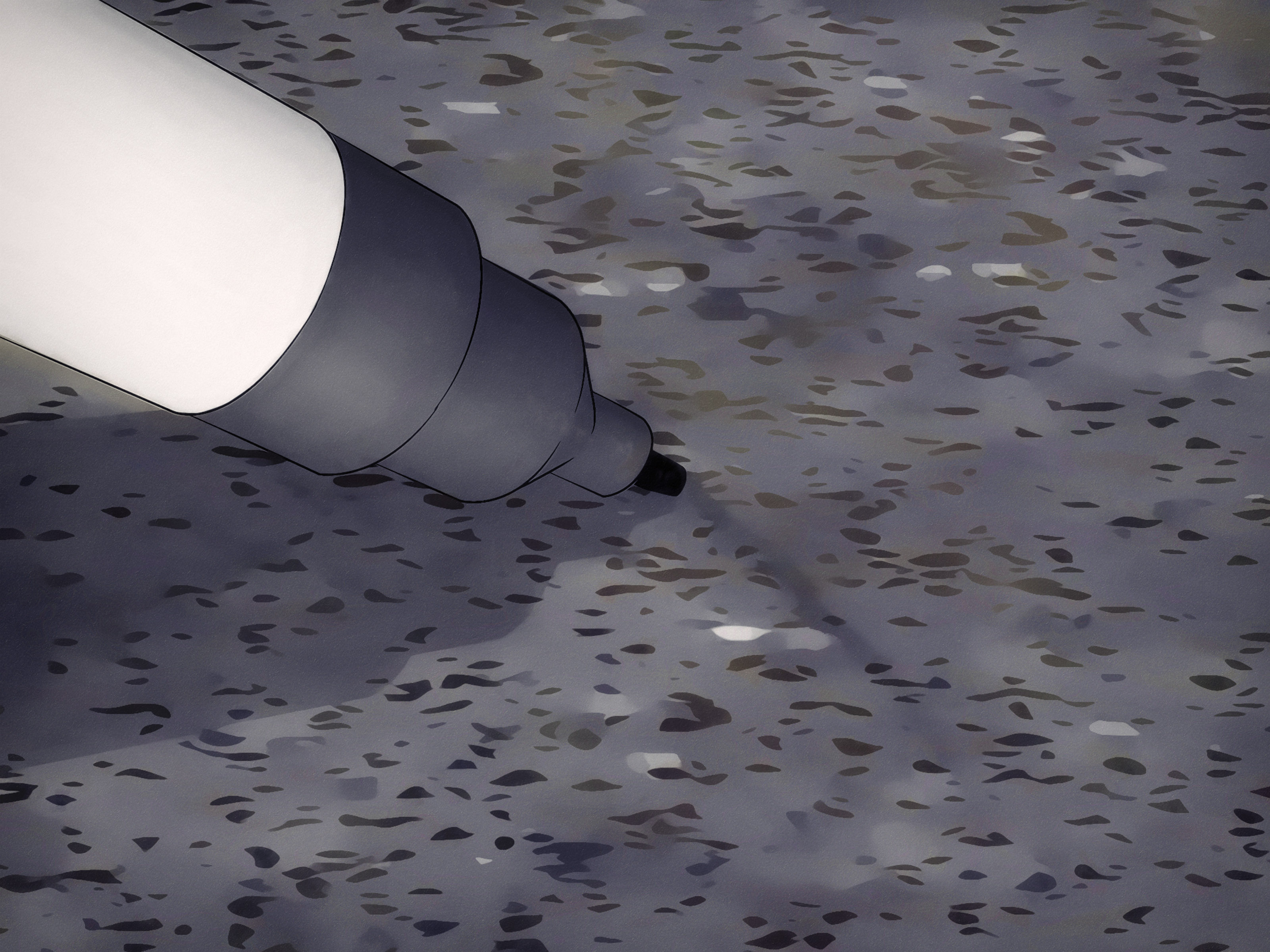
- A pencil or removable tape: Helpful if measuring against a wall.
- A level floor: Essential for an honest result.
- Treats: Not required by geometry, but strongly recommended by dogs.
If your dog is wiggly, recruit a helper. One person can hold the leash and reward calm standing while the other takes the measurement. This is especially helpful for puppies, anxious dogs, very small breeds, or dogs who believe every household object exists for chewing.
How to Measure Dog Height: 7 Steps
Step 1: Choose a Flat, Level Surface
Start by placing your dog on a flat, level surface. A hard floor is better than carpet because carpet can compress under your dog’s paws and change the result slightly. Avoid grass, beds, couches, rugs, or uneven patios. Your dog should stand naturally with all four paws on the same surface.
For small dogs, you may be tempted to place them on a table. That can work only if the table is sturdy, level, and safe. Never place a nervous or squirmy dog on a high surface without help. If there is any risk of slipping or jumping, measure on the floor instead. Safety beats precision every time.
Step 2: Help Your Dog Stand Squarely
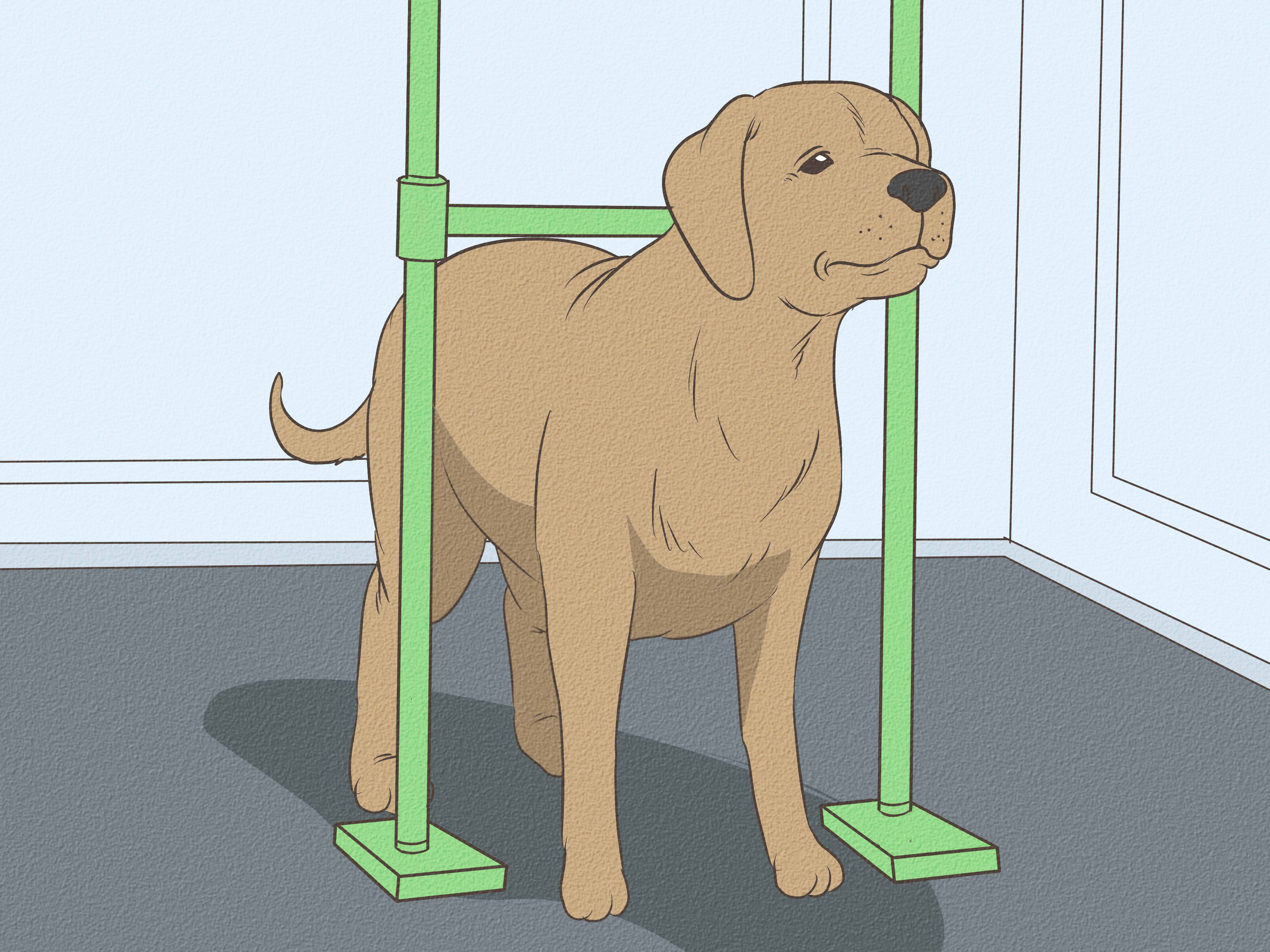
A proper dog height measurement starts with a good stance. Your dog should stand with the front legs vertical, the paws under the shoulders, and the body balanced. The back should look natural, not hunched, stretched, or crouched. The head can face forward, but do not encourage your dog to stretch upward for a treat because that may lift the shoulders and change the reading.
Think of it as taking a polite school photo, not a superhero poster. You want “calm and natural,” not “about to leap into space.” If your dog sits every time you pause, take a short break and try again. Some dogs need a few practice rounds before they understand that standing still is the entire job.
Step 3: Find the Withers
Gently feel for the withers by placing your hand at the base of your dog’s neck and moving backward until you reach the highest point of the shoulder blades. On short-coated dogs, this spot is often easy to see. On fluffy breeds, you may need to part the coat with your fingers so you are measuring the actual body structure, not the majestic cloud surrounding it.
Do not press down hard. You are identifying the top of the shoulders, not flattening your dog into a pancake. A light touch is enough. If your dog has a thick coat, double-check with your fingers before marking or reading the height.
Step 4: Place the Measuring Tool Straight Up and Down
If you are using a measuring stick, place it beside your dog’s front leg and make sure it is vertical. Lower the sliding arm until it gently touches the withers. If the tool has a level, use it. If it does not, visually check that the stick is straight and not leaning toward or away from the dog.
If you are using a tape measure, hold the bottom at the floor beside the paw and keep the tape perfectly vertical. A tilted tape measure creates a longer line and may make your dog seem taller than reality. Your dog may be magnificent, but the tape measure still has to tell the truth.
Step 5: Use a Book or Ruler for a Wall Measurement
Another easy method is to stand your dog next to a wall. Once you find the withers, place a flat book, ruler, or carpenter’s level across the withers so it touches the wall at a right angle. Mark the point lightly with pencil or removable tape, then measure from the floor to the mark.
This method works well for many pet owners because it reduces the awkwardness of holding a tape measure in the air while your dog slowly rotates like a confused weather vane. Make sure the book or ruler stays level. If it slopes upward or downward, your measurement will be off.
Step 6: Take the Measurement Twice
Measure at least twice, especially if your dog moved, shifted weight, sniffed the wall, sneezed, or decided the process was suspicious. If the two readings are close, average them or use the most consistent result. If they differ by more than half an inch, reset your dog’s stance and try again.
For puppies, record the date along with the height. Puppies grow fast, and today’s “small enough to fit under the coffee table” dog may become tomorrow’s “why is there a horse in the kitchen?” surprise. For adult dogs, one accurate measurement is usually enough unless you need official documentation.
Step 7: Record the Height Correctly
Write down your dog’s height in inches, centimeters, or both. In the United States, many breed standards and dog-sport references use inches. If you are buying products online, check whether the size chart uses inches or centimeters before ordering. A simple conversion can prevent a crate, coat, or harness from arriving in the wrong size.
Label the measurement clearly as height at the withers. This prevents confusion later because some product guides ask for standing height to the top of the head, while official dog height usually means the floor-to-withers measurement. When in doubt, read the product instructions carefully and measure the exact point requested.
Dog Height vs. Dog Length: Do Not Mix Them Up
Dog height and dog length are different measurements. Height is measured from the ground to the withers. Length is usually measured from the chest or shoulder area to the base of the tail, depending on the purpose. Crate sizing may ask for nose-to-tail or nose-to-base-of-tail measurements, while clothing and harness guides may use back length, chest girth, and neck girth.
This matters because a tall dog is not always a long dog. A Whippet may have long legs and a slim body. A Corgi may have a long body and short legs. Both are wonderful. Neither should be measured by vibes alone.
Common Mistakes When Measuring Dog Height
Measuring to the Head Instead of the Withers
The most common mistake is measuring to the top of the head. This may be useful for crate clearance, but it is not the standard dog height measurement. A dog can raise or lower the head, which makes the result inconsistent.
Letting the Tape Measure Lean
A leaning tape measure adds extra length. Keep your measuring tool vertical. If you are unsure, use a wall method with a level book or ruler.
Measuring on Soft or Uneven Ground
Carpet, grass, bedding, and uneven floors can change your result. Use a firm, flat surface whenever possible.
Measuring a Dog That Is Sitting, Crouching, or Stretching
Your dog should stand naturally. Sitting lowers the shoulders. Stretching upward may raise them. Crouching makes the dog look shorter. Wait for a relaxed standing position.
Ignoring Thick Fur
Fluffy coats can add impressive volume. Measure the body, not the fluff. Part the coat gently to find the actual withers.
How Accurate Does the Measurement Need to Be?
For everyday purposes, such as buying a crate, kennel, or coat, being within a quarter to half an inch is usually acceptable. For dog sports, breed evaluations, or official records, accuracy matters more. Official measuring often uses a wicket or approved measuring device, and the dog must stand in a specific position.
If you need an official measurement for competition, do not rely only on a casual home measurement. Use the rules of the organization hosting the event. Home measuring is excellent for preparation, but official measuring has its own procedures.
How to Measure a Puppy’s Height
Measuring a puppy is the same basic process, but it requires more patience and possibly more snacks. Puppies are still learning how their legs work, and sometimes all four paws appear to be managed by different departments. Keep sessions short and positive.
Measure your puppy every few weeks if you want to track growth. Record the date, age, weight, and height at the withers. This can be helpful when choosing adjustable gear or estimating when your puppy may outgrow a crate. However, do not panic over small changes. Puppies grow unevenly. One week may bring longer legs; another may bring a broader chest; another may bring ears that seem to have been installed from a larger model.
How Dog Height Helps With Crate and Kennel Sizing
When choosing a crate, many guides recommend measuring your dog’s standing height and length, then adding extra room so the dog can stand, turn around, and lie down comfortably. For crate height, some sizing instructions use the top of the head rather than the withers, especially if your dog has upright ears. That is different from official height, so read the sizing guide closely.
A crate should not be so tiny that your dog has to crouch. It also should not be so huge for a puppy that it encourages potty accidents in one corner and sleeping in another. For adult dogs, comfort and safe movement are the priorities. For puppies, adjustable dividers can help as they grow.
Breed Examples: Why Height Can Be Surprising
Dog breeds vary dramatically in height, body length, weight, and proportions. A tall, lean dog may weigh less than a shorter, stockier dog. A small breed may be compact but surprisingly sturdy. That is why height should be considered alongside weight, body condition, age, and body shape.
For example, a Border Collie and a Bulldog may both be medium-sized dogs in casual conversation, but their build, shoulder height, chest depth, and movement are very different. A Dachshund may be low to the ground but long in body. A Great Dane may require you to look up and reconsider your furniture budget. Height is useful, but it is only one part of the dog-size story.
Tips for Measuring a Wiggly Dog
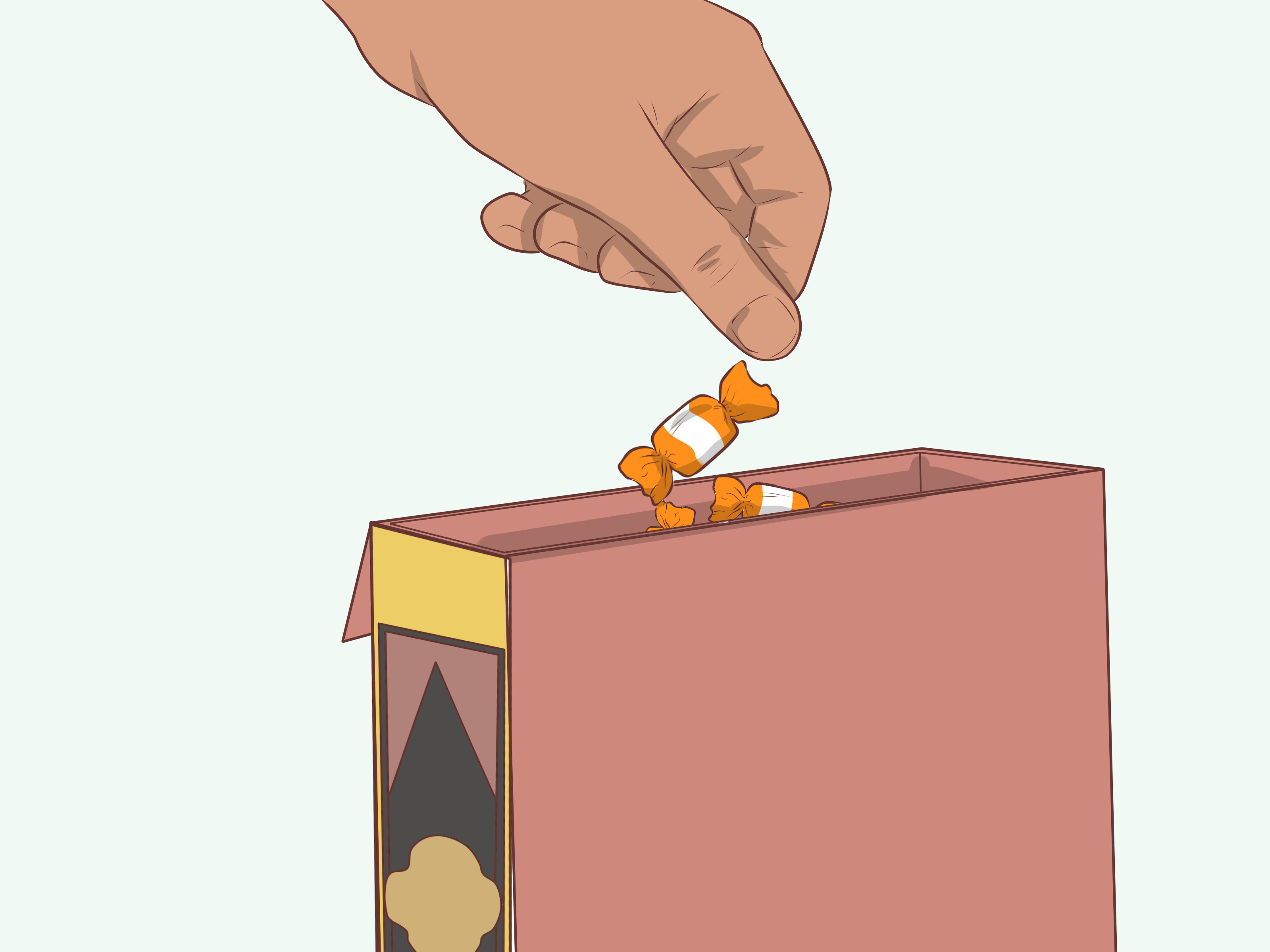
If your dog dislikes measuring, turn it into a calm training exercise. Let your dog sniff the tape measure first. Reward standing beside the wall. Reward stillness. Keep your voice relaxed. Do not chase your dog around the room with a measuring tape like a villain in a low-budget pet movie.
Use high-value treats, but hold them at nose level rather than above the head. If you raise the treat too high, your dog may stretch upward and change the measurement. For nervous dogs, do several short sessions over a day or two. The goal is accuracy without stress.
Extra Experience: What Real Dog Owners Learn When Measuring Dog Height
After helping many dog owners measure their pets, one pattern becomes clear: the dog is rarely the only variable. The human is usually part of the comedy. People start confidently, tape measure in hand, then suddenly realize they are trying to measure a living creature with opinions, paws, fur, and a deep interest in licking the measuring tool.
The first tool.
The first practical lesson is that calm preparation matters more than speed. If you rush, your dog may get suspicious. Place the measuring tool nearby before calling your dog over. Choose a quiet room, not the busiest hallway in the house. If another dog, cat, toddler, doorbell, or sandwich is competing for attention, your measurement session will become a circus with math.
The second lesson is that treats should be used like tiny rewards, not like a fishing lure. Many people hold a treat high above the dog’s nose to make the dog stand tall. Unfortunately, that encourages stretching. The dog may rise onto the toes, lift the shoulders, or lean forward. Keep the treat at a natural nose height and reward after the measurement, not during the critical second when you are reading the tape.
The third lesson is to respect coat volume. Owners of fluffy dogs often measure the top of the fur and accidentally add a half inch, an inch, or in some spectacular cases, an entire “cloud unit.” Breeds with thick neck and shoulder coats may look taller than they are. Use your fingers to find the actual withers beneath the coat. Be gentle, but do not let the hairstyle win.
The fourth lesson is that puppies are moving targets. Measuring a puppy once and treating that number like destiny is a mistake. Puppies grow in stages, and some breeds continue filling out after they reach most of their height. A young dog may look tall and skinny for a while before developing adult muscle. Keep a simple growth log rather than obsessing over every tiny change.
The fifth lesson is that product sizing can be confusing because different companies ask for different measurements. One crate guide may ask for floor-to-head height, while dog sport rules use floor-to-withers height. A coat may need back length. A harness may need chest girth. Before measuring, identify the exact purpose. The right measurement for one purchase may be the wrong measurement for another.
Finally, the best experience tip is to make measuring feel boring in the best possible way. Dogs are more cooperative when the process feels routine. Practice standing against a wall for a few seconds, reward calmly, and release. Do it a few times before you ever care about the number. Once your dog understands that standing still leads to praise and snacks, measuring height becomes less of a wrestling match and more of a tiny household ceremony.
And remember: your dog does not care whether the final number is 12 inches, 22 inches, or “roughly the height of a mischievous ottoman.” The measurement is for you. Your dog’s main concern is whether this scientific experiment ends with a treat. It probably should.
Conclusion
Learning how to measure dog height is simple once you know where to measure and how to keep your dog standing naturally. The key is to measure from the floor to the withers, use a flat surface, keep your measuring tool vertical, and take the measurement more than once. For everyday needs like crates, kennels, coats, and harnesses, a careful home measurement is usually enough. For official dog sports or breed evaluations, follow the event organization’s measuring rules.
Most importantly, keep the process calm and positive. A relaxed dog gives a better measurement than a confused dog doing interpretive dance beside the wall. With a little patience, a few treats, and the right technique, you can get an accurate height reading without turning your living room into a rodeo.
SEO Tags
{ "meta_title": "How to Measure Dog Height: 7 Easy Steps", "meta_description": "Learn how to measure dog height accurately at the withers with 7 simple steps, tools, tips, and common mistakes to avoid.", "sapo": "Measuring your dog’s height is easier than convincing them that the tape measure is not a chew toy. This guide explains the correct way to measure dog height at the withers, why it matters for crates, kennels, harnesses, breed standards, and dog sports, and how to get an accurate result even if your pup wiggles like a furry noodle. Follow these 7 simple steps to measure safely, avoid common mistakes, and record your dog’s height with confidence.", "keywords": [ "how to measure dog height", "measure dog at withers", "dog height measurement", "how tall is my dog", "dog crate sizing", "dog measuring tips", "measure puppy height" ]}