If your Swiss cheese plant has gotten gloriously wild, a little dramatic, or suspiciously close to taking over an entire bookshelf, congratulations: you have a prime candidate for propagation. Better yet, Monstera deliciosa is one of those houseplants that makes you feel like a gardening genius with surprisingly little effort. Give it a healthy node, a decent environment, and a tiny bit of patience, and it will usually do the rest.
In plain English, propagating a Swiss cheese plant means turning one Monstera into several. You can root a cutting in water, plant it directly in soil, encourage roots while the stem is still attached through air layering, or divide a mature plant into separate sections. Each method has its own perks, quirks, and “why is this cutting staring at me and doing nothing?” moments.
This guide breaks down four simple ways to propagate a Swiss cheese plant, how to choose the best one for your setup, and what to do after rooting so your baby Monstera does not immediately decide life is too hard. Whether you are a first-time plant parent or the kind of person who owns three propagation stations and calls them “decor,” this walkthrough will help you get cleaner cuts, stronger roots, and better results.
Before You Start: The One Thing You Absolutely Need
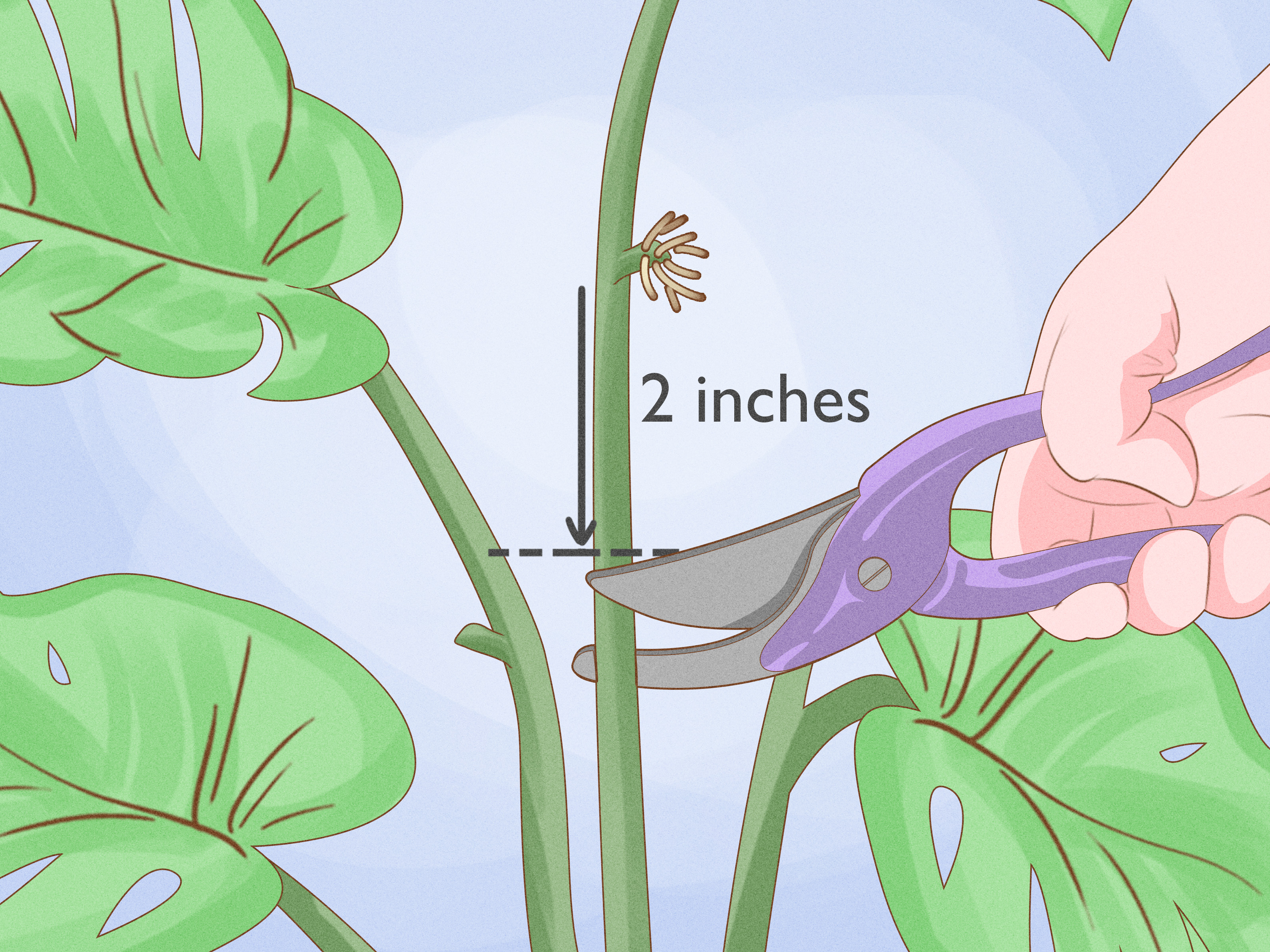
Let’s begin with the golden rule of Swiss cheese plant propagation: your cutting needs a node. A node is the slightly knobby point on the stem where leaves, aerial roots, and future growth emerge. No node, no new plant. A lonely leaf floating in water may look artsy, but it is not becoming a full Monstera anytime soon.
Choose a healthy parent plant with firm stems, active growth, and no obvious pest problems. If the plant is struggling with rot, spider mites, or mealybugs, propagation can still work, but your odds are much better if you start with strong material. Use clean, sharp pruners or scissors to reduce damage and lower the chance of introducing disease. Think of it as plant surgery, not plant wrestling.
Helpful Supplies
- Sharp, sterilized pruners or scissors
- A clear jar or glass for water propagation
- Small nursery pots with drainage holes
- Airy potting mix with perlite, bark, or coco coir
- Sphagnum moss and plastic wrap for air layering
- Optional rooting hormone
- A stake, moss pole, or trellis for later support
Timing matters too. Spring and summer are ideal because Monsteras are actively growing, but you can often propagate them year-round indoors if the plant gets enough bright, indirect light and stays warm. If your home turns into a cave every winter, cuttings may still survive, but they will move at the speed of a sleepy sloth.
Method 1: Propagate a Swiss Cheese Plant in Water
Water propagation is the most beginner-friendly method and the one people tend to love because it lets you see the roots developing in real time. It is basically reality TV for plant people.
How to Do It
- Select a healthy stem with at least one node and ideally one leaf.
- Cut just below the node using sterilized pruners.
- Remove any leaf that would sit underwater.
- Place the cutting in a clean jar filled with room-temperature water, making sure the node is submerged.
- Set the jar in bright, indirect light.
- Refresh the water every few days to keep it clean and oxygenated.
- Once roots reach about 1 to 2 inches long, pot the cutting into a well-draining soil mix.
Why It Works
The node is where root growth begins, so as long as the node stays submerged and healthy, the cutting can develop a root system. Water propagation is especially useful if you want to monitor progress closely or you are nervous about burying a fresh cutting in soil and hoping for the best.
Pros
- Easy to monitor root development
- Low barrier for beginners
- No potting mix needed at first
Cons
- Water-grown roots can be a little fussy when moved into soil
- Dirty water can encourage rot
- It is easy to leave the cutting in water too long
Best for: first-timers, small cuttings, and impatient people who need visible proof that something is happening.
Method 2: Propagate a Swiss Cheese Plant Directly in Soil
If you want to skip the “water now, soil later” transition, direct soil propagation is a smart option. This method can produce stronger soil-adapted roots from the start and avoids the adjustment period that some water-rooted cuttings go through.
How to Do It
- Take a cutting just below a node.
- Remove the lowest leaf if needed so the node can sit in the potting mix.
- Optionally dip the cut end in rooting hormone.
- Plant the cutting in a small pot filled with moist, airy mix.
- Keep the node buried but the leaf above the soil line.
- Place the pot in bright, indirect light and keep the mix lightly moist, not soggy.
- Wait for signs of rooting, such as new growth or gentle resistance when tugged.
The Best Soil Mix for Monstera Cuttings
A Swiss cheese plant likes a chunky, fast-draining medium. A blend with potting soil, orchid bark, perlite, and either peat or coco coir works well. Avoid heavy, compacted soil that stays wet forever. That is not a nursery. That is a swamp.
Pros
- Roots adapt to soil from day one
- No transplant shock from water to soil
- Simple once set up correctly
Cons
- You cannot see the roots forming
- Overwatering can cause rot fast
- Beginners sometimes bury too much of the stem
Best for: growers who already have a good potting mix and want a more direct route to a potted plant.
Method 3: Air Layering a Swiss Cheese Plant
Air layering sounds like something invented by plant wizards, but it is actually a very practical method for larger, leggy Monsteras. Instead of removing the cutting first, you encourage roots to form while the stem is still attached to the parent plant. It is low-risk, a little slower, and excellent for valuable or oversized stems.
How to Do It
- Choose a healthy section of stem with a node.
- Make a small cut or wound near the node, depending on stem type and thickness.
- Apply rooting hormone if you want to speed things along.
- Wrap moist sphagnum moss around the node and wound.
- Cover the moss with clear plastic and secure it above and below the wrapped section.
- Keep the moss evenly moist.
- Once you see strong roots through the moss, cut below the new root ball and pot it up.
Why Gardeners Love It
Air layering lets the future plant keep receiving moisture and energy from the parent while it builds roots. That makes it especially useful for thick stems, mature plants, and anyone who would like to avoid the heartbreak of a favorite cutting collapsing two weeks after the big snip.
Pros
- Very low risk for valuable stems
- Great for tall, mature, or leggy Monsteras
- Often produces a stronger transplant
Cons
- Takes longer than simple cuttings
- Looks mildly ridiculous while in progress
- Requires more materials and patience
Best for: large Monsteras, expensive plants, and anyone who wants a safer method for thicker stems.
Method 4: Divide a Mature Swiss Cheese Plant
If your Monstera is mature, crowded, and clearly producing multiple growth points, division may be the easiest method of all. Instead of rooting a cutting from scratch, you separate one big plant into smaller already-rooted sections.
How to Do It
- Remove the plant from its pot.
- Lay the root ball on its side and gently loosen the roots with your hands.
- Identify natural sections with stems, leaves, roots, and at least one viable node or growth point.
- Separate the clumps carefully by hand, or use a clean knife if the roots are tightly packed.
- Repot each division into a properly sized container with fresh, airy mix.
- Water thoroughly and keep the plant in bright, indirect light while it settles in.
When Division Makes Sense
This method works best when the plant already has more than one established stem cluster. If your Monstera is basically one main vine with a dramatic personality, stem cuttings or air layering are better choices.
Pros
- Fastest route to multiple established plants
- Each section already has roots
- Great for oversized, crowded pots
Cons
- Only works on suitable mature plants
- Can stress the parent if done roughly
- Messy, especially if the root ball is dense
Best for: older Monsteras that have outgrown their container and naturally separated into sections.
Aftercare: How to Help New Monstera Plants Thrive
Propagation does not end when roots appear. In fact, that is when the real job begins. Newly rooted Swiss cheese plants need a stable environment so they can transition from “surviving” to “actually growing.”
Give Them the Right Light
Bright, indirect light is the sweet spot. Too little light slows rooting and growth. Too much direct sun can scorch fresh leaves or overheat tender cuttings, especially if you are using a humidity dome or plastic cover.
Keep the Temperature Warm
Monsteras root best in warm conditions. A comfortable indoor range with mild humidity usually works well. Cold windowsills, blasting vents, and drafty corners are not ideal places for a baby tropical vine trying to start a new life.
Water With Restraint
Moist is good. Soggy is not. The rooting mix should stay lightly damp, but never swampy. If the stem sits in wet soil with poor airflow, rot can move in faster than you can say, “I thought I was helping.”
Support the Plant Early
As the new plant grows, consider adding a moss pole, stake, or trellis. Swiss cheese plants are climbers. When they have something sturdy to grab onto, they often produce stronger growth and larger, more dramatic leaves.
Common Swiss Cheese Plant Propagation Mistakes
Taking a Cutting Without a Node
This is the big one. A leaf stem alone may stay green for a while, but it will not develop into a full plant without a node.
Submerging Leaves in Water
Only the node should sit underwater. Leaves left in water can rot and foul the container quickly.
Using Dense Soil
If your mix feels like mud, it is too heavy for propagation. Monsteras need air around the roots as much as they need moisture.
Ignoring Hygiene
Dirty jars, dull blades, and reused moss or bags can all increase disease risk. Clean tools are boring, but effective. Unfortunately, plants love effective.
Panicking Too Soon
Some cuttings root quickly. Others appear to do absolutely nothing for weeks and then suddenly wake up. Lack of visible action does not always mean failure. As long as the stem is firm and the node is healthy, patience is often the missing ingredient.
Which Method Is Best?
If you are brand new to plant propagation, start with water propagation. It is visual, forgiving, and satisfying. If you want stronger soil-ready roots from the beginning, choose direct soil propagation. If you are working with a large or precious Monstera, air layering is the safest bet. And if your plant is mature and crowded, division may be the quickest way to get several healthy plants in one afternoon.
In other words, the best method depends less on internet plant drama and more on your actual plant, your home conditions, and how much patience you have left this month.
Practical Experiences: What Growing Swiss Cheese Plant Babies Really Feels Like
One of the most relatable experiences with Swiss cheese plant propagation is how deceptively easy it looks at the beginning. You take one neat little cutting, place it in water, set it on a windowsill, and feel like a botanical mastermind. Then day three arrives and nothing has changed. Day seven arrives and still nothing has changed. Day twelve rolls around and you begin inspecting the node like a detective in a plant-themed crime show. That part is normal.
What many growers discover is that propagation success often comes down to small details rather than secret tricks. A cutting in bright, indirect light roots faster than one placed in a dim corner “for safety.” Clean water matters more than fancy jars. A chunky soil mix outperforms dense all-purpose potting soil. And perhaps most importantly, the healthiest cuttings usually come from a parent plant that was already growing well before it was trimmed.
Another common experience is learning that every cutting has its own pace. One stem may push roots quickly and act like it has a job interview next week. Another may sit still for a month and contribute nothing but emotional instability. That does not always mean you did anything wrong. Swiss cheese plants can be inconsistent, especially when light, temperature, and humidity fluctuate from room to room.
Many people also find that water propagation is exciting at first but comes with a hidden challenge: timing the move to soil. If the roots are too short, the cutting may struggle after transplanting. If the roots stay in water too long, they can become extra sensitive when moved into potting mix. The sweet spot is usually when the roots are established enough to support the plant but still young enough to adapt. That is less glamorous than posting a photo of a jar full of roots online, but it tends to lead to a happier plant.
Air layering, on the other hand, often feels awkward while it is happening. You wrap moss around a stem, cover it with plastic, and suddenly your elegant houseplant looks like it lost a fight with a craft drawer. But growers who try this method on tall or leggy Monsteras are often surprised by how reliable it can be. The plant keeps drawing support from the parent while rooting, which takes a lot of pressure off the new section.
Perhaps the most useful lesson from real propagation attempts is that perfection is overrated. A slightly crooked cut, a delayed root, or a leaf that looks tired after transplanting does not automatically spell failure. Swiss cheese plants are more resilient than they look. If you keep conditions warm, bright, and evenly moist, many cuttings recover beautifully. Over time, the process becomes less about chasing flawless technique and more about learning to read the plant in front of you. And honestly, that is when propagation gets fun.
Conclusion
Learning how to propagate a Swiss cheese plant is one of the most rewarding houseplant skills you can pick up. With the right cutting and a visible node, you can root Monstera in water, start it directly in soil, air layer a larger stem, or divide a mature plant into multiple sections. None of these methods requires a greenhouse, a laboratory, or a mystical full moon. They just require clean cuts, good light, airy soil, and enough patience to let roots do their thing.
Start with the method that matches your plant and your confidence level. Water propagation is wonderfully simple, soil propagation is efficient, air layering is cautious and clever, and division is ideal for bigger established plants. Once you do it successfully once, you may suddenly understand why plant people keep saying things like, “I only meant to make one extra plant.” Famous last words.