Keeping up appliances is one of those household responsibilities that sounds boring until the refrigerator quits the day before a cookout, the dryer starts smelling like a campfire, or the dishwasher decides “clean” now means “artistically speckled with oatmeal.” Home appliances are the quiet coworkers of daily life. They chill food, wash clothes, heat dinner, brew coffee, and pretend not to judge us when we microwave leftovers at midnight. But like any hardworking machine, they need basic care to stay efficient, safe, and useful for years.
The good news? Appliance maintenance does not require a toolbox the size of a pickup truck. Most of the best habits are simple: clean filters, check seals, keep vents open, use the right cycles, avoid overloading, and pay attention when a machine starts acting weird. A strange noise, longer drying time, puddle near the washer, or refrigerator that feels warm is not your appliance “having a personality.” It is usually a warning sign.
This guide breaks down practical appliance care for refrigerators, freezers, dishwashers, washers, dryers, ovens, ranges, microwaves, and small appliances. It also covers energy efficiency, safety, repair-or-replace decisions, and real-life experiences that can help you avoid expensive surprises. Because nothing says “adulting” quite like cleaning refrigerator coils and feeling oddly proud of it.
Note: Always check your appliance owner’s manual before cleaning, moving, or servicing a machine. When electricity, gas, water lines, refrigerant, or complex repairs are involved, call a qualified professional. Saving money is great; accidentally turning your laundry room into a water feature is less great.
Why Appliance Maintenance Matters
Appliances are expensive, and replacing them too early can wreck a household budget faster than a toddler with a permanent marker. Routine appliance care helps protect that investment. It can improve performance, reduce energy waste, prevent odors, lower fire and water-damage risks, and extend the useful life of your machines.
Maintenance also helps you notice small problems before they become major repairs. A loose refrigerator gasket may only need cleaning or replacement. A clogged dishwasher filter may explain gritty glasses. A dryer that takes two cycles may be fighting lint buildup, not “working extra hard because it cares.” Catching those issues early can save money and reduce frustration.
There is also the safety side. Clothes dryers, cooking appliances, overloaded outlets, damaged cords, and neglected vents can create fire hazards. Washing machines and dishwashers can leak. Refrigerators and freezers can affect food safety if they do not hold the right temperature. Keeping up appliances is not just about shiny stainless steel; it is about keeping your home safer and calmer.
The Refrigerator and Freezer: The Cold-Hearted Heroes
Your refrigerator runs all day, every day, with no vacation, no sick leave, and no applause. It deserves more than being stuffed with mystery containers and one sad lime. Refrigerator maintenance begins with temperature. Keep the refrigerator at 40°F or below for food safety, while many efficiency guides recommend a target range around 35°F to 38°F. The freezer should stay at 0°F or below. A simple appliance thermometer is cheap and more reliable than guessing by touching the milk carton.
Clean the Coils
Dirty condenser coils make a refrigerator work harder. Dust, pet hair, and kitchen debris collect around the coils, reducing airflow and efficiency. Clean refrigerator coils every six months to one year, and more often if you have shedding pets. Unplug the unit first, then use a coil brush and vacuum. If the coils are behind a front grille, remove it carefully. If they are behind the appliance, pull the refrigerator out gently and avoid crushing water lines or cords.
Check Door Seals
A weak gasket lets cold air escape, which forces the refrigerator to run longer. Clean the door seals with warm water and mild soap, then dry them. Try the dollar-bill test: close the door on a dollar bill and gently pull. If it slides out easily in several spots, the seal may need adjustment or replacement. Your refrigerator should not be air-conditioning the kitchen like it is trying to cool the whole zip code.
Give It Breathing Room
Place the refrigerator away from heat sources such as ovens, dishwashers, direct sunlight, and heating vents when possible. Leave space for air circulation behind and around the appliance. Inside the fridge, avoid overpacking because cold air needs room to circulate. A full refrigerator can hold temperature well, but a jammed one becomes a chilly game of Tetris with questionable airflow.
Prepare for Power Outages
During a power outage, keep refrigerator and freezer doors closed as much as possible. A closed refrigerator can generally keep food safe for about four hours. A full freezer can hold its temperature for about 48 hours, while a half-full freezer may hold for about 24 hours. After that, use a thermometer and common sense. If perishable food has been above 40°F for too long, throw it out. Nobody wants “food poisoning” as the surprise side dish.
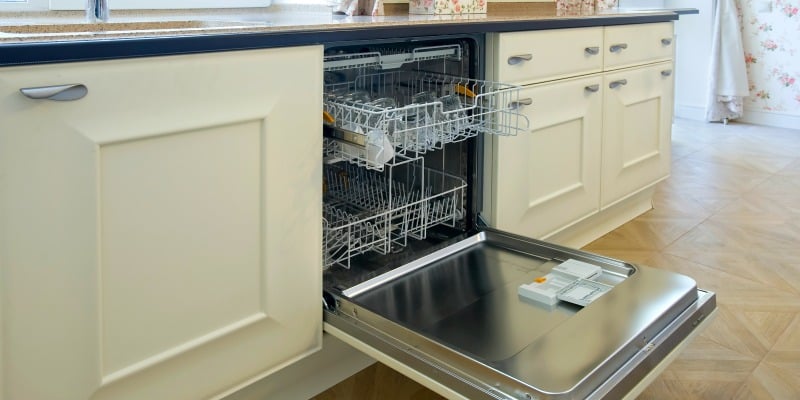
The Dishwasher: Stop Rinsing Away Your Money
Modern dishwashers are designed to save water, energy, and time when used correctly. An ENERGY STAR certified dishwasher can use less energy and water than standard models, and many modern machines have soil sensors that adjust the cycle based on how dirty the load is.
Scrape, Do Not Pre-Rinse
One of the most common dishwasher mistakes is pre-rinsing everything under running water. In most newer dishwashers, you only need to scrape off large food scraps. Pre-rinsing wastes water and may confuse soil sensors. Let the dishwasher do its job. It has one job. Do not take that away from it.
Clean the Filter
If your dishwasher has a removable filter, clean it regularly according to the owner’s manual. A dirty filter can cause odors, poor cleaning, cloudy glasses, and little food freckles on plates. Remove the lower rack, twist or lift out the filter as directed, rinse it under warm water, and use a soft brush for stuck-on residue.
Use the Right Cycle
Heavy cycles are useful for baked-on casserole dishes, but they are not necessary for every coffee mug and cereal bowl. Use light, normal, sensor, or eco cycles when appropriate. Turn off heated dry when you can and let dishes air-dry to save energy. Run full loads, but do not block spray arms. If water cannot reach the dishes, the dishwasher is basically just humming encouragement.
Clean Spray Arms and Door Seals
Check spray-arm holes for trapped food or mineral buildup. A toothpick or small brush can help clear clogged openings. Wipe the door gasket and edges where grime collects. Once in a while, run an empty cleaning cycle with a dishwasher cleaner or a manufacturer-approved method. Avoid mixing cleaning products, especially bleach and vinegar, because chemistry should stay helpful, not dramatic.
Washing Machines: Clean the Machine That Cleans Everything Else
Washing machines deal with detergent, dirt, body oils, lint, pet hair, and that one sock that apparently entered another dimension. To keep them working well, do not overload the drum. Clothes need room to move; otherwise, they rub poorly, rinse badly, and may strain the motor and suspension.
Use the Right Detergent Amount
More detergent does not mean cleaner clothes. In high-efficiency washers, too much soap can create residue, odors, and extra wear. Follow detergent instructions and use the washer’s recommended type. If towels feel stiff or the washer smells musty, detergent buildup may be part of the problem.
Leave the Door Open
After washing, leave the washer door or lid open for a while so moisture can evaporate. This is especially important for front-load washers, where the rubber gasket can trap water. Wipe the gasket regularly and check for coins, hair, lint, and tiny treasures from pockets. If your washer smells like a swamp joined a gym, it needs cleaning.
Inspect Hoses
Check fill hoses for cracks, bulges, leaks, or corrosion. Many homeowners replace old rubber hoses with braided stainless steel hoses for extra protection. Make sure the washer is level to reduce vibration. A machine that walks across the laundry room during the spin cycle is not “energetic”; it is asking for help.
Wash Smarter
Cold water works well for many everyday loads and can reduce energy use because heating water is a major part of washer energy consumption. Use hot water when sanitation or specific fabric-care instructions call for it. Choose high spin speeds when appropriate to remove more water before drying, which can shorten dryer time.
Dryers: The Appliance That Demands Respect
The dryer may look harmless, but it combines heat, airflow, electricity or gas, and lint. That means dryer maintenance is not optional. Clean the lint filter before or after every load. A clogged lint screen reduces airflow, wastes energy, lengthens drying time, and increases fire risk.
Clean the Dryer Vent
The lint trap is only the beginning. Lint also builds up in the vent duct and exterior vent hood. Clean the dryer vent at least once a year, and more often if you dry many loads, have pets, or notice warning signs. Red flags include clothes taking longer to dry, a hot laundry room, a burning smell, excess lint behind the dryer, or the outside vent flap barely opening.
Use rigid or semi-rigid metal ducting where recommended, and avoid crushed, kinked, or plastic vent hoses. Keep the area around the dryer clear of boxes, cleaning cloths, paper, and other flammable clutter. Do not run the dryer when you are away from home or asleep. The dryer does not need privacy; it needs supervision.
Do Not Overload
Overloading a dryer slows airflow and leaves clothes damp. It can also strain the drum, belt, and motor. Shake out items before loading, especially towels and bedding. If one giant comforter becomes a damp burrito, dry it in stages or use a commercial-size machine.
Ovens, Ranges, and Cooktops: Where Grease Goes to Plot
Cooking appliances need regular attention because grease, crumbs, and spills can cause smoke, odors, poor performance, and fire hazards. Wipe spills once surfaces are cool. Clean burner caps, grates, drip pans, and glass cooktops according to the manufacturer’s instructions. Avoid abrasive tools that can damage finishes.
Keep Oven Interiors Reasonably Clean
You do not need to polish the oven after every pizza, but heavy grease and burnt food should not become permanent residents. Use self-cleaning cycles sparingly and only as instructed, because they use very high heat and can stress components in some models. For routine cleaning, mild cleaners and patience often work better than turning the kitchen into a smoke alarm concert.
Watch Gas Appliances Carefully
If you smell gas, leave the area and contact your gas utility or emergency services. Do not flip switches, use flames, or troubleshoot casually. Gas ranges should burn with a steady flame, usually blue. Yellow flames, delayed ignition, or repeated clicking may need professional service.
Microwaves and Small Appliances: Tiny Machines, Big Attitudes
Microwaves, coffee makers, toasters, air fryers, blenders, and countertop ovens may be smaller than major appliances, but they still need care. Wipe microwave splatters before they harden into archaeology. Clean turntables, door seals, and vents. Never operate a microwave with a damaged door, broken latch, or exposed metal.
Unplug small appliances when not in use, especially heating appliances such as toasters, toaster ovens, irons, and air fryers. Keep cords away from sinks and hot surfaces. Empty crumb trays regularly. A toaster packed with crumbs is basically a tiny bread confetti cannon with fire potential.
Energy Efficiency: Make Appliances Work Less for the Same Results
Energy-efficient appliance care is about using machines correctly, not just buying new ones. Before replacing an appliance, read its yellow EnergyGuide label when shopping. That label estimates yearly operating cost or energy use and lets you compare similar models. ENERGY STAR certification can also help identify products that meet efficiency standards.
Everyday Energy-Saving Habits
- Run full dishwasher loads, but avoid blocking spray arms.
- Use cold water for many laundry loads.
- Clean refrigerator coils and dryer vents regularly.
- Keep refrigerator and freezer temperatures in the safe, efficient range.
- Use sensor cycles when they match the load.
- Air-dry dishes and clothes when practical.
- Turn off or unplug small appliances when not in use.
These habits may seem small, but small savings repeated every day become real money. Your utility bill may not send a thank-you card, but it might become slightly less rude.
Appliance Safety Checklist
Safe appliance use begins with paying attention. If an appliance repeatedly trips a breaker, shocks you, smells burnt, leaks, sparks, or makes a new alarming sound, stop using it until the issue is identified. Do not ignore warning signs because “it still technically works.” That is also how horror movies start.
Basic Safety Rules
- Do not use appliances with damaged cords or loose plugs.
- Keep water away from electrical appliances and outlets.
- Do not overload outlets or extension cords.
- Use grounded outlets where required.
- Keep appliance vents clear.
- Register new appliances so recall notices can reach you.
- Check recall databases if you buy used appliances.
Product recalls are not just paperwork. They can involve fire risks, electrical hazards, tipping hazards, or defective parts. When you register an appliance, you make it easier for manufacturers to contact you if a safety repair is needed.
Repair or Replace? The Practical Decision
Even well-maintained appliances eventually wear out. Many major appliances last roughly 9 to 15 years depending on type, quality, use, and maintenance. Dishwashers and microwaves often have shorter average lifespans than ranges or refrigerators. Dryers and refrigerators commonly last around a decade or more when cared for properly.
A common rule of thumb is the 50 percent rule: if a repair costs more than half the price of a comparable new appliance, and the machine is near the end of its expected life, replacement may make more sense. But the decision is not only about age. Consider energy use, repair history, warranty coverage, part availability, and whether the appliance still fits your household.
Repair May Be Worth It When:
- The appliance is still under warranty.
- The problem is minor, such as a gasket, belt, filter, latch, hose, or switch.
- The machine is relatively young.
- Replacement would require costly installation changes.
- The appliance has been reliable until now.
Replacement May Be Smarter When:
- The repair is expensive and the appliance is old.
- The same issue keeps returning.
- The machine is inefficient compared with newer models.
- Parts are hard to find.
- The appliance creates safety risks.
Before deciding, get a clear repair estimate. Ask what failed, whether the part is available, how long the repair is expected to last, and whether other components are likely to fail soon. A good technician can help you avoid throwing money at a machine that is already waving a tiny white flag.
A Simple Appliance Maintenance Schedule
Weekly
- Clean dryer lint filter.
- Wipe appliance handles and high-touch surfaces.
- Check refrigerator leftovers and spills.
- Empty toaster crumb trays if used often.
Monthly
- Clean dishwasher filter.
- Wipe washer gasket and detergent drawer.
- Check dryer area for lint buildup.
- Clean microwave interior and vents.
- Inspect small-appliance cords.
Every 3 to 6 Months
- Run washer cleaning cycle.
- Clean range hood filters.
- Check refrigerator and freezer temperatures.
- Inspect washer hoses.
- Clean dishwasher spray arms and seals.
Every 6 to 12 Months
- Clean refrigerator condenser coils.
- Clean dryer vent and exterior vent hood.
- Check appliance leveling.
- Review appliance recalls.
- Update your home appliance inventory.
Real-Life Experiences With Keeping Up Appliances
Experience has a funny way of teaching appliance maintenance at the worst possible time. Most people do not become passionate about dryer vents because they read a thrilling brochure. They become passionate because their jeans took three cycles to dry and the laundry room started smelling like toasted dust. That is usually the moment when the lint trap gets blamed, the dryer gets insulted, and someone finally checks the vent hose behind the machine. Surprise: it is often packed with lint like a gray sweater nobody asked for.
One common household lesson is that appliances rarely fail without hints. A refrigerator may start running louder, cycling more often, or leaving food warmer than usual. At first, it is easy to ignore. The milk is still cold enough, the lettuce is only slightly dramatic, and the freezer still makes ice. But after cleaning the coils and checking the door gasket, many homeowners discover the machine improves immediately. The repair was not a repair at all; it was a cleaning job wearing a fake mustache.
Dishwashers offer another excellent lesson in humility. A family might complain for weeks that the dishwasher “doesn’t clean like it used to.” They buy stronger detergent, rearrange cups like puzzle pieces, and consider replacing the appliance. Then someone removes the filter and finds a collection of rice, labels, seeds, and something that may once have been spinach. After a five-minute rinse, the dishwasher works better. The moral: before blaming the machine, check the part designed to catch the gunk.
Washing machines also teach boundaries. Overloading saves time only in theory. In real life, it creates poorly washed clothes, loud spin cycles, and extra stress on the machine. A washer packed too tightly cannot move water and detergent through fabrics properly. The result is a load that smells “almost clean,” which is not a real category anyone wants. Smaller, balanced loads usually wash better and help the machine last longer.
Small appliances deserve attention too. Coffee makers slow down when mineral buildup collects inside. Toasters become crumb museums. Air fryers accumulate grease behind baskets and trays. Microwaves develop hardened splatter that requires either cleaning or a tiny archaeological permit. A monthly small-appliance cleanup can make a kitchen feel fresher and prevent odors from spreading.
The best experience-based advice is to make appliance care visible. Keep a simple checklist on the inside of a cabinet door, in a notes app, or on a household calendar. Write down when you clean the dryer vent, replace refrigerator water filters, inspect washer hoses, or clean coils. This record helps with warranties, service calls, and repair-or-replace decisions. It also prevents the classic conversation: “Didn’t we clean that recently?” followed by realizing “recently” was three years ago.
Another practical habit is listening. Not in a mystical wayyour dishwasher is not trying to discuss its childhoodbut mechanically. Learn the normal sounds of your appliances. When a refrigerator buzzes louder, a washer bangs, a dryer squeals, or a dishwasher grinds, investigate early. Many failures start as small symptoms. A belt, roller, hose, valve, or seal is cheaper to address before it causes bigger damage.
Finally, remember that appliance maintenance is not about perfection. You do not need a spotless showroom kitchen or a laminated maintenance binder with color-coded tabs, unless that brings you joy, in which case please enjoy your empire. The real goal is consistency. Clean the parts that collect dust, lint, food, grease, and mineral buildup. Use the correct settings. Do not overload machines. Keep vents open. Respect warning signs. That is how you get more years, fewer surprises, and fewer emergency shopping trips where you buy a refrigerator while emotionally vulnerable.
Conclusion
Keeping up appliances is one of the smartest home habits you can build. It protects your budget, improves energy efficiency, reduces safety risks, and helps your machines do what they were designed to do. Refrigerators need clean coils and tight seals. Dishwashers need clean filters and smart loading. Washers need balanced loads and fresh gaskets. Dryers need lint-free airflow. Ovens, ranges, microwaves, and small appliances need regular cleaning and safe use.
The secret is not complicated: pay attention before something breaks. A few minutes of maintenance can prevent hours of frustration and hundreds of dollars in repairs. Your appliances may never thank you out loud, but when the fridge stays cold, the dryer works in one cycle, and the dishwasher stops redecorating your glasses with crumbs, you will know the relationship is improving.