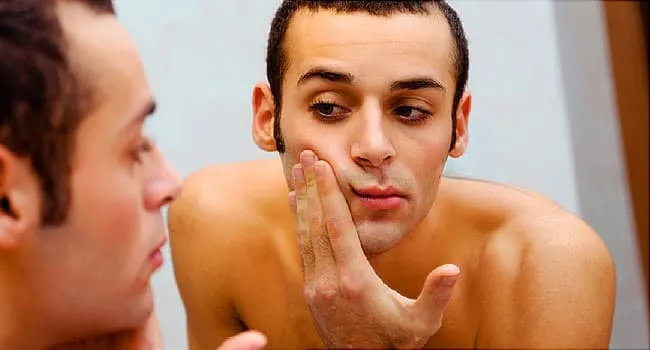
Ingrown hairs are tiny skin dramas with surprisingly big attitudes. One minute your skin feels smooth, and the next, a red bump appears as if it has booked a long-term stay. These bumps can itch, sting, swell, darken, or look suspiciously like acne. The good news? Most ingrown hairs are manageable at home with gentle care, smarter shaving habits, and a little patience. The bad news? Attacking them with fingernails, tweezers, or “just one quick squeeze” usually turns a small problem into a full-blown skin soap opera.
This guide explains how to properly care for ingrown hairs, how to prevent them, when to leave them alone, when to call a healthcare professional, and how to build a skin-friendly hair removal routine that does not make your follicles file a complaint. Whether you get ingrown hairs on your face, neck, legs, underarms, bikini line, chest, scalp, or pubic area, the same basic rule applies: treat the skin gently, reduce inflammation, and stop trapping the hair deeper inside.
What Are Ingrown Hairs?
An ingrown hair happens when a hair grows back into the skin instead of rising up and out of the follicle. Sometimes the hair curls backward after shaving. Sometimes it grows sideways under a layer of dead skin. Sometimes it gets trapped after waxing, tweezing, or friction from tight clothing. The result is often a small raised bump that may be red, pink, brown, skin-colored, itchy, tender, or filled with pus.
Ingrown hairs are especially common in areas where hair is coarse, curly, frequently shaved, or rubbed by clothing. They can appear anywhere hair grows, but the beard area, neck, armpits, legs, bikini line, and pubic region are frequent trouble spots. People with tightly curled or coarse hair may be more likely to experience razor bumps, also called pseudofolliculitis barbae, because curved hairs can more easily re-enter the skin after being cut.
Common Signs of Ingrown Hairs
An ingrown hair may look like a pimple, razor bump, small cyst, or irritated follicle. The most common signs include:
- Small red, pink, brown, or skin-toned bumps
- Itching, tenderness, burning, or soreness
- A visible hair trapped under the skin
- Pus-filled bumps that resemble whiteheads
- Dark marks after the bump heals, especially on deeper skin tones
- Clusters of bumps after shaving, waxing, or tweezing
Not every bump near a hair follicle is an ingrown hair. Folliculitis, acne, cysts, contact dermatitis, fungal infections, and other skin conditions can look similar. If bumps are spreading, very painful, warm, draining pus, or not improving, it is worth getting medical advice rather than guessing your way through the skin-care aisle.
Why Ingrown Hairs Happen
Ingrown hairs often begin with hair removal. Shaving can leave a sharp hair tip that slips back into the skin. Waxing and tweezing pull hair from the follicle, but the new regrowth may struggle to break through the surface. Dead skin cells can block the follicle opening. Tight clothing can rub the area and push hair sideways. Dry skin can make the surface rougher and less welcoming to new hair growth.
Common triggers include shaving too closely, shaving against the direction of hair growth, using a dull razor, pressing too hard, skipping shaving cream, pulling the skin tight while shaving, waxing over irritated skin, wearing tight leggings or collars after hair removal, and over-exfoliating. In other words, ingrown hairs often happen when hair removal becomes a speed run instead of a routine.
How to Properly Care For an Ingrown Hair at Home
1. Stop Shaving, Waxing, or Tweezing the Area
The first step is simple but emotionally difficult: stop poking the bear. If you keep shaving or waxing over the bump, you may create more irritation and push the hair deeper. Give the area time to calm down. For mild ingrown hairs, a few days may help. For frequent razor bumps or pseudofolliculitis barbae, longer breaks from close shaving may be necessary.
2. Apply a Warm Compress
A warm compress can soften the skin and help the trapped hair move closer to the surface. Soak a clean washcloth in warm water, wring it out, and hold it against the bump for 10 to 15 minutes. You can repeat this several times a day. The goal is not to “cook” your skin like a steamed dumpling; the cloth should feel warm and soothing, not hot or painful.
3. Cleanse Gently
Wash the area with a mild, fragrance-free, non-comedogenic cleanser. Avoid harsh scrubs, alcohol-heavy aftershaves, and strong soaps that leave your skin feeling tight or squeaky. Skin is not a dinner plate; it should not squeak when clean. Gentle cleansing reduces sweat, oil, bacteria, and debris without stripping the barrier your skin needs to heal.
4. Do Not Dig, Squeeze, or Pick
This is the part nobody wants to hear, but it matters: do not dig into your skin with needles, dirty tweezers, fingernails, or random bathroom tools. Picking can introduce bacteria, worsen inflammation, cause bleeding, and increase the risk of scarring or dark spots. If a loop of hair is clearly visible at the surface, some people can gently release it with clean tweezers, but do not break the skin or yank the hair out by force. If it does not lift easily, leave it alone.
5. Use Mild Exfoliation Carefully
Exfoliation can help remove dead skin cells that trap hair, but more is not always better. A soft washcloth or a gentle chemical exfoliant with ingredients such as salicylic acid, glycolic acid, or lactic acid may help some people. However, exfoliating inflamed, broken, or freshly shaved skin can sting and worsen irritation. Start slowly, patch test when possible, and avoid stacking strong acids, retinoids, scrubs, and razors all on the same day. Your skin barrier is not a punching bag.
6. Soothe With Moisturizer
After cleansing or using a warm compress, apply a light, fragrance-free moisturizer. Hydrated skin is more flexible, less prone to irritation, and better able to recover. Look for simple formulas with ingredients such as glycerin, ceramides, hyaluronic acid, aloe, or colloidal oatmeal. Avoid heavy, pore-clogging products on areas that are prone to bumps unless you know your skin tolerates them well.
7. Reduce Friction
Friction keeps ingrown hairs angry. If the bump is on your neck, avoid tight collars for a while. If it is on your bikini line or thighs, choose loose, breathable clothing. If it is under your arms, skip rough fabrics and give the area a break from aggressive deodorant formulas if they sting. Let the skin breathe, and it may stop acting like it has been personally offended.
When an Ingrown Hair May Be Infected
An ingrown hair can become infected if bacteria enter the irritated follicle. Watch for increasing pain, swelling, warmth, spreading redness, pus, fever, red streaks, or a bump that grows larger instead of calming down. You should also seek care if you develop a painful cyst, repeated bumps in the same area, scarring, or dark marks that keep getting worse.
A healthcare professional may recommend prescription treatments such as topical antibiotics, oral antibiotics, steroid creams, acne-type medications, or professional removal of a cyst or trapped hair. Do not try to drain a deep bump at home. Bathroom surgery has terrible lighting, questionable tools, and absolutely no refund policy.
How to Prevent Ingrown Hairs Before They Start
Prepare the Skin Before Shaving
Shaving dry skin is one of the fastest ways to irritate follicles. Shave near the end of a warm shower or hold a warm, damp washcloth on the area first. This softens the hair and helps the razor glide. Cleanse the skin, then apply a moisturizing shaving cream or gel. Give the product a moment to sit before shaving. Hair that is hydrated is easier to cut and less likely to snap into a sharp, rebellious point.
Use the Right Razor
A dull razor tugs instead of cutting cleanly. Replace disposable blades regularly, rinse the blade often while shaving, and store razors in a dry place. For some people prone to razor bumps, an electric razor or guarded trimmer is better than a very close blade shave. The smoothest shave is not always the healthiest shave. Leaving hair slightly above the skin can reduce the chance that it curls inward.
Shave in the Direction Hair Grows
Shaving against the grain may feel extra smooth at first, but it can increase irritation and cut the hair too close. Shave in the direction of hair growth using short, light strokes. Do not stretch the skin tight, and do not press hard. Let the razor do the work. If the razor is not doing the work, it is probably dull, clogged, or ready for retirement.
Do Not Shave Over the Same Area Repeatedly
Running the blade over one spot again and again increases irritation. If you missed a patch, reapply shaving cream before touching it up. Repeated dry passes are basically a formal invitation for razor burn, bumps, and regret.
Rinse, Cool, and Moisturize
After shaving, rinse the area with water, apply a cool damp cloth if the skin feels irritated, and finish with a gentle moisturizer or soothing aftershave made for sensitive skin. Avoid alcohol-heavy aftershaves if they burn or dry you out. A little tingle is not proof that a product is working; sometimes it is just your skin yelling in lowercase.
What About Waxing, Tweezing, and Depilatory Creams?
Waxing and tweezing can also cause ingrown hairs because new hair has to grow back through the skin surface. If you wax, avoid doing it over inflamed, sunburned, broken, or irritated skin. Exfoliating gently between waxing sessions may help, but avoid harsh exfoliation immediately after waxing. Give the skin time to settle first.
Depilatory creams dissolve hair at the surface and may reduce bumps for some people, but they can also irritate sensitive skin. Always patch test first, follow timing directions exactly, and never use a depilatory on broken, inflamed, or freshly shaved skin. More minutes does not mean better results; it often means chemical irritation wearing a fake mustache.
Ingrown Hairs on Different Body Areas
Face and Neck
Facial ingrown hairs often appear after shaving, especially around the beard line and neck. Consider using a trimmer, single-blade razor, or electric shaver that does not cut too close. Shave with the grain and avoid pulling the skin tight. If bumps are frequent, a dermatologist can discuss treatments such as topical medications, laser hair reduction, or a medical shaving plan.
Legs
Ingrown hairs on the legs often come from shaving quickly, using dull razors, or shaving without enough lubrication. Warm water, shaving cream, light strokes, and moisturizer can make a major difference. If you wear tight leggings, consider giving your skin a little breathing room after shaving.
Underarms
Underarm skin deals with shaving, sweat, friction, deodorant, and constant movement. That is a lot for one small neighborhood. Use a gentle razor, shave with care, and avoid applying irritating deodorant immediately after shaving if your skin stings. If bumps are painful or recurrent, pause shaving and consider trimming instead.
Bikini Line and Pubic Area
The bikini line and pubic area are especially prone to ingrown hairs because the hair is often coarse and the skin experiences friction from underwear, swimwear, and tight clothing. Use clean tools, avoid shaving too close, do not share razors, and choose breathable fabrics after hair removal. If a bump is deep, very painful, draining, or recurring, get medical advice. Not every painful lump in this area is a simple ingrown hair.
Helpful Ingredients for Ingrown Hair Care
Some over-the-counter ingredients may help reduce clogged follicles and calm irritation. Salicylic acid can help exfoliate inside pores. Glycolic and lactic acids can smooth surface buildup. Benzoyl peroxide may help when bumps resemble acne or folliculitis, but it can bleach fabrics and irritate sensitive skin. Hydrocortisone may reduce short-term itching or redness, but it should not be used long-term without medical guidance. Fragrance-free moisturizers help repair the skin barrier.
Introduce active ingredients slowly. Using salicylic acid, glycolic acid, retinoids, benzoyl peroxide, scrubs, and shaving all at once is not a skin-care routine; it is a tiny chemical orchestra playing too loudly. Start with one change, see how your skin responds, and adjust from there.
Professional Treatments for Frequent Ingrown Hairs
If ingrown hairs keep returning, professional care may help. A dermatologist can confirm whether the bumps are ingrown hairs, folliculitis, acne, cysts, hidradenitis suppurativa, fungal infection, or another condition. Treatment may include prescription exfoliating creams, topical antibiotics, anti-inflammatory medication, or procedures to release trapped hairs safely.
Laser hair reduction can reduce hair growth and may lower the risk of ingrown hairs over time. It is not the same as instant permanent hair removal, and multiple sessions are usually needed. People with darker skin tones should look for a provider experienced in treating richly pigmented skin to reduce the risk of burns or pigmentation changes. Electrolysis may be another option for permanent hair removal in smaller areas, though it can take time and requires a skilled professional.
Mistakes That Make Ingrown Hairs Worse
Some habits almost guarantee a longer healing process. Avoid these common mistakes:
- Picking, squeezing, or digging into bumps
- Shaving over inflamed skin
- Using dull or dirty razors
- Shaving dry skin
- Pressing too hard with the razor
- Wearing tight clothing immediately after hair removal
- Overusing harsh scrubs or strong acids
- Ignoring signs of infection
The fastest way to heal an ingrown hair is often to do less, not more. Gentle care may feel boring, but boring is excellent when your skin is inflamed. Skin loves boring. Skin writes thank-you notes to boring.
A Simple Ingrown Hair Care Routine
Morning Routine
Cleanse gently with a mild wash. Apply a warm compress if the bump is tender. Use a light moisturizer. If the area is exposed to sunlight, apply sunscreen, especially if you are prone to dark marks after inflammation.
Evening Routine
Cleanse again if the area is sweaty or exposed to friction. Apply a warm compress for 10 to 15 minutes. Use a gentle moisturizer. If your skin tolerates it, apply a mild exfoliating product a few nights per week, but avoid using it on broken or very irritated skin.
Hair Removal Days
Soften the hair with warm water. Use shaving cream or gel. Shave with the grain using light pressure. Rinse the blade often. Stop after one or two passes. Rinse the skin, apply a cool cloth, and moisturize. Avoid tight clothing and heavy fragrance afterward.
When to See a Doctor or Dermatologist
See a healthcare professional if an ingrown hair is very painful, swollen, hot, spreading, filled with pus, or accompanied by fever. You should also seek help for recurring ingrown hairs, thick scars, keloids, dark marks that bother you, cyst-like lumps, or bumps that do not improve after home care. Early care can prevent complications and help you find a prevention plan that actually matches your hair type, skin tone, and grooming needs.
Real-Life Experience: What Caring for Ingrown Hairs Actually Feels Like
Anyone who has dealt with ingrown hairs knows they are not just a skin issue; they are a patience test. The first instinct is usually to inspect the bump under bright bathroom lighting, lean closer to the mirror, and begin negotiating with yourself. “I will just check it.” Then “I will just touch it.” Then suddenly you are holding tweezers and making choices your future self will not appreciate.
The most useful lesson from real-life ingrown hair care is that restraint works. For example, imagine someone who gets bumps along the neck after shaving before work. Their old routine is rushed: quick splash of water, two fast passes against the grain, no shaving cream because “water counts,” then a burning aftershave that smells like confidence and poor decisions. By lunch, the neck feels itchy. By evening, red bumps have arrived. The fix is not glamorous, but it works better: shave after a warm shower, use a creamy shaving gel, switch to short strokes with the grain, stop chasing baby-smooth skin, and moisturize afterward. The shave may not feel as close, but the skin looks calmer.
Another common experience happens with the bikini line. Someone shaves the night before a beach day, puts on tight swimwear, walks around in heat, and then wonders why the skin stages a protest. In this case, prevention is everything. Shaving a day or two before the event, using a fresh razor, wearing loose cotton underwear afterward, and avoiding immediate friction can reduce bumps. If irritation appears anyway, warm compresses and a shaving break are better than panic-exfoliating the area into oblivion.
People with coarse or curly hair often learn that “normal” shaving advice does not always work for them. A super-close shave may look neat for a few hours but trigger bumps for days. For these people, trimming can be a skin-saving compromise. It keeps hair tidy without cutting it below the surface. Electric clippers, guarded razors, or professional laser hair reduction may be worth considering when bumps are constant.
There is also the emotional side: ingrown hairs can be embarrassing. They can look like acne, create dark spots, or make someone avoid shorts, swimsuits, close-up photos, or clean-shaven styles. That frustration is real. But it helps to remember that ingrown hairs are common, treatable, and not a sign of poor hygiene. Often, they are simply the result of hair texture, skin buildup, grooming habits, and friction all teaming up like a tiny villain squad.
A practical experience-based tip is to keep an “ingrown hair calm-down kit” ready. It does not need to be fancy. A clean soft washcloth, gentle cleanser, fragrance-free moisturizer, fresh razor or trimmer, and one mild exfoliating product are enough for many people. When a bump appears, the routine is simple: pause hair removal, warm compress, cleanse gently, moisturize, and wait. If it worsens, get help. This approach is less dramatic than picking, but it usually gives better results.
The biggest mindset shift is learning that smooth skin should not require skin punishment. If your routine leaves you burning, itching, bleeding, or covered in bumps, your skin is giving feedback. Listen to it. Adjust the method, change the tool, shave less closely, or explore alternatives. Ingrown hair care is not about perfection; it is about finding the least irritating way to manage hair while keeping your skin comfortable, healthy, and out of chaos mode.
Conclusion
Properly caring for ingrown hairs means being gentle, patient, and consistent. Start by pausing shaving, waxing, or tweezing in the affected area. Use warm compresses to soften the skin, cleanse with mild products, moisturize, and avoid picking or digging. Once the skin improves, prevent future bumps with better hair removal habits: soften hair before shaving, use shaving cream, shave in the direction of hair growth, avoid dull blades, reduce friction, and exfoliate carefully.
Most ingrown hairs improve with home care, but painful, infected, recurring, or cyst-like bumps deserve professional attention. Your skin should not have to fight every grooming session like it is entering a medieval tournament. With the right routine, you can reduce irritation, prevent razor bumps, and keep your skin calmer, smoother, and much less dramatic.