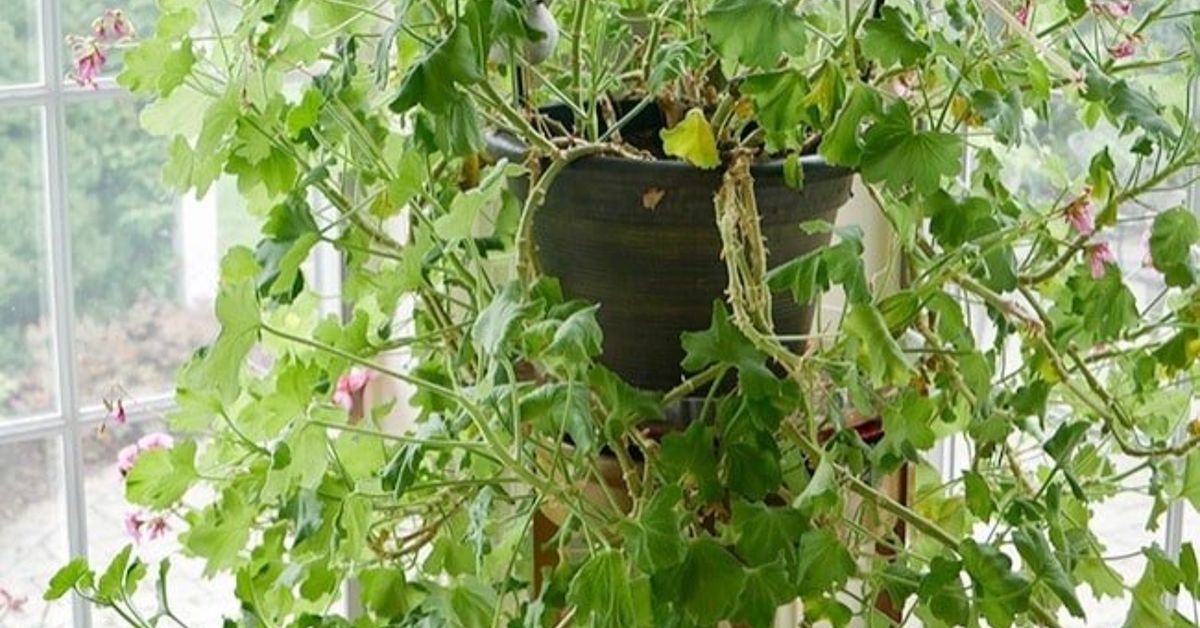
Geraniums are the cheerful overachievers of the container garden. Give them sun, decent drainage, and the occasional drink, and they reward you with bright flower clusters that look like tiny garden fireworks. But leave them alone for too long, especially indoors or in low light, and those once-compact beauties can turn into tall, floppy, awkward plants with long bare stems and flowers waving somewhere in the next ZIP code.
The good news? A leggy, overgrown geranium is not a lost cause. It usually needs pruning, better light, and a little post-haircut care. In fact, pruning geraniums is one of the easiest ways to turn a stretched, tired plant into a fuller, bushier, better-blooming one. Think of it as giving your plant a sensible salon appointment instead of letting it continue its “haunted house chandelier” era.
This guide explains how to prune leggy geraniums, when to cut them back, where to make the cuts, how much growth to remove, and how to help your plant recover afterward. Whether your geranium is growing in a patio pot, window box, hanging basket, or sunny indoor windowsill, the basic idea is the same: remove weak growth, cut above healthy leaf nodes, encourage branching, and keep the plant from wasting energy on old flowers and exhausted stems.
First, Know What Kind of “Geranium” You Have
Most plants sold as geraniums in garden centers are actually Pelargonium, not true hardy geraniums. These include zonal geraniums, ivy geraniums, scented geraniums, and regal geraniums. They are commonly called annual geraniums because gardeners in colder climates often grow them for one season, although they are tender perennials in warm regions.
True hardy geraniums, sometimes called cranesbill geraniums, are different plants. They often grow as garden perennials and may be cut back after flowering or during seasonal cleanup. This article focuses on the classic container and bedding geraniums: the tender Pelargonium types that become leggy indoors, in hanging baskets, and in patio planters.
Why Geraniums Get Leggy and Overgrown
A geranium usually becomes leggy because it is stretching toward light. The spaces between the leaf nodes become longer, the stems look thin, and the plant may bloom only at the ends. Indoor geraniums are especially prone to this problem in winter, when daylight is weaker and homes are warmer than the plant prefers.
Overgrown geraniums can also happen when the plant is never pinched back. Each stem keeps growing upward or outward instead of branching. Eventually, the plant looks like a few long arms holding flowers at the tips, which is dramatic but not exactly the lush, full look most gardeners want.
Other causes include too much fertilizer, too little pruning, crowded pots, old woody stems, inconsistent watering, and lack of deadheading. Geraniums are forgiving plants, but they are not magical. If spent flowers, yellow leaves, and weak stems pile up, the plant spends energy maintaining clutter instead of producing compact new growth.
When Is the Best Time to Prune Leggy Geraniums?
The best time depends on your goal. For shaping and encouraging bushiness during the growing season, prune lightly whenever stems begin to stretch. For a major reset, early spring is ideal because the plant is preparing for active growth. If you overwinter geraniums indoors, late winter or early spring is often the perfect time to cut them back and wake them up.
You can also prune before bringing outdoor geraniums inside for winter. In that case, cutting the plant back by about one-third to one-half makes it easier to manage indoors and reduces the amount of weak growth the plant must support. If the plant is huge, buggy, or wildly uneven, do not be sentimental. A clean cutback is kinder than letting the plant limp through winter like a tired parade float.
Avoid severe pruning during extreme heat, drought stress, or right after transplant shock. A plant that is already struggling needs stabilization first. Water it properly, move it into better light, and wait until it looks hydrated and firm before giving it a serious trim.
Tools You Need for Pruning Geraniums
You do not need a professional greenhouse setup. For most geranium pruning, a few simple tools are enough:
- Clean, sharp pruning shears or small garden snips
- Rubbing alcohol or disinfecting wipes for cleaning blades
- Gloves if your skin is sensitive
- A small trash bag or bucket for old leaves and stems
- Fresh potting mix if the plant also needs repotting
Sharp tools matter because crushed stems heal poorly. Clean tools matter because disease can spread from plant to plant. Wipe your blades before pruning, especially if you are cutting away suspicious, blackened, mushy, or diseased-looking growth.
How To Prune Leggy, Overgrown Geraniums Step by Step
Step 1: Inspect the Plant Before Cutting
Before you start snipping, look closely at the whole geranium. Identify dead leaves, faded flower stalks, weak stems, bare stems, crossing stems, and any growth that is clearly ruining the plant’s shape. Also check for pests such as aphids, whiteflies, or spider mites. Overgrown geraniums can hide tiny troublemakers under leaves and around stem joints.
Do not begin by cutting randomly. Random pruning creates random results, and plants are not abstract art projects. Decide whether you want a light trim, a moderate reshaping, or a hard rejuvenation prune.
Step 2: Remove Dead, Yellow, or Diseased Growth First
Start with the obvious cleanup. Remove yellow leaves, brown leaves, dry flower stalks, broken stems, and anything mushy or suspicious. Cut unhealthy stems back to firm, green tissue. If an entire stem is dead, remove it near the base without damaging healthy stems beside it.
This cleanup immediately improves airflow around the plant. Better airflow helps reduce the damp, crowded conditions that encourage fungal issues. It also lets you see the real structure of the geranium before you make shaping cuts.
Step 3: Deadhead Spent Flowers Correctly
Deadheading is not the same as pruning, but it belongs in the same maintenance routine. When a geranium flower cluster fades, remove the entire flower stalk, not just the sad little petals. Follow the flower stem down to where it joins the main stem and snap or snip it off cleanly.
This keeps the plant tidy and encourages it to direct energy toward more blooms instead of seed production. It also prevents old flower parts from rotting on leaves, which is especially helpful in humid weather. Deadheading is the plant-care equivalent of clearing dirty dishes from the table: not glamorous, but everything looks better afterward.
Step 4: Find the Leaf Nodes
A leaf node is the point on the stem where a leaf grows or once grew. This is the magic spot. When you prune just above a healthy node, the plant can push out new side shoots from that area. That is how you turn long, bare stems into a fuller plant.
Look for small bumps, leaf scars, or active leaves along the stem. Choose a node that faces the direction you want new growth to go. For a balanced plant, cut above outward-facing nodes rather than inward-facing ones whenever possible.
Step 5: Cut Back Long, Leggy Stems
For lightly leggy geraniums, cut back the longest stems by one-third. For seriously overgrown plants, you can remove one-half of the stem length. If you are reviving an overwintered plant with woody, bare growth, prune more firmly, but always leave healthy nodes or green tissue so the plant has a place to regrow.
Make each cut about one-quarter inch above a leaf node. Avoid leaving long stubs because they can dry out, rot, or simply look ugly. A small stub is fine; a giant stub is a plant version of a bad haircut.
Step 6: Shape the Plant Evenly
After shortening the worst stems, step back and look at the plant from all sides. A good pruning job should leave the geranium shorter, cleaner, and more balanced. You do not need to create a perfect dome, but you should remove the wild “octopus arms” that make the plant flop over the pot.
For container geraniums, aim for a compact, open shape. The center should not be so crowded that air cannot move through it. If stems are crossing or rubbing, remove the weaker one. If one side is much taller than the other, shorten it to bring the plant back into proportion.
Step 7: Pinch New Growth for Bushiness
After the main pruning, watch for new shoots. When new stems produce several sets of leaves, pinch out the growing tips. Pinching simply means removing the soft tip of a young stem with your fingers or snips. This encourages the plant to branch instead of racing upward.
Pinching is especially useful for young geraniums and newly revived plants. It may delay a few flowers for a short time, but it usually leads to a fuller plant with more flowering points later. In other words, you trade one early bloom for a better-looking plant that does not need emotional support from a bamboo stake.
How Hard Can You Cut Back a Geranium?
Healthy geraniums can handle a surprisingly firm pruning. Many gardeners cut plants back by one-third to one-half before overwintering them indoors. Bare-root overwintered geraniums are often cut back to firm, live tissue in spring before being potted up again.
That said, do not remove every leaf from a weak plant unless you are dealing with a dormant or bare-root overwintering method. Leaves help the plant photosynthesize and recover. If the geranium is actively growing, try to leave enough foliage for it to keep functioning.
If you are nervous, use the two-stage method. Cut back the worst third of the plant first. Wait two to three weeks for new growth, then prune more if needed. This approach is gentler and gives you a chance to see how vigorous the plant really is.
What To Do After Pruning
Give It Bright Light
Pruning without improving light is like giving someone running shoes and locking them in a closet. The plant needs bright light to produce strong, compact new growth. Outdoors, most geraniums do best with plenty of sun, though they may appreciate afternoon shade in very hot climates. Indoors, place them in the brightest window available or use grow lights if natural light is weak.
Water Carefully
After pruning, water the plant if the soil is dry, but do not drown it. Geraniums dislike soggy roots. Let the top inch of soil dry before watering again. A freshly pruned plant has less foliage, so it may use water more slowly for a while.
Hold Back on Heavy Fertilizer
Wait until you see new growth before feeding heavily. Once the plant begins pushing fresh shoots, use a balanced fertilizer according to label directions. Too much nitrogen can encourage leafy, stretched growth, so do not treat fertilizer like a magic potion. More is not always better; sometimes more is just expensive chaos.
Improve Airflow
Do not crowd pruned geraniums against other plants. Give them enough space for air to move around the leaves and stems. This is especially important indoors, where still air and excess moisture can lead to disease problems.
Can You Root the Cuttings?
Yes. Healthy geranium stem tips can often be rooted as cuttings. Choose firm, disease-free stems, usually around three to four inches long. Remove the lower leaves, keep a few leaves at the top, and insert the cutting into a clean, well-draining rooting medium. Some gardeners use rooting hormone to encourage faster root development.
Cuttings are a smart backup plan if the mother plant is old, woody, or too large to keep. They also let you multiply favorite varieties without buying new plants. It feels a little like getting free plants, which is one of gardening’s most legal and wholesome thrills.
Common Geranium Pruning Mistakes
Only Removing Petals
Pulling off faded petals is not enough. Remove the entire spent flower stalk so the plant stops investing energy in old blooms.
Cutting in the Middle of Nowhere
Always try to cut above a leaf node. Cutting halfway between nodes can leave awkward stubs and reduce the chance of attractive branching.
Pruning Without Enough Light
If a geranium became leggy because of low light, it will become leggy again unless you move it to brighter conditions. Pruning fixes the shape; light fixes the habit.
Overwatering After Cutting Back
A pruned plant needs less water than a full, leafy plant. Keep the soil slightly on the dry side rather than constantly wet.
Ignoring Pests Before Bringing Plants Indoors
If you prune outdoor geraniums before overwintering, inspect them carefully. Bringing pests indoors is a classic gardener mistake. Nobody wants a windowsill full of whiteflies auditioning for a horror movie.
How To Prune Different Types of Geraniums
Zonal Geraniums
Zonal geraniums are the classic upright types with rounded leaves and bold flower clusters. They respond well to pinching and moderate pruning. Cut long stems back above nodes and deadhead regularly for repeat bloom.
Ivy Geraniums
Ivy geraniums trail beautifully from baskets and window boxes, but they can become stringy. Trim overly long trails to encourage side branching. Do not remove every trailing stem at once unless the plant is severely overgrown.
Scented Geraniums
Scented geraniums are often grown for fragrant foliage rather than showy flowers. Pinch and prune them to maintain shape. They can become woody with age, so regular light trimming is better than waiting until they look like tiny shrubs with commitment issues.
Regal Geraniums
Regal geraniums can be a little fussier. Prune after flowering and avoid removing too much growth late in the season if the plant needs time to set buds. Keep cuts clean and focus on shaping rather than constant hard pruning.
Seasonal Pruning Schedule for Geraniums
Spring
Spring is the best time for major rejuvenation. Cut back overwintered geraniums, remove dead material, repot if needed, and begin pinching new growth as it appears.
Summer
Use light pruning and regular deadheading. Remove heat-stressed, stretched, or damaged stems. Avoid severe pruning during heat waves unless the plant is protected and well-watered.
Fall
Before frost, decide whether to compost, overwinter, or take cuttings. If bringing plants indoors, prune them back by about one-third to one-half and inspect carefully for insects and disease.
Winter
Indoor geraniums may stretch because of low light. Pinch lightly if needed, but save major shaping for late winter or early spring when stronger growth is near.
Experience Notes: What Gardeners Learn After Pruning a Few Overgrown Geraniums
The first thing many gardeners learn is that geraniums are tougher than they look. A beginner often stands over the plant with pruners, terrified that one wrong cut will ruin everything. Then the plant responds with fresh green shoots, and suddenly the gardener becomes dangerously confident. The sweet spot is somewhere between fear and reckless topiary ambition.
One practical experience is that the ugliest geraniums often make the most satisfying comebacks. A plant with bare stems, yellow leaves, and two lonely flowers may look ready for the compost pile. But if the stems are still firm and green inside, a hard spring pruning can produce a surprisingly full plant within weeks. The key is patience. Geraniums do not instantly fluff up the next morning. They need light, warmth, and time to activate new buds.
Another useful lesson is that pruning works best when paired with better growing conditions. A leggy indoor geranium placed back in the same dim corner will simply grow another set of long, weak stems. Move it to a brighter window or use supplemental light, and the new growth will be shorter, stronger, and more attractive. The pruning cut starts the process, but light determines whether the recovery looks compact or floppy.
Gardeners also discover that deadheading is not optional if they want nonstop beauty. A geranium covered in faded flower heads looks tired even if the plant is healthy. Removing the whole flower stalk makes the plant look cleaner immediately. More importantly, it keeps the plant focused on producing new blooms. This little habit, done once or twice a week, often makes the difference between a container that looks cared for and one that looks like it has been emotionally abandoned since Memorial Day.
There is also a rhythm to pruning. Light pinching early in the season creates branching before the plant gets awkward. Midseason trimming corrects stems that stretch out of shape. Fall pruning makes overwintering easier. Spring rejuvenation restarts the whole cycle. Once you understand that rhythm, geranium pruning feels less like emergency surgery and more like routine grooming.
Finally, many gardeners learn not to waste healthy cuttings. Those trimmed stem tips can become new plants, especially when taken from vigorous, disease-free growth. Rooting cuttings is not always perfect, but it is simple enough to try. At worst, you gain experience. At best, you get extra geraniums for containers, gifts, or that one empty spot on the porch you swore you were not going to fill with another plant. We both know how that ends.
Conclusion
Pruning leggy, overgrown geraniums is less complicated than it looks. Start by removing dead leaves, spent flower stalks, and weak growth. Then cut long stems just above healthy leaf nodes to encourage branching. For a mild case of legginess, a light trim may be enough. For an old or overwintered plant, a harder cutback can bring it back to a compact, productive shape.
The real secret is consistency. Deadhead regularly, pinch young growth, provide bright light, avoid soggy soil, and do not let stems stretch for months before taking action. Geraniums are generous plants. Give them a clean cut and decent conditions, and they usually respond with fresh leaves, stronger stems, and plenty of colorful blooms. In other words, your geranium does not need drama. It needs pruners, sunshine, and a gardener brave enough to make the first cut.