There is a distinct, deeply satisfying rush that comes from locking into the groove of high-speed beat games, where every single tap transforms into a crisp note of percussion. Whether you are chasing full combos on insanely difficult charts or simply unwinding with your favorite interactive soundtracks, transitioning from an intermediate player to an elite scorer requires more than just raw hand-eye coordination. It demands an intimate understanding of timing windows, input latency, and meticulous physical optimization.
For enthusiasts diving deep into the broader world of rhythm games and immersive music games, bridging the gap between casual play and mastery hinges on perfecting your sync tapping mechanics. In this comprehensive guide, we will break down the essential hardware calibrations, ergonomic playstyles, and advanced reading strategies you need to elevate your gameplay. By fine-tuning your environment and mastering the underlying hit logic, you will eliminate frustrating input delays and finally conquer those seemingly impossible tracks.

1. Optimizing Hardware and Environment for Beat Games
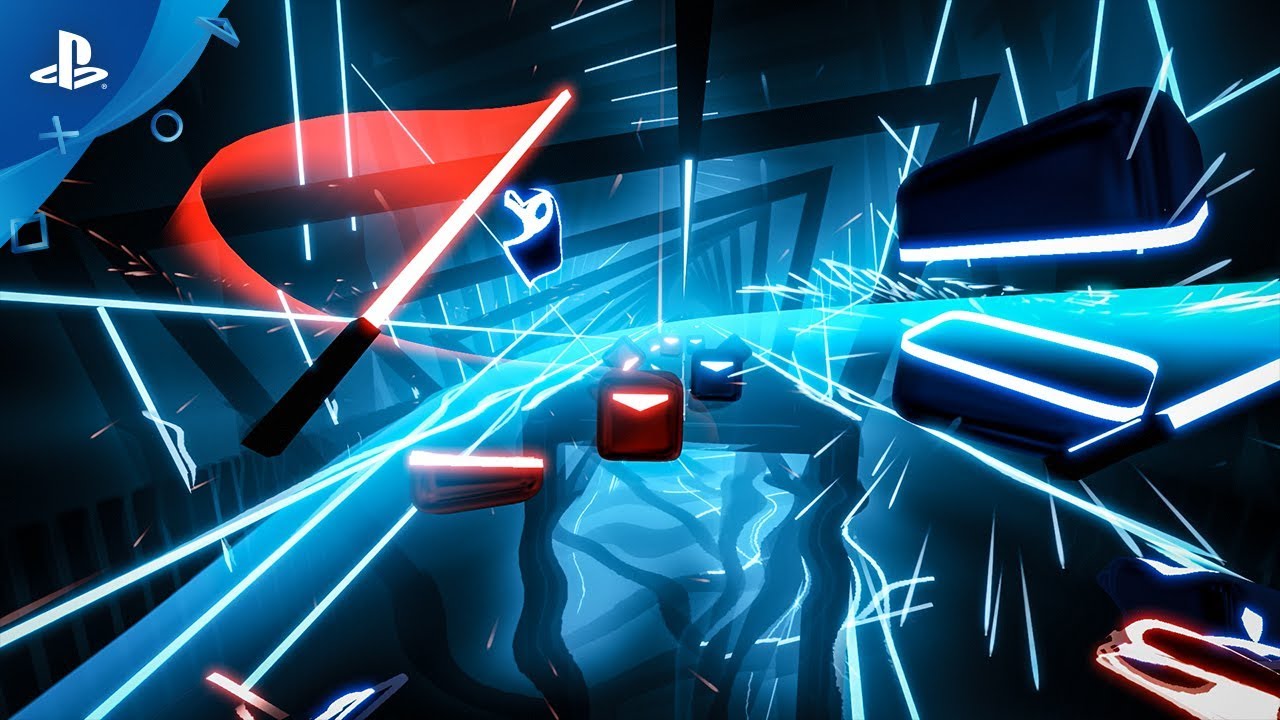
Achieving a high score in modern beat games requires more than just fast reflexes and a good ear for audio. Because these titles rely heavily on microsecond-precise execution, even minor technical bottlenecks can severely hinder your progress. Tuning your setup bridges the gap between your physical movements and the digital canvas.
1.1 Mastering Rhythm Sync Tapping and Calibration
When diving into complex rhythm games, software calibration is your first line of defense against frustrating misses. Without properly dialed-in sync settings, your taps will constantly register as early or late, regardless of your actual timing.
1.1.1 Adjusting Global Offset for Audio and Video Synchronization
Visual elements and soundtracks do not always process at the exact same speed on every display or sound card. Use the in-game calibration utility—often found in titles like Best iPhone Games: Top Picks for 2024—to adjust the global offset. This fine-tunes the delay between when a note crosses the hit zone, when you hear the beat, and when the visual cue triggers.
1.1.2 Testing Touch Latency and Input Sampling Rates
Hardware poll rates dictate how frequently your device registers inputs. On mobile devices, enable high-refresh-rate display modes if available, as a 120Hz screen significantly cuts down touch input latency compared to a standard 60Hz panel, making fast sequences much easier to parse.
1.2 Eliminating Technical Barriers to Performance
Environmental distractions and hardware inefficiencies can quietly ruin an otherwise flawless run. Removing these physical and software hurdles ensures clean, uninterrupted execution.
1.2.1 Why Wired Connections Outperform Bluetooth Headphones
Bluetooth audio introduces a noticeable processing delay—sometimes ranging from 100 to 300 milliseconds. In high-speed music games, this lag is fatal. Always use wired headphones or direct device speakers to ensure your ears receive audio cues the exact instant they happen on screen.
1.2.2 Configuring Device Settings to Disable Distracting Gesture Navigation
Accidentally swiping up to return to your home screen mid-song is a rhythm player’s worst nightmare. Lock your operating system’s navigation gestures or enable guided access/game modes to lock your screen into the application.
1.2.3 Maintaining Screen Hygiene for Optimal Touch Sensitivity
Natural finger oils and smudges create friction that can cause your touchscreen to drop rapid inputs during dense multi-note streams. Keep a microfiber cloth nearby to wipe down your glass surface before every heavy play session.
1.3 Selecting the Best Ergonomic Playstyle
How you hold your controller or position your hands over a screen dictates your physical stamina and ceiling for speed. Finding a comfortable technique prevents strain over long sessions.
1.3.1 Comparing Thumbs versus Index Finger Techniques for Different Genres
Thumb play is ideal for mobile games designed with stationary layouts, allowing for swift horizontal movement. However, transitioning to an index finger setup—resting your device flat on a table—unlocks vastly superior multi-finger coordination for charts with heavy chord streams.
1.3.2 Establishing Proper Posture to Prevent Hand Fatigue and Tension
Clamping your hands or tensing your wrists restricts blood flow, leading to rapid fatigue during endurance tests. Keep your wrists relaxed, elevate your arms slightly to avoid awkward angles, and take short breaks to stretch your fingers between challenging charts.
Advanced Mechanics and Strategies to Dominate Beat Games
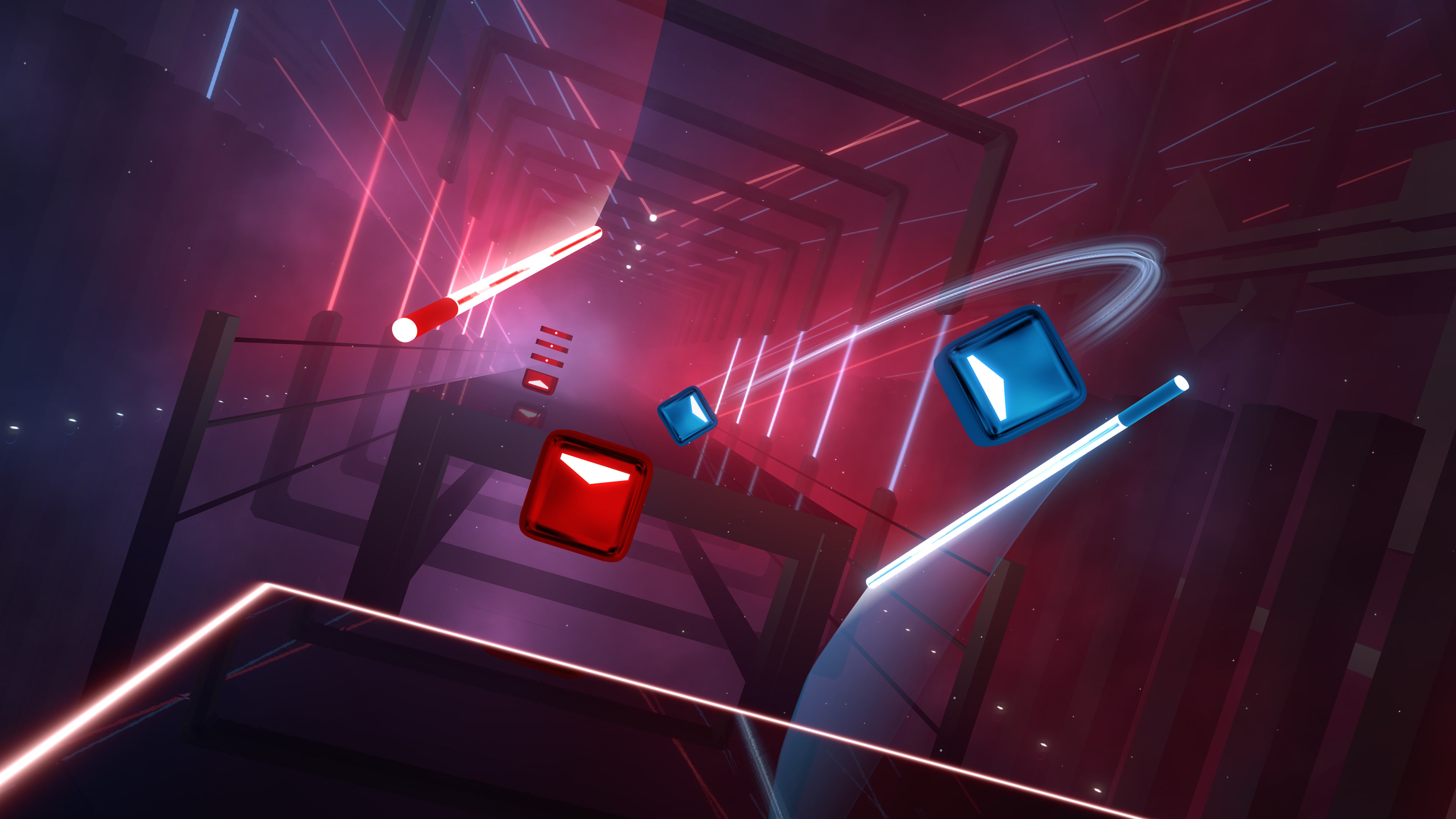
Transitioning from a casual player to an elite competitor requires a deep understanding of advanced mechanics. When you dive into beat games, raw reaction time will only get you so far. True mastery relies on manipulating hit windows, decoding scoring algorithms, and refining how your brain processes complex visual and auditory information.
Decoding Scoring Systems and Hit Windows
Every title in the rhythm games genre utilizes a precise scoring algorithm that rewards split-second accuracy. Understanding how these hit windows operate is the single most effective way to elevate your score from a standard clear to a top-tier leaderboard placement.
Analyzing the Difference Between Perfect and Perfect Plus Ratings
Most modern rhythm titles divide top-tier hits into sub-categories, such as standard “Perfect” and an elite “Perfect Plus” or “Max” rating. While both register as a full combo, only the latter requires hitting the note within an elite millisecond threshold—often under 15 milliseconds of the exact audio beat. Achieving consistency here means treating the visual cue as a secondary guide and anchoring your taps entirely to the underlying transient of the music.
Identifying Patterns to Minimize Early and Late Inputs
Analyzing your post-song accuracy breakdown is vital for diagnosing mechanical errors. If your breakdown skews heavily toward “early,” you are likely anticipating fast note streams and striking before the visual reaches the target zone. Conversely, “late” inputs usually stem from physical fatigue or a minor audio calibration drift. Keep track of these trends across different song tempos to adjust your sync tapping habits dynamically.
Proven Practice Methods for High-Level Play
Grinding through full-length songs blindly is an inefficient way to break through a skill ceiling. Top players utilize targeted practice methodologies to isolate failure points and build clean muscle memory.
Utilizing Practice Modes to Isolate Complex Rhythmic Segments
When faced with a notoriously difficult polyrhythm or hyper-speed bridge, stop playing the track from the beginning. Dive into the game’s practice or training mode to loop that specific ten-second section at 50% speed. Once your fingers memorize the physical pattern without mental panic, gradually increase the speed by 5% increments until you surpass the original tempo.
Strategies for Anticipatory Reading versus Reactive Tapping
As note density increases in advanced music games, waiting to react to each individual note becomes impossible. Expert players shift from reactive tapping to anticipatory reading, processing entire visual clusters as a single rhythmic phrase. By reading ahead and committing chord shapes or stream patterns to short-term memory, your hands can flow effortlessly through complex charts.
Overcoming Plateaus and Maintaining Consistency
Hitting a wall is an inevitable part of progression, often caused by sensory fatigue or poor habit formation. Overcoming these hurdles requires managing your environment and structuring your practice sessions effectively.
Managing Visual Overload from Background Animations
High-energy background videos, flashing lights, and floating particle effects can severely disrupt your peripheral vision and note tracking. To maintain peak focus, look into the game’s settings and lower background brightness, enable lane dimming, or turn off distracting elements entirely. A clean, high-contrast playfield ensures your eyes remain locked exclusively on the incoming note highway.
Balancing Consistent Practice Habits to Improve Muscle Memory
Endurance and motor learning thrive on structured repetition rather than marathon sessions. Playing for hours while exhausted only cements bad timing habits and risks physical strain. Instead, aim for shorter, focused daily sessions where you actively push your boundaries, then step away to let your brain consolidate the physical patterns during rest.
Mastering beat games goes far beyond simple hand-eye coordination; it is a rewarding blend of technical precision, hardware optimization, and dedicated muscle memory development. Whether you are fine-tuning your audio offsets to achieve flawless sync tapping or breaking through a stubborn plateau by isolating complex charts in practice mode, every small adjustment brings you closer to top-tier execution.
Ultimately, success in these immersive rhythm games comes down to consistency, patience, and treating practice with intention rather than repetition. By keeping your hardware latency low, managing visual distractions, and protecting your physical endurance through proper posture, you will steadily watch your scores improve. If you enjoy testing your reflexes and testing your cognitive timing across different styles of interactive entertainment, you might also appreciate exploring the mental sharpness required in Brain Games: Benefits, Logic Puzzles, and Strategy Tips. Step back into your favorite tracks, apply these strategies, and enjoy the journey of chasing those elusive full combos.