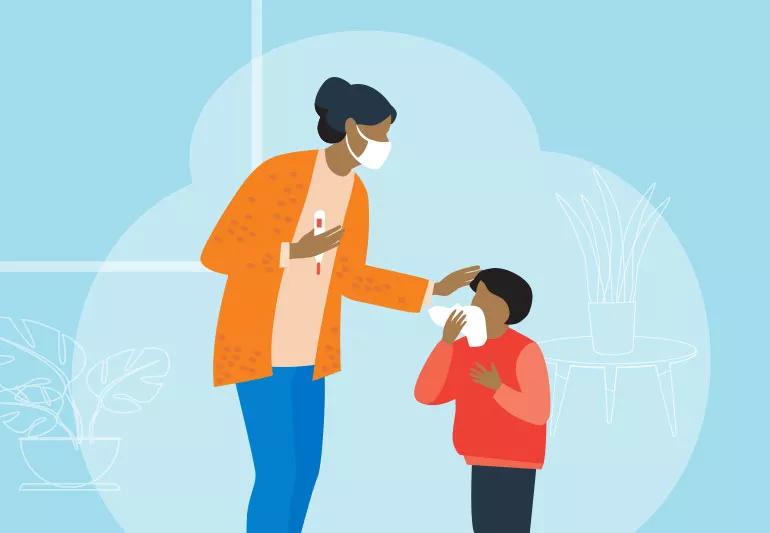
Fever can make calm parents suddenly become amateur meteorologists, pharmacists, and midnight philosophers. One minute your child is building a block tower; the next, you are staring at a thermometer like it just announced breaking news. Is 102°F dangerous? Should you wake them for medicine? Does a fever mean antibiotics? And why does every grandparent, neighbor, and online forum have a different “guaranteed” trick?
Here is the comforting truth: in most children, fever is not the villain. Fever is usually a sign that the immune system is responding to an infection. It deserves attention, but not panic. The goal is not to “defeat” every fever like a video-game boss. The goal is to watch your child, keep them comfortable, prevent dehydration, and know when medical care is needed.
This guide debunks five common fever myths so parents can trade fear for facts, and maybe get through the night with slightly fewer thermometer checks.
First, What Counts as a Fever in Children?
A fever is generally a body temperature of 100.4°F or higher, especially when measured rectally in babies and young children. Temperature can vary depending on the thermometer type and where you measure it: rectal, oral, ear, forehead, or underarm. Rectal readings are often considered most accurate for infants, while oral or forehead thermometers may be practical for older children.
But numbers need context. A child with 101°F who is limp, breathing hard, and refusing fluids is more concerning than a child with 102.5°F who is drinking, making eye contact, and asking whether cookies count as dinner. Fever is one piece of the puzzle, not the whole mystery novel.
Myth 1: “All Fevers Are Dangerous”
The truth: Most fevers help the body fight infection.
Fever is part of the immune response. When viruses or bacteria show up uninvited, the body may raise its temperature to create a less friendly environment for germs. That does not mean every fever is harmless, but it does mean fever is usually a symptom, not a disease by itself.
Many common childhood illnesses cause fever: colds, flu, ear infections, roseola, strep throat, urinary tract infections, and reactions after some vaccines. A mild or moderate fever in an otherwise alert child often can be managed at home with fluids, rest, light clothing, and comfort measures.
Parents often ask, “How high is too high?” A high number can be alarming, but pediatric guidance repeatedly emphasizes the same idea: treat the child, not just the thermometer. Look at behavior, breathing, hydration, pain, rash, neck stiffness, alertness, and whether your child improves when the fever comes down.
That said, age matters. A fever in a baby under 3 months old should always be taken seriously. Babies this young can have serious infections without many obvious symptoms, so a rectal temperature of 100.4°F or higher requires prompt medical advice.
Myth 2: “A High Fever Will Cause Brain Damage”
The truth: Infection-related fevers almost never rise high enough to damage the brain.
This myth is one of the biggest reasons parents fear fever. The idea sounds terrifying: the number climbs, the brain overheats, disaster follows. Fortunately, typical fevers from common infections do not work that way.
The body has internal temperature controls. With ordinary viral and bacterial illnesses, fever usually stays within a range the body can tolerate. Brain damage from temperature is associated with extreme overheating, such as heatstroke or being trapped in a hot car, not the usual fever from a cold or flu.
So if your child has 103°F and looks miserable, yes, they need comfort and monitoring. But the number itself does not mean the brain is cooking like a forgotten pancake. The more important questions are: Can your child wake and respond? Are they breathing normally? Are they drinking? Do they have a stiff neck, purple rash, severe headache, confusion, or signs of dehydration?
Fever medicine may help your child feel better, but it is not a magic shield against brain damage. It is mainly for comfort. If your child is sleeping peacefully, breathing normally, and staying hydrated, you usually do not need to wage war against every decimal point.
Myth 3: “You Must Break the Fever Immediately”
The truth: The goal is comfort, not a perfect temperature.
Parents often use the phrase “break the fever,” as if the fever is a wild horse that must be wrestled into submission by sunrise. In reality, fever often rises and falls naturally during an illness. It may go down after acetaminophen or ibuprofen, then return when the medicine wears off. That does not automatically mean the illness is worsening.
Fever reducers such as acetaminophen and ibuprofen can reduce temperature and relieve aches. They should be dosed carefully based on your child’s weight and age. Acetaminophen is commonly used in children, while ibuprofen is generally not recommended for babies under 6 months unless a healthcare professional advises it. Aspirin should not be given to children or teenagers for fever because of its link to Reye’s syndrome, a rare but serious condition.
Do not wake a comfortably sleeping child just to give fever medicine unless your doctor has given specific instructions. Sleep is not laziness; it is immune-system housekeeping. If your child is resting, breathing comfortably, and not showing warning signs, let them sleep.
Also, avoid old-school cooling methods that can backfire. Rubbing alcohol baths are unsafe because alcohol can be absorbed through the skin or inhaled. Ice baths and very cold water can trigger shivering, which may make the body produce more heat. If you use bathing for comfort, lukewarm water is the safer approach, but medicine and fluids are usually more helpful than turning the bathroom into a tiny weather experiment.
Myth 4: “If the Fever Is High, the Cause Must Be Serious”
The truth: Fever height alone does not reliably predict illness severity.
A child can have a high fever from a routine viral infection and a lower fever from something that needs medical attention. The thermometer is useful, but it is not a crystal ball. A 104°F fever can happen with the flu, roseola, or another viral illness. Meanwhile, a child with a lower temperature but severe dehydration, breathing trouble, or unusual sleepiness may need urgent care.
Instead of judging only by the number, watch the whole child. Warning signs include trouble breathing, bluish lips, persistent vomiting, severe headache, stiff neck, confusion, extreme irritability, difficulty waking, signs of dehydration, a rash that does not fade when pressed, or a fever with a seizure. Also call your child’s healthcare provider if fever lasts several days, returns after improving, or occurs in a child with immune problems or chronic medical conditions.
For babies, the threshold is lower. A baby under 3 months with a fever needs prompt medical guidance. A child between 3 and 12 months may also need evaluation depending on temperature, symptoms, and behavior. When in doubt, call. Pediatric offices would rather answer a cautious question than have parents sit at home worrying through twelve browser tabs and a cold cup of coffee.
Myth 5: “Fever Always Causes Febrile Seizures”
The truth: Febrile seizures are frightening, but most children never have one.
Few things scare parents more than seeing a child have a seizure. Febrile seizures can happen in some young children, usually between 6 months and 5 years old. They are often linked to a rapid rise in temperature rather than a specific “too high” number.
Most children with fever do not have seizures. When febrile seizures do happen, simple febrile seizures are usually brief and do not cause brain damage, paralysis, intellectual disability, or epilepsy. That said, any first seizure should be discussed with a healthcare professional, and emergency help is needed if a seizure lasts more than five minutes, breathing is difficult, the child turns blue, the child is injured, or the seizure has unusual features.
During a seizure, place your child on their side on a safe surface, move hard objects away, and do not put anything in their mouth. Do not try to hold them down. Time the seizure if possible. It will feel like the longest minutes of your life, but timing helps doctors understand what happened.
Fever medicine may make a child more comfortable, but it does not reliably prevent febrile seizures. That is another reason parents should focus on overall care rather than chasing a thermometer number every ten minutes.
What Parents Should Do When a Child Has a Fever
1. Offer fluids often
Hydration is one of the most important parts of fever care. Children lose fluids through sweating, faster breathing, vomiting, or diarrhea. Offer small, frequent sips of water, breast milk, formula, oral rehydration solution, soup, or diluted juice depending on age and medical advice. Do not worry if your child eats less for a day or two. Fluids matter more than finishing a plate of pasta.
2. Dress your child lightly
Over-bundling can trap heat. A single light layer is usually enough. If your child has chills, a light blanket is fine, but remove extra layers once the chills pass. The goal is comfort, not creating a blanket burrito with a feverish filling.
3. Use fever medicine safely
Use acetaminophen or ibuprofen only according to the label or your child’s doctor’s instructions. Dose by weight when possible. Use the measuring device that comes with the medicine, not a kitchen spoon. Avoid giving multiple medicines that contain acetaminophen at the same time, because accidental overdose can happen when cough, cold, and fever products overlap.
4. Let your child rest
Rest helps recovery. A feverish child does not need strict bed rest if they feel like sitting up, reading, or watching a calm show. But this is not the day for soccer practice, birthday-party gymnastics, or a dramatic living-room obstacle course.
5. Know when to call a doctor
Call a healthcare provider promptly for fever in babies under 3 months, fever lasting more than a few days, repeated fevers above 104°F, signs of dehydration, trouble breathing, stiff neck, persistent vomiting, unusual drowsiness, severe pain, or a rash that worries you. Trust your instincts. Parents often notice subtle changes before anyone else does.
Common Fever Mistakes to Avoid
Do not use rubbing alcohol. It can be toxic if swallowed, inhaled, or absorbed through the skin. The old “alcohol rub” remedy belongs in the same museum as mercury thermometers and parenting advice that starts with “back in my day.”
Do not give aspirin to children for fever. Aspirin has been linked to Reye’s syndrome, especially during viral illnesses such as flu or chickenpox.
Do not panic if the fever returns. Fever reducers wear off. The return of fever does not automatically mean the medicine failed or the illness became dangerous.
Do not focus only on food. Appetite often drops during illness. Encourage fluids first. Normal eating usually returns when the child feels better.
Do not ignore behavior. A playful child with fever may be less concerning than a feverish child who is listless, confused, struggling to breathe, or unable to keep fluids down.
Real-Life Parent Experiences: What Fever Nights Teach You
Every parent has a fever story. It usually begins with one hand on a child’s forehead and the other hand frantically searching for the thermometer that was definitely in the drawer yesterday. Fever has a special talent for arriving at inconvenient times: 2:14 a.m., during a holiday weekend, or exactly after you told another parent, “We’ve been pretty healthy lately.”
One common experience is the “thermometer spiral.” You check the temperature, then check again five minutes later, then wonder if the left ear is more honest than the right ear. Soon, you are comparing readings like a scientist with sleep deprivation. The lesson? Pick a reliable thermometer, use it correctly, write down the temperature and time, then step back and look at your child. Are they drinking? Are they responsive? Are they breathing comfortably? The child gives more useful information than repeated measurements.
Another familiar moment is the medicine math challenge. At midnight, even simple dosing instructions can look like advanced calculus. This is why it helps to keep a written fever plan before illness hits: your child’s current weight, the correct dose, the time medicine was given, and the next time it can be used. A small notebook or phone note can prevent double dosing and reduce the “Did I give that at 9 or 10?” panic.
Parents also learn that fever changes personality. Some children become sleepy koalas. Others become dramatic poets of discomfort. Some insist they are “totally fine” while radiating heat like a small toaster. The best response is calm observation. Comfort them, offer fluids, keep the room comfortable, and avoid turning every symptom into a catastrophe.
Food battles are another classic. A feverish child may reject dinner with the seriousness of a restaurant critic. That is usually okay for a short time. Offer easy foods if they want them: applesauce, toast, soup, yogurt, bananas, or crackers. But fluids are the priority. Popsicles can be a useful peace treaty when water is refused.
Perhaps the biggest lesson is emotional: fever feels scarier when parents feel powerless. Having a plan restores control. Know which symptoms require a call. Keep fever medicine, a thermometer, and your pediatrician’s number available. Avoid unsafe remedies. Remind yourself that most childhood fevers pass with time, care, and hydration.
And yes, you may still check your child’s forehead one more time before sleeping. That is not medical science; that is parenting. Just remember: your calm presence is part of the treatment plan too.
Conclusion: Fever Facts Beat Fever Fear
When your child has a fever, the thermometer can feel like it is shouting. But fever is usually the body’s response to illness, not the enemy itself. Most fevers do not cause brain damage, do not require instant medication, and do not automatically mean something serious is happening. The safest approach is to watch your child’s overall condition, encourage fluids, use medication carefully when needed, avoid unsafe remedies, and call a healthcare provider when warning signs appear.
Parenting through fever is never fun, but facts make it less frightening. Keep your child comfortable, keep your notes simple, and keep the rubbing alcohol far away from fever care. The goal is not a perfect number. The goal is a child who is safe, hydrated, comforted, and getting the right help when needed.
SEO Tags
Note
This article is for general educational purposes and should not replace medical advice from your child’s pediatrician or healthcare provider. Seek urgent medical care for a baby under 3 months with a fever of 100.4°F or higher, breathing trouble, severe dehydration, seizure, unusual drowsiness, stiff neck, concerning rash, or any symptom that makes you feel something is seriously wrong.