Fall gardening has a funny way of turning otherwise rational people into two camps: the “cut it all down now” crowd and the “absolutely touch nothing until spring” crowd. The truth, as usual, is messier than both extremes. Some perennials really do benefit from staying upright through winter, where their seed heads feed birds, their hollow stems shelter helpful insects, and their dried silhouettes make the garden look like it knows what it’s doing. But other perennials? They are basically waving a soggy little white flag by October and asking for a haircut.
If you’ve ever assumed every perennial should be left standing for winter interest, you’re not alone. Plenty of gardeners are surprised to learn that some of the most common garden favorites, including irises, Shasta daisies, peonies, bee balm, garden phlox, hostas, and daylilies, are often better candidates for a fall cutback. In many cases, the reason is simple: disease prevention, pest control, and plain old garden hygiene. Translation: less fungal drama, fewer slimy surprises, and a cleaner start next spring.
This guide breaks down which perennials you should cut back in fall, why timing matters, and how to do the job without turning your flower bed into a buzz cut gone wrong. Because yes, your garden deserves nuance. It also deserves not to spend winter marinating in mildew.
Why Some Perennials Should Be Cut Back in Fall
Not every perennial benefits from a fall trim, but the ones that do usually fall into one of three categories. First, there are plants with foliage that collapses into mush after frost. Once that happens, the leaves stop looking charmingly rustic and start looking like a salad someone left in the trunk for three days. Hostas and daylilies are classic examples. Cleaning them up in fall can reduce hiding places for pests and save you from spring cleanup that feels a little too archaeological.
Second, some perennials are magnets for fungal diseases, especially powdery mildew and leaf spot. Bee balm, garden phlox, peonies, and irises often end the season with foliage that is more problem than beauty. Leaving infected stems and leaves in place can give diseases a place to overwinter, which means next year’s trouble is already camping out in your garden bed before winter is even over.
Third, certain perennials simply do not offer much winter interest or wildlife value once their foliage dies back. In those cases, cutting them back in fall is less about survival and more about efficiency. It makes spring easier, improves airflow around the crown, and keeps beds looking intentional instead of abandoned.
The key is this: healthy stems with sturdy seed heads can often stay; diseased, collapsing, or pest-prone foliage usually should go. That little distinction is what separates smart fall cleanup from a blanket garden buzzcut.
Perennials You Should Seriously Consider Cutting Back in Fall
Irises
Irises are one of the most overlooked fall cutback candidates. During bloom season, they look elegant and architectural. By fall, especially if leaf spot has been an issue, they can look like green swords that lost the war. This is one perennial where fall cleanup is often more than cosmetic. Trimming iris foliage helps reduce overwintering disease problems and gives you a chance to inspect the rhizomes for crowding, rot, or weak growth.
For many iris types, especially bearded iris, cutting foliage down to about 6 inches in early fall is a common recommendation. This keeps the bed tidy and reduces diseased material that could carry trouble into next spring. If clumps are crowded, fall is also a smart time to divide and replant the healthiest rhizomes. Just do not bury them too deeply when you replant. Irises hate that. Quietly, stubbornly, and with fewer flowers next year.
If your irises had any sign of leaf spot, treat cleanup like a sanitation project, not a compost contribution. Remove affected leaves and discard them rather than leaving them piled around the bed like a fungal scrapbook.
Shasta Daisies
Shasta daisies have such a cheerful reputation that gardeners often forget they can be a little scruffy by fall. After blooming, the plants may look tired, sparse, or floppy, and in wetter climates the leftover growth can contribute to a messy crown going into winter. They are not the stars of the winter garden, and they usually don’t gain much from being left fully intact until spring.
A fall cutback helps refresh the plant, improves airflow, and tidies the bed before cold weather settles in. It can also pair nicely with dividing older clumps if the center has started to thin out or flowering has slowed down. Because Shasta daisies prefer good drainage, cutting them back and clearing debris around the crown can be especially helpful in regions with wet winters.
This is one of those plants that often gets left standing by accident rather than by strategy. Give it a clean trim, remove dead stems, and let the plant head into winter without a shaggy halo of exhausted foliage.
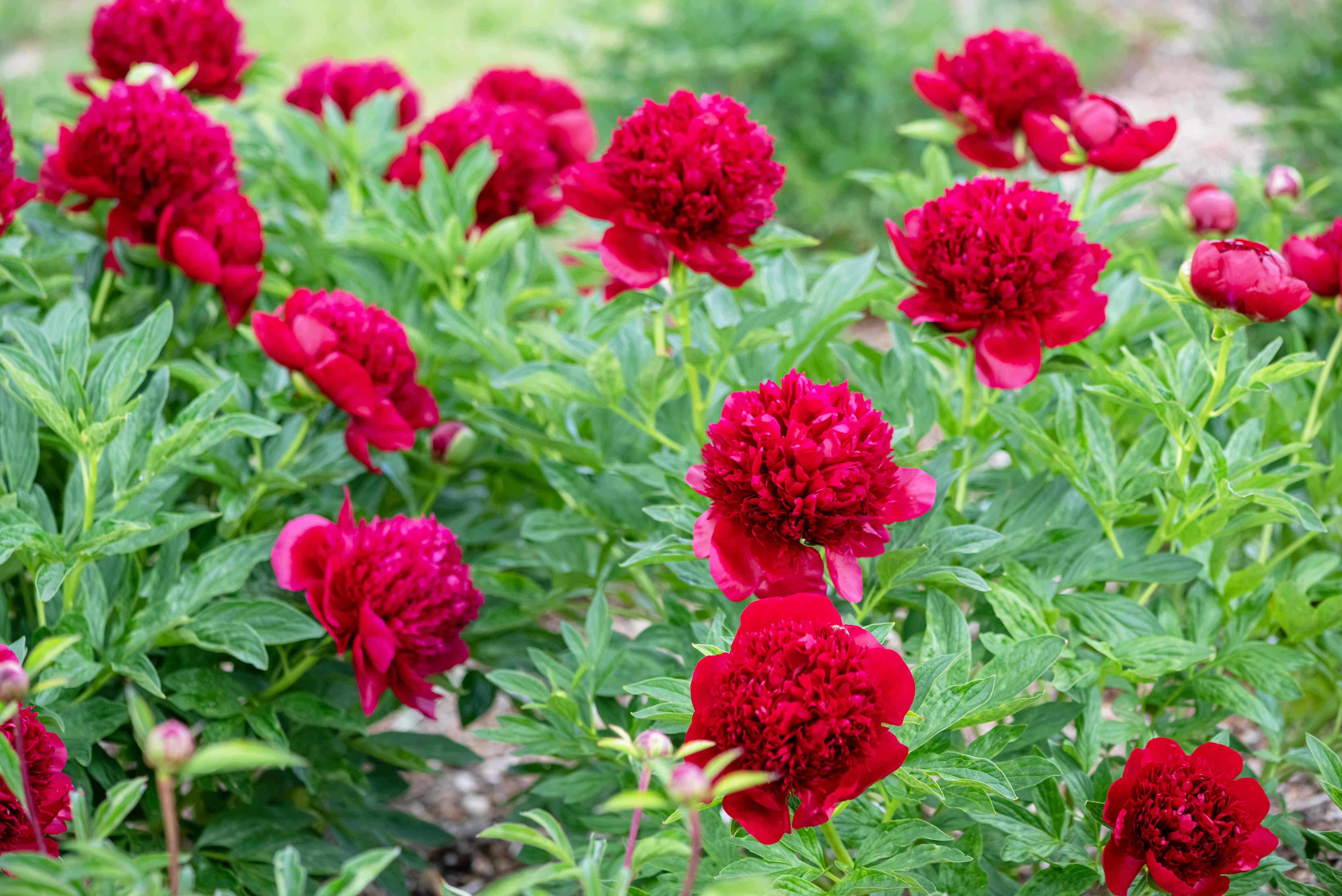
Peonies
Peonies may be the queens of spring, but by late fall their foliage can become a liability. If you have ever noticed peony leaves looking blotchy, spotted, or generally offended by life after summer, you already know the issue. Peony foliage is prone to disease, and infected leaves are not something you want lounging around all winter.
The trick is timing. Do not cut peonies back too early while the foliage is still feeding the roots. Wait until a hard freeze has blackened or killed the top growth, then cut stems near ground level. That timing matters because peonies are storing energy for next year’s blooms well into fall. Cutting too soon can reduce flowering later, which is a terrible trade if you ask me. Nobody wants fewer peonies because they got overexcited with pruners in September.
Once cut back, remove and discard the debris, especially if the plant had foliar disease. A neat peony bed in late fall is not just satisfying to look at; it is one of the simplest ways to reduce disease pressure the following spring.
Bee Balm
Bee balm is beloved by pollinators and, unfortunately, by powdery mildew. By the end of summer, even vigorous plants can look like they lost a flour fight. When that happens, fall cleanup becomes less optional and more common sense. Diseased stems and leaves should be cut back after frost and removed from the garden rather than composted in a casual backyard pile.
This is one of the clearest examples of why the “leave everything standing for wildlife” advice needs a footnote. Yes, wildlife matters. So does not rolling powdery mildew into next year like it’s a subscription service. If bee balm was healthy and attractive, some gardeners may leave portions standing, but in many gardens it ends the season looking rough enough that fall cleanup is the better move.
While you’re at it, note whether the clump has become crowded. Bee balm performs better with airflow and room to breathe, which is also helpful for reducing future mildew problems.
Garden Phlox
Garden phlox is another perennial that often earns a fall cutback because of disease pressure. Powdery mildew is the main culprit, and once the lower leaves start looking tired or infected, there is not much winter beauty left to preserve. If mildew was present, removing the spent stems in fall helps reduce the amount of infected debris hanging around for next year.
Phlox is also a good reminder that healthy gardening is often about observation, not rigid rules. A vigorous, clean plant in one garden may be treated differently than a mildew-covered clump in another. Still, as a general rule, phlox is one of those perennials that deserves a hard look in autumn. If it looks tired, diseased, or defeated, go ahead and cut it back after frost.
Daylilies
Daylilies are famously tough, but their fall foliage can become a floppy, brown tangle that shelters pests and makes spring cleanup annoyingly sticky. In gardens where slugs or other pests are an issue, cutting daylily foliage to the ground in fall can be especially worthwhile. It removes hiding places and leaves the crown cleaner heading into winter.
Daylilies also divide well, and crowded clumps may benefit from being split and replanted at the right time for your region. But even if you are not dividing them, trimming away collapsed foliage keeps the bed cleaner and makes the whole space look more intentional.
Hostas
Hostas are wonderful all season and then, after frost, suddenly look like green pudding. There is no polite way to say it. Once a freeze knocks them down, the leaves quickly turn slick and limp, and they can harbor pests in the crown and petiole area. This is why hostas are often recommended for fall cleanup rather than spring procrastination.
Cut the foliage back after it is damaged by frost, remove the debris, and call it a victory. You will thank yourself in spring when you are not peeling fermented hosta leaves off the bed like wet wallpaper.
A Few More Perennials That Often Make the Fall Cutback List
Depending on your garden and climate, other healthy-but-not-particularly-decorative perennials can also be cut back in fall. Astilbe, yarrow, lungwort, and similar plants are frequently treated this way because they do not offer much winter structure and their spent foliage can simply get in the way. As always, disease changes the equation. If a plant had obvious mildew, leaf spot, blight, or other issues, fall cleanup becomes more important.
How to Cut Back Perennials in Fall Without Overdoing It
First, wait for the right moment. In most cases, cut back after a hard frost or freeze has damaged the top growth. That way the plant has had time to move energy into the roots and crown. Jumping in too early can rob some perennials of that final recharge period.
Second, use clean tools. This sounds boring until you realize how easy it is to move disease from one clump to the next with dirty pruners. Wipe blades between diseased plants, especially when working with irises or anything with obvious fungal problems.
Third, match the cut to the plant. Some perennials are cut nearly to the ground, while iris foliage is often left at around 6 inches. The goal is not one universal height; the goal is removing problematic, dead, or collapsing growth while protecting the crown.
Fourth, be picky about what goes to compost. Healthy, clean material may be compostable. Diseased foliage is better discarded unless you maintain a truly hot compost system that reliably kills pathogens. Most backyard piles are more “well-meaning leaf spa” than disease-destroying furnace.
Finally, consider mulch after cleanup if your climate calls for it, especially after dividing or transplanting. A light winter mulch can help moderate freeze-thaw cycles, but do not smother crowns under a soggy blanket of organic enthusiasm.
What You Should Probably Leave Standing Until Spring
This article is about what to cut back, but a smart gardener also knows what to leave alone. Many perennials with strong stems and seed heads are better left standing through winter. Coneflowers, black-eyed Susans, sedum, and ornamental grasses often provide food for birds, shelter for beneficial insects, and genuine winter beauty. Some semi-evergreen or marginally hardy perennials also benefit from being left in place because the top growth helps trap insulating leaves and snow around the crown.
That contrast is important. The point is not to strip the garden bare. The point is to remove the perennials that become disease reservoirs, pest hotels, or cold-weather mush while preserving the ones that still contribute structure, habitat, or protection.
If you remember only one rule, make it this: cut back perennials that are diseased, collapsing, or useless in winter; leave standing the ones that are sturdy, seed-bearing, or protective. That one sentence will save you a lot of bad fall gardening decisions.
What Fall Cutback Looks Like in Real Life: Garden Experience, Trial, Error, and a Little Humility
If you have gardened for more than one season, you have probably learned that fall cleanup always sounds simpler on paper than it feels in the yard. In real life, it usually begins with confidence. You step outside with gloves, pruners, and a vague sense that you are about to become the kind of person who “puts the garden to bed” in a deeply competent way. Twenty minutes later, you are staring at a wheelbarrow full of hosta leaves that feel like cold lasagna and wondering why nature made decomposition so personal.
One of the biggest lessons many gardeners learn is that not all messy plants are equal. The first year you leave everything standing, it can feel delightfully ecological and a little rebellious. Then spring arrives, and the peonies come up through spotted old foliage, the phlox still has mildew-riddled stems tangled at the base, and the iris patch looks like it spent winter writing disease memoirs. That is usually the moment the lightbulb goes on. Wildlife-friendly gardening is wonderful, but so is knowing which plants are actively plotting against next year’s success.
Irises are often the first real teacher. They look tough, so people assume they can handle neglect. In truth, they reward a little fall discipline. Once gardeners start trimming the leaves, cleaning out bad foliage, and dividing crowded rhizomes on schedule, the patch tends to bloom better and look much healthier. The same goes for peonies. Many gardeners only begin cutting them back properly after one season of leaf blotch or botrytis turns those beautiful plants into a cautionary tale. After that, the fall routine becomes less of a chore and more of a promise to spring.
Shasta daisies offer a different kind of lesson. They are cheerful enough in bloom that you forgive them almost anything, right up until October, when they can look leggy, tired, and vaguely offended by rain. Cutting them back in fall often feels like restoring order rather than taking something away. The bed immediately looks cleaner, and the plant heads into winter with less clutter around the crown. It is a small task, but it creates the satisfying illusion that you truly have your life together.
Bee balm and phlox teach the hardest lesson of all: sentimentality should not win against mildew. There is always a temptation to leave them standing because pollinators loved them in summer and because cutting everything down can feel severe. But when a plant is coated in powdery mildew, leaving it there is rarely a noble act. It is mostly an invitation. Gardeners who have dealt with recurring mildew year after year usually become very calm, very efficient fall cleaners. They are not being harsh. They are being experienced.
Then there are hostas and daylilies, the great equalizers of fall cleanup. Nobody starts the season thinking these will become the grossest job in the garden, and yet here we are. By the time frost flattens them, most gardeners discover that cleaning them up in fall is a gift to their future self. It is hard to overstate the emotional benefit of not dealing with mushy hosta collapse in April. Spring you deserves that mercy.
Perhaps the best experience-based takeaway is that fall cleanup becomes easier once you stop treating the whole garden as one category. A smarter approach is to walk the beds and make decisions plant by plant. Is it diseased? Cut it back. Is it mushy? Cut it back. Is it beautiful in winter, useful to birds, or protective to the crown? Leave it. That is the kind of practical garden wisdom that usually arrives after a few mistakes, a few fungal outbreaks, and at least one conversation where you say, “I thought leaving it would be fine,” while staring at evidence to the contrary.
In the end, the real gardening experience is less about perfection and more about pattern recognition. Every fall gives you clues. Every spring grades your choices. And every year you get a little better at telling the difference between a perennial that wants to stand proudly through winter and one that is begging for a dignified seasonal exit.
Conclusion
If you have been treating all perennials the same in fall, this is your sign to retire that strategy. Irises, Shasta daisies, peonies, bee balm, garden phlox, daylilies, and hostas are some of the most common perennials that often benefit from a fall cutback, especially when disease, pests, or soggy collapsing foliage enter the picture. Cleaning them up at the right time can reduce next year’s problems, make spring easier, and help your garden look cared for instead of merely survived.
The best fall garden cleanup is not extreme. It is selective. Leave the sturdy seed heads. Remove the disease magnets. Trim the mush-makers. And remember: sometimes the most loving thing you can do for a perennial is to stop pretending it looks charming in November.
Note: Clean HTML only for web publishing. No contentReference or oaicite artifacts included.