Every neighborhood has its quirks. Some have the house that goes all-in on inflatable holiday decor.
Some have the guy who power-washes his driveway like it’s an Olympic sport. And some have that one
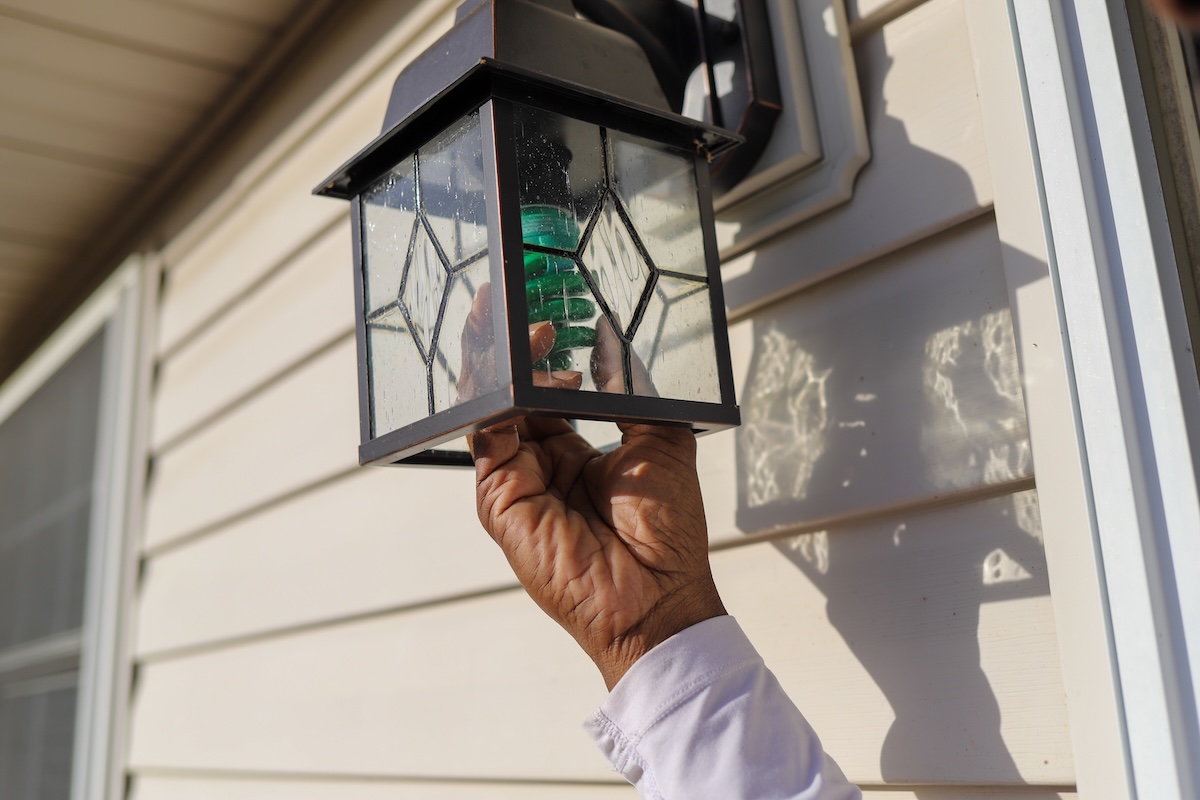
porch light glowing bright greenlike the home is auditioning for a role in a sci-fi movie.
Here’s the truth: most of the time, a green porch light is a simple, visible way to show support for U.S. military veterans.
But (because humans are wonderfully creative) a green light can also mean other things depending on
the time of year, where you live, and what your community cares about.
Let’s break down the most common meaning, the bigger movements behind it, and the “it depends” situationsso you can
understand what you’re seeing (or decide whether you want to join the green-glow club yourself).
The most common meaning: Support for veterans
In the U.S., the green porch light is most widely associated with a national show-of-support idea often called
“Greenlight A Vet”. The concept is straightforward: switch one visible lightoften a porch lightto green to
signal gratitude, recognition, and community support for veterans.
The “why” is the whole point. Many veterans blend back into everyday life so completely that, without uniforms or military context,
their service can be easy to miss. The green light is meant to be a gentle reminder: you’re seen, you’re appreciated, and you belong here.
No speeches required. No marching band necessary. Just a bulb.
Why green?
Green was chosen because it’s commonly tied to ideas like hope, renewal, well-being, and forward movement.
And “greenlight” is also a familiar phrase for “go ahead” or “move forward,” which fits the campaign’s message of helping veterans
transition and thrive in civilian communities.
When you’ll notice it most
You might see more green porch lights around Veterans Day (November 11) and sometimes Memorial Day,
because those are moments when communities are already thinking about service and sacrifice. But plenty of households keep the green light
on year-round as an everyday “thank you.”
Related movement: Operation Green Light for Veterans
If you’ve seen not just homes but also county buildings, courthouses, bridges, or landmarks lit green, you’re likely seeing a connected effort:
Operation Green Light for Veterans.
In this initiative, counties encourage residents and businesses to light up greenoften during the week leading up to Veterans Dayto show support for veterans
and to raise awareness that resources exist (at county, state, and federal levels) to help veterans and their families.
In other words, the green light can function as both a symbol and a conversation starterespecially when local governments pair it with outreach about services like
benefits navigation, employment support, and community programs.
Does a green porch light always mean “veterans”?
Not always. The veterans meaning is the most common nationwide association, but porch lights don’t come with instruction manuals (rude, honestly).
A green porch light can also be:
1) Seasonal or holiday decor
Sometimes green is just… green. People swap bulbs for St. Patrick’s Day, spring decor, sports playoffs, or because they like the vibe.
If it’s March and your neighborhood suddenly looks like it’s hosting a leprechaun convention, the “meaning” may be purely festive.
2) Mental health awareness
Green is also used in the U.S. as a color associated with mental health awareness, including “go green” efforts during Mental Health Month and
“light up green” campaigns that encourage visible displays (like lighting) to support mental well-being and reduce stigma.
In some communities, a green porch light is used as a low-key signal of solidarity and openness to conversations about mental health.
3) Community campaigns and local causes
Local groups sometimes adopt green lighting for specific awareness efforts, fundraisers, school pride, or civic events.
The same color can be “reused” for different messages, especially at the local levelso context matters.
4) Aesthetic preference
Some homeowners simply like green lighting because it feels calm, modern, or unique. (Or because they accidentally bought a multi-color smart bulb and
now they’re committed to it out of pure stubbornness.)
How to tell what a green porch light means in your neighborhood
Since green can be symbolic or decorative, the best clue is usually the context:
- Time of year: Early November often points to veteran-related meaning. May might point to mental health awareness. March might be festive.
- How widespread it is: If many homes (or public buildings) are green at once, it’s likely a coordinated campaign.
- Signs and social posts: Some people add a small sign in the yard or mention it on neighborhood social channels.
- Local news: County-led Operation Green Light efforts are often announced publicly.
And if you’re genuinely curious? A friendly, normal-human question works wonders:
“Hey, I noticed your green porch lightdoes it stand for something?”
You’ll either learn something meaningful… or you’ll confirm your neighbor just really likes green. Both outcomes are valid.
What to do if you want to participate
If you’d like to use a green porch light as a visible sign of supportespecially for veteranshere’s how to do it in a way that’s practical and respectful.
Step 1: Pick the right bulb
- Outdoor-rated LED is your best friend: long-lasting, bright, and energy efficient.
- Choose a green bulb (or a smart bulb set to green) that fits your porch fixture (most are standard A19/E26, but check yours).
- If your porch light has a cover or shade, a brighter bulb helps the color read clearly.
Step 2: Put it somewhere visible
The whole idea is visibility, so a front porch fixture, garage light, or a window-facing lamp works well.
You’re not trying to light up the entire zip codejust make the green noticeable.
Step 3: Decide your “when”
- Year-round: A steady, everyday signal of appreciation.
- Veterans Day week: Great if you want to align with community campaigns.
- Specific awareness period: If your intent is mental health awareness or another cause, you can time it accordingly.
Step 4: Optionalbut powerfuladd a conversation cue
Some people place a small sign or note in a window explaining the message (for example, “Green light in support of veterans”).
That removes guesswork and makes the gesture more meaningful.
Common questions people ask
Is it okay to display a green porch light if I’m not a veteran?
Yes. The gesture is intended as support from the broader community, not a badge that requires credentials.
Think of it like putting out a welcome mat: you don’t need to be the guest to offer one.
Could a green porch light be misunderstood?
Occasionally, yesbecause green is used for more than one message. If you’re worried about clarity, add a small sign,
mention it in a neighborhood group, or choose your timing (like Veterans Day week) when the meaning is more widely recognized.
Does it replace “real” support?
A light bulb doesn’t solve everything, but it can be a starter. If you want to go beyond symbolism, consider actions like:
supporting veteran-focused organizations, learning what services exist locally, or hiring/mentoring veterans if you’re in a position to do so.
The light says “I see you.” The follow-through says “I’ve got your back.”
So… what does a green porch light mean, in one sentence?
Most often, it’s a visible sign of support and appreciation for U.S. military veteransbut it can also be used for other awareness efforts or simple decor,
so context is key.
If nothing else, the green porch light trend is a reminder that small, everyday signals can create community:
sometimes gratitude looks like a handshake, sometimes it looks like volunteering… and sometimes it looks like a porch light that refuses to be boring.
Experiences and stories people share about green porch lights (about )
One of the most interesting things about a green porch light is how often it sparks storiesbecause it’s visible, a little mysterious, and just unusual enough
to make people wonder if they missed a memo. Here are a few real-world-style experiences and “neighbor lore” scenarios that come up again and again
when people talk about what the green glow means to them.
The quiet neighbor who suddenly wasn’t invisible
In many neighborhoods, the veteran down the street isn’t the person with a flag the size of a sail. It’s the person who waves politely, keeps their lawn tidy,
and never makes a big deal about their past. When a family switches their porch light to green in early November, it can feel like flipping on a social “permission slip”
for conversation. Someone finally says, “Heythank you for your service,” and the response isn’t dramatic. It’s more like, “Thanks. Appreciate it.”
But that moment matters precisely because it’s simple. The green light didn’t force a spotlight; it offered an invitation.
The accidental campaign participant
There’s always at least one person who goes green by accident. They buy a “daylight” bulb online, open the box, screw it in… and realize it’s a full-on emerald glow.
Panic lasts about three seconds. Then they shrug, decide it looks “kind of cool,” and leave it. A week later, someone mentions it’s a veterans support symbol.
Now that accidental purchase turns into an intentional gesture, and suddenly they’re the one telling others, “Oh yeah, green can be for supporting veterans.”
That’s how community traditions spread: not always through planning, but through happy little misfires.
The HOA debate (aka: democracy at its loudest)
If you’ve ever watched an HOA meeting turn a minor topic into a trilogy, you can imagine what happens when colored lights enter the chat.
One side says, “It’s for veteransobviously we should allow it.” The other side says, “Our bylaws specify ‘warm white only’and also I fear change.”
The compromise is usually something like: green bulbs allowed during Veterans Day week, provided they aren’t strobe lights, laser beams, or visible from space.
It’s oddly heartwarming when a rule-obsessed group ends up creating a small window for community supporteven if the final vote required
three spreadsheets and a dramatic sigh from the treasurer.
The kid question that hits adults right in the feelings
Green porch lights also generate the best kind of curiosity: kid curiosity. A child asks, “Why is that house green?” and an adult answers,
“It’s to show support for veterans,” which leads to, “What’s a veteran?” and suddenly you’re explaining service, sacrifice, and communityright there on the sidewalk.
No lecture hall. No awkward PowerPoint. Just a porch light doing what good symbols do: turning a big topic into an approachable moment.
The ripple effect that makes a street feel like a team
The most common “experience” people describe is the ripple effect. One green light appears, then another, and anotheruntil your evening dog walk feels like
you’ve wandered into a friendly emerald constellation. People start nodding at each other like they’re in a secret club, except the secret is kindness.
Even if you never speak to your neighbors, you feel a shared intent: “We’re the kind of place that remembers.”
And honestly, in a world where most of us can’t agree on pizza toppings, that’s pretty impressive.