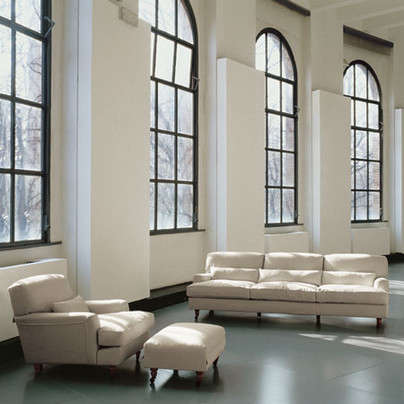
Every great living room makeover has a main character, and spoiler alert: it’s not your coffee table, your rug, or that one houseplant you keep almost killing and resurrecting.
It’s the couch. The couch is where you nap, binge-watch, scroll endlessly, and pretend to “just rest your eyes.” If there’s one place to channel your inner Remodelista editor, it’s right here.
The good news? You don’t need to buy a brand-new sofa to get that calm, elevated, “considered home” look. With a few smart upgradesthink better cushions, thoughtful fabric choices, Remodelista-worthy styling, and a bit of editingyou can turn a tired hand-me-down into the star of your living room.
Why Your Couch Deserves an Update (Not a Replacement)
Sofas are one of the biggest visual anchors in a space and usually the most expensive piece of living room furniture. Designers constantly warn that choosing the wrong size or style can ruin your layout and your budget.
Before you drag your couch to the curb, it’s worth asking: can this piece be edited instead of replaced?
When a Refresh Makes More Sense Than Buying New
An update is usually the smarter move if:
- The bones are good. The frame feels solid, doesn’t creak, and doesn’t wobble when someone plops down with a little too much enthusiasm.
- The proportions work. The length fits your wall, it doesn’t block doors or windows, and your coffee table sits comfortably about 16–18 inches away.
- You like the basic shape. Clean lines, simple arms, and a low profile usually age better than super-trendy silhouettes.
- Your budget has limits. A high-quality new sofa can easily cost four figures. A “perfect couch update” is often a fraction of that.
Updating lets you keep what workssize, frame, shapewhile changing what doesn’t: color, comfort, and styling.
Red Flags That Mean It’s Time to Let Go
Sometimes, though, no amount of styling will save a doomed couch. Consider replacing it if:
- The frame is cracked or warped.
- The springs are broken and you practically sink to the floor.
- There’s a persistent smell (we’ll leave it at that) that cleaning can’t fix.
- The size is just wrong for your roomtoo huge, too tiny, or hopelessly awkward.
If your sofa passes the structural test, you’re ready for the glow-up.
Step 1: Fix the Comfort Before the Color
Style is important, but if your updated couch still feels like sitting on a bag of rocks, nobody will care how beautiful your throw pillows are. Start with comfort upgrades first.
Re-Fluffing and Refilling Cushions
Flat cushions are one of the fastest ways a couch starts to look tired. Fortunately, it’s also one of the easiest things to fix:
- Replace the foam inserts. Many upholsterers and fabric shops sell medium- or high-density foam that you can cut to size and slide into your existing cushion covers.
- Upgrade the inserts. For back cushions, down-and-feather or faux-down inserts (slightly larger than the covers) give that plush, sink-in look you see in designer living rooms.
- Mix fillings. A foam core wrapped in batting or down gives support plus softnessideal for everyday lounging.
Just doing this can make your couch feel like a new piece, even before you change the fabric or styling.
Support Hacks for Sagging Sofas
If the seating feels “mushy” even with better cushions, the issue may be the support underneath:
- Add a support board or panel. A sheet of plywood or specialized sofa support placed under the cushions can instantly reduce sag.
- Use a foam or mattress topper under the cushions. A thin memory foam layer can smooth out uneven springs and add comfort.
- Layer quilts or padded blankets. It’s not glamorous, but layering padding under thin cushions can buy you more life from an old sofa.
Once your couch feels comfortable again, you’re ready to tackle the visual part of the “perfect couch update.”
Step 2: Upgrade the Fabric Story
The fabric is where your couch can immediately take on a Remodelista vibe: understated, textural, and timeless. The goal is to avoid trendy patterns you’ll hate in a year and instead choose materials that work with your lifestyle.
Choosing the Right Fabric for Real Life
Before you fall in love with a dreamy cream linen on Instagram, reality-check your daily life:
- Kids and pets? Look for durable, stain-resistant fabrics like tightly woven polyester blends, microfiber, or performance linen. These resist spills, claws, and everyday chaos better than delicate weaves.
- Formal or low-traffic rooms? Natural fibers like linen, cotton, or velvet can look elegant and relaxed, especially in neutrals.
- Allergies? Natural fibers such as cotton, linen, or leather are often less likely to trap dust and allergens than super-fuzzy synthetics.
Feel matters, too. A couch that looks chic but feels scratchy is not the dream. Aim for fabrics that feel pleasant against bare skinno one wants to stick to the sofa in shorts.
Slipcovers vs. Reupholstery
When you’re updating an existing couch, you’ve got two main routes:
Slipcovers
- Pros: More affordable than full reupholstery, removable, washable, great if you have kids or pets, and easy to swap seasonally.
- Cons: Fit is everything. A sloppy, oversized slipcover can look messy; a tailored one looks custom but takes more effort.
Look for fitted slipcovers with seams that follow the shape of your sofa and enough weight in the fabric that it doesn’t shift every time someone sits down.
Reupholstery
- Pros: Feels like a brand-new sofa, adds years of life to a solid frame, and gives you full control over fabric and details.
- Cons: Can be as expensive as buying new, especially with premium fabrics or complex designs.
A Remodelista-style approach often leans toward simple, long-wearing fabrics in quiet colorsthink stone, oatmeal, charcoal, or chalky whitepaired with thoughtful texture.
Step 3: Style It Like a Remodelista Shoot
Once the comfort and fabric are handled, styling is where the magic happens. This is the part that makes your couch look intentionally designed instead of just “parked against a wall.”
The Pillow Formula (Without the Pillow Explosion)
The secret to beautiful sofa styling is not “buy every pillow you see.” It’s about scale, layering, and contrast:
- Start with size. On a standard sofa, begin with two larger pillows (20–24 inches) at the back corners, then layer smaller pillows (18–20 inches) in front.
- Mix textures. Pair smooth linen with chunky knits, boucle, or velvet. Texture is what keeps an all-neutral palette from feeling flat.
- Use patterns thoughtfully. Mix pattern scalesmaybe a subtle stripe, a small geometric, and a solidto keep things interesting but not chaotic.
- Avoid overly matching sets. Five identical pillows look like they came in a plastic bag. Aim for coordinated, not cloned.
- Odd numbers work best. Three or five pillows usually read more relaxed and curated than four perfectly symmetrical ones.
If your couch and wall are both neutral, pillows are where you can bring in a bit of colorrust, olive, indigo, or warm earthy tones that feel collected rather than loud.
Layered Throws and Cozy Details
Throws are the couch’s version of a great coat: functional but also a statement. To keep it looking intentional:
- Drape one throw loosely over the arm or back, avoiding overly “folded” hotel-style perfection.
- Choose materials with a visible weavelinen, wool, cotton waffle, or soft knitto add depth.
- Repeat one color from elsewhere in the room (like your rug or artwork) to tie everything together.
A single, good-quality throw is often better than three random blankets fighting for attention.
Small Tweaks: Legs, Arm Covers, and Layout
Little details can dramatically upgrade an older couch:
- Swap the legs. Replacing clunky legs with slimmer wood or metal ones can modernize a dated sofa for very little money.
- Add arm covers. If the arms take the most wear (they usually do), fitted covers or even DIY pieces cut from a nice fabric can protect them and look intentional.
- Re-think placement. Pulling the sofa a few inches off the wall and aligning it with your rug and coffee table can make the whole room feel more considered.
These are the kinds of details that make a couch look more like a carefully chosen piece and less like something you had to deal with.
Step 4: Make the Couch Work Harder for Your Life
The perfect couch update isn’t just about aesthetics; it’s about how you live. Your sofa should support daily life, not work against it.
- Create zones. If you read on the sofa, add a side table with a lamp. If you snack there (no judgment), use a tray to corral remotes and coasters.
- Think storage. Baskets under a nearby console or a storage coffee table can hide blankets, games, and kid clutter.
- Plan for pets. Use washable throws over the favorite pet spot, and choose fabrics that don’t trap fur easily.
- Set a maintenance routine. Fluff cushions, rotate them periodically, and vacuum crevices regularly to keep everything fresher for longer.
A couch that fits your actual habits will naturally look and feel better because it’s being used the way it was styled.
Remodelista-Inspired Couch Update Ideas by Style
Need a little creative nudge? Here are a few moodboard-friendly directions to consider for your own perfect couch update.
1. The Soft Minimalist Linen Sofa
Think pale stone or oatmeal linen, slim arms, and a long, low silhouette. Style with:
- Two large linen pillows in a slightly deeper neutral.
- One accent pillow in a muted colorolive, clay, or soft charcoal.
- A loosely draped throw in a chunky knit or wool.
Pair with a simple wood coffee table, a natural-fiber rug, and a single sculptural lamp. The vibe: calm, timeless, and quietly elevated.
2. The Warm Modern Family Sofa
For a kid- and pet-friendly space, choose a durable performance fabric in a warm mid-tone (like caramel, mushroom, or deep gray). Then:
- Add patterned pillows with subtle stripes or geometrics.
- Use a washable throw in a darker color where little hands and paws tend to land.
- Anchor the sofa with a rug that can handle real lifeflatweave, low pile, or washable.
The goal is a room that feels design-forward but not too precious to actually use.
3. The Compact Apartment Couch
In smaller spaces, scale is everything. A two- or three-seat sofa with slim arms and visible legs keeps things light:
- Use fewer, slightly smaller pillowstoo many will overwhelm the silhouette.
- Use vertical elements (art, sconces, tall plants) to draw the eye up.
- Choose one statement piecelike an artful throw or bold pillowand keep the rest quiet.
An apartment-size couch can still feel like the “perfect couch” if every detail is intentional.
4. The Vintage Character Sofa
If you’ve thrifted a vintage sofa with great bones, lean into its personality:
- Choose reupholstery or a slipcover that tones down heavy patterns, letting the shape shine.
- Mix modern pillows and lighting so the room feels collected rather than theme-y.
- Keep the color palette editedtoo many competing hues will make it feel cluttered.
A character piece can become the highlight of a very modern space when styled with restraint.
What I Learned from My Own “Perfect Couch Update”
Let’s talk about what this looks like in real life, beyond the picture-perfect photos.
Imagine a small living room with a slightly sad, slouching gray sofa that’s seen too many movie nights and one tragic salsa spill.
Replacing it wasn’t in the budget, so the mission was simple: turn this couch into something that felt intentional, comfortable, and “Remodelista-adjacent” without wrecking the bank account.
The first surprise was how much difference the unseen upgrades made. Swapping out the flattened seat foam for new, medium-density inserts instantly changed how the sofa felt.
Suddenly it didn’t collapse when someone sat down. Adding a thin support board under the cushions fixed the sag in the middle that had become a running joke.
Next came the fabric question. Reupholstery quotes were… ambitious. So the choice was a fitted slipcover in a soft, stone-colored cotton-linen blend.
It wasn’t custom, but it followed the lines of the sofa well enough that it looked more like a design decision than a disguise. The color instantly lightened the room and made the couch feel like part of a calm, neutral palette instead of a dark blob.
Styling was where the couch really started to look “finished.” Instead of piling on random pillows, there was a plan: two larger pillows in a textured neutral at the back,
one striped pillow for some subtle pattern, and a smaller lumbar pillow in a warm rust tone that echoed a color in the rug. A single wool throw, casually draped over one arm,
made the whole scene look cozy without feeling cluttered.
The last step was editing what surrounded the sofa. The coffee table was pulled slightly closer to follow that sweet 16–18-inch distance. A small side table with a reading lamp landed next to one arm,
turning that corner into an actual reading spot instead of “a place where remotes go to die.” A simple tray corralled remotes, coasters, and a candle so the surface didn’t look like a catchall.
The result wasn’t a totally new couchit was better. It felt like the same piece had finally been styled with intention: better comfort, calmer color, layered texture, and just enough personality.
And the experience revealed a few big lessons:
- Comfort upgrades are non-negotiable. New foam and inserts are not glamorous purchases, but they completely change how you experience the room.
- Neutrals aren’t boring when they’re textured. A soft linen slipcover, woven throw, and tactile pillows kept the palette quiet but visually rich.
- Editing is as important as adding. Removing one extra pillow and a cluttered side table did more for the room than buying another accessory.
- The couch sets the tone. Once the sofa looked intentional, the rest of the room was easier to styleart, lighting, and even the rug felt more cohesive.
A “perfect couch update” doesn’t mean perfection in the showroom sense. It means a sofa that works with your real life, looks elevated without trying too hard, and quietly anchors the rest of your home.
And the best part is, you don’t need a brand-new piece to get therejust a smart, layered approach that would make any Remodelista reader proud.
Conclusion: The Perfect Couch Is the One You Actually Use
At the end of the day, the perfect couch update isn’t about chasing trends or copying a catalog. It’s about making the sofa you already own more comfortable, more functional, and more aligned with how you live.
Fix the comfort, choose fabric that suits your lifestyle, style it with intentionnot excessand edit the surroundings so the couch has room to breathe.
When your living room feels balanced and your sofa finally looks like it belongs in a thoughtfully designed home, you’ll notice something: everyone naturally gravitates there.
That’s when you know your “Perfect Couch Update – Remodelista” is a success.