Some dressings are just trying to get through the day. Raspberry vinaigrette is not one of them. This bright, sweet-tart dressing walks into a bowl of greens like it owns the place, wakes up sleepy salad leaves, flatters goat cheese, and somehow makes a weeknight dinner feel like you planned your life beautifully. If you have ever wanted a homemade dressing that tastes fresh, looks gorgeous, and takes less effort than arguing with a stubborn store-bought bottle cap, this is the one.
This guide will show you exactly how to make raspberry vinaigrette from scratch, how to balance the flavors, what to serve it with, how to store it, and how to rescue it if your dressing gets moody. You will also get a practical recipe, easy variations, and a longer experience-based section at the end so the article feels less like a recipe card and more like a smart friend hanging out in your kitchen.
Why Homemade Raspberry Vinaigrette Is Worth Making
A good raspberry vinaigrette recipe does three things at once: it adds acidity, a little sweetness, and a burst of berry flavor. That means you do not need a dozen toppings to make a salad interesting. One spoonful can wake up spinach, soften the sharpness of red onion, and balance rich ingredients like avocado, feta, goat cheese, toasted pecans, walnuts, or grilled chicken.
The real beauty of homemade raspberry vinaigrette is control. Want it sweeter? Add a bit more honey. Want it tangier? Increase the vinegar or lemon juice. Want it silky and smooth? Blend and strain it. Want it rustic and cheerful? Shake it in a jar and call it dinner. It is flexible, quick, and forgiving, which is more than many recipes can say for themselves.
What Raspberry Vinaigrette Tastes Like
If you have never made homemade raspberry vinaigrette before, think of it as the cheerful cousin of balsamic dressing. It is fruity, tangy, lightly sweet, and vibrant. The flavor depends on the type of vinegar you use:
- Red wine vinegar gives it a classic sharp salad-dressing bite.
- White balsamic vinegar keeps the color brighter and tastes a little softer.
- Regular balsamic vinegar adds deeper sweetness and a darker color.
- Raspberry vinegar gives maximum berry flavor with almost no effort.
- Champagne vinegar creates a lighter, elegant finish.
- Rice vinegar makes the dressing mellow and delicate.
The raspberries provide natural sweetness and tartness, while Dijon mustard helps pull the whole thing together. Honey or sugar rounds out the edges so the dressing tastes balanced rather than aggressively dramatic.
Raspberry Vinaigrette Recipe
Ingredients
- 1 cup fresh raspberries, or thawed frozen raspberries
- 1/4 cup extra-virgin olive oil
- 3 tablespoons red wine vinegar
- 1 tablespoon white balsamic vinegar
- 1 to 2 teaspoons Dijon mustard
- 1 to 2 teaspoons honey
- 1 small shallot, roughly chopped
- 1 teaspoon lemon juice
- 1/4 teaspoon kosher salt
- 1/8 teaspoon black pepper
Optional Add-Ins
- 1 small garlic clove for more punch
- 1 tablespoon raspberry jam if your berries are tart or out of season
- 1 teaspoon poppy seeds for texture
- 1 teaspoon chopped fresh basil or thyme for an herby twist
How to Make Raspberry Vinaigrette
- Add the base ingredients. Place the raspberries, vinegars, Dijon mustard, honey, shallot, lemon juice, salt, and pepper in a blender or small food processor.
- Blend until smooth. Process for 20 to 30 seconds, scraping down the sides if needed.
- Stream in the oil. With the blender running on low, slowly drizzle in the olive oil until the dressing looks glossy and lightly thickened.
- Taste and adjust. Add more honey if it tastes too sharp, more vinegar or lemon if it tastes too sweet, and a pinch more salt if the flavors seem flat.
- Strain if you want it silky. For a restaurant-style finish, press the dressing through a fine-mesh sieve to remove the seeds. Skip this step if you like a more rustic texture.
- Chill or serve. Use right away, or refrigerate in a sealed jar until ready to serve.
How to Make Raspberry Vinaigrette Without a Blender
No blender? No problem. Your vinaigrette does not require a culinary degree or a countertop appliance army.
Jar Method
Mash the raspberries thoroughly with a fork in a bowl or directly in a mason jar. Add the vinegar, mustard, honey, shallot, lemon juice, salt, and pepper. Shake or whisk well. Add the olive oil and shake again like you are starring in a cooking show with exactly three minutes left on the clock.
Whisk Method
If you want a chunkier dressing, mash the berries in a bowl and whisk in the other ingredients. Add the oil slowly while whisking constantly. It will not be as smooth as the blended version, but it will still be delicious.
Fresh vs. Frozen Raspberries
Fresh raspberries give the brightest flavor and prettiest color, especially in spring and summer. Frozen raspberries work beautifully too, which is excellent news for anyone who has opened the fridge, found no fresh berries, and briefly considered using ketchup out of desperation. Thaw frozen berries first and drain excess liquid if they seem watery. If the dressing tastes muted, add a tiny spoonful of jam or a touch more honey.
The Secret to a Balanced Raspberry Vinaigrette
Berry dressings can go wrong in three common ways: too tart, too sweet, or too oily. The fix is simple once you know what each ingredient does.
Acid
Vinegar gives the dressing its sparkle. Too little acid and the vinaigrette tastes heavy. Too much and your salad tastes like it lost a bet.
Sweetness
Raspberries are naturally tart, so a bit of honey, sugar, or jam keeps the flavor rounded. Do not overdo it. This is a vinaigrette, not berry syrup wearing a disguise.
Mustard
Dijon mustard helps emulsify the dressing, which is a fancy way of saying it keeps the oil and vinegar from separating too quickly. It also adds depth without shouting for attention.
Salt
Salt is the tiny backstage manager that makes the whole performance work. A raspberry vinaigrette without enough salt can taste weirdly flat, even when the ingredients are good.
Best Ways to Use Raspberry Vinaigrette
This dressing is famous on salads, but it is not a one-trick berry. Try it with:
- Baby spinach with goat cheese, toasted pecans, and sliced red onion
- Mixed greens with feta, avocado, and cucumber
- Arugula with walnuts and shaved Parmesan
- Grilled chicken salad with berries and almonds
- Roasted beet salad with goat cheese
- Grain bowls with quinoa, farro, or wild rice
- Roasted vegetables, especially Brussels sprouts, carrots, or asparagus
- A light drizzle over salmon for a sweet-tart contrast
If you want a reliable flavor combination, pair raspberry vinaigrette with something creamy, something crunchy, and something peppery. Think goat cheese, nuts, and arugula. That trio almost never lets you down.
Easy Variations
Raspberry Balsamic Vinaigrette
Use all balsamic vinegar instead of the red wine and white balsamic combination. The dressing will be deeper, darker, and slightly sweeter.
Creamy Raspberry Vinaigrette
Add 1 tablespoon Greek yogurt for a creamier texture. This is especially good on spinach salads or as a dip for sturdy greens.
Jam Jar Raspberry Vinaigrette
Have a nearly empty raspberry jam jar? Add vinegar, Dijon, olive oil, a little honey, salt, and pepper right into the jar. Shake well. Congratulations, you have saved dishes and possibly your evening.
Herb Raspberry Vinaigrette
Add basil, thyme, or a little mint. Herbs make the dressing taste fresher and more layered, especially when serving it with fruit-forward salads.
Common Mistakes to Avoid
Using bland berries
If the raspberries are watery or flavorless, the dressing will be too. Fix this with a spoonful of jam, a bit more honey, or a splash of stronger vinegar.
Adding oil too fast
When oil goes in all at once, the dressing may not emulsify as well. Drizzle slowly if blending or whisking.
Skipping the taste test
Raspberries vary wildly in sweetness. Always taste before serving. Your berry situation may be sunny and sweet, or it may be having a dramatic tart phase.
Overdressing the salad
Raspberry vinaigrette is bold. Start with a small amount, toss, and add more only if needed.
How to Store Raspberry Vinaigrette
Store the dressing in an airtight jar or container in the refrigerator. Because it contains fresh fruit and often fresh aromatics like shallot or garlic, it is best used within about 3 to 5 days. Separation is normal. Just shake or whisk before serving. If the olive oil firms up in the fridge, let the jar sit at room temperature for a few minutes, then shake again.
Make-Ahead Tips
If you are serving this for guests, make the dressing a few hours ahead so the flavors can settle and mingle. You can also prep the raspberry puree in advance and whisk in the oil later for the freshest texture. Keep dressed salads separate until serving time, especially delicate greens like spinach or spring mix, which wilt quickly once they meet an enthusiastic vinaigrette.
What Makes This Raspberry Vinaigrette Recipe Work
This recipe works because it respects balance. The raspberries bring brightness, the vinegar sharpens the flavor, the honey smooths the edges, the shallot adds savory depth, and the Dijon helps everything behave. It is sweet enough to be exciting, tart enough to be fresh, and versatile enough to land on salads, grain bowls, vegetables, and proteins without feeling out of place.
It also works because it is practical. You do not need specialty ingredients. You do not need an hour. You do not need to whisper to the dressing and hope it emulsifies out of pity. You just need decent raspberries, a few pantry staples, and the willingness to taste as you go.
Experience-Based Kitchen Notes: What It Is Really Like to Make and Serve Raspberry Vinaigrette
One of the most enjoyable things about making raspberry vinaigrette at home is how quickly the kitchen starts to smell like something special is happening. It is not the heavy, buttery aroma of baking, and it is not the aggressive cloud of garlic from a pan sauce. It is brighter than that. When berries, vinegar, and a little honey come together, the smell is fresh, clean, and almost springlike. It makes the whole meal feel lighter before the first bite even happens.
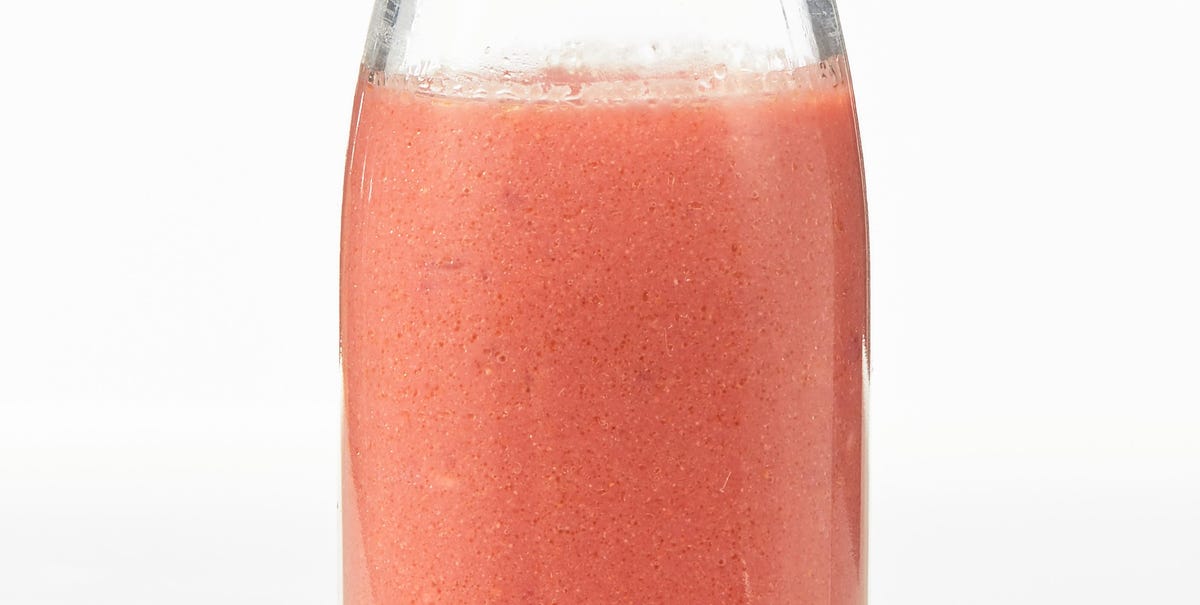
There is also a small but undeniable thrill in watching the color change as the oil goes in. At first the mixture looks like mashed berries with ambition. Then, as it blends, it turns into a glossy ruby-pink dressing that looks far fancier than the effort required. This is one of those recipes that gives a strong return on a very modest investment of time. Five minutes of work, and suddenly lunch has personality.
In real kitchens, raspberry vinaigrette often becomes the dressing people make when they want salad to feel less like homework. A plain bowl of spinach can feel noble but dull. Add raspberries, red onion, toasted nuts, and this vinaigrette, and the same bowl suddenly feels restaurant-worthy. That transformation is part of the experience people love. The dressing does not merely coat the salad. It changes the mood of the meal.
Another common experience is how customizable it feels from one batch to the next. On some days, the raspberries are sweet and need more vinegar. On other days, they are tart enough to make your eyebrows lift, and a little extra honey saves the situation. That is why homemade vinaigrettes feel satisfying: they ask you to taste, think, and adjust. It is cooking in the most approachable sense. Nothing is overly technical, but your judgment matters.
There is also the practical joy of using what you have. Maybe you have a few soft raspberries that are no longer photogenic but still taste great. Maybe there is a spoonful of jam hiding at the bottom of a jar. Maybe you are staring at a bag of spinach and trying to turn it into something you actually want to eat. Raspberry vinaigrette solves all three problems with admirable efficiency. It reduces waste, saves money, and rescues salads from boredom. Frankly, it deserves a small applause break.
People also remember how well this dressing works when company is coming. It looks colorful on the table, pairs beautifully with cheese and nuts, and feels thoughtful without being fussy. That matters. A homemade dressing can make even a simple meal seem carefully planned. Guests often notice it because it tastes different from the bottled standard. It is brighter, fruitier, and more alive. Even those who claim they are “not salad people” somehow keep eating.
Then there is the texture question, which becomes surprisingly personal. Some cooks love the tiny raspberry seeds and enjoy the rustic feel. Others want the dressing strained until smooth and elegant. Neither side is wrong. This is part of the charm. Raspberry vinaigrette can be casual enough for a Tuesday lunch and polished enough for a brunch spread. It meets you where you are, whether your kitchen vibe is “meal prep genius” or “I am assembling this while hungry and slightly annoyed.”
Perhaps the best experience of all is the confidence it builds. Once you learn how to make raspberry vinaigrette, you start seeing other dressings differently. You understand balance better. You get comfortable adjusting acid, sweetness, and salt. You realize that homemade dressing is not a special event recipe. It is a normal, smart, everyday move. And that may be the real magic here: this simple berry dressing quietly teaches you how to cook with more instinct and less hesitation.
Final Thoughts
If you were wondering how to make raspberry vinaigrette, the answer is wonderfully uncomplicated: blend or whisk raspberries with vinegar, Dijon, a little sweetness, and oil until the flavor tastes bright and balanced. From there, the dressing can go in a dozen directions. It can be silky or rustic, bold or delicate, classic or creative. Most importantly, it can make ordinary salads taste like you actually wanted to eat them.
So the next time your greens look a little too virtuous and not nearly exciting enough, give them this dressing. Raspberry vinaigrette is quick, colorful, flexible, and just dramatic enough to keep dinner interesting.