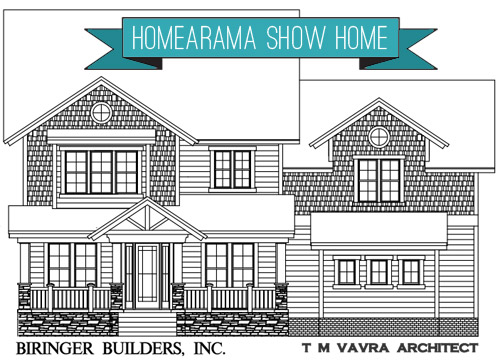
Some homes are built to be lived in. Some are built to be admired from the curb. And then there is the magical species known as the showhouse: a home designed to make you walk in, glance around, and immediately start mentally relocating your entire life. A great showhouse floor plan does not just look polished in photos. It guides movement, frames sightlines, makes storage feel invisible, and convinces you that yes, you absolutely need a pantry the size of a boutique coffee shop.
That is why showhouse floor plans matter. They are not random collections of pretty rooms. They are carefully arranged layouts meant to highlight how people actually cook, gather, relax, work, host, and hide clutter five minutes before guests arrive. The best ones take the smartest ideas from model homes, designer showhouses, and buyer-preference research, then turn them into plans that feel both aspirational and practical.
In recent years, home design has shifted toward layouts that work harder, not just larger. Buyers still love connected living spaces, but they also want subtle separation, better storage, more flexible rooms, and stronger indoor-outdoor flow. In plain English: people want a house that can host Thanksgiving, survive soccer season, and still give them one quiet corner to drink coffee in peace.
What Is a Showhouse Floor Plan?
A showhouse floor plan is a layout designed to showcase the best possible version of daily living. It often appears in model homes, designer showhouses, and premium plan collections where every square foot has a job. These plans are usually more intentional than the average “just stick the couch over there” layout. They are built to create an experience.
That experience usually includes a welcoming entry, strong visual connection between major living zones, a kitchen that feels like mission control, and a smart balance between open space and privacy. In other words, a showhouse floor plan should make life feel easier before anyone even picks out paint colors.
Unlike older homes with chopped-up rooms and long, dark hallways, today’s best showhouse layouts focus on flow. But unlike the ultra-open plans that made every activity visible from every angle, newer plans often create gentle zoning. Designers sometimes call this a “broken” floor plan: spaces remain connected, but openings, built-ins, partial walls, ceiling treatments, and furniture placement help define where one activity ends and another begins. It is the architectural version of saying, “We’re together, but I still need a little breathing room.”
The Core Features of Great Showhouse Floor Plans
1. A Social Center That Feels Natural
The heart of most showhouse floor plans is the shared living zone: kitchen, dining area, and family room working together. This remains popular for good reason. It supports conversation, sightlines, and entertaining, and it makes a home feel larger even when the footprint is efficient. A strong showhouse plan often lets you stand at the kitchen island and still see the fireplace, dining table, and backyard.
But the smartest layouts do not leave this area totally undefined. They use subtle cues like a beamed ceiling over the family room, a dining banquette, a large island, or a partial wall near the foyer to keep everything from feeling like one giant multipurpose airport terminal. A showhouse should feel open, not chaotic.
2. A Kitchen That Earns Its Applause
If the kitchen is the star of the plan, the island is usually the lead actor. Showhouse kitchens often feature oversized islands because they do several jobs at once: prep station, breakfast bar, buffet table, homework counter, and accidental meeting space for every person in the house.
But a beautiful island only works when the surrounding circulation makes sense. Great showhouse floor plans leave enough room for people to move around the island without colliding with an open dishwasher, a bar stool, or Uncle Gary looking for chips. Pantries are also a major part of this story. Walk-in pantries, hidden sculleries, prep pantries, or pantry walls give the kitchen breathing room and keep countertop clutter from stealing the spotlight.
3. The Mudroom-Laundry-Pantry Power Triangle
One of the most practical ideas in modern floor plans is grouping the garage entry, mudroom, laundry area, and pantry near each other. It is not glamorous on paper, but in real life it is genius. Groceries come in from the garage and land near the pantry. Muddy shoes stop at the entry zone. Backpacks, coats, and pet leashes get their own drop spot. Laundry stays close to the daily mess instead of hiding in a basement like it has done something wrong.
In a showhouse, this zone is often dressed up with built-in cubbies, a bench, cabinetry, hooks, and maybe a cute basket that implies the family folds linens while smiling. Realistically, it is where life lands. And that is exactly why it matters.
4. Flex Rooms That Refuse to Be Useless
Older floor plans loved formal rooms that looked fancy twice a year and awkward the rest of the time. Showhouse floor plans have largely traded those spaces for flex rooms. A flex room can be a home office, reading lounge, guest room, craft room, homework nook, media room, or future nursery. It adapts to how people actually live.
This is especially important as families change over time. The best floor plans are not rigid. They give homeowners room to evolve without requiring a total remodel every few years. If a room can switch from office to playroom to guest retreat with minimal drama, that is not a bonus. That is smart planning.
5. Privacy Where It Counts
A successful showhouse floor plan knows how to separate public and private zones. Primary suites are often tucked away from secondary bedrooms, which helps the home feel calmer and more luxurious. Guest suites may sit on the main floor or at the opposite end of the house so visitors can have privacy without feeling like they are sleeping in the middle of the kitchen traffic pattern.
In multigenerational or long-stay guest layouts, that separation becomes even more valuable. Private wings, first-floor suites, and bathrooms placed for easy access all make a floor plan more comfortable for real life, not just a weekend open house.
6. Indoor-Outdoor Flow That Feels Seamless
Many standout showhouses blur the boundary between inside and outside. Covered porches, patios, loggias, courtyard spaces, and walls of glass extend the living area and make the home feel more generous. A floor plan with direct access from the kitchen or great room to an outdoor dining or lounge zone is especially effective for entertaining.
This feature is not only about style. It changes how the house lives. Parents can watch kids in the yard more easily. Hosts can move between grill and kitchen without running a marathon. Morning coffee gains a proper stage. The house starts to feel bigger because part of its magic happens beyond the walls.
Popular Showhouse Floor Plan Styles
Modern Farmhouse
The modern farmhouse remains one of the most popular showhouse formats because it balances warmth and function. These plans often include open great rooms, generous islands, walk-in pantries, mudrooms, rear porches, and main-level primary suites. The best versions feel comfortable rather than overdone. A farmhouse should whisper “welcome,” not scream “I bought three decorative ladders for no reason.”
Coastal and Light-Filled Plans
Coastal-inspired showhouse floor plans often emphasize porches, breezy circulation, natural light, and strong indoor-outdoor connections. Bedrooms may stack upstairs to maximize public space below, while main rooms are arranged to capture views and cross-ventilation. These plans tend to feel relaxed, airy, and highly social.
Narrow-Lot or Urban Plans
Smaller footprints have pushed designers to make every inch count. In these showhouse floor plans, hallways shrink, storage gets built in, and flex rooms become essential. Double-height spaces, smart stair placement, upstairs laundry, and creative window alignment help compact homes feel expansive without wasting square footage.
Multi-Generational Layouts
As households become more varied, more floor plans include guest suites, in-law zones, private baths, and semi-independent living areas. A showhouse plan in this category is especially successful when it creates both togetherness and retreat. Shared kitchens and living areas remain central, but sleeping zones feel calm, separate, and dignified.
How to Read a Showhouse Floor Plan Like a Pro
It is easy to fall in love with the pretty rendering and completely ignore whether the floor plan would drive you mildly insane by Tuesday. To evaluate a showhouse floor plan well, ask practical questions.
- How do you enter the house most often? If everyone comes through the garage, that route should be organized and pleasant, not a direct march into chaos.
- Can groceries move easily from car to kitchen? If the answer is “yes, after a three-room obstacle course,” keep looking.
- Does the kitchen have enough prep, storage, and circulation space? A stunning island is useless if nobody can walk around it.
- Are noisy and quiet zones separated? A media room directly against the primary bedroom wall is a plot twist nobody wants.
- Can a room change function over time? Good floor plans age well because they are adaptable.
- Is there enough hidden storage? Showhouses look clean because clutter has somewhere to go. Magic helps, but cabinets help more.
Common Mistakes in Showhouse Floor Plans
Even beautiful plans can go wrong. One common mistake is making the main living area so open that furniture placement becomes a puzzle with no satisfying solution. Another is oversizing dramatic features while undersizing the practical ones. A foyer taller than your ambitions is not very helpful if the pantry holds two cereal boxes and a prayer.
Another issue is ignoring traffic flow. If guests must cut through the cooking zone to reach the powder room, or if a mudroom doubles as a hallway bottleneck, the house may photograph well and live poorly. The best showhouse floor plans remember that style should support daily routines, not interrupt them.
Why Showhouse Floor Plans Continue to Influence Real Homes
Showhouses often act like design laboratories. They test new ideas about flow, comfort, wellness, storage, privacy, and entertaining. Some features are splashy. Others are wonderfully ordinary, like better drop zones, larger laundry rooms, wider passages, fewer wasted hallways, and more intentional transitions between rooms.
That is why their influence lasts. A good showhouse floor plan does not just sell fantasy. It demonstrates what happens when architecture pays close attention to real behavior. The layout supports routines, reduces friction, improves organization, and creates moments that feel graceful. When that happens, the house is not simply attractive. It is memorable.
Real-Life Experiences With Showhouse Floor Plans
Walking through a well-designed showhouse is a strange and delightful experience. At first, you notice the obvious things: the dramatic entry, the giant island, the gorgeous light pouring through the back doors. Then, almost without realizing it, you start noticing how easy the house feels. You move from room to room without getting stuck. You can picture where bags would drop, where coffee would happen, where kids would sprawl with homework, and where guests would drift during a party. That ease is the real magic of a great floor plan.
One of the biggest lessons people take from visiting showhouses is that the best plans are rarely about being enormous. They are about being intentional. A 2,200-square-foot home with a smart pantry, a useful mudroom, a flexible office, and an outdoor living area often feels better than a larger home full of awkward formal spaces and long, empty hallways. A thoughtful layout can make an ordinary Tuesday feel surprisingly elegant, even if there are still dog toys under the bench and one sock missing from the laundry basket.
Another common experience is realizing how much storage affects mood. In showhouses, clutter disappears behind built-ins, concealed pantries, window seats, under-stair cabinetry, and mudroom lockers. That does not just make the home prettier. It makes it calmer. People often leave a showhouse talking about the kitchen, but what they really loved was the absence of visual stress. The layout quietly handled the mess before it had a chance to become a personality trait.
Showhouse floor plans also teach people what true flexibility looks like. A room staged as a study may also work as a guest bedroom. A loft might become a homework zone now and a reading retreat later. A first-floor suite might be perfect for aging parents, visitors, or a future live-in caregiver. That adaptability feels reassuring. Life changes quickly, and a home that can change with it feels less like a static investment and more like a reliable partner.
There is also an emotional side to these plans that should not be ignored. The best showhouse layouts create little rituals. The bench near the garage becomes the place where shoes are kicked off after work. The breakfast nook catches morning light just right. The porch off the family room becomes the Friday-night burger station, the rainy-day reading corner, or the place where someone sneaks five quiet minutes before the rest of the house wakes up. These are not giant architectural gestures. They are small experiences made possible by a smart plan.
And then there is the entertaining factor. Great showhouse floor plans are masters of making people feel comfortable. Guests know where to gather. Hosts are not trapped in a cramped kitchen. Food moves easily from prep zone to dining space to patio. There is room for conversation without forcing every person into one loud square of open space. That balance matters. A home should not feel like a museum, but it also should not feel like a traffic simulation with snacks.
Ultimately, the most memorable thing about showhouse floor plans is that they turn design into behavior. They shape how people move, gather, store, rest, and connect. When a plan is done well, you do not just admire it. You feel yourself relaxing inside it. That is the goal. Not perfection. Not performance. Just a house that understands how people actually live and makes that life a little smoother, brighter, and more enjoyable.
Conclusion
Showhouse floor plans remain influential because they combine beauty with strategy. They celebrate open living without abandoning privacy, elevate kitchens without forgetting circulation, and make storage, flexibility, and daily flow feel just as important as style. Whether the home is coastal, farmhouse, urban, or multigenerational, the strongest layouts create a sense of ease the moment you walk in.
If you are studying floor plans for a future build, remodel, or content project, look past the dramatic photos and focus on function. Where does daily life happen? Where does clutter go? Where do people gather, retreat, and move between indoors and outdoors? The best showhouse floor plans answer those questions beautifully. They do not just impress visitors. They make real life look better organized, more comfortable, and a lot more fun.