Every season arrives with a mood, but fall arrives with a full production budget. One minute you are eating peaches over the sink in flip-flops, and the next you are eyeing wool throws, hoarding apples, and wondering whether your front porch needs mums, lanterns, or a tiny emotional-support pumpkin. That is the magic of autumn: it is not just weather. It is a shift in color, texture, routine, appetite, and attitude.
This fall forecast is not a stiff little bulletin that tells you to expect “scattered coziness with a strong chance of soup.” It is a practical, stylish, and deeply livable guide to what the season looks like now. Across design, gardening, cooking, and everyday living, the same patterns keep showing up: warmer, earthier colors; natural materials; layered comfort; produce used as decor; gardens that work harder into late season; and homes that feel more personal than polished. In other words, fall is less about staging a postcard and more about making real life look very, very good.
So think of this piece as your table of contents for the season ahead. We will move from climate mood to home mood, from porch to pantry, from color palette to casserole dish. Because if summer is all about spontaneity, fall is where intention comes back from vacation, buys a candle, and gets organized.
The Big Autumn Mood: Less Pumpkin Propaganda, More Personality
A smart fall forecast starts with one simple truth: the season has evolved. American fall style is no longer limited to loud orange decor, novelty signage, and a wreath that looks like it lost a fight with a craft store. The strongest seasonal ideas now lean softer, richer, and more natural. Designers keep returning to earthy greens, plums, moss, walnut, clay, burgundy, and warm brown. The feeling is layered rather than loud, collected rather than themed.
That shift makes sense because autumn itself has become more nuanced. Seasonal outlooks and climate reporting have made it clear that fall often lingers warmer and longer than people expect, which means homes and gardens have to transition more gracefully. The old on-off switch from “summer bright” to “harvest overload” feels outdated. Today’s fall is more like a long fade: less cannonball, more slow jazz. Your house does not need to scream October on September 2. It just needs to feel grounded, textured, and a little more intimate.
That is why the best fall spaces do not rely on one gimmick. They use a combination of subtle upgrades: heavier textiles, moodier flowers, tactile materials, better lighting, useful storage, and colors borrowed from woods, soil, fruit, smoke, and fading leaves. The result feels seasonal without looking like a cider mill exploded in the foyer.
Chapter One: The Home Forecast
Color Will Get Deeper, Not Necessarily Darker
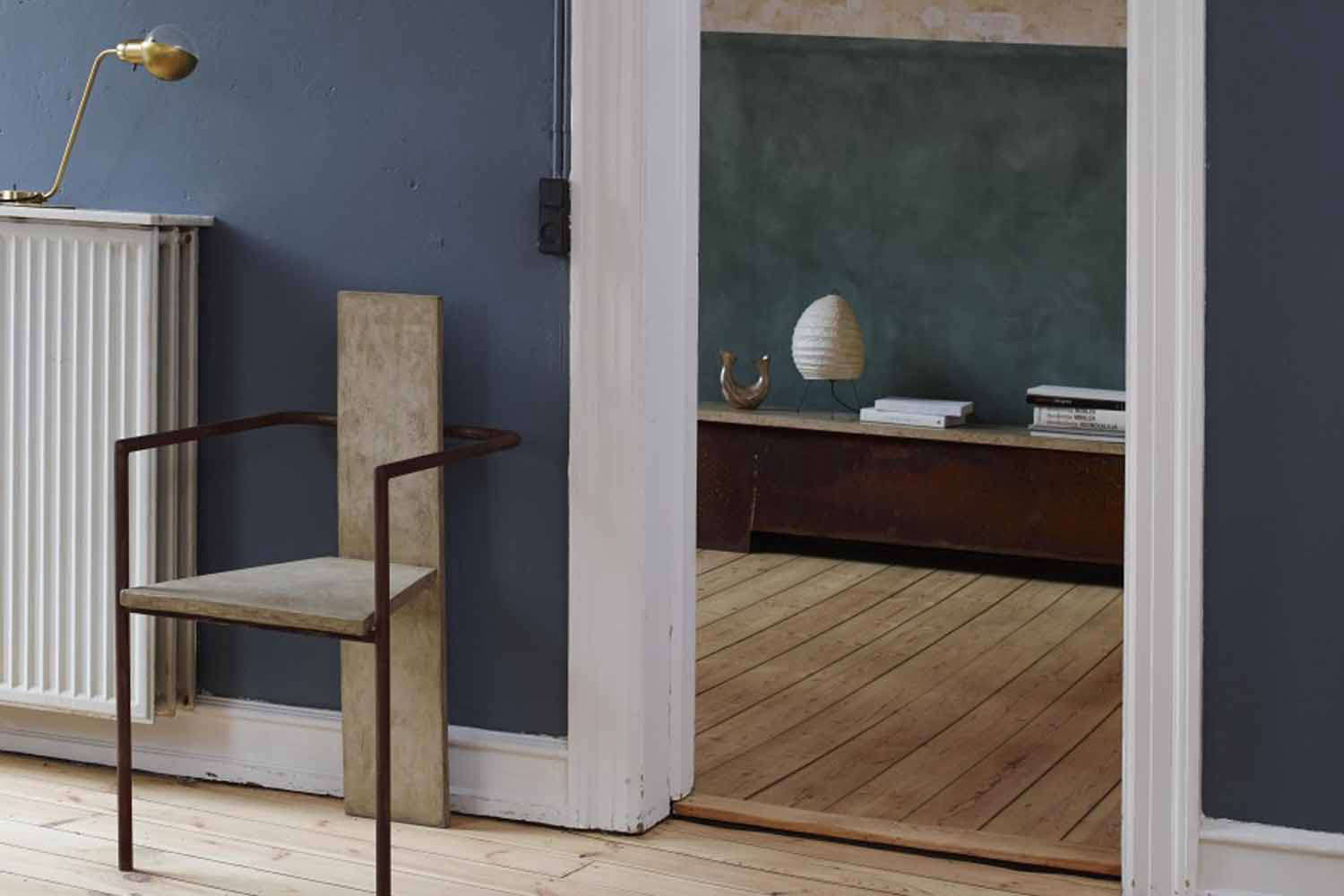
The strongest fall palette is not “orange everywhere.” It is a broader spectrum of natural, edible, and slightly nostalgic tones. Think moss, olive, heathered plum, cinnamon, leather, chestnut, ocher, deep berry, and muted marigold. These colors add warmth without making a room feel heavy. They work especially well when paired with cream, bone, weathered wood, matte ceramic, or soft black accents used sparingly.
The trick is to bring in color the way a good cook adds salt: enough to wake everything up, not so much that it hijacks dinner. A pillow in tobacco velvet, a ceramic lamp in dark green, a burgundy stem arrangement, or a plaid throw with a quiet pattern can do more than a truckload of seasonal clutter. Fall decorating works best when it looks like a continuation of your home, not a costume change.
Texture Will Do the Heavy Lifting
If color is the headline, texture is the body copy. Fall is the season of boucle, wool, wicker, walnut, pottery, brushed cotton, nubby linen, and the kind of blanket that makes you cancel plans you never intended to keep. Designers continue to favor rooms that feel touchable and layered, especially as evenings get longer and people start gathering indoors more often.
This is also where vintage comes in. Autumn is a natural partner for older pieces with soul: a worn wood stool, a handmade bowl, a brass candlestick, a shaggy little runner, a wicker basket that has clearly seen things. Vintage elements soften the newness of a room and make it feel inhabited. Fall is not about perfection. It is about patina, memory, and comfort with better lighting.
Nature Comes Indoors in Smarter Ways
One of the clearest seasonal themes across U.S. design coverage is bringing the outdoors in, but in a more relaxed, organic way. Instead of buying a pile of disposable decorations, people are styling branches, seed heads, dried grasses, foraged leaves, pears, artichokes, squash, chestnuts, and late-season blooms. Produce and florals are mixing together in centerpieces. Mantels are getting more botanical. Tables are looking a little less formal and a lot more alive.
The appeal here is obvious: natural materials bring movement, imperfection, scent, and shape into the room. A vase of branches is cheaper than a bad seasonal trend and far less embarrassing in November. A bowl of apples or figs works as decor and a snack, which is frankly the kind of multitasking we should all respect.
Chapter Two: The Porch and Garden Forecast
Fall no longer belongs only to the living room. It extends to stoops, porches, patios, balconies, and gardens, which are increasingly treated as real rooms rather than leftover space. Outdoor fall style is getting more layered and functional too: rocking chairs, lanterns, solar lighting, planters with mums or grasses, baskets of gourds, and entryways that feel generous instead of overcrowded.
On the planting side, the forecast is practical. Fall is cleanup season, yes, but not the ruthless, sterile cleanup people once imagined. Garden guidance increasingly emphasizes removing diseased material and major debris while still being thoughtful about habitat, mulch, compost, and soil health. It is a season for dividing perennials, transplanting trees and shrubs, checking irrigation, refreshing beds, and getting a head start on spring by planting bulbs and strengthening roots before winter.
Late-season flowers still matter, too. Dahlias, marigolds, chrysanthemums, grasses, and other autumn performers keep porches and beds from looking tired. They also carry the visual language of the season better than piles of plastic signs ever could. A pot of real mums with decent watering habits will always beat a decorative board that says “Hello Fall” like it has just been introduced to the concept.
There is also a quiet sustainability story running through the garden forecast. Composting leaves, reusing natural materials, and choosing decor that can move from porch to table to kitchen all reflect a broader shift away from one-and-done seasonal spending. Fall style is becoming less disposable and more rooted in what the season actually gives us.
Chapter Three: The Kitchen Forecast
Autumn always wins in the kitchen because it arrives carrying apples, mushrooms, squash, root vegetables, onions, pears, sage, cinnamon, and every excuse you have ever needed to roast something until the house smells heroic. Food coverage in the U.S. keeps circling back to the same truth: fall cooking is about comfort, yes, but also structure. Sheet-pan dinners, Dutch ovens, gratins, soups, braises, grain salads, and one-pot meals dominate because they match the pace of the season.
But fall food is not just heavy food. The best menus balance richness with brightness. Apples cut through brown butter. Mushrooms add depth without drama. Squash brings sweetness and body. Bitter greens keep everything honest. Even a simple weeknight dinner feels more seasonal when you use one or two peak ingredients well rather than throwing every spice in the cabinet into the pot and calling it “cozy.”
This is also the season when the table gets more intentional. Entertaining guidance points toward layered but unfussy tablescapes: ceramics, linen napkins, taper candles, fruit, branches, low floral arrangements, and room for actual dishes. Imagine that. The table is not meant to look like a museum installation where nobody can set down a plate. It is meant to invite people to linger.
If you want an easy rule, here it is: in fall, decorate with things you would genuinely enjoy touching, smelling, eating, or using. That is why a loaf of good bread, a linen runner, a bowl of pears, and a vase of maroon stems often feel more seasonal than a dozen novelty objects trying very hard to be festive.
Chapter Four: The Lifestyle Forecast
Perhaps the biggest shift in the seasonal conversation is that homes are becoming more personal. The “real home” look has momentum because people are tired of spaces that appear designed for photographs instead of life. Fall amplifies that craving. As schedules tighten and daylight shortens, the appeal of a useful, comfortable home gets stronger.
That means the true fall forecast is not just aesthetic. It is behavioral. Entryways need hooks that can handle coats and bags. Kitchens need counters clear enough for cooking projects. Living rooms need lamps, side tables, and seating that support long evenings. Bedrooms need softer layers and a reason to go to bed on time at least once a week. In fall, function becomes part of beauty.
This is also why seasonal rituals matter so much. A standing Sunday soup. A porch coffee in the cool air. A market run for apples and flowers. A ten-minute evening tidy before lighting a candle. Fall is excellent at turning small routines into atmosphere. The season practically begs for a little structure, but in a charming way, not an “optimize your life until it squeaks” way.
How to Build Your Own Fall Table of Contents
If the season feels big, good news: you do not need to transform your whole life in one weekend while wearing a cable-knit sweater and pretending not to sweat. A realistic fall reset can happen in chapters.
1. Edit the Entry
Swap in a doormat, a lantern, a planter, or a basket. Make the first five feet of your home feel intentional.
2. Change the Textiles
Trade lightweight throws and pillow covers for wool, brushed cotton, plaid, boucle, or textured linen in earthier shades.
3. Bring In One Natural Arrangement
Use branches, grasses, mums, dahlias, or a bowl of produce. Keep it loose and seasonal.
4. Upgrade the Lighting
Fall is lamp season. Add warm, low lighting indoors and solar or lantern lighting outdoors.
5. Put the Season on the Stove
Cook one signature dish with apples, mushrooms, or squash. Your kitchen will do half the decorating for you.
6. Do One Smart Garden Job
Mulch, divide, compost, plant bulbs, or tidy beds. Future you will be smug in spring, and frankly, deservedly so.
7. Make Room for Gathering
Clear the coffee table. Add extra napkins. Keep a chair near the window. Fall shines when a home is ready for people, even on ordinary days.
Why This Fall Forecast Feels Different
The most interesting thing about fall right now is that it is no longer treated as a cartoon. It is not just pumpkins, plaid, and pie, though all three can still have a glorious place in civilized society. It is a season of transition that people are approaching with more realism and more style. Climate patterns are changing how long warmth lingers. Design trends are favoring authenticity over perfection. Gardens are being managed with more ecological awareness. Food is leaning into comfort without giving up freshness. The whole season feels smarter.
And that is really what a good table of contents does: it helps you see the shape of what matters before you begin. This fall forecast says the season belongs to layered spaces, natural materials, hardworking gardens, useful beauty, and food that tastes like a cardigan feels. Not forced. Not flashy. Just right.
A Season in Practice: Living the Fall Forecast
My favorite experiences with fall are never the big, cinematic ones people imagine when they picture the season. It is rarely a dramatic leaf-peeping montage with flawless boots and not a single mosquito in sight. Real fall is better than that. It is quieter, funnier, and much more useful. It begins the first morning the air feels different when you open the door and realize your house suddenly wants different things from you.
That is usually when I notice the small clues. Summer’s lighter fabrics start to look a little too breezy. The dining table wants a bowl of fruit in the center instead of nothing. A lamp in the corner feels more necessary than decorative. The porch, which in hot weather was just a place to hurry past, suddenly becomes somewhere you might actually sit for ten minutes with coffee and pretend you are the kind of person who contemplates chrysanthemums before email.
What I love most is how forgiving fall can be. It rewards small efforts. Put branches in a vase and the room changes. Roast squash and onions, and the entire kitchen acts like you hired a stylist. Toss a wool blanket over the chair and everyone in the house behaves as if civilization has advanced. Fall is a season of modest moves with outsized returns. It is the best bargain in the home-and-garden calendar.
I have also learned that the season feels richer when I stop trying to decorate for an imaginary life and start setting up for the one I actually live. That means the basket by the door is for shoes, not just aesthetics. The candles are lit on weeknights, not saved for a vague future occasion involving perfect guests. The table gets dressed for soup and salad, not only for holidays. Even the garden chores feel less like maintenance and more like participation. Raking, composting, cutting back, planting bulbs, and watering mums become a kind of conversation with the season rather than a checklist.
And then there is the food. Fall cooking has a way of slowing me down in the best possible sense. I chop more. Roast more. Stir more. I reach for apples, mushrooms, greens, onions, and herbs almost automatically, as if the season has taken over the menu without needing my permission. The meals are not fancy. That is the point. They are dependable, warm, and satisfying in a way that makes the whole house feel steadier.
By the time late fall arrives, the forecast always turns out to be less about trends and more about rhythm. The home gets softer. The table gets fuller. The garden gets tidier. The evenings get longer. Life moves indoors but does not shrink; it deepens. That is why I keep returning to the idea of a fall table of contents. The season is not one thing. It is a sequence: entryway, porch, lamp, blanket, soup, centerpiece, garden bed, dinner table, candle, cleanup, gratitude. Page after page, it builds a life that feels both calmer and more alive. And to me, that is the real forecast: not just what fall will look like, but how good it can feel when you let it unfold one honest, beautiful chapter at a time.