Succulents are the houseplants that make you feel like you have your life togethereven if your laundry is currently forming a small mountain range in the corner. They are sculptural, colorful, surprisingly forgiving, and just dramatic enough to make a windowsill look curated instead of “I bought three tiny plants because I needed serotonin.”
What makes succulents so lovable is their built-in survival system. These plants store water in thick leaves, stems, or roots, which helps them handle dry conditions better than many leafy houseplants. That does not mean they are immortal. A succulent can absolutely be loved to death, usually with a watering can and good intentions. But once you understand their basic preferencesbright light, fast-draining soil, and watering only when the soil has driedsucculents become some of the most rewarding plants to collect.
Below are 15 of our current favorite succulents, from classic jade plants to quirky living stones. Some are perfect for beginners. Some are better for plant parents who enjoy a little challenge. All of them bring texture, personality, and that tiny-desert-garden magic into the home.
Why Succulents Are Still Having a Moment
Succulents are popular because they fit modern life beautifully. They do not demand daily attention. They come in sizes that work for apartments, dorm rooms, sunny kitchen counters, office desks, and patio containers. Many propagate easily from offsets, cuttings, or leaves, so one plant can become a small family reunion over time.
They are also design chameleons. A single echeveria in a clay pot looks clean and minimalist. A hanging string of pearls looks whimsical. A cluster of hens and chicks in a shallow planter looks like a living mosaic. Succulents are plants, yesbut they are also décor with roots.
Succulent Care Basics Before You Start Collecting
Give Them Bright Light
Most succulents want bright light, and many do best near a sunny window. If a plant stretches, leans, fades, or grows long gaps between leaves, it may be asking for more light. A south- or west-facing window is often helpful indoors, while grow lights can support plants in darker homes.
Use Fast-Draining Soil
Succulents dislike soggy roots. Use a cactus or succulent potting mix, or improve a regular potting mix with gritty materials such as pumice, perlite, coarse sand, or small gravel. The goal is simple: water should move through the pot instead of hanging around like an awkward guest who will not leave.
Choose Pots With Drainage Holes
A cute pot without a drainage hole is a trap wearing a pretty outfit. Succulents need excess water to escape. Terra-cotta pots are especially useful because the porous clay helps soil dry more quickly.
Water Deeply, Then Wait
Instead of misting, water the soil thoroughly until water drains from the bottom. Then wait until the soil is dry before watering again. This “soak and dry” rhythm is much better than giving tiny splashes every day.
15 Of Our Current Favorite Succulents
1. Echeveria
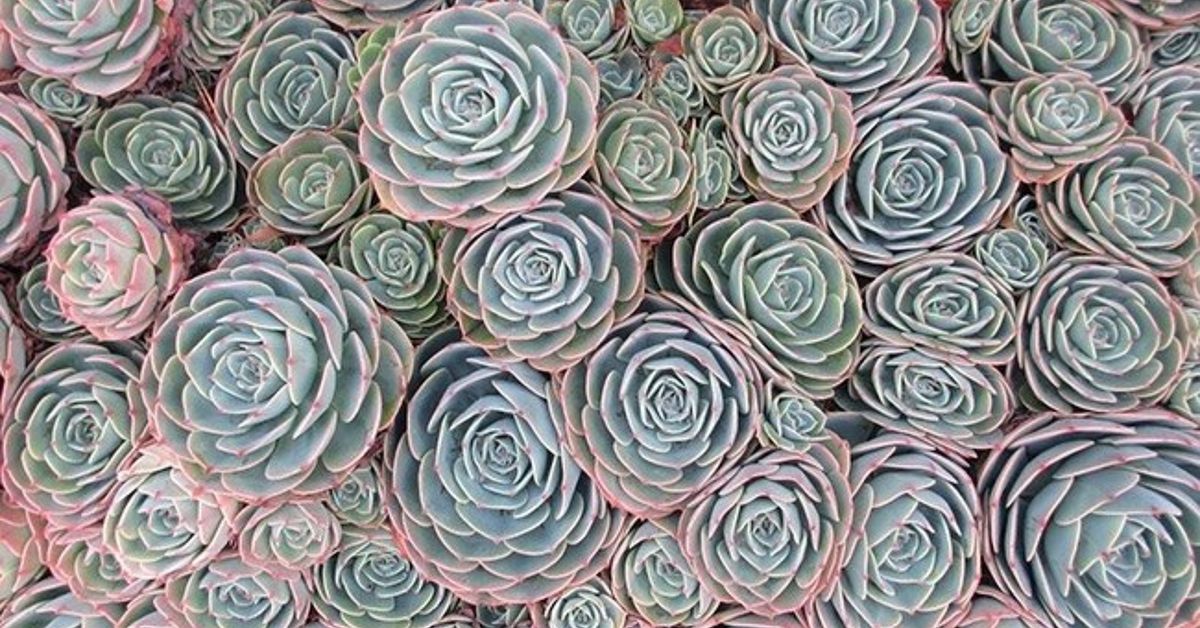
Echeveria is the beauty queen of the succulent world, forming neat rosettes that look like flowers carved from wax. The leaves can be blue-gray, green, pink, lavender, or edged in coral, depending on the variety and light exposure.
This plant loves bright light and well-draining soil. It is excellent for small pots, sunny shelves, and mixed succulent arrangements. If it starts stretching upward, that is usually a sign it needs stronger light. Echeveria also produces offsets, making it a fun choice for anyone who likes turning one plant into many.
2. Jade Plant
The jade plant, or Crassula ovata, is a classic for a reason. With thick, oval leaves and woody stems, it can develop into a miniature tree over time. It has an old-soul charm, like a tiny bonsai that pays rent in good vibes.
Jade plants prefer bright light and soil that dries between waterings. They are relatively low maintenance but can suffer if kept constantly wet. Mature jade plants can become top-heavy, so a sturdy pot is helpful. They are also easy to propagate from stem cuttings, which makes them a favorite pass-along plant.
3. Aloe Vera
Aloe vera is both practical and handsome. Its upright, fleshy leaves add structure to a windowsill, and the plant produces offsets, often called pups, when it is happy. Indoors, aloe prefers bright light, excellent drainage, and a dry-down period between waterings.
The most common mistake with aloe is overwatering. If the leaves become mushy, pale, or floppy, check the soil and drainage first. Aloe likes to be treated more like a desert roommate than a tropical diva.
4. Zebra Haworthia
Zebra haworthia, often sold as zebra plant, is compact, striped, and ridiculously cute. Its dark green leaves are decorated with white bands or bumps, giving it a bold pattern without taking up much space.
This is one of the better succulents for bright indirect light, and it tends to be more forgiving indoors than some sun-hungry rosette succulents. It grows slowly, stays small, and works beautifully on desks or narrow windowsills. Just keep the soil well drained and avoid letting water sit in the crown.
5. String of Pearls
String of pearls looks like someone turned a necklace into a plant. Its trailing stems carry round, bead-like leaves that spill beautifully from hanging baskets or high shelves.
This plant needs bright light, airy soil, and careful watering. Overwatering is the fastest way to lose it, especially if the potting mix stays wet. The best setup is a shallow pot with drainage, bright light from above, and enough space for the strands to cascade. When thriving, it is one of the most charming succulents you can grow indoors.
6. Burro’s Tail
Burro’s tail is a trailing sedum with plump, overlapping leaves that resemble soft green braids. It is gorgeous in hanging pots, but it comes with one important warning: the leaves detach easily. Brush against it too hard and it may dramatically shed like it just heard bad news.
Give burro’s tail bright light, gentle handling, and well-draining soil. Water thoroughly only when the mix is dry. Fallen leaves can often be propagated, so even its clumsy moments may become new baby plants.
7. Hens and Chicks
Hens and chicks, commonly associated with Sempervivum, form tight rosettes and produce smaller offsets around the mother plant. The result looks like a tiny succulent village, complete with a parent plant and adorable little neighbors.
These succulents are especially popular outdoors in rock gardens and containers. They like excellent drainage and bright light. Indoors, they need a sunny spot to stay compact. Their ability to produce offsets makes them satisfying for beginners and collectors alike.
8. Kalanchoe
Kalanchoe brings flowers to the succulent party. Many varieties produce clusters of cheerful blooms in shades of red, orange, yellow, pink, or white. It is often sold as a gift plant, but with proper care, it can keep growing long after the flowers fade.
Kalanchoe prefers bright light and a well-drained potting mix. Allow the soil to dry slightly between waterings, and avoid low-light corners that can make the plant stretch. It is a great pick when you want succulent toughness with a little floral confetti.
9. Ghost Plant
Ghost plant, or Graptopetalum paraguayense, has pearly leaves that shift between gray, lavender, pink, and blue-green depending on light and temperature. It looks delicate, but it is tougher than its dreamy coloring suggests.
This succulent enjoys bright light and very well-drained soil. It can work in containers, rock gardens, or patio arrangements in suitable climates. Indoors, place it near a bright window to preserve its compact shape and soft coloring.
10. Living Stones
Living stones, or Lithops, are the weird little geniuses of the succulent world. They look like pebbles pretending to be plants, which is exactly their survival strategy in nature. Their small size and slow growth make them fascinating collector plants.
Lithops need a different watering rhythm from many common succulents. They thrive in gritty soil, bright light, and very infrequent watering. Their growth cycle matters, so do not water them casually just because you feel nurturing. With living stones, restraint is not neglectit is care.
11. Snake Plant
Snake plant is often grouped with low-maintenance houseplants, but it is also succulent-like in the way it stores water in firm, upright leaves. It is architectural, tough, and stylish enough to make a boring corner look intentional.
Snake plants tolerate lower light better than many succulents, though they grow best in bright indirect light. Let the soil dry before watering, and avoid keeping the roots wet. For beginners, busy people, or anyone with a suspicious history of plant crimes, snake plant is a forgiving choice.
12. Panda Plant
Panda plant, a fuzzy Kalanchoe relative, has soft, gray-green leaves often edged with brown. It feels like the plant version of a plush toy, although you should still resist petting it constantly like a tiny botanical cat.
It likes bright light, dry conditions, and well-draining soil. Because the leaves are fuzzy, avoid splashing water on them repeatedly. Water the soil, not the plant, and give it enough light to keep the growth compact.
13. Agave
Agaves are bold, sculptural succulents with pointed leaves arranged in dramatic rosettes. Many become large landscape plants outdoors, but smaller varieties can be grown in containers for a modern, desert-inspired look.
Agaves like strong light and fast drainage. Indoors, choose compact varieties and place them where they will not stab unsuspecting ankles, pets, or guests. Their sharp leaf tips mean they are best displayed thoughtfully, not at toddler eye level or in narrow walkways.
14. Blue Chalksticks
Blue chalksticks, often known as Curio repens or formerly Senecio serpens, has slender blue-gray leaves that look like tiny pieces of sidewalk chalk. It is a fantastic contrast plant in mixed succulent containers.
This succulent prefers bright light and lean, well-drained soil. Its cool coloring pairs beautifully with green jade, pink echeveria, and golden sedum. If your succulent arrangement needs texture and a little “coastal desert” energy, blue chalksticks delivers.
15. Christmas Cactus
Christmas cactus is technically a succulent, though it does not look like the classic desert rosette. It has segmented stems and colorful blooms that often appear around the holiday season, making it a beloved heirloom houseplant.
Unlike many desert succulents, holiday cacti prefer bright indirect light and a bit more moisture, though they still need good drainage. They also respond to cooler temperatures and seasonal light changes when setting buds. This is the succulent for people who want flowers, nostalgia, and a plant that may outlive several furniture trends.
How To Pick The Right Succulent For Your Space
Choosing a succulent is easier when you match the plant to your light. If you have a sunny window, try echeveria, jade, aloe, ghost plant, or agave. If your light is bright but indirect, zebra haworthia, snake plant, and Christmas cactus may be more forgiving. If you want a hanging plant, string of pearls and burro’s tail are excellent choices, though both need good light and careful watering.
Also think about your watering personality. If you are forgetful, jade, aloe, snake plant, haworthia, and hens and chicks are friendly options. If you are a chronic over-waterer, succulents may teach you patience. Put down the watering can. Step away slowly. Your plants are not thirsty just because you are feeling emotionally available.
Common Succulent Mistakes To Avoid
Misting Instead Of Watering
Succulents generally do not want misting as their main water source. Misting can leave moisture sitting on leaves or in rosettes, which may encourage rot. Water the soil thoroughly, let the pot drain, and wait until the soil dries before watering again.
Using A Decorative Pot With No Drainage
Decorative cachepots are fine if the succulent is in a nursery pot inside them. But planting directly into a sealed container makes watering much riskier. Drainage holes are not optional; they are the plant’s emergency exit.
Keeping Succulents Too Far From Light
A succulent on a dark bookshelf may look beautiful for a week, then slowly become pale, stretched, and sad. Most succulents need bright light to stay compact and colorful. Rotate pots occasionally so growth stays even.
Watering On A Calendar Only
Watering every Saturday sounds organized, but plants do not read calendars. Soil dries faster in warm, sunny weather and slower in winter or low light. Check the soil first, then water when needed.
Propagation: The Fun Part
One of the best reasons to love succulents is propagation. Many can be grown from stem cuttings, offsets, or individual leaves. Jade plants root from cuttings. Hens and chicks produce offsets. Aloe grows pups. Echeveria leaves can sometimes produce new plantlets if removed cleanly and placed on dry, well-draining mix.
The key is patience. Many succulent cuttings need time to callus before planting, which helps reduce rot. Once planted, they need bright indirect light and careful watering. Do not expect instant jungle energy. Succulents grow at their own speed, which is usually somewhere between “relaxed” and “currently contemplating existence.”
Our Personal Experience: What Succulents Teach You After A Few Wins And A Few Crispy Casualties
The funny thing about growing succulents is that they look simple until they quietly reveal your habits. They are not loud plants. They do not wilt dramatically the way a peace lily does when it wants attention. Succulents are more subtle. They lean toward the light. They wrinkle when thirsty. They stretch when ignored. They turn mushy when loved too aggressively. Basically, they are tiny green therapists with excellent poker faces.
One of the biggest lessons from growing succulents is that “low maintenance” does not mean “no maintenance.” A jade plant may survive weeks of neglect, but it still needs the right pot, enough light, and soil that does not stay wet for days. Aloe vera may be famously tough, but put it in a dim bathroom and water it like basil, and suddenly your heroic medicinal plant looks like a sad green canoe. Succulents reward observation more than effort.
The best setup we have found is almost boring in its simplicity: a pot with drainage, a gritty succulent mix, bright light, and a watering routine based on the soil rather than the calendar. The moment you stop asking, “Has it been seven days?” and start asking, “Is the soil actually dry?” your success rate improves. A wooden skewer, finger test, or simply lifting the pot to feel its weight can tell you more than a reminder app.
We have also learned that not all succulents want the same life. Echeverias tend to crave more light than many people expect. Without it, their perfect rosettes stretch into awkward little palm trees. Haworthias, on the other hand, are usually more relaxed indoors and do not need to roast in direct afternoon sun. String of pearls wants bright light but can be fussy about wet soil. Lithops want you to basically forget they exist for long stretches, which is emotionally difficult but horticulturally correct.
Another real-life tip: buy small, healthy plants instead of huge stressed ones when you are learning. Smaller succulents are cheaper, easier to place in good light, and less heartbreaking if something goes wrong. Check for firm leaves, no black mushy spots, and no cottony white mealybugs hiding in leaf joints. A plant may look cute at the store, but pests are the worst kind of free bonus.
Grouping succulents can look beautiful, but mixed arrangements need compatible plants. A Christmas cactus and an agave may both be succulents, but they do not want identical care. One prefers brighter indirect light and a bit more moisture; the other wants a sharper-draining, sunnier situation. When making arrangements, pair plants with similar light and water needs. Your container will look better, and nobody has to suffer for aesthetics.
Finally, succulents teach restraint. Most houseplant problems are solved by doing something: water, prune, fertilize, repot, move. With succulents, the solution is often to do less but do it better. More light. Less water. Better drainage. Fewer nervous interventions. Once you learn that rhythm, succulents become less mysterious and much more fun.
And that is why we love them. They are beautiful but not needy, tough but not boring, collectible but not impossible. Whether you start with one humble jade plant or accidentally create a windowsill that looks like a boutique desert nursery, succulents have a way of turning small spaces into living art.
Conclusion
Succulents are popular because they combine beauty, resilience, and personality in one compact package. From the polished leaves of jade plant to the bead-like trails of string of pearls and the alien charm of living stones, there is a succulent for nearly every bright corner and every kind of plant parent.
The secret is not complicated: give them bright light, use fast-draining soil, choose pots with drainage holes, and water only when the soil has dried. Once you understand those basics, succulents become less intimidating and much more addictive. Consider yourself warned: one tiny echeveria can become a full collection faster than you can say, “I just need one more pot.”