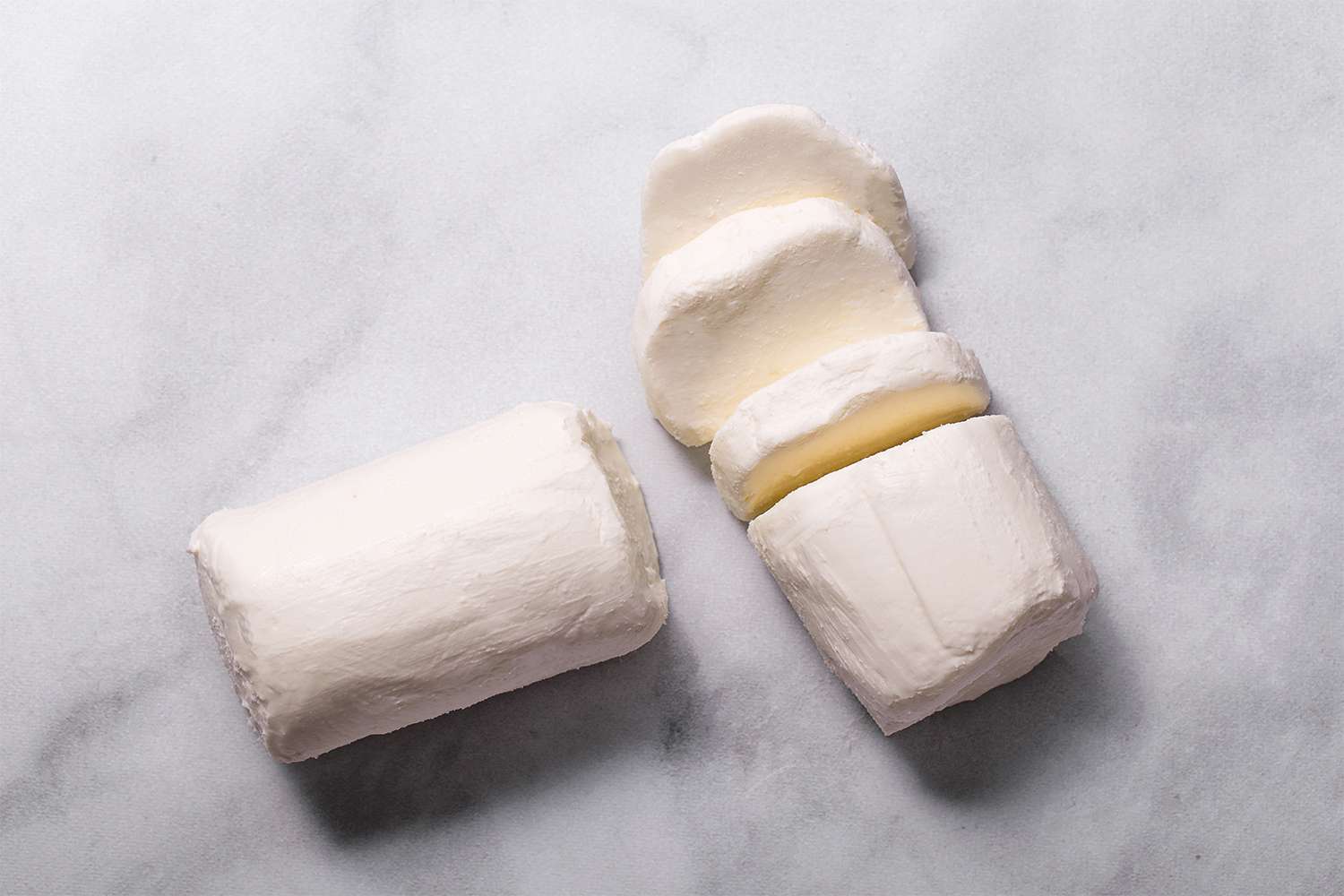
Goat cheese is the dairy world’s lovable troublemaker: tangy, creamy, sometimes a little funky, and always
ready to make a salad feel like it has its life together. But “goat cheese” isn’t just one productit’s a whole
family of cheeses made from goat’s milk, ranging from soft and spreadable to firm, aged, and sliceable.
If you’ve only met goat cheese as a crumbly white log next to the bagged arugula, you’ve basically seen the
opening creditsnot the full movie.
In this guide, we’ll unpack what goat cheese is, why it tastes the way it does, how it’s made, what types you’ll
see at the store, how to use it without overthinking, and how to store it so it doesn’t turn into a science
experiment in the back of your fridge.
Goat Cheese 101: The Simple Definition
Goat cheese is any cheese made from goat’s milk. That’s it. That’s the definition. Everything else
(texture, flavor, shape, price tag that makes you whisper “treat yourself”) depends on factors like how the milk is
cultured, how long the curds drain, how much moisture is left, whether it’s aged, and what’s happening on the rind.
You’ll often see the word chèvre on menus and labels. In everyday cooking, “chèvre” usually points to
the fresh, soft style of goat cheesebright, creamy, and spreadable. But goat cheese can also be aged into firmer styles
with deeper, nuttier flavors and a less “goaty” punch.
What Does Goat Cheese Taste Like?
The short version: tangy, creamy, and pleasantly earthy. The longer version: goat cheese can taste
lemony, yogurt-like, or lightly grassy when it’s fresh, and more nutty, buttery, and mellow when it’s aged. Some
people describe a “barnyard” note (affectionate or not), which tends to be more noticeable in younger cheeses and in
cheeses made from certain milk sources or seasonal diets.
Why the “goaty” flavor happens
Goat cheese flavor is shaped by fermentation (that tang!), moisture, and naturally occurring fatty acids that can read
as “goat” on the palate. Fresh goat cheeses are often expected to be refreshing with a light tang and a recognizable
but not overwhelminggoat character. As the cheese ages and dries out, flavors can become more complex, less sharp,
and sometimes more approachable for goat-cheese beginners.
How Goat Cheese Is Made (Without the Dairy-Science Headache)
Making goat cheese is basically a well-managed transformation: milk becomes curds, curds become cheese, and cheese becomes
the reason you suddenly “need” crackers in your cart.
- Warm the milk (gentlyno scorching, no drama).
- Add cultures to acidify the milk and build flavor (think: controlled tang).
- Add rennet (sometimes) to help the milk set into curds.
- Let it coagulate, then drain so whey leaves and curds concentrate.
- Salt the curds for flavor and preservation.
- Shape and age (or don’t). Fresh chèvre may be ready quickly; aged styles mature over time.
Fresh vs. aged: the moisture is the message
Fresh goat cheese keeps more moisture, which gives it that creamy spreadability and bright, lactic tang. Aged goat cheese
loses moisture and develops deeper flavors, firmer texture, and sometimes rinds (natural, bloomy, or washed, depending on
the style). If fresh chèvre is a zesty pop song, aged goat cheese is a whole album with emotional range.
Common Types of Goat Cheese You’ll Run Into
Goat cheese comes in a surprising number of styles. Here are the big categories you’re most likely to see:
1) Fresh chèvre (soft, rindless)
This is the classic white log, tub, or small roundoften mild, tangy, and creamy. It can be plain or mixed with herbs,
pepper, garlic, or citrus zest. Texture ranges from fluffy and whipped to dense and sliceable, depending on how it’s drained.
2) Ash-coated goat cheese
Sometimes you’ll see goat cheeses with a thin layer of vegetable ash. The ash can be mostly aesthetic, but it may also
influence how the rind develops and how the cheese ripens. Flavor often lands in “tangy-with-a-glow-up.”
3) Bloomy-rind goat cheeses
These have a soft white rind (similar vibe to certain soft-ripened cheeses). Inside, they can be creamy and gooey as they
mature, with flavors that shift from bright and citrusy to richer and mushroomy.
4) Semi-soft and aged goat cheeses
These are firmer, sliceable, and more concentrated in flavor. Aging can make goat cheeses taste more mellow and nutty,
with less of the sharp, “goaty” edge that some people notice in fresh styles.
5) Brined goat-milk cheeses (and mixed-milk cousins)
Some brined cheeses are made with goat milk alone or in combination with other milks. They’re salty, tangy, and great for
crumblingespecially when you want a punch of flavor without adding a lot of cheese volume.
Goat Cheese Nutrition: What You’re Actually Eating
Nutritionally, goat cheese looks a lot like other cheeses: it’s a concentrated dairy food with protein, fat, and minerals.
Exact numbers vary by style (fresh vs. aged), but an ounce of soft goat cheese is commonly in the neighborhood of
~70–90 calories, with several grams of protein and fat.
Is goat cheese easier to digest?
Many people report that goat cheese feels easier on their stomach than some cow-milk cheeses. There are a few reasons this
might be true for some eaters: goat milk products can be lower in lactose than certain cow-milk products, and the protein
profile differs. That said, goat cheese is not lactose-free, and it’s not safe for people with true milk
allergy (goat milk is still milk).
Fresh vs. aged matters
As a general rule, aged cheeses tend to have less lactose than very fresh cheeses because fermentation and time
reduce lactose. If you’re sensitive, a firmer aged goat cheese may go down more comfortably than a super-fresh chèvrethough
individual tolerance varies.
How to Buy Goat Cheese Like You’ve Done This Before
You don’t need a cheese knife collection or a sommelier roommate. You need a plan:
-
Pick a texture for your job. Spreading on toast? Go fresh and creamy. Building a board? Try a ripened style.
Grating or slicing? Choose firmer and aged. -
Read the label. Look for pasteurization language if you’re shopping for someone pregnant or immunocompromised,
or if you simply want to reduce risk from foodborne illness. -
Check the packaging. Fresh goat cheese should look moist but not watery. If it’s cracking or drying around the
edges, it may be past its prime (or it may just be a drier stylecontext matters). -
Go plain first. Flavored goat cheeses can be delicious, but herbs and spices can mask whether you actually like
the base cheese. Start simple, then get fancy.
Storage and Food Safety: Keep It Delicious, Not Sketchy
Goat cheese is happiest when it’s cold, wrapped, and protected from fridge odors (because cheese is basically a sponge with
opinions).
Basic storage tips
- Refrigerate promptly and keep it well wrapped or in an airtight container.
-
Use soft cheeses relatively quickly after opening. Many food-safety guidelines treat soft cheeses as short-life
items once openedthink about a week, not a month. -
Avoid cross-contamination. Use clean utensils; don’t double-dip a knife that just touched raw meat juices or
a questionable cutting board. -
Freezing is possible but not always pretty. Goat cheese can become crumbly after freezing, especially fresh
styles. If you freeze it, plan to use it in cooked dishes (sauces, bakes) rather than on a pristine cheese board.
A quick word on pasteurization and higher-risk groups
Soft cheeses and raw-milk dairy products have been linked to foodborne illness risk, including Listeria. If someone is
pregnant, older, or immunocompromised, the safest approach is to choose products made with pasteurized milk and follow
careful storage and handling.
How to Use Goat Cheese (Beyond the Beet Salad)
Goat cheese is a culinary multitool. It can be the star, the supporting actor, or the secret “why is this so good?” moment.
Here are practical ways to use it:
Fast, low-effort wins
- Toast upgrade: Spread chèvre, add honey or jam, finish with cracked pepper.
- Salad backbone: Crumble over greens with roasted vegetables and a sharp vinaigrette.
- Egg best friend: Fold into scrambled eggs or an omelet right at the end for creamy pockets.
- Pasta cheat code: Stir a spoonful into hot pasta with a splash of pasta water for instant tangy creaminess.
- Dip without cooking: Whip goat cheese with olive oil, lemon, and herbs; serve with crackers or vegetables.
Cooked dishes where goat cheese shines
- Stuffed chicken (or mushrooms) with spinach + goat cheese.
- Roasted vegetables finished with goat cheese crumbles for contrast.
- Tarts and flatbreads where goat cheese replaces (or complements) mozzarella.
- Warm dips baked until bubblyparty food that disappears suspiciously fast.
Pairing Cheat Sheet: What Tastes Good With Goat Cheese?
Goat cheese loves contrast: sweet against tangy, crunchy against creamy, bright acidity against rich fat.
Sweet pairings
- Honey, maple, or fruit preserves
- Figs, berries, pears, apples
- Toasted nuts (especially walnuts, pistachios, almonds)
Savory pairings
- Roasted beets, squash, sweet potatoes
- Tomatoes, peppers, zucchini, eggplant
- Fresh herbs (thyme, basil, dill) and citrus zest
- Olives and good olive oil
Quick FAQs
Is chèvre the same as goat cheese?
In everyday cooking, “chèvre” usually refers to fresh goat cheese, but goat cheese as a category includes fresh and aged
styles. If a recipe says “chèvre,” it typically wants the soft, tangy, spreadable kind.
Does goat cheese melt?
Yes, but it behaves differently depending on the style. Fresh chèvre softens and becomes creamy; firmer aged goat cheeses
can melt more like other aged cheeses. It’s fantastic for creamy sauces and baked dishes.
Can you eat the rind?
Sometimes. Bloomy-rind goat cheeses often have edible rinds, while fresh chèvre usually has no rind at all. If the rind
looks like a deliberate, even layer (not fuzzy random fridge mold), it’s likely part of the cheese style.
What’s a good substitute if I don’t have goat cheese?
For fresh chèvre, try cream cheese with a squeeze of lemon and a pinch of salt for tang. For crumbling, feta can work,
though it’s usually saltier. Ricotta can mimic creaminess but not the tang.
Real-Life Goat Cheese Moments (500-ish Words of “Yep, That’s a Thing”)
If you’ve ever bought goat cheese with big plansthen eaten half of it standing in front of the fridgewelcome. That’s not
a lack of willpower. That’s goat cheese doing what goat cheese does: being creamy, tangy, and weirdly snackable.
A common first encounter goes something like this: you try it on a restaurant salad because you’re feeling responsible,
and suddenly the salad tastes like it got promoted. The tang cuts through the greens, the creaminess makes everything feel
richer, and you realize you’ve been underestimating cheese’s ability to function as “seasoning with benefits.” Next thing
you know, you’re recreating the moment at homeonly now you’re also roasting beets, because apparently you’re that person.
Then come the rookie mistakes (a rite of passage). You crumble goat cheese over something blazing hot, walk away for a
second, and return to a mysterious creamy puddle. Or you store it “temporarily” in a poorly sealed container and discover
it has absorbed the essence of last night’s onions like a dairy-based air freshener. Maybe you try a flavored goat cheese
and learn that “herb and garlic” can mean either “subtle and classy” or “I can smell this from the driveway,” depending on
the brand and your luck.
Goat cheese also has a party trick: it makes people feel fancy with almost no effort. Put a soft goat cheese log on a plate,
drizzle a little honey, sprinkle nuts or cracked pepper, add crackers, and suddenly you’re hosting. No one needs to know it
took three minutes and zero emotional commitment. This is the same energy as lighting a candle and calling it “ambiance.”
In everyday cooking, goat cheese is often the ingredient you reach for when a dish tastes good but not memorable. Pasta that
feels a little flat? A spoonful of goat cheese plus hot pasta water can turn it into something silky and bright. Roasted
vegetables that taste… roasted? Add goat cheese and they taste roasted on purpose. Even breakfast gets an upgrade:
a smear on toast with fruit, or folded into eggs, can make a weekday morning feel like it’s wearing a blazer.
And yes, some people don’t love the “goaty” note at first. That’s normal. The good news is that goat cheese has a huge range.
If a very tangy fresh chèvre feels intense, trying a slightly aged, firmer style can be a completely different experience
often more mellow, nutty, and less sharp. Many folks find their “gateway goat cheese” by pairing it with sweet or fruity
flavors (honey, jam, figs) or by melting it into a warm dish where the tang turns into a gentle brightness instead of a full
spotlight.
Bottom line: goat cheese isn’t just one taste. It’s a whole spectrumfrom bright and lemony to rich and complexand once you
find your sweet spot, it becomes one of those ingredients you keep around because it solves problems. Culinary problems, yes.
Also “I want a snack but I want it to feel slightly sophisticated” problems. Very important category.
Conclusion
Goat cheese is a broad family of cheeses made from goat’s milk, loved for its tangy flavor, creamy textures, and
surprisingly versatile personality. Whether you’re spreading fresh chèvre on toast, melting it into pasta, or exploring aged
styles with deeper, nuttier notes, the best approach is simple: choose the texture you need, store it well, and pair it with
flavors that make the tang sing.