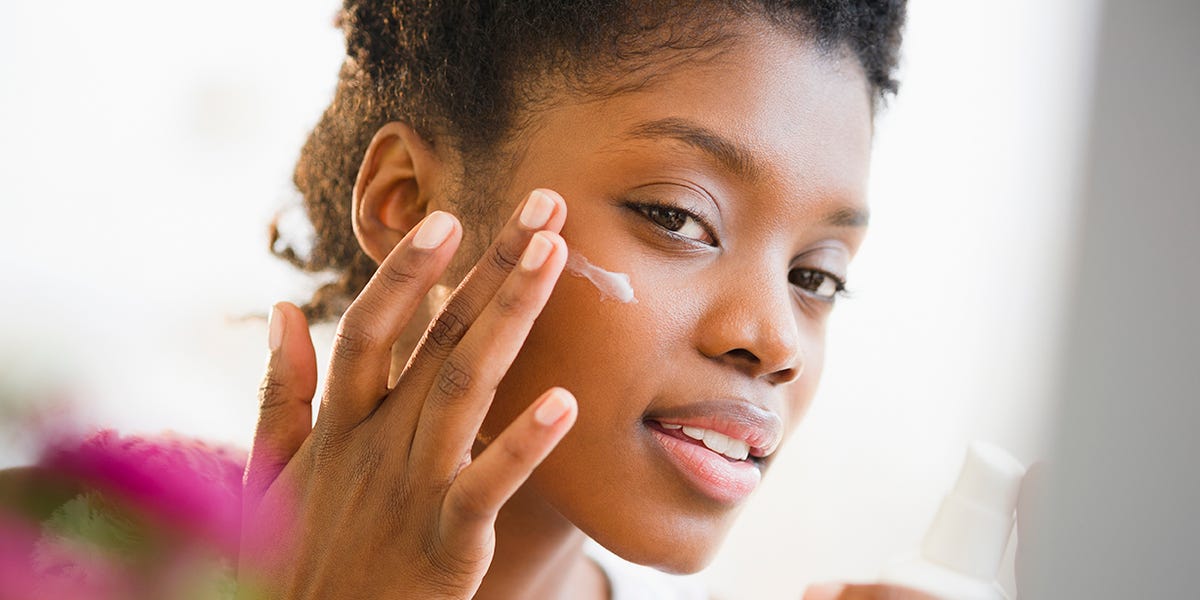
Some skincare ingredients arrive with fireworks, fanfare, and a price tag that makes yr than that. And frankly, more useful than a lot of products that come wrapped in shiny promises and suspiciously tiny bottles.
If you have ever looked at a serum label and thought, “Okay, but what exactly is niacinamide, and why is it suddenly in everything?” you are not alone. Niacinamide has become one of the most talked-about skincare ingredients because it is versatile, generally well tolerated, and helpful for a surprisingly wide range of common skin concerns.
From excess oil and enlarged-looking pores to redness, uneven tone, and a stressed-out skin barrier, niacinamide has earned its place in modern skincare routines. It is not magic, and no, it will not make your skin start paying taxes or solving algebra. But it can be a genuinely helpful ingredient when used consistently and paired with a sensible routine.
In this guide, we will break down what niacinamide is, how it works, the biggest niacinamide skincare benefits, who should use it, how to apply it, what to pair it with, and what to expect once it joins your bathroom shelf.
What Is Niacinamide?
Niacinamide is a form of vitamin B3, also called nicotinamide. Vitamin B3 is an essential nutrient, and in skincare, niacinamide is used as a topical ingredient in serums, moisturizers, masks, and some cleansers.
Its reputation comes from being a multitasker. Instead of focusing on only one issue, niacinamide supports several important skin functions at once. That is a big reason dermatologists and ingredient-savvy shoppers keep returning to it. When an ingredient can help support the skin barrier, calm irritation, improve the look of uneven tone, and balance oil without starting drama, people tend to remember its name.
Another reason niacinamide stands out is that it fits into many kinds of routines. Minimalist routine? Fine. Ten-step ritual with labels organized like a laboratory? Also fine. Niacinamide usually plays well with others, which is more than we can say for some active ingredients that act like they own the entire bathroom counter.
How Niacinamide Works in Skincare
To understand why niacinamide is so popular, it helps to think about what healthy skin needs to do every day. Your skin has to hold on to moisture, defend itself from irritation, manage oil production, recover from environmental stress, and maintain a more even surface and tone. That is a lot to ask from one organ, especially when it is also being attacked by dry air, pollution, harsh products, sun exposure, overwashing, and the occasional stress breakout right before a big event.
Niacinamide helps by supporting the skin barrier and improving how skin functions overall. A stronger barrier can mean less water loss, less sensitivity, and skin that feels calmer and more resilient. That alone makes niacinamide appealing for people whose face seems personally offended by weather changes, new cleansers, or life in general.
Top Niacinamide Skincare Benefits
1. Helps Strengthen the Skin Barrier
One of the biggest niacinamide skincare benefits is barrier support. The skin barrier is the outer protective layer that helps keep moisture in and irritants out. When it is compromised, skin may feel dry, stingy, flaky, tight, or reactive.
Niacinamide is often used to support this barrier, which can make skin feel more comfortable and less easily irritated over time. If your face seems to throw a tantrum every winter, every time you try a new active, or every time you wash it with something “ultra clarifying,” barrier support matters.
2. Can Reduce the Appearance of Redness
Niacinamide is commonly recommended for skin that looks flushed or easily irritated. It is not a cure-all for persistent redness, but it can help skin look calmer and more even. That is one reason it often shows up in products aimed at sensitive skin types and people dealing with visible irritation.
For anyone who wants their face to stop looking like it just finished a light jog in a blizzard, that is a meaningful perk.
3. May Help Balance Excess Oil
Oily skin often gets treated like a villain in skincare marketing, but oil itself is not the problem. Overproduction, shine, and clogged pores are where frustration starts. Niacinamide may help regulate visible oiliness, which can make skin look less slick by lunchtime.
This does not mean your skin will instantly become matte enough to reflect zero light like a movie villain in a black turtleneck. But it may look more balanced and feel easier to manage.
4. Makes Pores Look Less Noticeable
Important reality check: skincare does not physically erase pores, because pores are a normal part of human anatomy and not a design flaw. What niacinamide can do is help improve skin texture and oil balance, which may make pores appear smaller or less obvious.
That is a huge distinction. Niacinamide does not perform architectural renovations. It helps the overall surface of the skin look smoother, which changes how noticeable pores appear.
5. Helps Brighten Uneven Skin Tone
Niacinamide is frequently used in products for dullness and discoloration. If your skin looks uneven from post-breakout marks, mild hyperpigmentation, or general “I stayed up too late and now my face looks disappointed,” niacinamide may help create a brighter, more even appearance over time.
This is one reason niacinamide is often paired with ingredients like vitamin C, retinoids, or sunscreen-centered routines. It is not an overnight fix, but it can be part of a smart long-term plan for improving tone.
6. May Soften the Look of Fine Lines
Niacinamide also appears in anti-aging skincare because better hydration, stronger barrier function, and overall skin support can improve the look of fine lines and texture. It is not Botox in a bottle, and anyone claiming otherwise owes your skepticism a handwritten apology. But it can absolutely support skin that looks smoother, plumper, and healthier.
7. Often Works Well for Acne-Prone Skin
Because niacinamide can help with visible oiliness, redness, and post-acne marks, it often appeals to people with acne-prone skin. It is especially useful for those who want something gentler than harsher actives or who want a supporting ingredient to use alongside an acne-focused routine.
That said, severe or persistent acne may need a more targeted treatment plan. Niacinamide can be helpful, but it should not have to do the entire job alone like an exhausted group project partner.
Who Should Use Niacinamide?
Niacinamide is a good option for many skin types, including:
- Oily skin
- Combination skin
- Dry or dehydrated skin
- Sensitive skin
- Acne-prone skin
- Maturing skin
- Skin with uneven tone or post-breakout marks
It is especially appealing for people who want one ingredient that addresses several common concerns without feeling too aggressive. If your skin is reactive, niacinamide is often considered one of the more approachable active ingredients to start with.
How to Use Niacinamide in a Routine
Choose the Right Product Type
You will usually find niacinamide in serums and moisturizers. A serum may deliver a more focused dose, while a moisturizer with niacinamide can be a great choice if you want barrier support without adding another step.
Start Simple
If you are new to niacinamide, do not introduce five other actives at the same time and then wonder which one made your face grumpy. Start with one niacinamide product and use it consistently for a few weeks.
Use After Cleansing
In a basic routine, niacinamide usually goes on after cleansing and before moisturizer. If your niacinamide is already built into your moisturizer, congratulations, your routine just got easier.
Apply Once or Twice Daily
Many niacinamide products are designed for daily use, often once or twice a day depending on the formula and your skin’s tolerance. Consistency matters more than overdoing it.
Do Not Skip Sunscreen
If you are using niacinamide for dark spots, uneven tone, or signs of aging, daily sunscreen matters. Otherwise, you are trying to brighten and protect your skin while also letting UV exposure undo the progress. That is like mopping the floor while someone follows behind you throwing juice.
What Percentage of Niacinamide Is Best?
You will often see niacinamide in a range of concentrations, with lower and moderate percentages being common. More is not always better. In fact, some people do very well with formulas around 2% to 5%, while others use higher strengths without trouble.
If your skin is sensitive, starting lower can be a smart move. If you jump straight into a very strong formula because the label looks impressive, your skin may respond with confusion rather than gratitude. A boringly consistent product you actually tolerate is better than a trendy one you abandon after three uses.
Can You Use Niacinamide With Other Ingredients?
Usually, yes. Niacinamide is often paired with other popular skincare ingredients, including:
- Hyaluronic acid: a great combo for hydration and barrier support
- Ceramides: helpful if your goal is calmer, stronger-feeling skin
- Retinol: niacinamide may help support skin that tends to get dry or irritated
- Vitamin C: many people use both in the same routine or at different times of day
- Salicylic acid: a useful pairing for oily or acne-prone skin, depending on tolerance
The main rule is not that certain pairings are forbidden. It is that your skin has limits. Even a good combination can become too much if every product in the routine is potent, fragranced, exfoliating, or drying.
Possible Side Effects of Niacinamide
Niacinamide is generally considered well tolerated, especially compared with stronger exfoliating acids or prescription-style actives. Still, no skincare ingredient is universally adored by every face on Earth.
Some people may notice:
- Mild irritation
- Temporary redness
- Itching
- Breakouts if the full formula does not agree with their skin
Sometimes the problem is not niacinamide itself but the overall product formula, which may include fragrance, essential oils, or other ingredients your skin dislikes. Patch testing is a smart idea, especially if your skin is sensitive or you have had reactions before.
How Long Does Niacinamide Take to Work?
Skincare marketing loves urgency. Real skin tends to prefer patience. Some people notice that their skin feels calmer or less dry within a couple of weeks. Improvements in tone, post-breakout marks, texture, or overall smoothness often take longer, sometimes several weeks or more.
The important thing is to look for gradual progress, not instant perfection. If your skin seems a little more even, a little less irritated, and a little easier to manage after consistent use, niacinamide may be doing exactly what it is supposed to do.
Niacinamide vs. Niacin: What Is the Difference?
This part confuses a lot of people, so let’s make it simple. Niacinamide is a form of vitamin B3. Niacin is also a form of vitamin B3, but it is not the same thing in practice. In skincare conversations, niacinamide is usually the form being discussed for topical use.
That does not mean you should assume an oral niacin supplement works the same way as a topical niacinamide serum. They are not interchangeable just because they are cousins in the vitamin family. Skincare really loves making chemistry sound like a family reunion, but this is one of those times where the distinction matters.
Is Niacinamide Worth Adding to Your Routine?
If you want a flexible, evidence-backed ingredient that can support hydration, barrier health, smoother texture, brighter-looking skin, and a calmer complexion, niacinamide is absolutely worth considering. It is one of the rare skincare ingredients that can appeal to beginners, sensitive skin users, acne-prone skin types, and people focused on healthy aging.
It is not flashy. It is not dramatic. It is not likely to become the star of a skincare commercial where someone splashes water on their face in slow motion. But it is practical, helpful, and refreshingly un-chaotic. In skincare, that is a beautiful thing.
Real-World Experiences With Niacinamide
One reason niacinamide keeps showing up in medicine cabinets, gym bags, and skincare recommendation threads is that the experience of using it often feels refreshingly normal. Not dramatic. Not cinematic. Just quietly effective in the way good skincare usually is.
A lot of people first try niacinamide when their skin is going through a phase. Maybe they overused exfoliants and now everything stings. Maybe they are dealing with shiny skin by noon, random breakouts on the chin, or dark marks that linger long after a pimple has left the building. Niacinamide often enters the story as the ingredient people try when they are tired of extreme products and want something calmer.
In the first week or two, the most common experience is not “Wow, I look airbrushed.” It is more like, “My skin feels a little less irritated,” or “My moisturizer seems to be working better now.” That may sound subtle, but subtle is often exactly what damaged or reactive skin needs. When your face stops feeling tight after cleansing or less angry after a long day, that is real progress.
For oily and combination skin, users often describe a gradual change in how their skin looks by the middle of the day. There may still be some shine, because skin is alive and not made of drywall, but the oil can feel less overwhelming. Makeup may sit better. The forehead may stop trying to become its own reflective surface by lunch. Pores do not vanish, because that would require science fiction, but they may look less obvious as texture improves.
People focused on uneven tone often report a slower journey. This is not the kind of ingredient that usually delivers a lightning-bolt transformation overnight. Instead, the experience is often that the skin starts to look more balanced after steady use. Post-breakout marks may fade more gradually, redness may seem less obvious in photos, and the overall complexion can look more rested. It is the kind of improvement that sneaks up on you when you catch your reflection one morning and realize your skin looks calmer than it did a month ago.
Another common experience is that niacinamide fits into routines without causing much conflict. People who use retinol, gentle acids, or simple moisturizers often like niacinamide because it tends to feel like a supportive teammate instead of a demanding diva. It does not usually need a spotlight. It just gets to work and lets the rest of the routine function a little better.
Of course, not every experience is perfect. Some people find that higher-strength niacinamide formulas feel irritating, especially if they already have sensitive skin or are using too many actives at once. Others realize the issue was not niacinamide itself but the overall product formula. That is why the smartest real-world approach is still the least glamorous one: patch test, introduce it slowly, and pay attention to what your own skin is saying.
In everyday life, the appeal of niacinamide is simple. It often helps skin feel steadier, look more even, and react less dramatically. And honestly, if an ingredient can make your face a little calmer while the rest of your life remains chaotic, that is a pretty respectable achievement.
Conclusion
Niacinamide may not be the loudest ingredient in skincare, but it is one of the most useful. It helps support the skin barrier, improves the look of uneven tone, reduces visible oiliness, softens the appearance of pores, and fits comfortably into many routines. Whether your goal is calmer skin, brighter skin, smoother skin, or simply less complicated skin, niacinamide deserves a serious look.
The smartest way to use it is also the least exciting way: choose a well-formulated product, start slowly, stay consistent, and wear sunscreen like you mean it. No fireworks required.