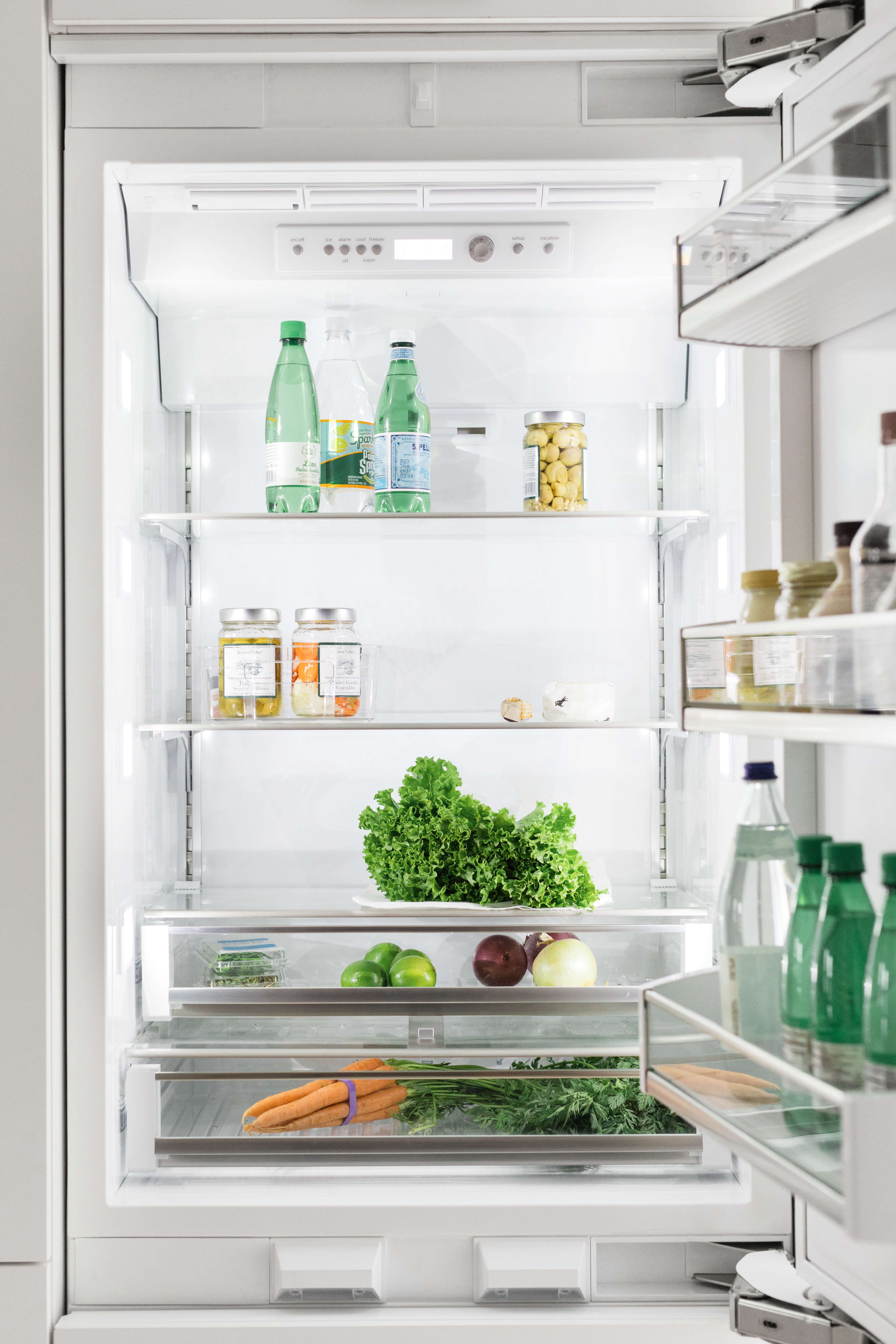
If Part I of choosing kitchen appliances was about the obvious stuffsize, style, finish, and whether your dream fridge actually fits through the front doorPart II is where the real grown-up decisions begin. This is the stage where kitchens either become hardworking masterpieces or very expensive regret museums.
Choosing the right kitchen appliances is not just about buying the prettiest stainless steel objects you can afford. It is about matching appliances to the way you actually cook, clean, host, snack at midnight, and pretend you are finally going to meal prep on Sundays. The right setup should support your routine, protect your budget, and keep your kitchen functional for years.
In this guide, we will go beyond surface-level shopping advice and dig into the details that matter most: fuel type, ventilation, cleaning performance, noise level, layout, energy efficiency, smart features, service support, and package planning. If you want a kitchen that looks great and behaves itself, this is where to start.
Start with Your Real-Life Kitchen Habits, Not Appliance Hype
The biggest appliance mistake people make is shopping for an imaginary version of themselves. That fantasy person bakes artisanal sourdough twice a week, stir-fries like a restaurant chef, and somehow keeps a smart refrigerator organized by produce color. Charming. Also unlikely.
Instead, ask a few brutally honest questions:
How do you actually cook?
If you mostly boil pasta, roast chicken, reheat leftovers, and make the occasional heroic holiday meal, you may not need a pro-style range with enough burners to launch a small catering business. But if you cook daily, multitask constantly, and juggle several pans at once, burner layout, oven consistency, and ventilation become far more important.
How often do you entertain?
A household that hosts weekend brunches, birthday dinners, and game-day chaos will value extra refrigerator space, flexible shelving, stronger dishwashing capacity, and quieter operation. A smaller household may care more about footprint, simplicity, and efficiency.
What annoys you most in your current kitchen?
If your current dishwasher sounds like an airport runway, noise matters. If your fridge is always packed like a game of grocery Tetris, capacity matters. If your kitchen smells like last night’s salmon for two days, congratulations: ventilation just got promoted to a top priority.
Choose Appliances by Zone, Not One by One
One smart way to shop is to think in kitchen zones rather than individual products. Your appliances should work together inside a system, not act like strangers forced into an awkward group project.
The cold storage zone
This includes the refrigerator, freezer, beverage center, and ice maker if you have one. Think about door clearance, traffic flow, shelf flexibility, and whether you need counter-depth styling or maximum-capacity storage. French door refrigerators are popular because they balance access and organization, but top-freezer or bottom-freezer models can offer strong value depending on your budget and habits.
The cooking zone
Your range, cooktop, wall oven, microwave, and hood should be chosen together. A gorgeous range paired with weak ventilation is like buying a sports car and filling it with lawn mower fuel. Make sure your cooking appliances match both your fuel setup and your kitchen’s ability to handle heat, moisture, and grease.
The cleanup zone
Your dishwasher, sink area, trash pullout, and cabinet storage should support your post-meal reality. If your dishwasher has a third rack, adjustable tines, and flexible loading, it can reduce handwashing and speed up cleanup. If it is also quiet, even betteryou can run it at night without feeling like a robot uprising has started in the kitchen.
Ranges, Cooktops, and Ovens: Pick the Fuel That Fits Your Style
The gas-versus-electric debate has enough energy to ruin a family holiday, but the correct answer depends on your priorities.
Gas cooking
Gas remains popular with home cooks who like visible flame control and quick response. It feels familiar and performs well for many cooking styles. But it also produces heat, combustion byproducts, and the kind of airborne chaos that makes a strong hood important.
Electric cooking
Electric cooking has become far more appealing than its outdated reputation suggests. Today’s electric and induction options can deliver fast heating, easy cleaning, and sleek looks. If you want a more modern cooking experience with a smooth surface and fewer fuss points, electric deserves serious consideration.
Induction cooking
Induction is the overachiever of the bunch. It heats quickly, responds fast, and keeps the cooking surface cooler than traditional radiant electric options. It is especially appealing for busy households, safety-conscious cooks, and anyone who enjoys wiping a cooktop without chiseling away burnt-on mystery residue. The catch? You need compatible cookware, and in some homes you may need electrical upgrades.
For many shoppers, the best question is not “Which fuel is best?” but “Which fuel makes the most sense for my wiring, my cookware, my cooking style, and my tolerance for maintenance?” That is a far more useful conversation.
Do Not Treat Ventilation as an Afterthought
Let’s say this clearly: a kitchen hood is not a decorative hat for your range. It is a working appliance, and it matters more than many shoppers realize.
Cooking creates heat, grease, moisture, and odors. If you cook oftenespecially with gas, high heat, frying, or searinggood ventilation is part of a healthy and comfortable kitchen. A ducted hood that vents outdoors typically provides better performance than a recirculating model, especially for serious cooking.
When choosing a hood, consider:
Width and coverage
The hood should at least match the width of your cooking surface, and in many kitchens slightly wider is even better. Good capture area is not glamorous, but it is wildly effective.
Mounting height
Too high, and it loses effectiveness. Too low, and you will eventually bonk your forehead while making pancakes. Follow manufacturer guidance and installation requirements closely.
Noise and power balance
A hood should be powerful enough to do the job without sounding like a helicopter preparing for lift-off. If you cook frequently, look for a model with multiple speed settings so you can adjust performance to the task.
Also, if your salesperson starts talking about makeup air requirements, do not panic. That is not code for “your kitchen is haunted.” It simply means your ventilation plan may need to satisfy local building rules when a powerful hood exhausts air from the home.
Refrigerators: Stop Guessing and Start Measuring
A refrigerator is often the visual anchor of the kitchen, but it is also one of the easiest appliances to buy badly. Too large, and it blocks traffic. Too deep, and it sticks out like a suitcase in a hallway. Too feature-heavy, and you may pay for bells and whistles you will barely use.
Know your refrigerator style options
French door models remain popular for families and entertainers because they offer wide shelving and flexible freezer layouts. Side-by-side refrigerators offer easy freezer access but narrower shelves. Top-freezer models are often budget-friendly and practical. Bottom-freezer options can be a strong middle ground.
Counter-depth vs. standard-depth
If you want a built-in look without built-in pricing, counter-depth can be attractive. It helps streamline the room visually and can improve traffic flow. Standard-depth usually gives you more storage for the money. This is one of those classic design-versus-capacity trade-offs, and there is no universal winner.
Think about features realistically
Internal water dispensers, external dispensers, dual ice makers, convertible drawers, Wi-Fi alerts, door-in-door accessmodern refrigerators can do a lot. The question is whether you need them. A filtered water dispenser may be a daily luxury. A specialty ice option may be delightful if you entertain often. But every added feature is another system, another cost, and potentially another service issue down the road.
Dishwashers: Quiet, Flexible, and Actually Good at Drying
Dishwasher shopping used to be simple. Then manufacturers introduced third racks, advanced drying systems, smart cycles, hidden controls, adjustable interiors, and noise ratings so low you can accidentally stand there wondering whether the machine is on. Progress is beautiful.
Noise matters more than you think
If you have an open-concept home or eat-in kitchen, pay close attention to decibel ratings. A quieter machine can make a huge difference in everyday comfort. This is especially important for households that run the dishwasher at night or during work-from-home hours.
Interior flexibility matters too
Look for adjustable racks, fold-down tines, and a third rack if your household uses lots of utensils, serving pieces, or small prep tools. These details improve loading efficiency more than flashy control panels ever will.
Do not ignore drying performance
A dishwasher that cleans well but leaves plastic containers wet is halfway to victory. Drying systems vary, and the best choice depends on what you wash most often. Families with lunch containers, storage bins, and assorted plastic chaos should prioritize drying performance instead of assuming every dishwasher handles it equally.
Smart Features: Useful or Just Showing Off?
Smart appliances can genuinely help, but only when the features solve a real problem. Remote preheat, maintenance reminders, cycle notifications, energy monitoring, and diagnostic alerts can all be useful. If you are busy, frequently multitask, or love getting a heads-up before something becomes expensive, these features may be worth paying for.
On the other hand, not every kitchen needs an app-enabled everything. Sometimes a reliable, intuitive appliance with solid core performance is the better buy. A good rule: never choose smart features instead of strong cleaning, cooling, cooking, or ventilation basics. Choose them after the fundamentals are excellent.
Energy Efficiency and Operating Costs Count
The purchase price is only part of the cost story. Efficient appliances can reduce utility use over time, and depending on where you live, rebates may make better models more affordable than expected. That means comparing appliances should include not only the sticker price, but also the longer-term cost of running them.
Efficiency is especially worth considering if you are replacing several major appliances at once. A kitchen suite with efficient refrigeration, dishwashing, and electric cooking can improve both everyday performance and annual operating costs. It may also make your kitchen more future-friendly if you are thinking long term about updates or resale.
Service, Parts, and Local Support Deserve a Seat at the Table
Here is some gloriously unsexy but incredibly important advice: before buying a brand, find out who services it in your area.
This does not sound exciting because it is not exciting. It is, however, the difference between “minor inconvenience” and “my brand-new oven has been out of commission for six weeks and I am now personally offended by toast.”
Ask these questions before you buy:
- Who handles service locally?
- Are parts typically available without long delays?
- Does the retailer coordinate delivery, installation, and warranty support?
- What happens if there is an issue right after installation?
Fancy features are easy to sell. Good service is harder to market, but far more valuable when something goes wrong.
Should You Buy a Package or Mix Brands?
Kitchen appliance packages can make shopping easier and create a clean, coordinated look. They also sometimes come with promotions or bundled savings. If you want visual consistency and a simpler decision-making process, packages can be a smart move.
But matching everything is not always the best performance strategy. Some shoppers prefer a “best-in-category” mix: perhaps a refrigerator from one brand, a dishwasher from another, and an induction range from a third. This can yield stronger performance overall, though it requires more planning and a careful eye for finish compatibility.
The right answer depends on your priorities:
- Choose a package if you want convenience, a cohesive look, and easier comparison shopping.
- Mix brands if performance matters more than perfect visual uniformity and you are willing to do extra homework.
Conclusion: Buy for the Kitchen You Live In
The right kitchen appliances are not the most expensive, the trendiest, or the ones with the most buttons. They are the ones that fit your space, support your routine, respect your budget, and still make sense a few years from now.
That means measuring carefully, choosing fuel and ventilation thoughtfully, paying attention to noise and capacity, being realistic about smart features, and taking service seriously before checkout. It also means remembering that appliances are tools first and status symbols a very distant second.
A well-planned kitchen does not just look polished in photos. It works on rushed Monday mornings, crowded holidays, lazy takeout nights, and every moment in between. Choose appliances that serve your real life, and your kitchen will reward you with comfort, convenience, and far fewer muttered regrets.
Real-World Experiences: What People Learn After Living With Their Appliance Choices
One of the most useful ways to understand kitchen appliances is to look at what happens after the showroom lights are gone and real life takes over. People often discover that the best appliance decisions are not the flashiest onesthey are the choices that quietly make the kitchen easier to live with every single day.
Take the family that upgraded to a massive professional-style range because it looked impressive in the store. At first, they loved the statement-making design. A few months later, they realized they rarely used half the burners, the oven took longer to clean than expected, and the weak recirculating hood could not keep up with heavy cooking. Their lesson was simple: buy for performance balance, not showroom drama. The range was not the problem by itself; the mismatch between the range and the ventilation plan was.
Then there is the couple who chose a quieter dishwasher after years of living with a loud old unit. They did not expect the change to feel dramatic, but it did. Suddenly they could run a cycle after dinner while talking in the kitchen, watching television nearby, or taking late-night calls. What seemed like a “nice bonus” turned into one of their favorite upgrades. In open-concept homes, quiet appliances do not feel luxuriousthey feel sane.
Another common experience involves refrigerators. Many homeowners fall in love with large French door models, only to realize later that capacity on paper is not the same as useful organization in daily life. Some discover they would rather have simpler shelving and fewer specialty compartments. Others find that counter-depth refrigerators, while slightly smaller, improve traffic flow so much that the kitchen actually functions better. In real homes, inches matter. Not glamorous inches, but powerful ones.
Induction owners often describe a similar journey. At first, they worry about cookware compatibility or whether the cooking experience will feel strange. After a few weeks, many become fiercely loyal. They like the speed, the easy cleanup, and the more controlled feel. The biggest surprise is often not cooking performance, but the way induction changes the overall kitchen environment. Less ambient heat, less mess baked onto the surface, and a cleaner-looking space can make the kitchen feel calmer.
Perhaps the most important real-world lesson is this: local service matters more than buyers think. Many people never ask who repairs the appliance until something breaks. The happiest owners are often not the ones who bought the fanciest suite, but the ones who bought brands with solid support, clear warranties, competent installation, and accessible service. In the long run, convenience beats bragging rights almost every time.