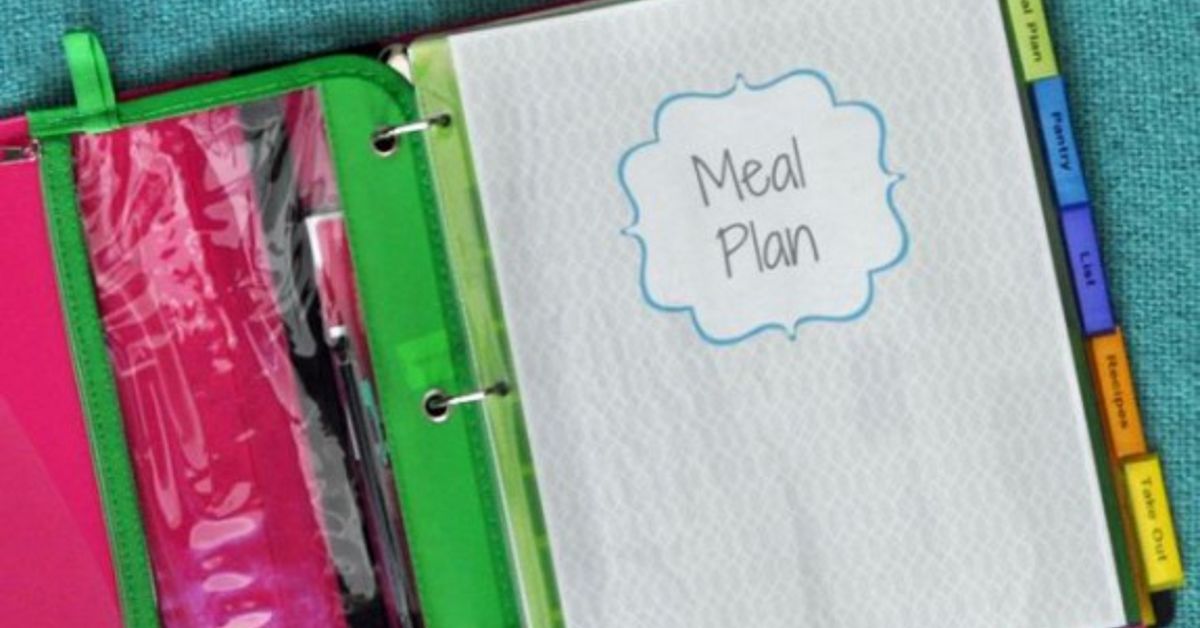
If your family’s dinner plan usually begins with someone opening the fridge, staring into the abyss, and whispering, “So… cereal?” you are not alone. Feeding a household is part nutrition, part budgeting, part scheduling, and part emotional negotiation with a child who loved broccoli on Tuesday but now considers it a personal betrayal.
That is where a family meal plan binder comes in. It is not just a cute organizational project for people who own label makers and matching highlighters. A meal planning binder is a practical command center for weekly menus, grocery lists, pantry inventory, favorite recipes, food safety notes, school lunch ideas, and emergency “we are too tired to cook” backup meals.
The best part? You do not need to be a perfect planner. You only need a simple system that keeps dinner from turning into a nightly mystery show. This guide walks you through how to make a family meal plan binder that saves time, reduces food waste, trims grocery spending, and makes home cooking feel less like a pop quiz.
What Is a Family Meal Plan Binder?
A family meal plan binder is a physical binder that stores everything you need to plan, shop for, cook, and repeat meals your household actually eats. Think of it as your family’s food brain on paper. It can include weekly menus, monthly meal calendars, recipe pages, pantry and freezer inventories, shopping lists, coupon pockets, lunchbox ideas, and notes about dietary needs.
Unlike a random stack of printed recipes or screenshots hiding somewhere in your phone, a binder gives your meal planning system structure. It helps you answer the big daily question: “What’s for dinner?” without needing to reinvent your entire life at 5:42 p.m.
Why a Meal Planning Binder Works So Well for Families
Meal planning sounds simple until real life enters the kitchen wearing muddy shoes. Families deal with sports practice, late meetings, picky eaters, grocery prices, forgotten leftovers, school lunches, snack emergencies, and that one jar of salsa that has lived in the fridge since the previous administration.
A binder helps because it turns meal planning into a repeatable routine. Instead of making decisions from scratch every week, you build a library of meals, lists, and shortcuts. Over time, the binder becomes easier to use because it reflects your real household habits, not someone else’s fantasy of a perfectly balanced week featuring quinoa bowls and zero complaints.
It Saves Time
When your weekly meal plan, grocery list, and go-to recipes live in one place, you spend less time searching and more time cooking. You can plan around busy nights, choose quick meals when needed, and avoid extra grocery runs for one forgotten onion.
It Helps Control Grocery Spending
A meal plan binder encourages pantry-first planning. Before shopping, you check what you already have, then build meals around those ingredients. This simple habit can stop duplicate purchases, reduce impulse buys, and keep your grocery list focused.
It Reduces Food Waste
When you track what is in the fridge, freezer, and pantry, you are more likely to use food before it spoils. Planning meals around perishable ingredients early in the week is one of the easiest ways to prevent sad produce from turning into expensive compost.
It Makes Family Meals More Realistic
A good meal planning binder is not about creating a perfect menu. It is about building a realistic one. Some nights can be homemade soup and salad. Other nights can be rotisserie chicken, frozen vegetables, and toast shaped like survival. Both count.
Supplies You Need to Build a Meal Plan Binder
You do not need fancy supplies, but a few basics will make your binder easier to use. Choose items that can survive kitchen life, which includes splatters, sticky fingers, and the occasional mysterious crumb avalanche.
Basic Supplies
- A sturdy 1.5-inch or 2-inch three-ring binder
- Tabbed dividers
- Clear sheet protectors
- Printable meal planning pages or notebook paper
- A pencil or erasable pen
- A zipper pouch for coupons, receipts, or meal cards
- Sticky notes for quick changes
If you want the binder to feel extra useful, add a clear pocket on the front cover with your current weekly meal plan. That way, everyone can see what is coming. This does not guarantee they will stop asking what is for dinner, but it gives you something to point at dramatically.
Best Sections to Include in a Family Meal Plan Binder
The sections below create a strong foundation. You can add or remove categories based on your household, but try not to overcomplicate the binder at the beginning. A simple binder you actually use beats a beautiful one that becomes a decorative paper sandwich.
1. Weekly Meal Plan
This is the heart of the binder. Create a weekly meal planning page with spaces for breakfast, lunch, dinner, and snacks. If planning every meal feels overwhelming, start with dinners only. Dinner is usually the meal that causes the most household panic, so solving that first gives you a quick win.
Include a small notes section for schedule reminders. For example:
- Monday: soccer practice, quick dinner
- Tuesday: slow cooker meal
- Wednesday: leftovers night
- Friday: family movie night, homemade pizza
Planning around your schedule is more important than planning around ambition. If Thursday is always chaotic, do not schedule homemade lasagna unless your hobby is crying into ricotta.
2. Monthly Meal Calendar
A monthly calendar helps you see patterns. You can mark theme nights, holidays, birthdays, school events, and freezer meals. Some families like rotating themes such as Taco Tuesday, Pasta Wednesday, Soup Sunday, or Breakfast-for-Dinner Friday.
Theme nights reduce decision fatigue. Instead of asking, “What are we eating?” you ask, “Which taco filling should we use?” That is a smaller, friendlier question.
3. Family Favorite Meals
Create a master list of meals your family already likes. This section is gold. When your brain goes blank, you can flip to the list and choose something proven. Divide the list into categories such as chicken, beef, vegetarian, pasta, seafood, slow cooker, soups, breakfast, lunches, and freezer meals.
Include only meals that are realistic for your home. If your family refuses lentil stew with the intensity of a courtroom objection, do not keep forcing it onto the plan. A binder should help you cook better, not gaslight your dinner table.
4. Grocery List Templates
A reusable grocery list template saves time and helps you shop more efficiently. Organize it by store section: produce, dairy, meat and seafood, frozen foods, pantry staples, bakery, household items, and snacks. This layout keeps you from zigzagging through the store like you are competing in a shopping cart obstacle course.
Keep a few blank copies in the binder. You can also create a master grocery checklist of items you buy regularly, such as eggs, milk, rice, oats, apples, yogurt, tortillas, canned beans, pasta, peanut butter, and frozen vegetables.
5. Pantry, Fridge, and Freezer Inventory
This section is one of the most powerful parts of a family meal plan binder. Make separate inventory pages for pantry staples, freezer items, and refrigerated foods. Write down what you have, how much is left, and when it should be used.
A simple inventory helps you build meals from existing ingredients. If you already have ground turkey, frozen corn, canned tomatoes, and rice, you are halfway to taco bowls. If you have three open bags of shredded cheese, congratulations, you have discovered the family meal planner’s version of buried treasure.
6. Recipe Collection
Use sheet protectors to store printed recipes, handwritten cards, and magazine clippings. Divide recipes by category so they are easy to find. For digital recipes, print only the ones you truly use, or create a page with recipe names and where to find them online.
Write notes directly on recipe pages. Add comments such as “double the sauce,” “too spicy for kids,” “great with rice,” “takes longer than promised,” or “everyone ate this without making a face.” These notes make your binder more valuable over time.
7. Budget and Price Tracker
A price tracker helps you learn what common foods usually cost. You do not need to track every grape. Start with high-use items: milk, eggs, bread, chicken, ground beef, rice, pasta, cheese, apples, frozen vegetables, and cereal.
Over time, this section helps you recognize real deals. It also keeps you from buying a giant warehouse-club box of something your family only eats when Mercury is in retrograde.
8. School Lunch and Snack Ideas
If you pack lunches, give them their own section. Make lists of easy combinations: turkey wrap with fruit, hummus with pita and cucumbers, pasta salad with cheese cubes, yogurt with granola, leftovers in a thermos, or hard-boiled eggs with crackers and berries.
Include snacks that are easy, affordable, and not guaranteed to return home untouched. If your child keeps bringing back baby carrots, write that down. The binder should reflect reality, not vegetable optimism.
9. Leftovers and Food Safety Notes
Use this section for reminders about safe food storage, reheating, and freezer labels. Keep a simple chart for common leftovers, and write the date on containers before storing them. A roll of masking tape and a marker can save you from playing “Is this chili or ancient pasta sauce?” later in the week.
As a practical rule, plan a leftovers night once or twice a week. Leftovers are not a punishment; they are dinner that already did most of the work.
10. Emergency Meals
Every family needs a list of emergency meals. These are dinners you can make when the day goes sideways. Good examples include quesadillas, scrambled eggs and toast, pasta with jarred sauce, tuna melts, grilled cheese and tomato soup, rice bowls, frozen ravioli, baked potatoes, and rotisserie chicken wraps.
Keep the ingredients for a few emergency meals on hand. This prevents expensive takeout from becoming the default answer to exhaustion.
How to Set Up Your Family Meal Plan Binder Step by Step
Step 1: Choose Your Binder and Dividers
Start with a binder that is large enough to grow but not so huge that it feels like a kitchen encyclopedia. A 1.5-inch binder works for many families. Use dividers for your main categories and label them clearly.
Step 2: Print or Create Your Core Pages
At minimum, create pages for weekly meal planning, grocery lists, family favorite meals, pantry inventory, freezer inventory, and recipes. You can design your own pages or use simple lined paper. Function matters more than fonts.
Step 3: Make a Master Meal List
Before planning future meals, write down what your family already eats. Aim for 20 to 30 meals. Include easy dinners, weekend meals, slow cooker options, lunch ideas, and breakfasts. This list becomes your shortcut when planning feels hard.
Step 4: Take Inventory Before You Plan
Check your pantry, fridge, and freezer before making your menu. Circle ingredients that need to be used soon. Build the first few meals of the week around fresh produce, dairy, or leftovers that will not last forever.
Step 5: Plan Around Your Calendar
Look at the week ahead. Match meals to your schedule. Busy night? Choose a slow cooker meal, sheet-pan dinner, leftovers, or sandwiches. Quiet evening? Try a new recipe. Planning this way keeps your meal plan from becoming a work of fiction.
Step 6: Write the Grocery List
Once your meals are chosen, write a grocery list based only on what you need. Check your inventory first so you do not buy a fourth bottle of soy sauce. Group items by store section to make shopping faster.
Step 7: Review and Update Weekly
At the end of the week, take five minutes to review what worked. Which meal was a hit? Which one created leftovers? Which recipe took much longer than expected? Add notes so future-you can benefit from current-you’s kitchen wisdom.
Easy Meal Planning Methods to Use Inside the Binder
The Theme Night Method
Assign each night a category: Meatless Monday, Taco Tuesday, Pasta Wednesday, Slow Cooker Thursday, Pizza Friday, Leftover Saturday, and Soup Sunday. This method gives structure while still allowing variety.
The Cook Once, Eat Twice Method
Plan one ingredient for two meals. Roast chicken one night, then use leftovers for soup, salad, wraps, or quesadillas. Cook extra rice for stir-fry later. Brown ground beef for spaghetti and taco bowls. This saves prep time without making every meal taste identical.
The Pantry-First Method
Start with what you own, then plan meals around those items. This method is especially useful before grocery shopping, after holidays, or when the pantry looks full but somehow “there is nothing to eat.”
The Five Dinner Method
Instead of planning seven dinners, plan five. Leave room for leftovers, a family event, or a flexible night. This approach prevents overbuying and makes the plan easier to follow.
Meal Plan Binder Examples for a Busy Family Week
Here is a sample dinner plan that balances convenience, leftovers, and variety:
- Monday: Chicken taco bowls with rice, beans, corn, salsa, and avocado
- Tuesday: Sheet-pan sausage, potatoes, and green beans
- Wednesday: Leftover taco bowls or quesadillas
- Thursday: Slow cooker beef stew with whole-grain rolls
- Friday: Homemade pizza night with salad
- Saturday: Breakfast for dinner with eggs, fruit, and toast
- Sunday: Pasta with turkey meat sauce and roasted vegetables
This plan works because it includes a leftovers night, a slow cooker meal, a fun family meal, and simple ingredients that can overlap. Rice, beans, vegetables, eggs, and cheese can support multiple meals instead of sitting around waiting for inspiration.
Tips to Keep Your Meal Plan Binder From Becoming Clutter
A binder should make life easier, not become one more thing to organize. Keep it lean. Remove recipes you never make. Toss old grocery lists. Update inventory pages regularly. Use pencil when possible because meal plans change, children suddenly hate things, and sometimes Tuesday becomes nacho night because everyone deserves joy.
Schedule one weekly planning time. Many families like Sunday afternoon, but choose whatever works. Keep the binder near the kitchen, not buried in a desk drawer under expired coupons and school forms from 2021.
Most importantly, let the binder evolve. Your family’s meals will change with seasons, schedules, ages, budgets, and preferences. A useful binder grows with you.
Common Mistakes to Avoid
Planning Too Many New Recipes
New recipes are fun, but too many in one week can make dinner stressful. Try one new recipe per week and rely on familiar meals the rest of the time.
Ignoring the Family Calendar
Do not plan complicated dinners on busy nights. The meal plan should support your life, not challenge it to a duel.
Forgetting Leftovers
If you cook every night without planning for leftovers, food piles up. Schedule leftover meals or repurpose extras into lunches, soups, wraps, or casseroles.
Making the Binder Too Pretty to Use
Pretty pages are nice, but usability matters more. A few sauce splatters mean your binder is doing its job.
Real-Life Experience: What Making a Family Meal Plan Binder Actually Feels Like
The first time you make a family meal plan binder, it may feel oddly ambitious, like you are applying for the position of Household Food Director. You sit down with a binder, dividers, and a hopeful pen, imagining a future where everyone eats balanced meals, groceries stay within budget, and no one discovers a cucumber liquefying in the produce drawer. It is a beautiful dream. It is also okay if the first version is messy.
In real life, the most useful meal plan binder is built through trial and error. You may begin with ten sections and later realize you only use five. You might print a gorgeous monthly meal calendar and then discover your family operates better with a weekly plan. You may lovingly copy a recipe for baked salmon, only to learn that your children believe salmon is “too fish-shaped.” That is not failure. That is data.
One of the biggest lessons is that family meal planning works best when it is honest. If your household needs two convenience meals per week, write them into the plan. If your family loves tacos, let tacos appear often. If Wednesday nights are exhausting, make Wednesday leftover night. The binder should not be a shrine to imaginary perfection. It should be a practical tool that helps you feed real people with real schedules and real opinions about onions.
Another helpful experience is involving the family. Ask each person to name three meals they enjoy. Younger kids can choose between two dinner options. Older kids can help write the grocery list or pick one meal to cook. When people have a say, they are often more willing to eat what is served. Not always, of course. There will still be dramatic sighing. But there may be less of it.
The binder also becomes surprisingly calming. There is something reassuring about knowing you have a plan, even when the plan changes. When a meeting runs late or someone gets sick, you can flip to the emergency meal list. When money is tight, you can plan from pantry staples. When you are tired of every meal you have ever cooked, the family favorites page reminds you that yes, there are foods people like.
Over time, the binder turns into a record of what actually works. You learn which meals stretch into lunches, which snacks disappear fastest, which freezer meals save the day, and which recipes are not worth the dishes they create. That knowledge is powerful. It makes grocery shopping easier, cooking faster, and dinner less stressful.
The best experience of all is realizing that a family meal plan binder does not lock you into rigid rules. It gives you options. It helps you make fewer last-minute decisions. It catches the small details your brain is too busy to hold. And on the nights when the plan falls apart anyway? The binder will still be there tomorrow, ready to help you try againwith fewer mystery leftovers and, hopefully, more clean forks.
Conclusion
Learning how to make a family meal plan binder is less about creating a perfect household system and more about making daily meals easier to manage. With sections for weekly menus, grocery lists, pantry inventory, freezer tracking, favorite recipes, school lunches, and emergency meals, your binder becomes a practical kitchen assistant that never judges you for serving breakfast for dinner.
Start simple. Build a weekly meal plan, write a grocery list, track what you already have, and save the recipes your family truly enjoys. As the binder grows, it will help you save time, reduce waste, spend more wisely, and make family meals feel less chaotic. Dinner may never be completely drama-free, but with a meal plan binder, at least you will know where the tortillas are.