A lower back spasm can transform an ordinary movementreaching for a sock, lifting a grocery bag, or turning toward the alarm clockinto an unexpected audition for a slow-motion action movie. The muscles suddenly tighten, movement feels risky, and your back seems to have activated its emergency brake without consulting you.
Fortunately, many lower back spasms are related to temporary muscle strain, fatigue, awkward movement, or overuse. They often improve with sensible home care, gradual movement, and time. The important part is knowing how to calm the spasm without becoming completely inactive, which stretches are appropriate, and which symptoms require medical attention.
What Is a Lower Back Spasm?
A lower back spasm is an involuntary contraction or sudden tightening of one or more muscles in the lumbar region. It may feel like a hard knot, cramp, twitch, grabbing sensation, or painful band across the back. The muscle may remain tight for several seconds or minutes, or it may repeatedly contract whenever you try to move.
A spasm is a symptom rather than a complete diagnosis. In many cases, it is the body’s protective response to irritation or injury. A strained muscle, for example, may contract to limit movement around the painful area. The protection is well intentioned, but it can feel as though your muscles have appointed themselves security guards who refuse to let anyone through.
Common triggers and causes
Lower back spasms frequently develop after lifting, twisting, bending, exercising, sitting for a long time, or suddenly increasing physical activity. Weak core muscles, poor conditioning, repetitive work, awkward posture, and muscle fatigue can increase the likelihood of a strain.
Other possible contributors include irritated spinal joints, a bulging or herniated disk, arthritis, spinal narrowing, nerve irritation, or an old injury. Dehydration may contribute to muscle cramping in some situations, particularly during strenuous activity, although recurring back spasms should not automatically be blamed on a missing sports drink.
Pain near the lower back can also come from the kidneys, urinary tract, abdominal organs, or pelvic structures. A healthcare professional should evaluate symptoms that do not fit a typical muscular pattern.
How to Get Relief From a Lower Back Spasm
1. Stop the aggravating movement without freezing for the entire day
When a spasm strikes, stop lifting, twisting, or performing the movement that triggered it. Move slowly into a tolerable position. Some people feel more comfortable lying on their backs with their knees supported by pillows. Others prefer lying on one side with a pillow between the knees.
Briefly reducing activity is reasonable, but prolonged bed rest is generally discouraged for uncomplicated lower back pain. Too much inactivity can increase stiffness, weaken supporting muscles, and make the return to normal movement more difficult. Once the sharpest pain settles, take short walks around the room and change positions regularly.
2. Use cold or heat safely
Cold can numb pain and may help control inflammation after a sudden strain. Wrap an ice pack or bag of frozen vegetables in a thin towel and apply it for approximately 15 to 20 minutes. Never place ice directly against the skin.
Heat can relax tight muscles, reduce stiffness, and make gentle movement easier. A warm shower, warm compress, or heating pad may be helpful, especially when tightness is the main problem. Limit each session to about 15 to 20 minutes, protect the skin, and never fall asleep on a heating pad.
Traditional advice often recommends cold during the first day or two after an acute injury and heat afterward. In practice, some people clearly prefer one over the other. Use the method that safely provides relief unless a healthcare professional has given you different instructions.
3. Practice slow breathing
Pain can trigger shallow breathing, muscle guarding, and anxiety. That tension may encourage the back to tighten even more. Try breathing in slowly through the nose for four seconds and breathing out for six seconds. Continue for one or two minutes while consciously relaxing the jaw, shoulders, abdomen, and hips.
Breathing will not repair a strained muscle by itself, but it can reduce the panic-and-tension cycle that makes a spasm feel more dramatic.
4. Consider over-the-counter pain medication carefully
Nonsteroidal anti-inflammatory drugs, or NSAIDs, such as ibuprofen and naproxen may reduce pain and inflammation for some adults. These medicines are not appropriate for everyone. They can increase the risk of stomach irritation or bleeding and may affect the kidneys, blood pressure, or cardiovascular system.
Ask a doctor or pharmacist before taking an NSAID if you have kidney disease, heart disease, high blood pressure, a history of ulcers or gastrointestinal bleeding, or if you take blood thinners, steroids, or certain other medicines. NSAIDs may also be unsafe during parts of pregnancy. Do not combine multiple products containing NSAIDs, and follow the package directions.
Acetaminophen does not reduce inflammation, and research on its effectiveness for uncomplicated acute lower back pain has been mixed. It may still be recommended in selected situations, particularly when NSAIDs are unsuitable. People with liver disease, heavy alcohol use, or other relevant medical concerns should obtain professional guidance and avoid accidentally combining multiple acetaminophen-containing products.
5. Ask about prescription muscle relaxants when symptoms are severe
A clinician may prescribe a muscle relaxant for short-term relief when an acute spasm is severe. These medicines can cause sleepiness, dizziness, confusion, or nausea. They should not be mixed with alcohol, sedatives, or other interacting substances, and driving may be unsafe while taking them.
Muscle relaxants are not usually a long-term solution. They may calm the symptom while movement, physical therapy, and time address the underlying problem.
6. Try gentle massage rather than aggressive pressure
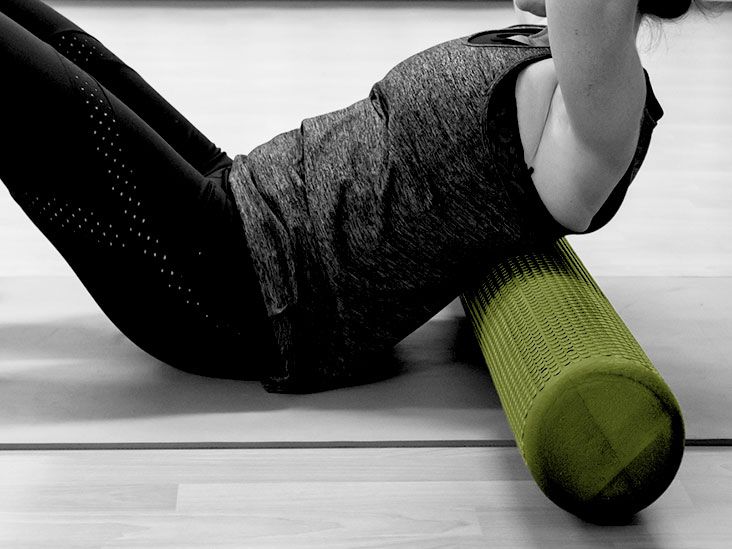
Light massage around the tight muscles may temporarily decrease tension. Start gently and avoid digging directly into a sharply painful area. A massage ball placed between the back and a wall can provide controlled pressure, but it should not be rolled directly over the spine.
Professional massage, acupuncture, or spinal manipulation may provide relief for some people with uncomplicated lower back pain. These approaches are best viewed as possible components of a broader recovery plan rather than magical reset buttons.
Gentle Stretches for Lower Back Spasm Relief
Do not force stretching while the back is actively locking or producing severe pain. Begin when you can move with reasonable control. Stretch slowly, avoid bouncing, and stay within a comfortable range. Stop if a movement causes shooting leg pain, numbness, tingling, weakness, dizziness, or a sharp increase in symptoms.
Pelvic tilt
- Lie on your back with your knees bent and feet flat on the floor.
- Gently tighten your abdominal muscles.
- Flatten the small space beneath your lower back without pushing forcefully.
- Hold for three to five seconds, then relax.
- Repeat five to 10 times.
This small movement helps restore control without requiring a large spinal range of motion.
Single knee-to-chest stretch
- Lie on your back with both knees bent.
- Bring one knee toward your chest while keeping the other foot on the floor.
- Hold behind the thigh or over the shin without forcing the knee.
- Hold for 15 to 30 seconds.
- Switch sides and repeat two or three times.
Skip this stretch if rounding the lower back increases your pain or sends symptoms down the leg.
Cat-cow movement
- Begin on your hands and knees with your hands beneath your shoulders.
- Slowly round your back while allowing your head to lower slightly.
- Return through a neutral position.
- Gently let your abdomen lower while lifting your chest slightly.
- Repeat five to eight times without forcing either position.
Think of this as controlled mobility, not a competition to become the most flexible cat at the veterinary clinic.
Hip flexor stretch
- Kneel on one knee with the other foot in front of you.
- Keep your torso upright and gently tuck your pelvis.
- Shift forward until you feel a stretch at the front of the kneeling-side hip.
- Hold for 20 to 30 seconds, then switch sides.
Tight hip flexors can influence pelvic position and increase stress on the lumbar muscles, especially after long periods of sitting.
Figure-four hip stretch
- Lie on your back with both knees bent.
- Place one ankle across the opposite thigh.
- Gently draw the supporting thigh toward your chest.
- Hold for 20 to 30 seconds and switch sides.
This stretch targets the buttock and hip muscles, which often become tight when the lower back is guarding.
Gentle hamstring stretch
- Sit near the edge of a sturdy chair.
- Extend one leg with the heel resting on the floor.
- Keep your back relatively straight and hinge forward from the hips.
- Stop when you feel a mild stretch behind the thigh.
- Hold for 20 to 30 seconds and change legs.
Avoid aggressively pulling on the toes or rounding the spine. The goal is to reduce stiffness, not to negotiate a peace treaty with your hamstrings through force.
How to Prevent Future Lower Back Spasms
Build strength gradually
Once the acute pain has improved, strengthen the muscles that stabilize the trunk and hips. Bridges, bird dogs, modified side planks, dead bugs, and properly performed squats can improve control and endurance. A physical therapist can select exercises that fit your condition and identify movements that need modification.
Increase repetitions and resistance gradually. A back that has spent six months doing desk duty may object when suddenly enrolled in the Weekend Warrior Olympics.
Keep moving throughout the week
Walking, swimming, cycling, and other low-impact activities help maintain conditioning. Regular activity is generally more protective than alternating between prolonged sitting and occasional bursts of intense exercise.
During desk work, change position at least every 30 to 60 minutes. Stand, walk briefly, or perform a few comfortable mobility exercises. Even excellent posture becomes uncomfortable when held for too long.
Improve lifting mechanics
Before lifting, move close to the object and establish a stable stance. Bend at the hips and knees, brace the abdominal muscles gently, and keep the load close to your body. Lift using the legs while avoiding a combined bend-and-twist movement.
For an awkward or heavy item, ask for help or use lifting equipment. Your spine does not award bonus points for carrying the entire sofa alone.
Warm up before demanding activity
Begin exercise or physical work with several minutes of easy movement. Practice the motions you will use before adding speed or weight. Cold, fatigued muscles are less prepared for sudden force.
Support recovery with sleep and stress management
Poor sleep and ongoing stress can increase muscle tension and make pain feel more intense. Maintain a consistent sleep schedule, experiment with a comfortable sleeping position, and use pillows to support the knees or hips when helpful.
Relaxation exercises, mindfulness, paced breathing, and cognitive behavioral strategies can help people manage recurring or persistent back pain. These methods do not imply that the pain is imaginary. They address the nervous system’s role in muscle guarding and pain sensitivity.
Pay attention to hydration and general health
Drink enough fluid for your activity level and environment, especially during exercise or hot weather. Eat a balanced diet that supplies adequate protein, minerals, fruits, and vegetables. Avoid taking large electrolyte or mineral supplements solely for back spasms unless a clinician has identified a deficiency.
Maintaining a health-supportive weight may reduce mechanical stress for some people. Avoiding smoking is also beneficial because tobacco use is associated with poorer tissue health and a higher risk of persistent back problems.
When a Lower Back Spasm Needs Medical Attention
Seek emergency medical care when lower back pain or spasms occur with:
- New loss of bowel or bladder control
- Difficulty urinating or an inability to sense bladder fullness
- Numbness around the groin, inner thighs, or buttocks
- New or rapidly worsening weakness in one or both legs
- Severe pain after a car crash, hard fall, or significant blow
- Fever with severe back pain
- Difficulty walking, loss of coordination, or widespread numbness
Arrange a medical evaluation when pain is severe, repeatedly returns, travels below the knee, wakes you consistently at night, or occurs with unexplained weight loss, urinary symptoms, abdominal throbbing, a history of cancer, osteoporosis, immune suppression, or prolonged steroid use.
You should also contact a healthcare professional if symptoms are not clearly improving after several days, continue for more than a few weeks, or interfere significantly with work, sleep, and everyday activities.
What a clinician may evaluate
A clinician may examine your movement, reflexes, strength, sensation, posture, and areas of tenderness. Most uncomplicated episodes do not require immediate X-rays or an MRI. Imaging may be appropriate when the examination suggests a fracture, serious neurologic problem, infection, cancer, or another specific condition.
Physical therapy is often useful for recurring spasms. Treatment may include mobility work, progressive strengthening, movement retraining, education, and changes to work or exercise technique.
Recovery Experiences: What the Process Often Feels Like
The following experience is a composite based on common recovery patterns and is not one person’s medical record.
The first day: Everything feels suspicious
A typical episode may begin while someone is lifting a laundry basket, reaching into a car, or standing up after several hours at a desk. There is an abrupt grabbing sensation across one side of the lower back. The person immediately becomes cautious because every ordinary movement suddenly appears to have villainous intentions.
The first useful lesson is that repeatedly “testing” the painful movement rarely helps. Bending down every five minutes to see whether the spasm is still there usually produces the unsurprising answer: yes, it remembers you. A better approach is to stop the aggravating task, find a comfortable position, use cold or gentle heat, and take several slow breaths.
Short, controlled walks around the house may feel awkward but are often more comfortable than remaining in bed for hours. Getting up can be easier by rolling onto one side, moving the legs over the edge of the bed, and pushing up with the arms rather than performing a straight abdominal sit-up.
Days two and three: Movement becomes the medicine cabinet’s partner
The next morning may bring stiffness rather than the same sharp spasm. At this stage, many people discover that the first several steps are uncomfortable, but movement gradually becomes easier. Heat before activity can help loosen the area, while a cold pack afterward may be useful if the back feels irritated.
Gentle pelvic tilts, relaxed walking, and comfortable hip stretches may be introduced. The key is to finish feeling the same or slightly betternot dramatically worse. Stretching harder does not necessarily produce faster healing. Muscles are poor negotiators when threatened.
People who use pain medication often learn to review the label carefully instead of assuming that every product in the cabinet can be combined. Someone taking an NSAID for the back, for example, may not realize that a cold remedy or another pain product contains an overlapping ingredient. A pharmacist can quickly help identify unsafe combinations.
The rest of the first week: Confidence returns before strength does
As pain decreases, normal activities begin to return. This is when a common mistake occurs: feeling 70% better and immediately behaving as though the back has received a factory reset. A large cleaning project, heavy gym session, or afternoon of yard work can reactivate the symptoms.
A smoother recovery usually involves increasing activity in stages. One day might include several short walks and basic mobility exercises. The next might add light household tasks. Lifting and loaded twisting return later, after ordinary movement feels dependable.
Another useful experience is noticing which habits preceded the episode. Perhaps the person sat through several long workdays, skipped normal exercise, and then tried to move a heavy planter. The planter may have triggered the spasm, but the preceding week created the opportunity.
Weeks two and beyond: Prevention becomes specific
Once the pain is mostly resolved, prevention works best when it addresses the actual pattern. Someone who sits all day may need movement breaks and hip mobility. A warehouse employee may need lifting retraining and greater trunk endurance. A new parent may need better strategies for lifting a child from the floor. A gym enthusiast may need a slower progression of load and improved technique.
The most reassuring lesson is that gradual movement usually restores confidence. The goal is not to protect the back from every bend forever. It is to rebuild the ability to bend, lift, rotate, and exercise with appropriate preparation and control.
Recurring episodes deserve professional assessment rather than an endless cycle of heating pads and hopeful stretching. A physical therapist or other qualified clinician may identify weakness, limited hip movement, nerve symptoms, or work habits that home treatment alone has missed.
Conclusion
Effective lower back spasm treatment begins with recognizing that a spasm is a symptom, not automatically proof of serious spinal damage. For many uncomplicated episodes, relief comes from briefly modifying activity, using heat or cold safely, taking short walks, and gradually introducing comfortable stretches.
Long-term prevention depends on regular movement, progressive core and hip strengthening, smart lifting, adequate recovery, and attention to recurring triggers. Most importantly, do not ignore neurologic symptoms, bowel or bladder changes, fever, major trauma, or other red flags. When the symptoms do not behave like an ordinary muscle strain, a healthcare professional should investigate why.