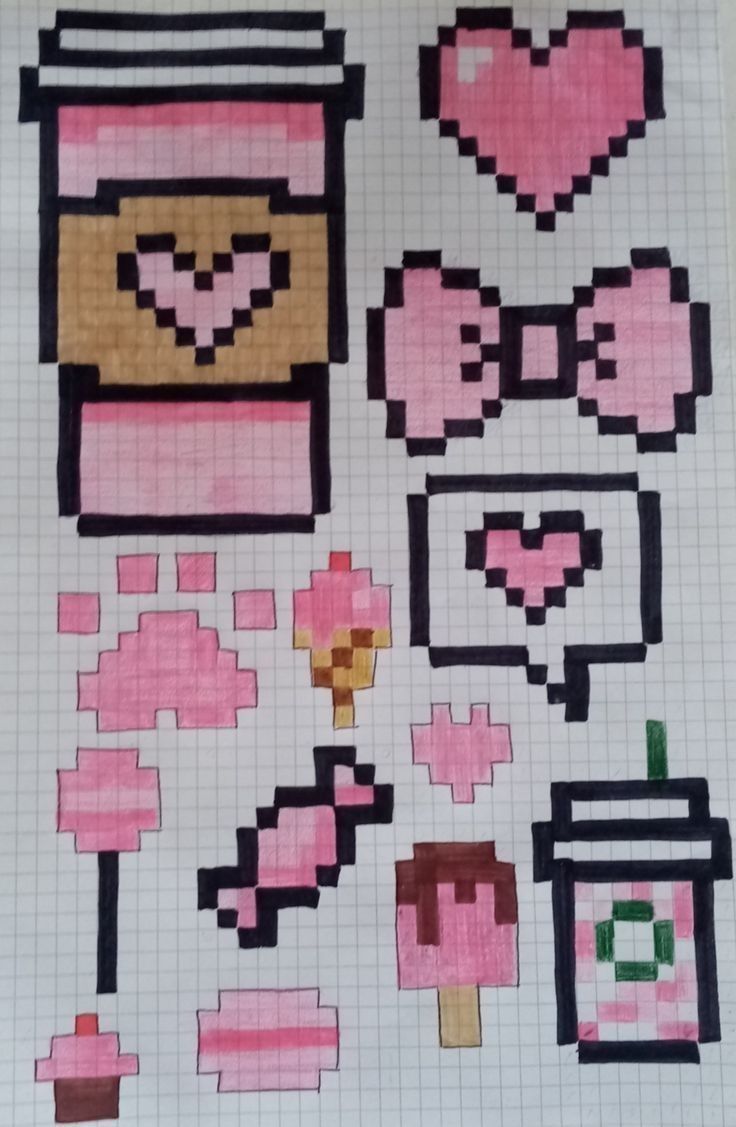
Long before photorealistic graphics and real-time ray tracing dominated modern screens, the foundational canvas of digital entertainment was built on a simple, illuminated grid. Today, the pixel art design aesthetic continues to capture our collective imagination, bridging the gap between retro nostalgia and cutting-edge contemporary digital design. What once began as a strict technological hurdle in early video games has matured into a deliberate, highly respected artistic medium embraced by indie developers, UI designers, and digital illustrators alike.
Whether you are building a modern tribute to a classic arcade experience or seeking to add a unique visual flair to your creative portfolio, understanding this distinct style requires looking past mere nostalgia. In this guide, you will learn the rich history of grid-based limitations, the core technical principles required for precise pixel placement, essential color theory techniques like dithering, and how modern creators apply these timeless lo-fi visuals to everything from indie gaming to professional branding.
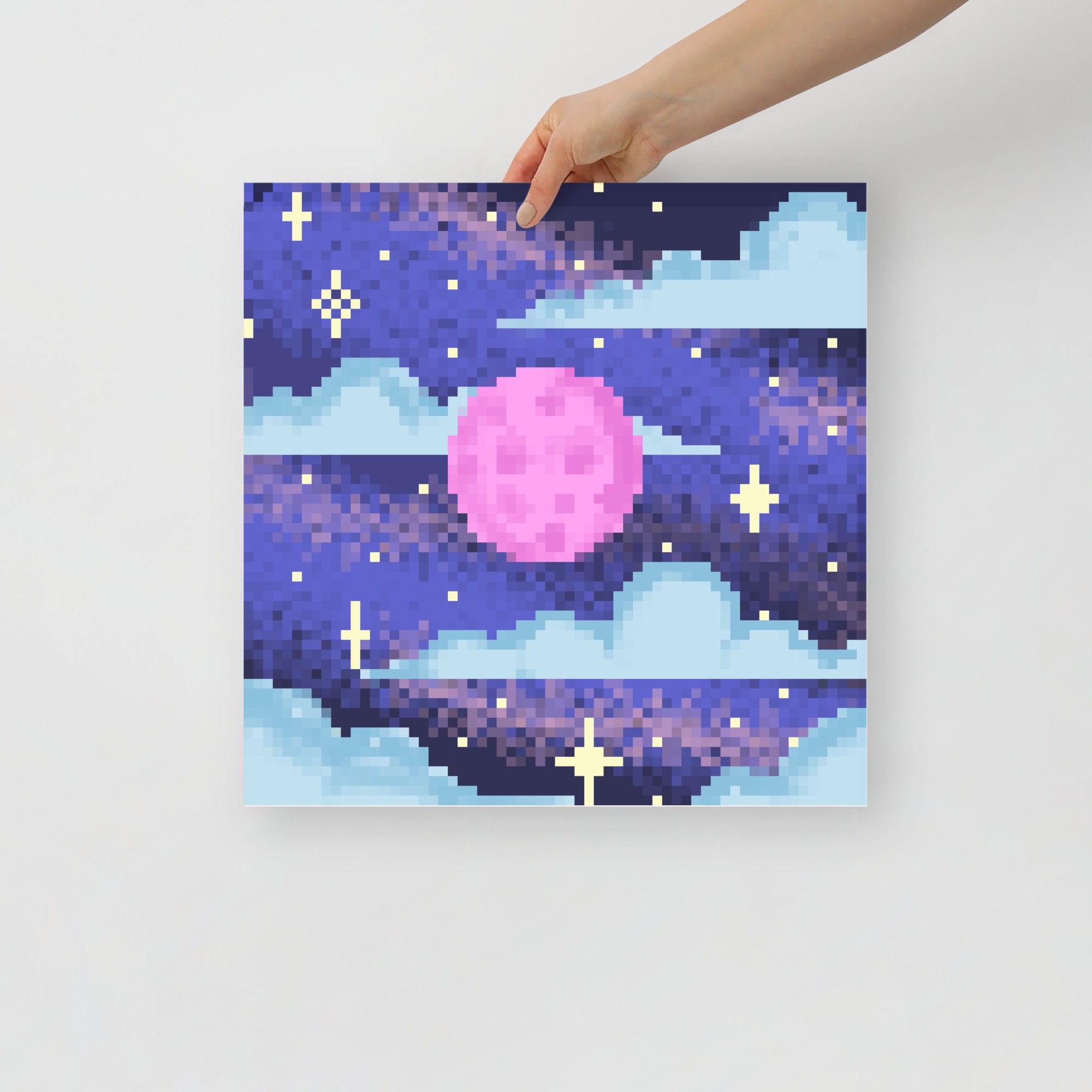
1. Mastering the Pixel Art Design Aesthetic: History, Principles, and Technical Fundamentals
1.1 Understanding the Evolution from Technical Necessity to Conscious Stylization
1.1.1 The Hardware Era: How 8-Bit and 16-Bit Limitations Defined Iconic Visual Styles
The pixel art design aesthetic did not start as a deliberate artistic choice; it was born out of raw engineering limits. In the early days of electronic entertainment, hardware engineers had to squeeze entire game worlds into meager amounts of memory and video RAM. Back in the 8-bit and 16-bit eras, display systems could only handle tiny, flat color palettes and a restricted number of on-screen sprites. Artists working on retro games had to treat every single square on the screen like a precious tile in a mosaic. They quickly learned how to trick the human eye into seeing texture, lighting, and shadow using nothing more than a handful of carefully placed color blocks. These technical bottlenecks ultimately forced creators to invent a universally recognizable visual shorthand that still resonates with players today.
1.1.2 From Atari to DOS: The Artistic Ingenuity Born from Grid-Based Constraints
Moving from chunky Atari blocks to the slightly more detailed environments of classic arcade cabinets and early DOS personal computers required a massive leap in creative problem-solving. Developers constantly pushed old hardware to its absolute breaking point, using clever programming tricks like hardware scrolling and palette swapping to make static screens feel alive. Whether players were dropping quarters into a classic arcade machine or loading up a floppy disk on an IBM-compatible PC, they were interacting with a strict grid system. This rigorous environment turned programmers and graphic designers into digital minimalists who had to make every pixel count toward clarity, atmosphere, and identity.
1.1.3 Decoding the Visual Language of Sprites, Tilesets, and Limited Color Palettes
To truly understand how this art form works, you have to break down its core building blocks: sprites, tilesets, and palettes. Sprites are the movable graphic objects, like heroes, enemies, and items, that require precise silhouette work to remain recognizable. Tilesets are the repeating background elements that save memory by allowing level designers to stamp out floors, walls, and obstacles across a vast virtual map. Combined with tightly restricted color counts—sometimes as few as four or sixteen shades—these elements created a unique visual grammar. Players relying on twitch reflex gameplay depended on this distinct clarity, instantly knowing a hazard from a platform without needing high-definition textures or complex lighting models.
1.2 Core Techniques for Constructing Authentic Pixel Art
1.2.1 Mastering Precision: The Importance of Pixel Placement and Grid Integrity
Authentic pixel art requires a level of micro-precision that sets it apart from traditional digital painting. Every single dot matters, and straying even one grid coordinate off can ruin the flow of a line or the volume of an object. Maintaining grid integrity means placing pixels with intentional purpose rather than just sketching freely. When artists respect the mathematical grid, their work maintains the crisp, clean look that defines the medium. Sloppy placement immediately breaks the illusion, muddying the artwork and losing the sharp appeal of Retro cabinet emulation setups running on modern screens.
1.2.2 Color Theory and Dithering: Techniques for Creating Depth with Restricted Color Counts
Because early display tech could not handle smooth color gradients, artists turned to dithering—a technique of alternating pixel colors in checkerboard or custom patterns to simulate intermediate shades and transparency. Mastering this technique is essential for building visual depth without blowing past your color budget. By understanding how the human brain blends neighboring dots from a distance, artists can paint convincing highlights, midtones, and shadows. If you want to dive deeper into maximizing visual impact with limited resources, check out these score multiplier strategies for an appreciation of how design constraints drive mastery.
1.2.3 Solving Common Compositional Errors: Avoiding Pillow Shading, Jaggies, and Dirty Pixels
Creating clean pixel art means avoiding a few classic beginner traps. Pillow shading—where an artist shades every edge of an object uniformly toward a dark center—makes sprites look like inflated rubber toys instead of solid 3D forms. Jaggies happen when lines have uneven steps, breaking the smooth diagonal flow and making the art look messy. Dirty pixels refer to random, isolated dots that add visual noise rather than meaningful texture. Eliminating these errors requires patient, pixel-by-pixel auditing to ensure every stroke serves a clear purpose.
1.2.4 Silhouette Design: Prioritizing Readability and Character Recognition in Low-Resolution Art
In low-resolution design, a character must be instantly recognizable by its silhouette alone, long before you notice facial expressions or clothing details. If a sprite turns into an unreadable blob against a busy background, the design has failed its primary communication job. Strong silhouette design relies on exaggerating key physical traits, dynamic poses, and distinct negative space. When a player can spot a hero or an enemy in a split second, the artwork successfully balances artistic flair with functional game design.
1.3 Essential Toolkits for Modern Pixel Artists
1.3.1 Industry Standards: A Comparison of Aseprite, Photoshop, and Pyxel Edit
Modern creators have access to specialized software built specifically for grid-based art. Aseprite reigns supreme as the industry favorite, offering robust timeline animation features, custom palette management, and onion-skinning tailored specifically for pixel work. Photoshop can get the job done if you configure the pencil tool to a strict single-pixel width and turn off anti-aliasing, but it lacks native sprite-sheet export tools. Pyxel Edit stands out for its incredible tileset creation workflow, letting level designers build repeating environments with speed and architectural accuracy.
1.3.2 Streamlining the Workflow: Utilizing Layers, Animation Frames, and Export Settings
An efficient workflow separates hobbyists from professional pixel artists. Organizing your project using separate layers for backgrounds, static foregrounds, and animated moving parts prevents accidental edits and keeps files clean. When tackling frame-by-frame animation, utilizing animation previews helps you catch pacing issues before exporting. Finally, setting up correct export scales—like doubling or tripling native resolutions without introducing blur—ensures your finished sprites stay crisp when deployed into game engines or shared online.
Modern Applications and Cultural Impact of the Pixel Art Design Aesthetic

The Intersection of Retro-Futurism and Contemporary Digital Design
The pixel art design aesthetic has long since broken free from the physical constraints of early hardware, evolving into a vibrant cornerstone of contemporary digital art. Artists today frequently blend nostalgic grid-based graphics with futuristic themes, resulting in striking visual hybrids. This cross-pollination is especially visible in modern independent video games and digital illustrations that lean heavily into retro-futuristic movements.
Neon and Cyberpunk Influences: Integrating Synthwave and Vaporwave Visual Cues
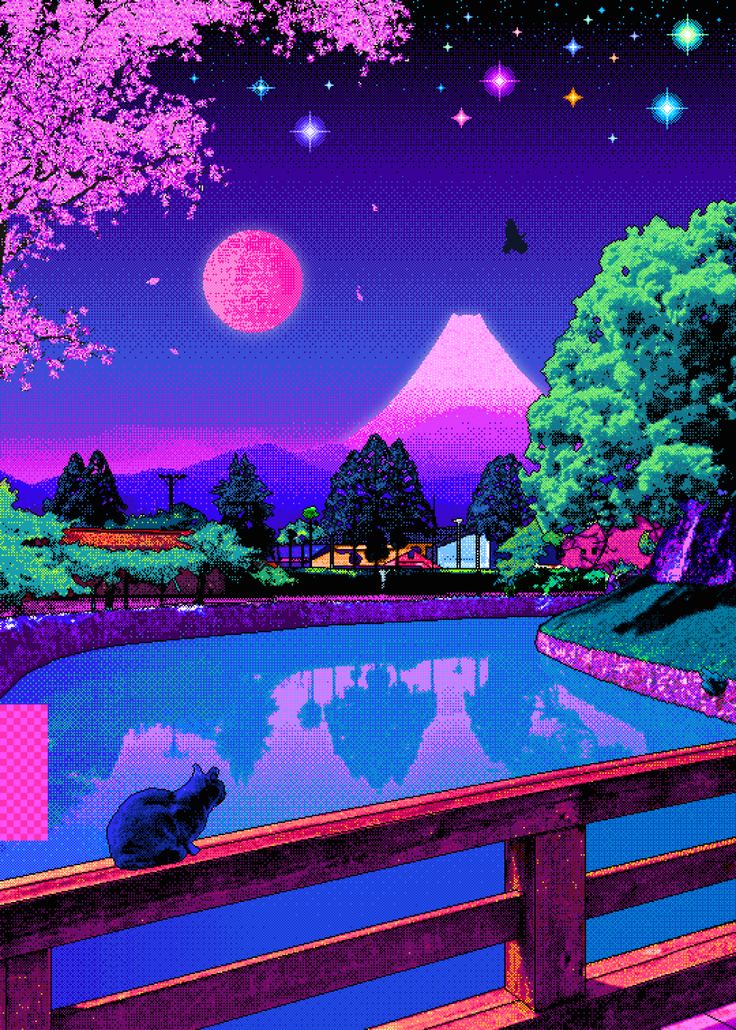
By pairing low-resolution sprites with the hot pinks, deep purples, and electric blues of synthwave and vaporwave, creators build immersive digital worlds that feel both ancient and advanced. These cyberpunk environments use stark contrast and grid alignment to evoke the neon-drenched streets found in retro games of decades past, recontextualizing old-school limitations into bold stylistic choices.
Recreating Retro Displays: Applying CRT Scanlines, Glow Effects, and Flicker to Modern Assets
Modern artists often employ digital filters to emulate the physical quirks of classic arcade cabinets and vintage home monitors. By layering subtle cathode-ray tube (CRT) scanlines, phosphor bloom, and screen curvature over pristine digital assets, designers restore the soft, blended warmth that old glass displays naturally gave to hard-edged pixels.
The Resurgence of Lo-Fi Aesthetics in the Age of High-Definition Rendering
In an era dominated by hyper-realistic 4K graphics, the lo-fi charm of pixel art offers a welcoming visual break. Players and digital consumers often crave the simplicity of grid-based design because it leaves room for imagination, requiring the viewer’s brain to fill in the visual gaps left by lower resolutions.
Implementing Pixel Art in Professional and Creative Projects
Beyond entertainment, the pixel art aesthetic has carved out a permanent home in commercial design, branding, and interactive media. Its clean geometric foundation makes it surprisingly versatile for modern digital interfaces.
UI and UX Design: Improving User Engagement with Retro-Styled Micro-Interactions
Web and app developers frequently use nostalgic micro-interactions—such as loading bars styled like health meters or button clicks that mimic classic arcade sounds and visuals—to delight users. These playful elements boost engagement by injecting personality and humor into otherwise routine digital experiences.
Streaming and Branding: Leveraging Pixel Art for Custom Overlays, Avatars, and Logos
Content creators on platforms like Twitch and YouTube regularly commission custom pixel art for their channel branding. Animated sprite avatars, dynamic stream overlays, and retro game-inspired alert graphics help streamers establish a distinct, memorable visual identity that stands out in a crowded digital marketplace.
Virtual Tabletop (VTT) Integration: Immersive Map Environments and Tokens
Tabletop roleplaying enthusiasts have also embraced the aesthetic for digital sessions. Game masters use grid-aligned tilesets and character tokens to build virtual dungeons and overworld maps that evoke the tactical feel of vintage 16-bit roleplaying adventures.
The Commercial Appeal: Why Nostalgia Drives Value in Independent Gaming and Graphic Design
Ultimately, the enduring commercial success of pixel art proves that economic value is not tied strictly to polygon counts or rendering power. Studios leveraging retro cabinet emulation and classic art styles consistently capture consumer attention because nostalgia is a powerful motivator, proving that timeless design principles will always outlast fleeting technological trends.
The enduring legacy of the pixel art design aesthetic proves that creative expression thrives under strict technological boundaries. What began as a mandatory hardware limitation in early retro games and classic arcade cabinets has blossomed into a timeless artistic medium. By embracing grid integrity, intentional color theory, and disciplined sprite work, creators continue to honor the foundational roots of digital design while pushing modern boundaries.
Whether you are developing indie titles, designing immersive retro cabinet emulation setups, or integrating lo-fi visuals into contemporary branding, understanding these core principles ensures your work retains authentic clarity and charm. The visual language forged in the pioneering days of gaming remains as vibrant and influential today as it was decades ago.
Ready to push your creative or competitive projects further? Explore our guide on mastering score multiplier strategies for high scores to sharpen your edge and celebrate the spirit of classic gaming.