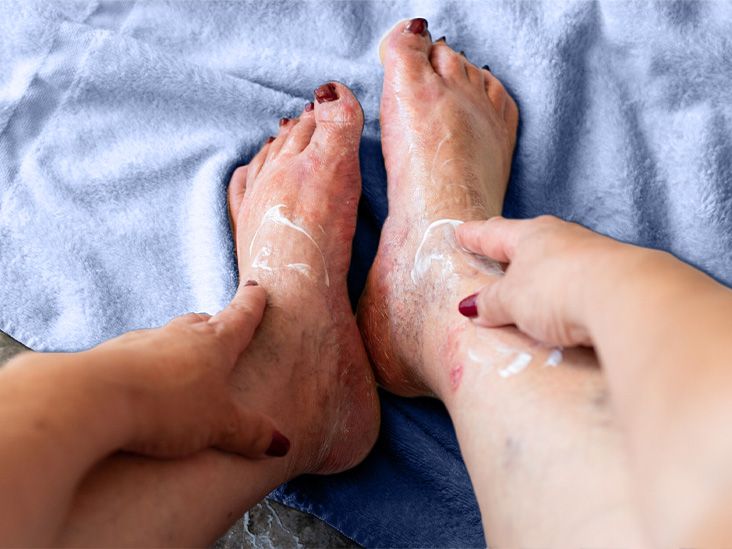
Cellulitis can begin with something as unimpressive as a cracked heel, scratched mosquito bite, or tiny shaving nick. Unfortunately, bacteria are not picky about entrances. Once they slip beneath the skin’s protective surface, they can cause a spreading infection that needs prompt medical treatmentnot another layer of mystery ointment from the back of the bathroom cabinet.
This guide explains what cellulitis looks and feels like, its different clinical presentations, how doctors diagnose and treat it, and what recovery may involve. Most cases respond well to antibiotics, but recognizing the warning signs matters because an untreated infection can spread into deeper tissues or the bloodstream.
What Is Cellulitis?
Cellulitis is a bacterial infection involving the deeper layers of the skin and the soft tissue immediately beneath it. It most often develops on a lower leg, although it can affect the arms, hands, face, abdomen, or nearly any other part of the body.
The infection commonly occurs when bacteria enter through a disruption in the skin. The opening can be obvious, such as a surgical incision or puncture wound, or so small that it never receives an invitation to your conscious attention.
Streptococcus species, including group A strep, and Staphylococcus aureus are common causes. Methicillin-resistant Staphylococcus aureus, better known as MRSA, is a consideration in certain infections, particularly when pus, an abscess, penetrating trauma, or a history of MRSA is present.
Is cellulitis contagious?
Typical cellulitis is not usually passed directly from one person to another because the infection sits within deeper tissue. However, bacteria associated with an open or draining wound can spread through contact. Keep wounds covered, wash your hands after touching dressings, and avoid sharing towels, razors, or personal-care items.
Common Cellulitis Symptoms
Cellulitis symptoms frequently appear on one side of the body and may expand over hours or days. The affected skin can feel noticeably different from the surrounding area.
- Increasing warmth
- Swelling or tightness
- Tenderness, soreness, or pain
- Red, pink, purple, gray, or darker discoloration
- A spreading area with poorly defined edges
- Shiny, thickened, or dimpled skin
- Blisters or fluid leakage in more intense cases
- Swollen lymph nodes or red streaks extending from the area
- Fever, chills, fatigue, headache, or weakness
Redness can be less noticeable on brown or Black skin. Warmth, pain, swelling, firmness, surface changes, and an area becoming darker, purple, or gray may be more useful warning signs. Comparing both sides of the body under good lighting can also help reveal changes.
Cellulitis versus an ordinary skin reaction
A small insect bite may itch and remain relatively stable. Cellulitis is more likely to become warm, sore, swollen, and progressively larger. Contact dermatitis tends to itch more than it hurts and may appear on both sides of the body. A blood clot can also cause one-sided leg pain and swelling, so appearance alone should not become a home diagnostic contest.
Stasis dermatitis, gout, allergic reactions, eczema, shingles, abscesses, and deep vein thrombosis can imitate cellulitis. Red, swollen lower legs on both sides are especially likely to have another cause because true bilateral leg cellulitis is uncommon.
Types and Clinical Presentations of Cellulitis
There is no single universal list of cellulitis “types.” Healthcare professionals often describe the infection according to its appearance, depth, location, and whether pus is present.
Nonpurulent cellulitis
Nonpurulent cellulitis causes diffuse warmth, swelling, discoloration, and tenderness without an obvious pocket of pus. Streptococcal bacteria are frequent causes, although staphylococcal bacteria may also be involved. This is the classic presentation many people picture when they hear “cellulitis.”
Purulent skin infection with surrounding cellulitis
If pus or a soft, fluid-filled center is present, there may be an abscess in addition to surrounding cellulitis. An abscess often needs professional drainage because antibiotics may not penetrate a sealed pocket of pus effectively. Squeezing or puncturing it at home can push infection farther into surrounding tissue and turn a small problem into a dramatic sequel nobody requested.
Erysipelas
Erysipelas is a related, more superficial bacterial infection involving the upper dermis and nearby lymphatic vessels. It typically produces a bright, shiny, raised, sharply bordered patch, often on the face or legs. Fever and chills can develop suddenly. Like deeper cellulitis, erysipelas requires antibiotic treatment.
Periorbital or preseptal cellulitis
Periorbital cellulitis affects the eyelid and tissue in front of the orbital septum. It can cause eyelid swelling, tenderness, and discoloration. Because swelling around an eye can resemble more dangerous orbital cellulitis, medical evaluation is importantespecially in children.
Orbital cellulitis
Orbital cellulitis affects tissue inside the eye socket and is a medical emergency. Warning signs include pain when moving the eye, restricted eye movement, bulging, double vision, reduced vision, severe headache, or fever. Treatment commonly involves hospitalization, imaging, intravenous antibiotics, and sometimes surgical drainage.
Facial, breast, and perianal cellulitis
Cellulitis can develop on the face, around a breast, or near the anus. These locations may require specialized evaluation because nearby structures, recent surgery, breastfeeding complications, dental infections, or other conditions can influence treatment. Perianal streptococcal cellulitis is seen primarily in children and may produce sharply defined redness, itching, pain, or bleeding during bowel movements.
What Causes Cellulitis?
Healthy skin works like a surprisingly sophisticated security fence. Cellulitis develops when bacteria find a weak point and enter deeper tissue. Possible entry points include:
- Cuts, scrapes, punctures, or animal bites
- Cracked skin caused by dryness or athlete’s foot
- Eczema, ulcers, or other chronic skin conditions
- Insect bites that have been scratched
- Surgical wounds, injections, or medical devices
- Tattoos or piercings that become infected
- Swelling that stretches and weakens the skin
Sometimes the entry point has already healedor was never visibleby the time symptoms appear.
Who is at increased risk?
Anyone can develop cellulitis, but the risk is higher among people with diabetes, poor circulation, chronic leg swelling, lymphedema, obesity, venous insufficiency, weakened immunity, or a previous episode of cellulitis. Athlete’s foot is a particularly sneaky contributor because cracks between the toes can provide bacteria with a convenient side door.
How Cellulitis Is Diagnosed
Doctors usually diagnose cellulitis by examining the skin and asking how quickly the symptoms developed. They may check the area’s warmth, borders, tenderness, swelling, drainage, and possible entry points. The examination may also include nearby lymph nodes, circulation, sensation, and joint movement.
Routine testing is not always necessary for uncomplicated cellulitis. Blood tests may be ordered if fever or systemic illness is present. A culture is more useful when there is pus, an open wound, an unusual exposure, or concern about resistant bacteria. Blood cultures are generally reserved for severe illness or particular medical risks.
Ultrasound can help identify a hidden abscess or evaluate a possible blood clot. CT or MRI may be needed when doctors suspect infection around an eye, in deep tissue, near a bone, or following surgery. The goal is not merely to confirm cellulitis; it is also to avoid treating a convincing impersonator.
Cellulitis Treatment
Oral antibiotics
Mild, uncomplicated cellulitis is usually treated with a prescription oral antibiotic. Depending on the likely bacteria, allergies, local resistance patterns, and individual health factors, clinicians may consider medicines such as cephalexin, dicloxacillin, penicillin, or clindamycin. These examples are not a self-treatment menu; the appropriate drug and dose must be selected by a healthcare professional.
Treatment commonly lasts about five to ten days, although the exact duration varies. A longer course may be required when the infection is extensive, improving slowly, associated with another disease, or affecting someone with impaired immunity.
Intravenous antibiotics and hospitalization
Intravenous antibiotics may be necessary when cellulitis is rapidly spreading, extensive, accompanied by high fever or unstable vital signs, located around the eye, or failing to improve with oral medicine. Hospital care may also be appropriate for people who are immunocompromised, unable to take oral medication, or at increased risk of serious complications.
Drainage of an abscess
When imaging or examination identifies a collection of pus, a clinician may make a small incision to drain it. A sample can then be cultured to help identify the bacteria. Antibiotics may still be prescribed when there is extensive surrounding cellulitis, systemic illness, rapid progression, or another clinical risk.
Supportive care at home
Alongside prescribed treatment, elevating an affected arm or leg can help reduce swelling. Rest, adequate fluids, and clinician-approved pain relief may improve comfort. Keep any wound clean and follow the dressing instructions provided by the medical team.
Do not massage the infected area, puncture blisters, or apply unapproved herbal mixtures. Compression garments should be used only according to professional advice during an active infection, particularly when significant pain or swelling is present.
How soon should cellulitis improve?
Many people notice improvement within 24 to 48 hours after starting an effective antibiotic, although warmth, discoloration, and swelling can take longer to disappear. Inflammation may even look slightly worse during the first day as the immune response settles.
Contact the prescriber if the infection is still expanding, symptoms are not beginning to improve within two or three days, side effects occur, or new fever develops. Take the medication exactly as directed and do not use leftover or shared antibiotics.
When Cellulitis Is an Emergency
Seek emergency medical care for any of the following:
- Rapidly expanding discoloration or swelling
- Severe pain, especially pain out of proportion to the skin’s appearance
- Black, dusky, or rapidly darkening skin
- Numbness, crackling beneath the skin, or widespread blisters
- Confusion, fainting, extreme weakness, or unusual sleepiness
- Fast breathing, a racing heartbeat, or signs of shock
- Eye pain, vision changes, bulging, or difficulty moving an eye
- Difficulty breathing, swallowing, or handling saliva
These findings can signal sepsis, orbital cellulitis, necrotizing soft-tissue infection, or another dangerous condition. Severe pain should never be dismissed simply because the visible patch looks small.
Possible Complications
Most treated cases resolve without permanent problems. Untreated or severe cellulitis can occasionally lead to an abscess, bloodstream infection, sepsis, bone infection, infected lymphatic vessels, or tissue destruction.
Repeated episodes can damage lymphatic drainage and cause persistent swelling. That swelling then increases the chance of another infection, creating an unpleasant loop. Managing edema, athlete’s foot, ulcers, eczema, and circulation problems is therefore part of long-term prevention, not just cosmetic housekeeping.
How to Reduce the Risk of Cellulitis
- Wash minor wounds gently with soap and water.
- Cover open skin with a clean dressing until it heals.
- Check wounds daily for increasing warmth, pain, swelling, or drainage.
- Moisturize dry skin to reduce cracking, especially after bathing.
- Treat athlete’s foot and other persistent skin conditions.
- Avoid scratching bites, rashes, or healing wounds.
- Wear suitable gloves and footwear during activities that may injure the skin.
- Follow professional guidance for diabetes, lymphedema, venous disease, and chronic swelling.
People with frequent recurrences should discuss prevention with a healthcare professional. The plan may include better control of swelling, treatment of fungal infections, specialized skin care, orin selected casespreventive antibiotics.
What the Cellulitis Experience Can Be Like
The following composite experiences illustrate common concerns and recovery patterns. They are educational examples rather than accounts of identifiable patients.
Experience 1: The “minor” scrape that kept growing
Imagine noticing a small scrape above the ankle after a weekend gardening project. It seems harmless, so it receives a quick rinse and approximately zero additional attention. Two days later, the surrounding skin is warmer and a little pink. By evening, the patch has expanded and the ankle feels tight inside a normally comfortable shoe.
The key experience here is progression. A healing scrape should gradually become less troublesome. Expanding warmth, tenderness, and swelling point in the opposite direction. After an urgent-care examination, the person begins oral antibiotics and marks the edge of the discoloration with a pen, following the clinician’s instructions. The border stops advancing the next day, but the swelling lingers for several more days. Recovery is happening, just without movie-montage speed.
Experience 2: Symptoms that are harder to see
On darker skin, the first visible sign may not be bright redness. A person might instead notice that one shin looks slightly deeper in color and feels unusually hot. Walking becomes uncomfortable, and pressing the area causes tenderness. Comparing both legs reveals subtle swelling and a shinier surface on the affected side.
This experience highlights why cellulitis awareness must include more than redness. Temperature, pain, texture, swelling, and rapid change are equally important clues. Clear descriptions of those changes can help a clinician evaluate the problem even when standard photographs do not resemble the patient’s skin tone.
Experience 3: The anxious first 48 hours of treatment
Starting antibiotics can create an understandable expectation that the skin should look normal by breakfast. In reality, bacterial control and visible recovery do not always move at the same pace. The area may remain warm and swollen after the first several doses. Discoloration can outlast the active infection, particularly in a leg already affected by poor circulation or chronic edema.
What matters is the overall trend and the treatment plan. Is the border stabilizing? Is the fever resolving? Is pain becoming more manageable? If symptoms continue expanding or no improvement begins within the timeframe given by the clinician, reassessment is essential. A different antibiotic, imaging, drainage, or hospital treatment may be needed.
Experience 4: Recovering while preventing a repeat episode
After the immediate infection resolves, someone with recurrent lower-leg cellulitis may discover cracked skin between the toes. Treating the associated athlete’s foot, moisturizing dry areas, checking the feet daily, and managing leg swelling can become as important as remembering the antibiotic schedule was during the acute episode.
Recovery may also involve frustration. Residual swelling or discoloration can persist after the dangerous phase has passed, and fear of recurrence may make every mosquito bite seem suspicious. A practical response is to learn the person’s usual skin appearance, care for breaks promptly, and seek help for spreading warmth, pain, or swellingnot to hold a nightly emergency meeting over every freckle.
Experience 5: Knowing when not to wait
The most important experience is recognizing when cellulitis stops being a “call the clinic” concern and becomes an emergency. Severe pain, confusion, rapid expansion, purple or black skin, breathing difficulty, or symptoms around an eye require immediate care. Prompt action is not overreacting. With serious bacterial infections, speed is part of the treatment.
Conclusion
Cellulitis is common, treatable, and worth taking seriously. A warm, painful, swollen, or discolored area that is spreading should be assessed promptly. Antibiotics are the main treatment, while abscess drainage, intravenous medication, or hospitalization may be required in more complicated cases.
Early care generally leads to a full recovery. Good wound care, healthy skin, treatment of athlete’s foot, and management of chronic swelling can lower the risk of another episode. In short: respect suspicious skin changes, but do not panicget them evaluated.
Medical Sources Reviewed
This article synthesizes guidance and patient information from the Centers for Disease Control and Prevention, MedlinePlus, Mayo Clinic, Cleveland Clinic, American Academy of Dermatology, Infectious Diseases Society of America, MSD Manual, American Academy of Family Physicians, Johns Hopkins Medicine, Yale Medicine, Harvard Health Publishing, NCBI Bookshelf, and University of Michigan Health.