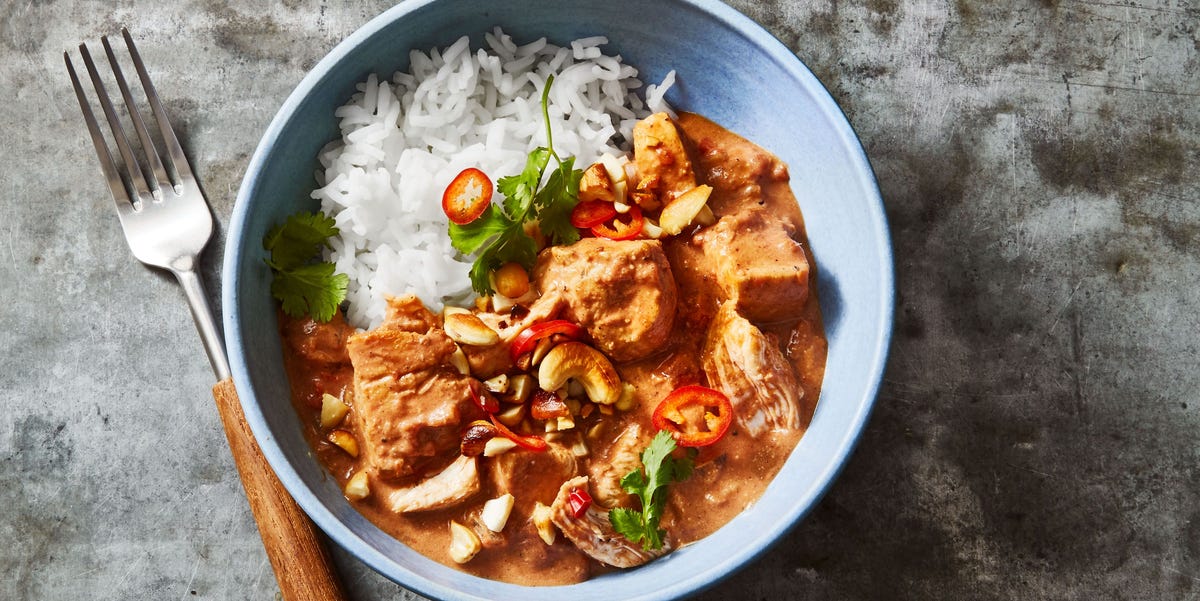
There are weeknight dinners, and then there are dinners that make the entire kitchen smell as though you hired a professional chef while nobody was looking. This coconut curry chicken recipe belongs firmly in the second category. It combines juicy pieces of chicken, creamy coconut milk, fragrant spices, fresh ginger, garlic, tomato, and lime in one deeply flavorful skillet.
Despite its luxurious sauce, the recipe is surprisingly practical. The preparation takes about 15 minutes, the cooking requires roughly 30 minutes, and most of the ingredients are easy to find in a well-stocked American grocery store. You do not need a suitcase full of rare spices, a restaurant-grade stove, or a grandmother guarding a secret curry formula.
The finished dish is rich without being heavy, mildly spicy, savory, slightly sweet, and brightened with fresh lime juice. Serve it over basmati rice, jasmine rice, quinoa, cauliflower rice, or warm naan. Just make sure something is available to catch the sauce, because leaving it in the bowl would be a minor culinary tragedy.
Why This Coconut Curry Chicken Recipe Works
A good chicken curry depends on balance. Coconut milk contributes richness and softens the intensity of the spices, while tomato paste adds concentrated savory flavor and enough acidity to keep the sauce from tasting flat. Ginger, garlic, and onion form the aromatic foundation, and lime juice wakes everything up just before serving.
The spices are briefly cooked in oil before the liquids are added. This step, often described as blooming the spices, releases their aromatic compounds and produces a fuller flavor than simply stirring curry powder into a finished sauce. Cooking prepared curry paste briefly can provide the same flavor-building effect.
Boneless, skinless chicken thighs are especially reliable because they stay tender during simmering. Chicken breast also works, but it should be watched carefully because lean breast meat can go from juicy to suspiciously similar to a kitchen sponge if cooked too long.
Recipe Overview
| Preparation Time | 15 minutes |
|---|---|
| Cooking Time | 30 minutes |
| Total Time | 45 minutes |
| Servings | 4 to 6 |
| Difficulty | Easy |
| Best Chicken Cut | Boneless, skinless thighs |
Ingredients for Coconut Curry Chicken
Main Ingredients
- 1 1/2 pounds boneless, skinless chicken thighs
- 1 teaspoon kosher salt, divided
- 1/2 teaspoon freshly ground black pepper
- 2 tablespoons neutral cooking oil, such as avocado or canola oil
- 1 medium yellow onion, finely chopped
- 1 red bell pepper, sliced into thin strips
- 4 garlic cloves, minced
- 1 tablespoon freshly grated ginger
- 2 tablespoons mild or medium curry powder
- 1 teaspoon ground cumin
- 1/2 teaspoon ground turmeric
- 1/4 teaspoon cayenne pepper, optional
- 2 tablespoons tomato paste
- 1 can, about 13.5 ounces, full-fat unsweetened coconut milk
- 1/2 cup low-sodium chicken broth
- 1 teaspoon brown sugar or honey
- 1 tablespoon soy sauce or fish sauce
- 1 tablespoon fresh lime juice
- 1/3 cup chopped fresh cilantro
- Lime wedges for serving
Optional Add-Ins
- 1 cup baby spinach
- 1 cup frozen peas
- 1 small sweet potato, peeled and diced
- 1 cup cauliflower florets
- 1 can chickpeas, drained and rinsed
- 1 sliced jalapeño or serrano pepper
- Fresh basil or Thai basil
Choosing the Right Coconut Milk
Use canned, unsweetened coconut milk rather than refrigerated coconut beverages sold for drinking. Canned coconut milk contains more coconut fat and creates the creamy sauce this recipe needs. Full-fat coconut milk produces the richest result, while light coconut milk makes a thinner, less luxurious curry.
Shake the can before opening it. If the coconut cream has separated and formed a firm layer, do not panic. Coconut milk is simply being dramatic. Scrape everything into the skillet and stir as it warms.
Choosing Curry Powder
Curry powder is a spice blend rather than one universal spice. Different brands may contain varying proportions of turmeric, coriander, cumin, fenugreek, ginger, mustard, chile, and black pepper. A mild yellow curry powder works well for a family-friendly dinner. A Madras-style blend generally brings more heat.
Taste your curry powder before using it, especially when opening an unfamiliar brand. This five-second investigation can prevent an accidental dinner challenge in which everybody pretends not to be sweating.
How to Make Coconut Curry Chicken
Step 1: Prepare the Chicken
Pat the chicken dry with paper towels and cut it into pieces approximately 1 1/2 inches wide. Keeping the pieces similar in size helps them cook evenly. Season the chicken with 3/4 teaspoon salt and the black pepper.
Drying the surface is important because wet chicken steams instead of browning. Browning creates flavorful bits on the bottom of the skillet, and those bits eventually dissolve into the curry sauce. In other words, the brown stuff is not a dishwashing emergency. It is dinner infrastructure.
Step 2: Brown the Chicken
Heat one tablespoon of oil in a large, deep skillet or Dutch oven over medium-high heat. Add the chicken in a single layer, leaving a little space between the pieces.
Cook for two to three minutes without moving it. Turn the pieces and cook for another two minutes. The chicken does not need to be completely cooked at this stage. Transfer it to a clean plate and set it aside.
If your skillet is small, brown the chicken in two batches. Crowding the pan traps steam and prevents proper browning. The chicken pieces need personal space, just like people at an awkward office party.
Step 3: Cook the Vegetables
Reduce the heat to medium and add the remaining tablespoon of oil. Add the chopped onion and sliced bell pepper. Cook for five to six minutes, stirring occasionally, until the onion softens and begins to turn golden around the edges.
Add the garlic and ginger. Cook for approximately 30 seconds, stirring continuously. Garlic can burn quickly, and burned garlic contributes a harsh bitterness that even a heroic quantity of coconut milk may struggle to rescue.
Step 4: Bloom the Spices
Add the curry powder, cumin, turmeric, and cayenne. Stir for 30 to 45 seconds, allowing the spices to coat the onions and warm in the oil.
Add the tomato paste and cook for another minute. Press and stir it against the bottom of the skillet until its color deepens slightly. Toasting the tomato paste removes some of its raw sharpness and builds a rounder, more savory sauce.
Step 5: Build the Coconut Curry Sauce
Slowly pour in the chicken broth while scraping the bottom of the skillet with a wooden spoon. Add the coconut milk, brown sugar, soy sauce, and remaining salt. Stir until the sauce is smooth and evenly colored.
Bring the mixture to a gentle simmer. Avoid a violent boil, which can reduce the sauce too quickly and may cause the coconut milk to appear oily or separated.
Step 6: Simmer the Chicken
Return the chicken and any accumulated juices to the skillet. Reduce the heat to medium-low and simmer uncovered for 10 to 12 minutes, stirring occasionally.
The sauce should thicken enough to coat the back of a spoon, and the chicken should be completely cooked. According to USDA food-safety guidance, poultry should reach a minimum internal temperature of 165°F when measured in its thickest portion with a food thermometer.
For a vegetable-packed curry, add quick-cooking vegetables such as spinach or frozen peas during the final two or three minutes. Firmer vegetables, including sweet potatoes and cauliflower, should be added with the coconut milk so they have enough time to become tender.
Step 7: Finish With Lime and Herbs
Remove the skillet from the heat. Stir in the lime juice and half of the cilantro. Taste the sauce and adjust it as needed.
Add salt for more savory intensity, lime juice for brightness, brown sugar for sweetness, or cayenne for heat. Curry should taste balanced rather than dominated by one ingredient. The coconut milk may be the lead singer, but the spices, acidity, sweetness, and salt still need microphones.
How to Adjust the Flavor
If the Curry Tastes Too Spicy
Add several tablespoons of coconut milk or a small spoonful of plain yogurt. A little brown sugar can also soften aggressive heat. Do not add large amounts of water, because it reduces both the heat and the flavor.
If the Sauce Tastes Flat
Flat curry usually needs salt or acidity rather than additional curry powder. Add a pinch of salt and a teaspoon of lime juice, stir, and taste again. A small splash of fish sauce can contribute extra savory depth without making the finished dish taste noticeably fishy.
If the Sauce Is Too Thin
Simmer the curry uncovered for several additional minutes. The sauce will naturally thicken as water evaporates. You can also mash a few chickpeas or sweet potato cubes into the sauce.
A cornstarch slurry is rarely necessary, but it works in an emergency. Mix one teaspoon cornstarch with one tablespoon cold water, stir it into the simmering curry, and cook for one minute.
If the Sauce Is Too Thick
Add chicken broth or water one tablespoon at a time until the desired consistency is reached. Remember that the curry will thicken slightly as it cools.
What to Serve With Coconut Curry Chicken
Steamed basmati or jasmine rice is the classic partner because the grains absorb the creamy coconut curry sauce. Brown rice provides a nuttier flavor and additional texture, while cauliflower rice offers a lighter option.
Warm naan, roti, or flatbread is excellent for scooping up the sauce. For freshness, serve the curry with a simple cucumber salad dressed with lime juice, salt, and chopped cilantro.
Useful toppings include sliced scallions, fresh cilantro, Thai basil, toasted coconut, chopped cashews, peanuts, jalapeños, and extra lime wedges. Choose two or three rather than emptying the entire refrigerator onto the bowl.
Easy Coconut Chicken Curry Variations
Thai-Inspired Red Curry Chicken
Replace the curry powder, cumin, and turmeric with two to three tablespoons of Thai red curry paste. Add one tablespoon of fish sauce and finish the dish with Thai basil. Prepared red curry paste commonly brings together chile, garlic, shallot, lemongrass, and other aromatics, making it a convenient shortcut for bold flavor.
Indian-Inspired Coconut Chicken Curry
Add one teaspoon garam masala with the curry powder and replace the soy sauce with additional salt. Finish with cilantro and serve with basmati rice or naan. A spoonful of plain yogurt added at the table contributes pleasant tanginess.
Jamaican-Inspired Version
Use Jamaican curry powder and add 1/2 teaspoon ground allspice and one teaspoon dried thyme. Include diced potato and, for serious heat, a small amount of Scotch bonnet pepper. Coconut milk can add extra creaminess to Jamaican-style curry preparations.
Vegetable Coconut Curry
Replace the chicken with chickpeas, tofu, cauliflower, sweet potatoes, or a combination of hearty vegetables. Add the firmest vegetables first and quick-cooking greens near the end. Coconut milk works especially well in plant-based curries because it creates richness without dairy.
Storage, Freezing, and Reheating
Let leftover curry cool briefly, then transfer it to shallow airtight containers. Refrigerate perishable food within two hours of cooking. Properly refrigerated cooked chicken leftovers are generally best used within three to four days.
Reheat the curry in a covered saucepan over medium-low heat, stirring occasionally. Add a splash of broth or water if the sauce has thickened. Leftovers should be reheated to 165°F.
Coconut curry chicken can also be frozen for up to three months for the best texture. Cool it completely, divide it into meal-size portions, and freeze it without rice. Thaw overnight in the refrigerator before reheating.
The coconut sauce may look slightly separated after freezing. Gentle heat and a good stir usually bring it back together. Fresh cilantro and lime should be added after reheating rather than before freezing.
Common Coconut Curry Chicken Mistakes
Using Sweetened Coconut Milk
Sweetened coconut products are intended for desserts and drinks. Always check that the can says unsweetened coconut milk. Coconut cream can be used, but it may need to be diluted with broth because it is substantially richer.
Adding All Ingredients at Once
Layering the cooking process creates more flavor. Brown the chicken, soften the onions, cook the aromatics, bloom the spices, toast the tomato paste, and then add the liquid. Dumping everything into a cold pan may still create edible curry, but it will miss much of the depth produced by those individual steps.
Boiling the Sauce Too Aggressively
A gentle simmer cooks the chicken evenly and reduces the sauce gradually. A roaring boil may toughen chicken breast, scorch the bottom of the skillet, or reduce the sauce before the chicken finishes cooking.
Forgetting the Final Taste Test
Ingredient brands vary. Coconut milk can differ in richness, curry powders differ in heat, and chicken broth differs in saltiness. Taste the finished sauce before serving and make small adjustments. Recipes are maps, not legally binding contracts.
Kitchen Experience: What I Learned From Making Coconut Curry Chicken
The first lesson I learned from making coconut curry chicken was that a pale-looking skillet is usually a warning sign. During my earliest attempt, I added too much chicken at once. The pan temperature dropped, liquid collected around the meat, and the chicken quietly steamed while I stared at it and wondered where all the promised golden color had gone.
The curry was acceptable, but it tasted one-dimensional. On the next attempt, I browned the chicken in two batches and waited before turning each piece. The difference was immediate. Deep brown spots formed on the meat, flavorful residue collected on the skillet, and the finished sauce tasted as though it had simmered much longer than it actually had.
I also learned that curry powder should not be treated like decorative confetti. Sprinkling it into coconut milk produced a sauce that tasted dusty and slightly raw. Cooking the spices in oil for less than a minute made them smell warmer, nuttier, and more complex. The kitchen suddenly had the fragrance I had expected from the beginning.
Another experiment involved chicken breast versus chicken thighs. Breast meat created a lighter dish and cooked quickly, but timing mattered enormously. The thighs were much more forgiving. They remained tender after simmering and contributed enough richness to stand up to the coconut milk. For a relaxed weeknight meal, thighs became my default choice. I still use chicken breast occasionally, but I cut it into larger pieces and begin checking its temperature early.
The sauce required its own round of experimentation. Full-fat coconut milk produced a silky consistency that clung to the rice. Light coconut milk made a perfectly usable curry, although the sauce needed additional simmering. Coconut beverage from a refrigerator carton created something closer to seasoned soup. That particular experiment was educational in the way a flat tire is educational.
The most valuable discovery was the power of the final adjustment. One batch seemed dull even though it contained enough spices. Adding more curry powder made it harsher rather than better. A pinch of salt and a squeeze of lime transformed it almost instantly. The curry did not need more complexity; it needed balance.
Vegetables also changed the character of the meal. Sweet potato made the curry sweeter and more substantial. Bell pepper added freshness and color. Spinach disappeared into the sauce with almost suspicious efficiency, making it useful when serving someone who claims vegetables are an elaborate government conspiracy. Chickpeas stretched the recipe into additional servings without making dinner feel diluted.
Meal preparation became easier once I stopped storing curry and rice together. Rice absorbs sauce while sitting in the refrigerator, which can leave the next day’s portion dry. Keeping them in separate containers preserves the creamy texture. It also allows each portion to be reheated properly without turning the rice into paste.
My favorite way to serve this coconut curry chicken is with jasmine rice, chopped cilantro, sliced scallions, and plenty of lime. A few roasted cashews provide crunch, but they are optional. The essential element is enough rice or bread to capture every spoonful of sauce.
After several batches, the recipe became less about following exact measurements and more about understanding the signals. The onions should be soft, the spices should smell fragrant, the sauce should simmer rather than rage, and the final spoonful should taste rich, savory, warm, and bright. Once those signals become familiar, coconut curry chicken stops feeling like a special project and becomes one of the easiest impressive dinners in the weekly rotation.
Final Thoughts
This coconut curry chicken recipe delivers the comfort of a slow-simmered meal without requiring an entire afternoon. Browning the chicken, blooming the spices, using full-fat coconut milk, and finishing with lime create a creamy curry with layers of flavor.
Use the recipe as a dependable foundation, then adjust the vegetables, heat level, and seasonings to suit your table. Whether served over rice on a busy Tuesday or presented with naan and colorful toppings for guests, it is the kind of dinner that looks ambitious while quietly being very manageable.
Note: This independently written recipe synthesizes widely tested cooking methods and USDA food-safety guidance. Ingredient brands and stove temperatures vary, so use a food thermometer and adjust seasoning to taste.