There is a special kind of electricity in the air right before a cosplay contest begins. Whether you are backstage frantically applying spirit gum or sitting in the audience waiting for the first skit to start, competitive costuming brings fandoms together in the most creative way possible. Stepping onto that stage takes months of late-night sewing, prop engineering, and meticulous planning.
However, moving from a casual convention-goer to a competitive entrant requires a shift in mindset. Judges look past the initial visual impact to examine structural integrity, clean stitching, and technical innovation. Success isn’t just about looking the part; it is about understanding how competitions work, mastering craftsmanship guidelines, and presenting your character with confidence.
Whether you are hunting for fresh costume ideas, trying to decode strict competition rules, or looking for ways to impress the judges during craftsmanship judging criteria evaluations, this guide has you covered. Let us dive into everything you need to know to take your competitive cosplay to the next level.
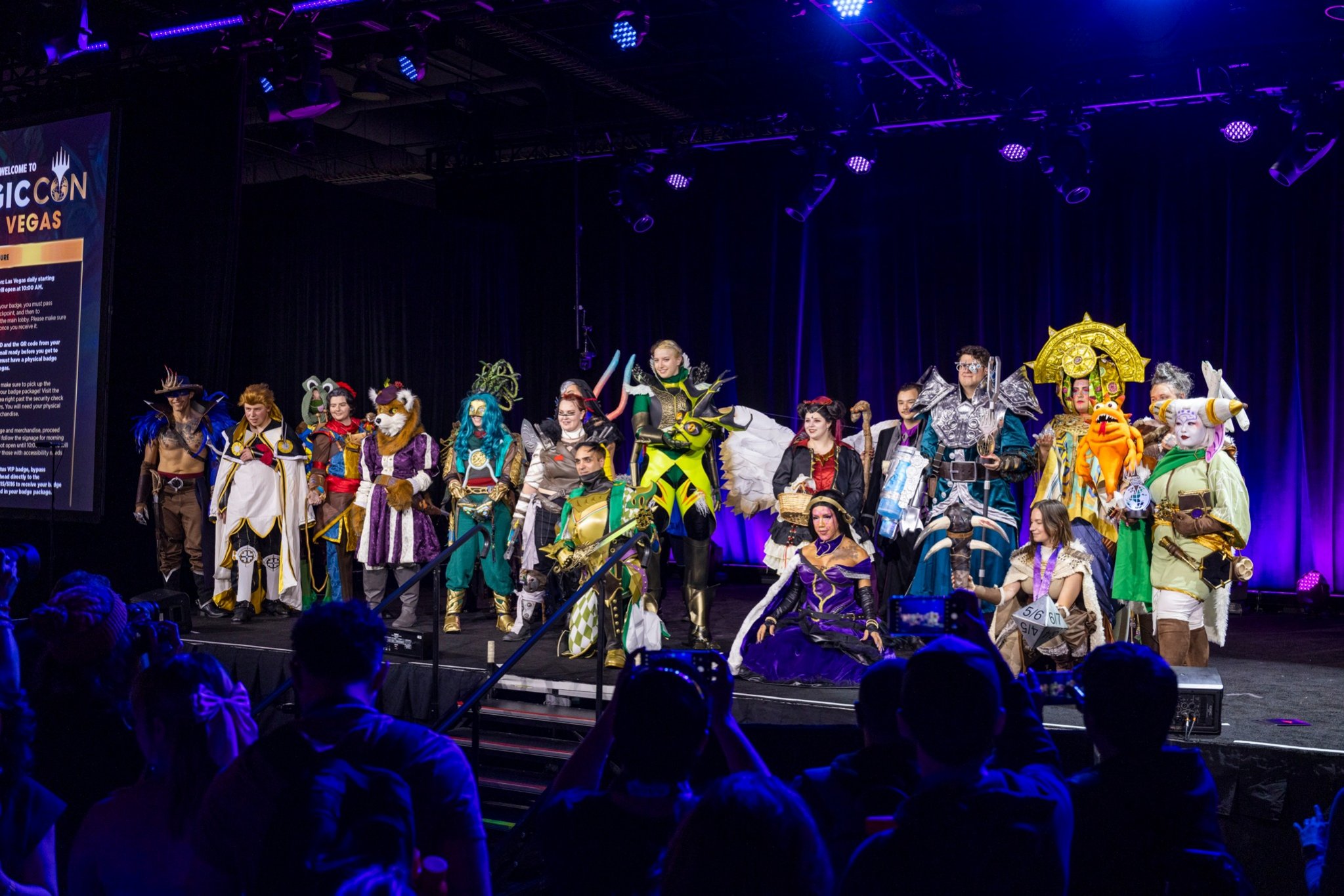
1. Navigating the Logistics of a Successful Cosplay Contest Entry
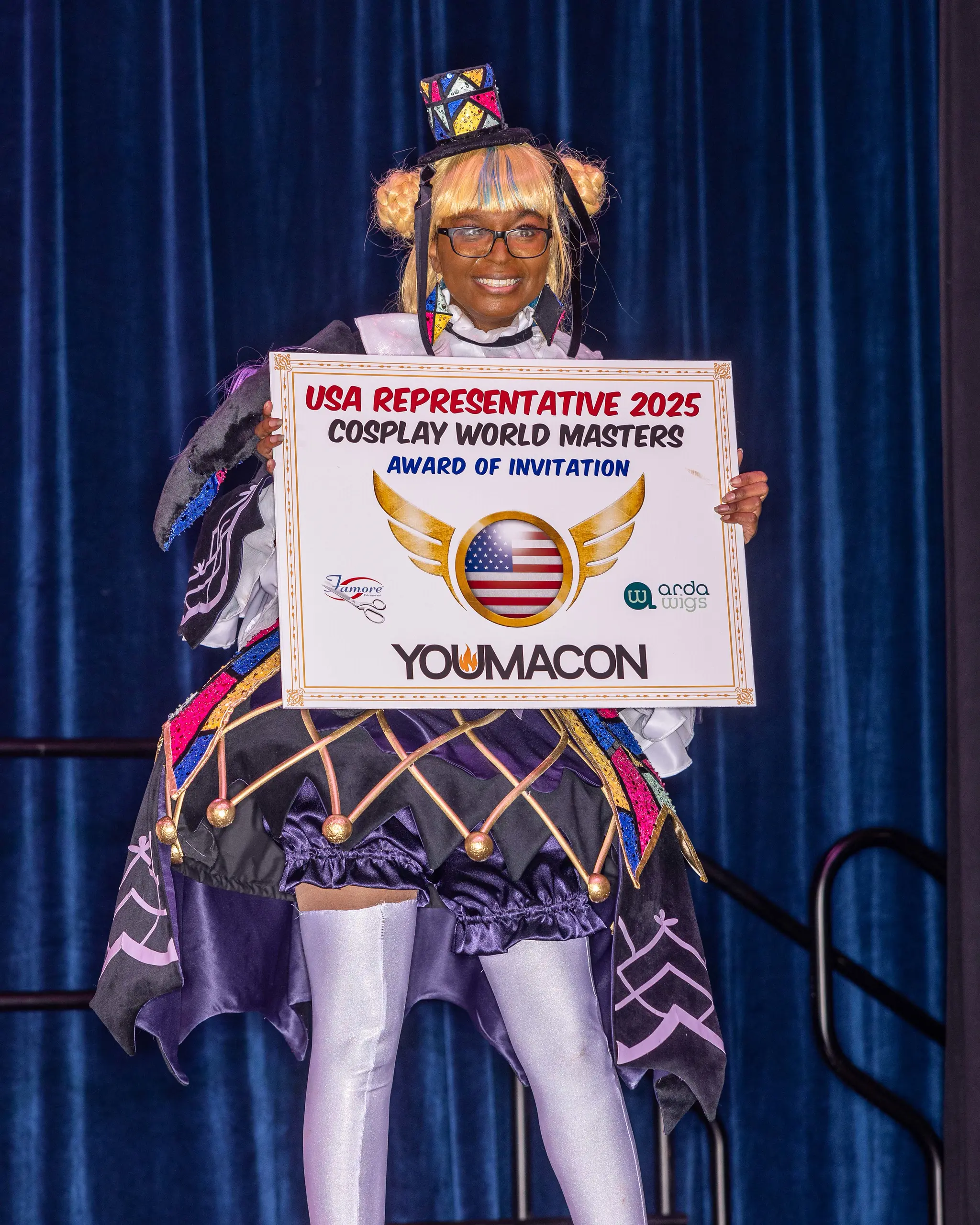
Entering a cosplay contest requires more than just wearing a fantastic costume; it demands careful attention to administrative details, deadlines, and specific event guidelines. Whether you are stepping onto the stage for the first time or competing at an advanced level, understanding the foundational mechanics of a cosplay contest will help you avoid disqualification and set you up for success.
1.1 Understanding Competition Structures and Skill Divisions
Most conventions and major competitive events divide their participants to ensure a fair playing field. Knowing where your skills align prevents misplaced registrations.
Distinguishing between Novice, Journeyman, and Master categories
Skill levels are typically split into three tiers based on past awards and overall experience. The Novice category is designed for beginners who have won few or no major awards, encouraging newcomers to showcase their early craftsmanship. Journeyman represents intermediate creators who have mastered several techniques and likely secured a few wins in lower brackets. The Master tier is reserved for elite builders, professional costume makers, and multi-award winners who operate at the highest technical level.
Evaluating the difference between Craftsmanship and Performance-based judging
Judges usually look at entries through two distinct lenses. Craftsmanship focus evaluates the physical construction, neatness of seams, material choices, and overall accuracy of the build. Performance-based judging, on the other hand, centers entirely on stage presence, acting, lip-syncing, and audience engagement during a skit.
1.2 Decoding Official Rulebooks and Safety Standards
Every convention enforces strict safety guidelines to protect participants, staff, and attendees. Ignoring these parameters can result in immediate rejection.
Navigating strict weapon policies, peace-bonding, and prop regulations
Prop weapons must adhere to strict material limitations, often forbidding metal, glass, or unpadded hard plastics. Before entering the judging area, your props must undergo inspection and receive an official peace-bonding zip-tie or sticker from convention security.
Clarifying rules on store-bought items, 3D printing, and commissioned components
Contests have strict caps on how much of a costume can be pre-made or purchased. While 3D printing is widely accepted, many rules dictate that you must have designed or finished the file yourself, and commissioned pieces are either heavily penalized or outright banned in craftsmanship divisions.
1.3 Preparing Your Documentation for Technical Judging
For craftsmanship judging, your physical outfit is only half the battle. Judges need proof of how you built it.
Creating a professional reference package with character turnarounds
Assemble a physical or digital binder containing high-resolution front, back, and side views of your character from the source material. Clear reference images help judges evaluate your adherence to the original design.
Documenting your process through progress photos and material logs
Include a dedicated section showing the costume under construction, detailing altered sewing patterns, raw worbla pieces, and wiring schematics. This transparency proves your handiwork and highlights your problem-solving process.
1.4 Maintaining Etiquette and Protocol
Backstage environments are notoriously high-stress, making professional behavior essential for a smooth event.
Managing timeline expectations and green room conduct
Arrive well ahead of your scheduled check-in window. Keep your workspace tidy, respect fellow competitors’ personal space and fragile armor pieces, and listen closely to stage managers.
Respecting judges and staff during the line-up process
Treat every coordinator, volunteer, and judge with courtesy. Patience and a positive attitude reflect well on you as a community member and ensure the pre-judging and line-up queues move efficiently.
2. Advanced Strategies for Winning a Cosplay Contest
2.1 Elevating Your Costume Construction for High-Impact Judging
2.1.1 Selecting characters that showcase intricate detailing and technical skill
To capture the attention of judges in a competitive cosplay contest, choosing the right source material is your first critical decision. Skip simple designs and opt for characters featuring layered armor, complex symmetry, or mixed-media elements that allow you to demonstrate high-level technical versatility.
2.1.2 Incorporating innovation through LED electronics, animatronics, and unique textiles
Judges look heavily for innovation and ambitious execution. Elevate a standard build by integrating programmable LED lighting, hidden micro-servos for moving wings or faceplates, or custom-dyed textiles that push your craft beyond basic sewing.
2.1.3 Balancing screen accuracy with personal creative interpretation
While strict adherence to reference art matters, mastering the balance between exact screen translation and smart engineering is what separates finalists from winners. Clever adaptation of heavy materials into lightweight, wearable components shows true craftsmanship.
2.2 Mastering Stage Presence and Performance Art
2.2.1 Designing effective choreography and audio tracks for stage skits
For performance-based entries, your stage time is precious. Keep audio tracks crisp, copyright-friendly, and timed precisely to simple, high-impact choreography that highlights your costume from every angle.
2.2.2 Developing character embodiment to capture audience and judge attention
Step fully into character the moment you step into the spotlight. Confident posture, signature poses, and emotional delivery turn static garments into living art.
2.2.3 Implementing crisis management for mid-performance wardrobe malfunctions
Live stages are unpredictable. Practice graceful recoveries for loose props or tripping hazards so you can maintain character composure no matter what happens.
2.3 Essential Preparation for Contest Day
2.3.1 Building the ultimate emergency repair kit for quick fixes
A well-stocked repair kit is a lifesaver during pre-judging and line-ups. Pack contact cement, heat guns, safety pins, zip ties, and pre-mixed touch-up paints to handle unexpected emergencies swiftly.
2.3.2 Executing final grooming and makeup checks before judging
Give your costume a final once-over just minutes before stepping in front of the judging panel. Secure loose wig styling, check makeup symmetry, and ensure all snaps or zippers are fully locked into place.
2.4 Frequently Asked Questions About Competitive Cosplay
2.4.1 Guidelines for entering the same costume in multiple regional events
Most conventions feature distinct rules regarding previous awards. Generally, if a build has won a major “Best in Show” or equivalent top prize, it may be retired from major contention, though smaller regional events often permit entry if you haven’t won top tier prizes there before.
2.4.2 Strategies for managing last-minute construction deadlines
Cramming the night before a convention is stressful and often leads to sloppy work. Break your workflow down using structured checklists, similar to how you would organize and make a spreadsheet to track material expenses, time allotments, and drying windows.
2.4.3 Insights into judge selection and specific criteria for close-up inspections
Judges are typically seasoned builders, prop makers, or past champions. During close-up inspections, they will look inside seams, examine hidden fastenings, and evaluate your overall cleanliness of construction, so take pride in your interior finishing work just as much as the exterior paint.
Stepping into a cosplay contest is an incredible journey that tests your creativity, patience, and craftsmanship. Whether you are aiming to take home best-in-show or simply want to share your passion for a character with a live audience, preparation is everything. By understanding competition rules, carefully planning your costume ideas, and perfecting your performance tips and stage presence, you set yourself up for a rewarding and unforgettable experience.
Remember that every master crafter started as a novice. Don’t let the pressure of competition overshadow the fun of bringing your favorite fictional universe to life. Keep refining your skills, learn from every judging panel, and support your fellow makers along the way. Gather your reference materials, double-check your emergency repair kit, and step onto that stage with confidence. Your hard work deserves to shine.