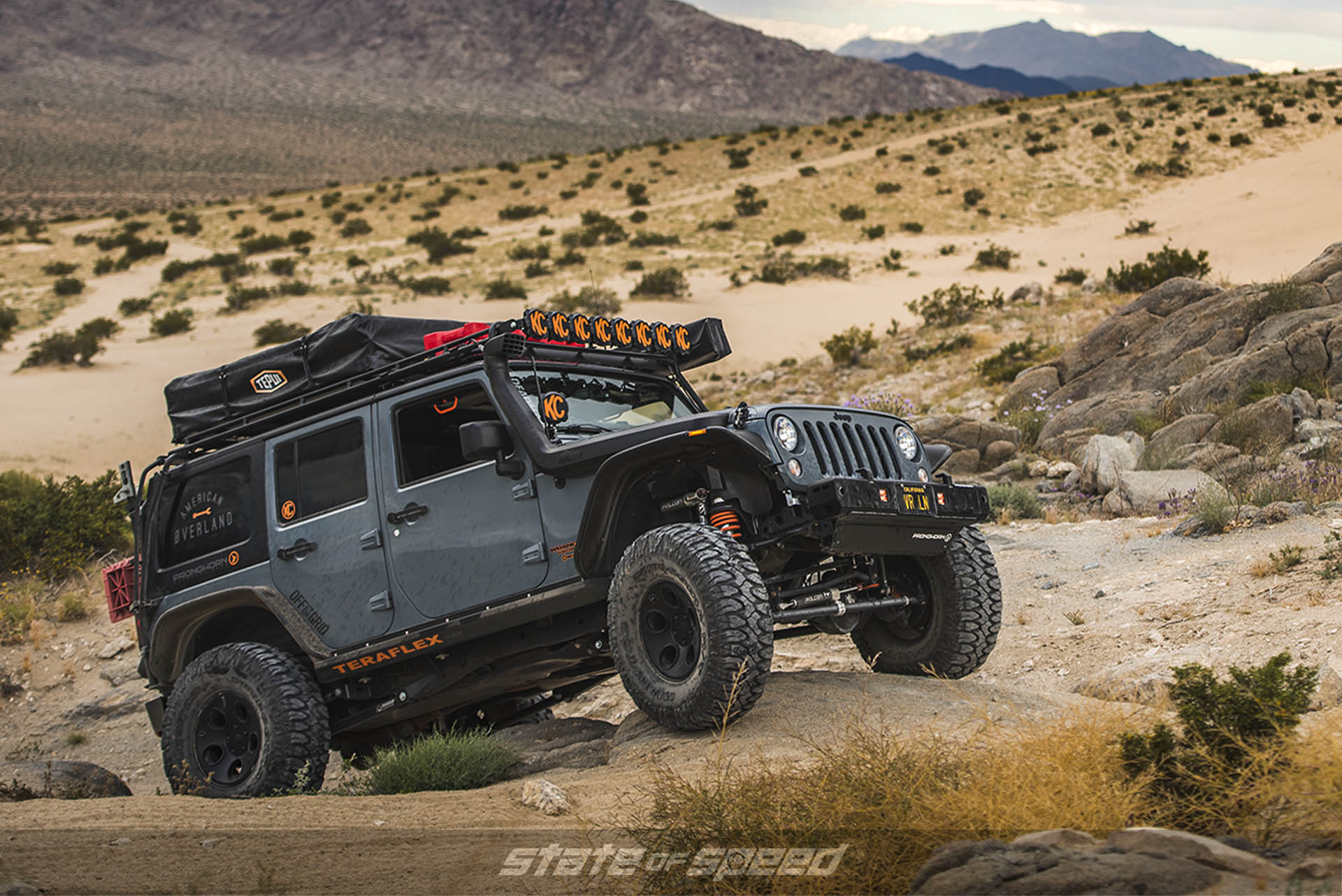
There is a distinct kind of freedom that comes with leaving the paved highway behind and diving headfirst into off road exploration. Whether you are navigating the rugged red rock trails of Moab, tackling muddy logging roads in the Pacific Northwest, or simply seeking solitude in remote backcountry spaces, venturing off the grid requires more than just a capable four-wheel-drive vehicle. It demands a respectful mindset, meticulous planning, and a deep understanding of mechanical resilience.
Preparing for the unpredictable nature of the backcountry means equipping your rig with essential gear that can bridge the gap between a minor inconvenience and a serious survival situation. From upgrading your suspension and managing tire pressure to packing reliable recovery tools, every decision you make before hitting the dirt dictates how smoothly your adventure will go. Along the way, mastering critical trail safety tips and practicing sound environmental stewardship ensure that these wild landscapes remain open and pristine for generations of outdoor enthusiasts to come.
In this guide, we will break down everything you need to know to transform your vehicle into a reliable expedition platform. You will learn how to build out your recovery kit, navigate remote terrain without cellular service, and handle unexpected mechanical challenges with confidence.
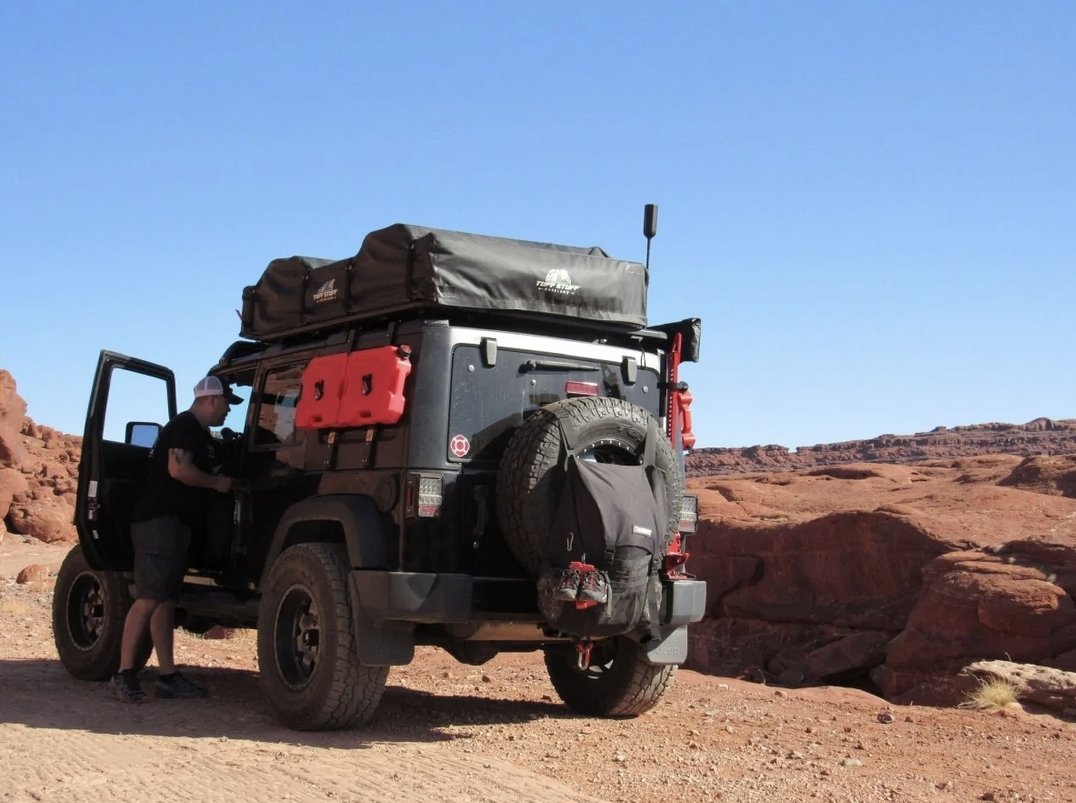
1. Mastering Off Road Exploration: Vehicle Systems and Recovery Gear
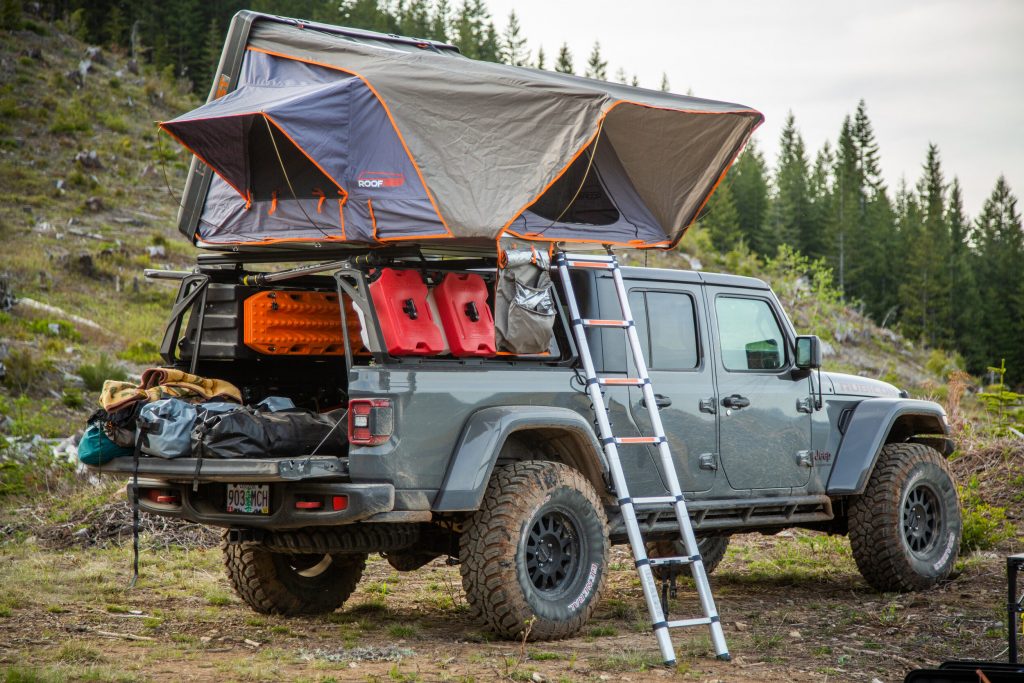
Embarking on a successful backcountry journey demands a complete understanding of how your machine interacts with unforgiving terrain. Off road exploration pushes both driver and machinery to their limits, making preparation the ultimate line between an unforgettable adventure and a costly rescue operation. By focusing on smart structural enhancements and foolproof extraction tools, you can transform a stock platform into a reliable overlanding companion capable of conquering remote tracks.
1.1 Building a Capable Off Road Vehicle
Before hitting the rugged backcountry, your machine needs targeted modifications designed to absorb heavy impacts and maintain traction in fluctuating environments. This phase of vehicle preparation focuses on structural reinforcement and mechanical resilience.
1.1.1 Armor and Undercarriage Protection Strategies
Factory skid plates are typically constructed from thin stamped steel or plastic, which offers minimal defense against jagged granite boulders and deep ruts. Upgrading to a complete undercarriage armor suite—featuring heavy-duty differential covers, transfer case skid plates, and robust rocker guards—shields vital drivetrain components from catastrophic punctures.
1.1.2 Tire Management and Air Pressure Control
Your tires serve as the sole contact point between your vehicle and the earth. Upgrading to dedicated all-terrain or mud-terrain tires with reinforced sidewalls is non-negotiable. Furthermore, mastering tire deflation allows you to lengthen the tire’s footprint, vastly increasing traction while smoothing out washboard surfaces. Always carry a reliable dual-cylinder air compressor to reinflate your tires before returning to highway speeds.
1.1.3 Essential Mechanical Tool Kits and Spare Parts
Remote trails offer no quick trips to the local auto parts store. Assemble a comprehensive metric tool kit containing heavy-duty wrenches, sockets, zip ties, JB Weld, electrical tape, and a multitester. Carry trail-specific spares such as serpentine belts, spare fuses, fuel filters, and a high-lift axle shaft if your rig is prone to breaking parts under heavy articulation.
1.2 Must Have Vehicle Recovery Equipment
Even the most meticulously built rigs eventually get stuck. Having the right essential gear stowed in your cargo area ensures you can self-recover safely without relying on outside assistance.
1.2.1 Mastering Winches and Kinetic Energy Ropes
An electric winch mounted to a heavy-duty bumper remains the gold standard for self-extraction. Pair your winch with synthetic rope for safer operation under extreme tension. For dynamic recoveries, kinetic energy straps stretch to store and release kinetic energy, smoothly pulling a stuck vehicle out of deep mud or sand without shocking the chassis.
1.2.2 Using Traction Boards and Mechanical Jacks Effectively
When winching anchor points are unavailable, composite traction boards placed directly beneath driven tires provide the instant bite needed to escape loose sand or snow. Pair these with an exhaust jack or a mechanical farm jack to lift the vehicle out of deep ruts safely, keeping your hands clear of unstable loads.
1.2.3 Secure Rigging Techniques with Shackles and Blocks
Rigging safety requires proper hardware management. Always use heavy-duty bow shackles stamped with working load limits, and incorporate tree saver straps to protect anchor points from bark stripping. Snatch blocks can double your winch’s pulling capacity or allow you to change pull directions when obstacles block a straight-line recovery.
2. Trail Navigation, Communication, and Survival Protocols
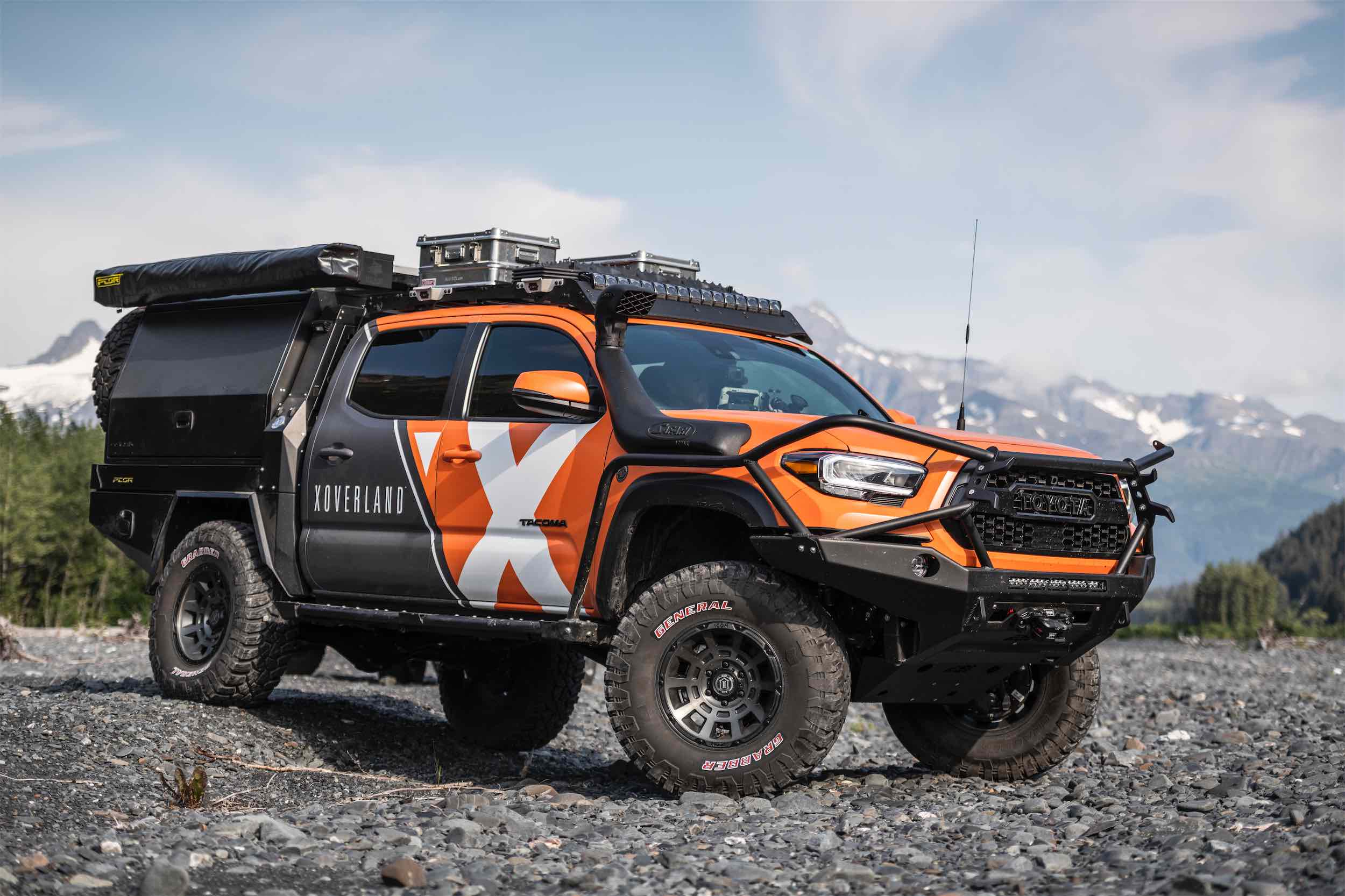
2.1 Advanced Navigation and Reliable Communication
Venturing deep into the backcountry requires moving beyond standard cell phone maps, as reliable cellular service vanishes miles before the trailhead. Off road exploration demands a multi-layered approach to navigation and communication to ensure you never lose your bearings when routes become ambiguous.
2.1.1 Selecting Digital Mapping Apps and Satellite Messengers
Modern off-roading relies heavily on dedicated offline GPS apps that store topographic maps, public land boundaries, and user-generated trail ratings directly on your mobile device or tablet. Always download your route maps prior to departure. When digital screens fail or signal is completely lost, carrying a dedicated satellite messenger or personal locator beacon provides a crucial lifeline to emergency services via global satellite networks.
2.1.2 Radio Standards for Group Trail Coordination
Clear communication between vehicles is essential for navigating technical obstacles safely. Handheld and permanently mounted radios allow drivers to call out hidden hazards, oncoming traffic, or sudden mechanical issues. Establishing standard channel protocols and radio discipline before hitting the dirt ensures everyone in your convoy stays informed, whether you rely on traditional CB radios, GMRS units, or ham radio frequencies.
2.1.3 Power Management and Dual Battery Systems
Running high-draw accessories like GPS tablets, communication radios, refrigerators, and campsite lighting places a heavy burden on your vehicle’s electrical system. Installing a dual battery system isolates your starting battery from your accessory battery, ensuring you always have enough juice to turn the engine over after a weekend at camp. Supplementing this setup with portable solar panels helps maintain your power supply during extended remote stays.
2.2 Safety, Survival, and Responsible Trail Craft
Mastering technical driving skills is only half the battle; maintaining preparedness for unexpected contingencies defines a truly responsible adventurer. Prioritizing safety ensures that every excursion remains an enjoyable challenge rather than a survival scenario.
2.2.1 First Aid and Emergency Preparedness Standards
A comprehensive trauma kit and advanced first aid knowledge are non-negotiable components of your vehicle inventory. Remote environments mean professional medical help can be hours away, making items like tourniquets, quick-clot gauze, splints, and wilderness-specific medications essential. Pair your medical supplies with emergency blankets, water filtration tools, and high-calorie rations to handle unexpected overnight delays.
2.2.2 The Tread Lightly Philosophy for Sustainable Access
Protecting the landscapes we love is vital for keeping public lands open to motorized recreation. Practicing sustainable trail craft means staying strictly on designated routes, avoiding sensitive riparian zones, and packing out all waste. Respecting seasonal closures and wildlife habitats ensures that these pristine wilderness areas remain accessible for future generations of outdoor enthusiasts.
2.2.3 Proven Techniques for Obstacle Negotiation and Spotting
Safely navigating boulders, deep ruts, and steep inclines often requires external guidance. Utilizing a dedicated spotter outside the vehicle allows drivers to pick the ideal line while keeping tires clear of dangerous drops. Clear, pre-agreed hand signals eliminate the confusion caused by engine noise, allowing for precise wheel placement and minimizing the risk of costly body damage or rollovers.
Embarking on successful off road exploration requires a careful balance of mechanical preparation, smart gear choices, and a deep respect for nature. Whether you are dialing in your vehicle protection, packing essential gear for unexpected trail obstacles, or practicing crucial trail safety tips, every decision you make impacts both your safety and the longevity of your rig. The journey from a novice explorer to a confident overlander is built on continuous learning, meticulous planning, and hands-on experience in the backcountry.
As you map out your next adventure, remember that responsible recreation ensures these remote landscapes remain open and pristine for future generations. Keep your recovery equipment organized, maintain your dual battery systems, and always stay mindful of your surroundings. If you are looking to further refine your outdoor setup and tackle more projects around your property, check out this guide on how to upgrade your outdoor space while sticking to your budget. Equip your vehicle, pack your recovery kit, and head out onto the trail with confidence.