If bones could talk, they would probably ask for better PR. They work 24/7, hold you upright, protect your organs, store minerals, and still get ignored until someone slips on a wet kitchen floor or hears the word “osteoporosis” at a checkup. A bone density test, also called a DEXA scan or DXA scan, is one of the simplest ways to check whether your bones are as sturdy as they feelor quietly becoming thinner behind the scenes.
The good news? A bone density test is quick, painless, noninvasive, and usually far less dramatic than most people imagine. There are no tunnels, no needles, no awkward gym-class flexibility moves, and no need to prove you can touch your toes. You simply lie on a padded table while a scanner measures the mineral content in key bones, usually the hip and spine. From that information, your healthcare provider can estimate bone strength, diagnose osteopenia or osteoporosis, and evaluate your risk of future fractures.
This guide explains how the bone density test works, what it is used for, who may need one, how to prepare, what results mean, and what real-life patients often experience before, during, and after the scan.
What Is a Bone Density Test?
A bone density test measures bone mineral density, often shortened to BMD. In plain English, it checks how much calcium and other minerals are packed into a specific area of bone. The more mineral content your bones have, the denser and generally stronger they are. When bones lose too much mineral density, they become more fragile and more likely to break.
The most common and widely used test is called dual-energy X-ray absorptiometry. That is why you may see it written as DEXA or DXA. Both terms refer to the same type of scan. “Dual-energy” means the machine uses two low-dose X-ray beams at different energy levels. By comparing how the beams pass through bone and soft tissue, the machine calculates bone density with impressive precision.
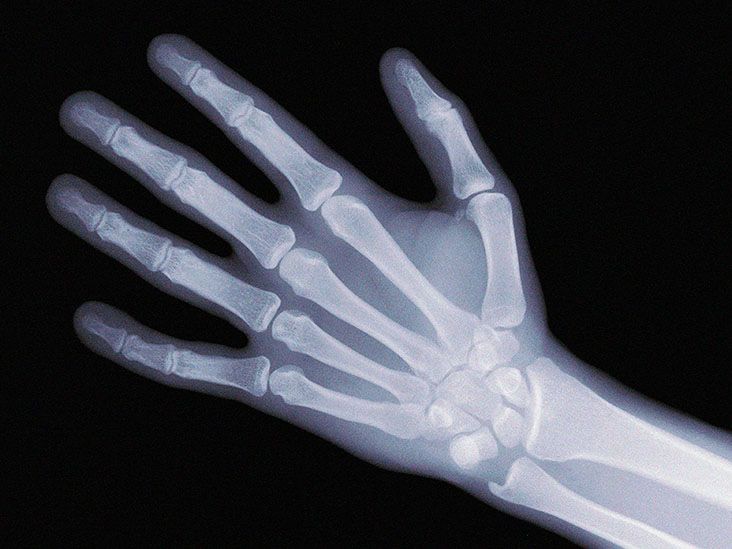
Unlike a standard X-ray, which usually shows whether a bone is already broken, a DEXA scan helps detect bone loss before a fracture happens. Think of it as checking the foundation of a house before the floorboards start complaining.
What Is a Bone Density Test Used For?
The main purpose of a bone density test is to evaluate bone health and fracture risk. It is most often used to detect osteoporosis, a condition in which bones become weak, brittle, and easier to fracture. Osteoporosis is sometimes called a “silent disease” because many people do not know they have it until they break a bone from a minor fall or even a simple movement.
1. Diagnosing Osteopenia
Osteopenia means bone density is lower than normal but not low enough to be classified as osteoporosis. It is a warning light, not a five-alarm fire. A diagnosis of osteopenia gives you and your healthcare provider a chance to improve bone health through nutrition, exercise, fall prevention, and sometimes medication before the condition progresses.
2. Diagnosing Osteoporosis
A DEXA scan is considered the standard test for diagnosing osteoporosis in many adults, especially postmenopausal women and men age 50 and older. If the scan shows significantly reduced bone density, your provider may diagnose osteoporosis and recommend a treatment plan to reduce fracture risk.
3. Predicting Fracture Risk
Bone density is not the only factor that determines whether someone may break a bone, but it is a major piece of the puzzle. Healthcare providers may combine DEXA results with risk factors such as age, weight, smoking history, alcohol use, family history, steroid medication use, and previous fractures. Some clinicians also use fracture risk tools such as FRAX to estimate the chance of a major osteoporotic fracture over the next 10 years.
4. Monitoring Treatment
If you are taking medication for osteoporosis or making major lifestyle changes to protect your bones, repeat DEXA scans may help show whether your bone density is stable, improving, or declining. The goal is not always to turn bones into marble columns. Sometimes success means slowing bone loss and preventing fractures.
How Does a DEXA Scan Work?
During a DEXA scan, the machine sends two very low-dose X-ray beams through the bones being measured. Dense bone blocks more of the X-ray beam, while less dense bone allows more of it to pass through. A computer analyzes these differences and calculates your bone mineral density.
Most central DEXA scans focus on the hip and lower spine because fractures in these areas can have serious consequences. The forearm may also be scanned in certain situations, such as when the hip or spine cannot be measured accurately, or when a condition affecting the parathyroid glands is being evaluated.
The scan does not “see” bone strength in the same way you might test a chair by sitting on it. Instead, it estimates strength by measuring mineral density. That is why DEXA results are useful, but they are interpreted alongside your medical history, medications, age, fall risk, and overall health.
Who Should Consider a Bone Density Test?
Bone density testing is commonly recommended for women age 65 and older because osteoporosis risk rises after menopause, when estrogen levels decline. Postmenopausal women younger than 65 may also need screening if they have risk factors for osteoporosis or fracture.
Men can develop osteoporosis too, even though they are often left out of the conversation like someone who arrived late to a dinner party. Screening decisions for men vary more and are often based on age, medical history, medications, and other risks. Many healthcare providers consider testing men age 70 and older, or younger men with significant risk factors.
Common Risk Factors for Low Bone Density
- Being postmenopausal
- Having a previous fracture after age 50
- Having a parent who had a hip fracture
- Long-term use of corticosteroid medications such as prednisone
- Low body weight or significant unintentional weight loss
- Smoking or heavy alcohol use
- Low calcium or vitamin D intake
- Rheumatoid arthritis or certain endocrine, digestive, kidney, or liver conditions
- Loss of height, stooped posture, or suspected spinal compression fractures
- Early menopause or low sex hormone levels
A bone density test may also be ordered if an imaging test shows possible bone thinning, if you have unexplained back pain that could indicate a vertebral fracture, or if your provider wants to assess the effects of medications that may weaken bone over time.
How to Prepare for a Bone Density Test
Preparing for a bone density test is refreshingly low-maintenance. You do not need to fast, cleanse, chug mysterious liquids, or train like you are entering a medical obstacle course.
On the day of the test, wear loose, comfortable clothing. Avoid metal zippers, belts, buttons, underwire bras, or anything that might interfere with the scan. You may be asked to change into a gown if your clothing has metal near the area being scanned.
Many imaging centers recommend avoiding calcium supplements for at least 24 hours before the test. Calcium pills, antacids containing calcium, or certain mineral supplements may show up in the digestive tract and interfere with the accuracy of the scan. Eating normal meals is typically fine unless your healthcare provider gives different instructions.
Tell the technologist if you might be pregnant. Even though DEXA uses very low radiation, imaging tests involving X-rays are usually avoided during pregnancy unless medically necessary. Also mention if you recently had a CT scan with contrast, a nuclear medicine test, or a barium study, because contrast material can affect results.
What Happens During the Procedure?
When you arrive, the technologist may ask about your height, weight, medical history, fracture history, medications, and whether you have had previous bone density scans. If you have prior results, they can be helpful for comparison.
For a central DEXA scan, you lie on your back on a padded table. The scanner arm passes over your body while another detector is positioned beneath the table. The machine does not touch you in a painful way, and the scan is usually quiet. This is not one of those machines that sounds like a washing machine full of bricks.
For a spine scan, your legs may be placed on a padded box to flatten the lower back. For a hip scan, your foot may be gently positioned so the hip rotates slightly inward. This helps the machine capture a consistent, accurate image. You will need to stay still, and you may be asked to hold your breath briefly.
The entire test often takes about 10 to 30 minutes, depending on the facility and the number of sites scanned. Afterward, you can usually return to normal activities immediately. There is no recovery period, no sedation, and no need for someone to drive you home.
Understanding Bone Density Test Results
Bone density results usually include a T-score and sometimes a Z-score. These numbers may look intimidating at first, but they are easier to understand once you know what they compare.
T-Score: The Main Number for Many Adults
The T-score compares your bone density with that of a healthy young adult. For postmenopausal women and men age 50 and older, this is usually the key number used for diagnosis.
- T-score of -1.0 or higher: Normal bone density.
- T-score between -1.0 and -2.5: Low bone mass, also called osteopenia.
- T-score of -2.5 or lower: Osteoporosis.
Here is a practical example: a T-score of -0.6 is generally considered normal. A T-score of -1.8 suggests osteopenia. A T-score of -2.7 falls in the osteoporosis range. The more negative the number, the lower the bone density.
Z-Score: Comparing You With People Like You
The Z-score compares your bone density with what is expected for someone of your age, sex, and body size. It is especially useful for younger adults, premenopausal women, and children. A much lower-than-expected Z-score may prompt your provider to look for underlying causes of bone loss, such as hormone issues, malabsorption, chronic disease, or medication effects.
What Happens If Your Results Are Abnormal?
An abnormal bone density result does not automatically mean panic should enter the chat. It means your provider has useful information and can help you decide what to do next.
If you have osteopenia, your plan may include weight-bearing exercise, resistance training, fall-prevention strategies, adequate protein, calcium-rich foods, vitamin D evaluation, and addressing smoking or alcohol use. Medication may or may not be needed, depending on your fracture risk.
If you have osteoporosis, your provider may recommend prescription medication in addition to lifestyle changes. Treatment options can include bisphosphonates, denosumab, anabolic bone-building medications, or other therapies depending on your fracture risk, age, kidney function, medical history, and preferences.
Your provider may also order blood or urine tests to check for possible contributors to bone loss. These may include vitamin D levels, calcium levels, kidney function, thyroid function, parathyroid hormone levels, or markers related to other medical conditions.
Is a Bone Density Test Safe?
For most people, a DEXA scan is considered very safe. It uses a low dose of radiationmuch lower than many other imaging tests. Still, because it involves X-rays, it is important to tell the imaging center if you are pregnant or may be pregnant.
The test itself is painless. There are no injections, no contrast dye for a standard DEXA scan, and no enclosed tube. People with claustrophobia often tolerate it well because the scanner is open and the procedure is short.
Can a Bone Density Test Diagnose Arthritis?
This is a common question, and the answer is no. A bone density test measures mineral density in bone. It does not diagnose arthritis, which involves joints, cartilage, inflammation, and structural joint changes. Standard X-rays, physical exams, lab tests, ultrasound, or MRI may be used to evaluate arthritis depending on the situation.
That said, arthritis and bone density can overlap in real life. Some inflammatory diseases, such as rheumatoid arthritis, can increase osteoporosis risk. Certain medications used for inflammatory conditions may also affect bone health. So while DEXA does not diagnose arthritis, people with some types of arthritis may still need bone density testing.
How Often Should You Repeat a Bone Density Test?
The right interval depends on your first result, your age, risk factors, and whether you are receiving treatment. Some people with normal results may not need another scan for several years. Others with osteopenia, osteoporosis, new fractures, medication changes, or high-risk conditions may need closer monitoring.
Repeating the test too soon may not be helpful because bone density usually changes slowly. Your healthcare provider can recommend a schedule that makes sense for your risk level instead of turning DEXA scans into an annual hobby. Your bones deserve attention, but they probably do not need their own reality show.
How to Support Stronger Bones After the Test
A bone density test gives you information, but what you do with that information matters most. Bone health is influenced by daily habits, medical conditions, medications, hormones, nutrition, and fall risk.
Build Bone-Friendly Movement Into Your Week
Weight-bearing activities such as walking, stair climbing, dancing, and low-impact aerobics can help maintain bone strength. Resistance training is also important because muscles pull on bones, encouraging them to stay stronger. Balance exercises, tai chi, and physical therapy can reduce fall risk, which is just as important as improving density.
Eat for Bone Health
Calcium and vitamin D are the famous bone-health duo, but they are not the whole cast. Protein, magnesium, vitamin K, and overall diet quality matter too. Many adults can get calcium from foods such as dairy products, fortified plant milks, tofu made with calcium, canned salmon with bones, leafy greens, and fortified cereals. Vitamin D may come from sunlight, foods, or supplements when needed.
Review Medications and Medical Conditions
Some medications can contribute to bone loss, especially long-term corticosteroids. Certain thyroid, parathyroid, digestive, kidney, liver, and hormonal conditions can also affect bone health. Never stop a prescribed medication on your own, but ask your provider whether your medicines or conditions should be part of your bone-health plan.
Real-Life Experiences: What People Often Notice Before, During, and After a Bone Density Test
Many people arrive for a bone density test feeling nervous because the word “scan” can sound more intense than the reality. In practice, the experience is often surprisingly ordinary. Patients commonly say the hardest part is remembering not to wear jeans with metal buttons or not taking a calcium supplement that morning. Compared with many medical appointments, a DEXA scan is refreshingly boringand in healthcare, boring can be beautiful.
One common experience is surprise at how fast the test feels. A person may block off half a day mentally, only to discover the actual scan takes about as long as a coffee break. The technologist positions the body carefully, asks the patient to stay still, moves the scanner arm, and the process is over before there is time to invent a dramatic backstory. There is no pain, though some people with back or hip discomfort may find it mildly uncomfortable to lie still or keep the hip positioned inward for a short time.
Another common reaction comes when results arrive. Some people feel shocked by an osteopenia diagnosis because they feel healthy and active. That is exactly why the test is useful: low bone density usually does not announce itself with flashing lights. A person can walk, work, travel, garden, and carry groceries while still having bones that are gradually losing density. The scan can catch the issue before a fracture turns life upside down.
Patients also often learn that bone health is not only about drinking milk. A provider may ask about falls, balance, family history, steroid use, smoking, alcohol, digestive problems, menopause timing, and previous fractures. This broader conversation can be eye-opening. For example, someone who broke a wrist after a minor fall at age 58 may not have thought of it as a bone-health clue. Another person may discover that long-term prednisone use for asthma or an autoimmune condition makes testing especially important.
After the test, many people feel motivated because the results turn an invisible issue into something measurable. A T-score gives a baseline. From there, the plan may include strength training, more protein, safer footwear, checking vitamin D, adding calcium-rich foods, reviewing medications, or starting osteoporosis treatment. For some, the experience becomes a wake-up call to prevent falls at home: removing loose rugs, improving lighting, installing grab bars, and finally admitting that balancing on a chair to change a ceiling bulb is not a personality traitit is a risk factor.
The most helpful mindset is to treat a bone density test as information, not a verdict. A lower-than-expected result does not mean your body has failed. It means you have a chance to protect your independence, mobility, and future comfort. Strong bones are not just about avoiding fractures; they are about continuing to lift grandchildren, walk the dog, travel, dance badly at weddings, and carry groceries in one heroic trip even when two trips would be wiser.
Conclusion
A bone density test is a simple, low-dose imaging exam that measures the mineral content of your bones, usually at the hip and spine. It helps diagnose osteopenia and osteoporosis, estimate fracture risk, and monitor whether treatment is working. The procedure is fast, painless, and requires very little preparationmostly wearing comfortable clothing, avoiding metal, and skipping calcium supplements for 24 hours if instructed.
The real value of a DEXA scan is prevention. It can reveal silent bone loss before a fracture happens, giving you and your healthcare provider time to create a practical plan. Whether that plan involves exercise, nutrition, fall prevention, medication, or further testing, the goal is the same: stronger bones, fewer fractures, and more years of moving through life with confidence.
Note: This article is for educational purposes only and is based on current medical guidance from reputable U.S. health organizations and clinical resources. It should not replace professional medical advice, diagnosis, or treatment. Always consult a qualified healthcare provider about personal screening needs, test results, and treatment options.