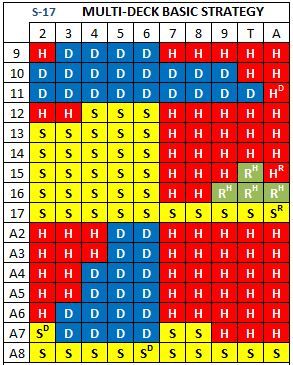
Stepping up to a table and choosing a multi-hand strategy can completely change the rhythm and intensity of your gaming session. Whether you are splitting decisions across multiple blackjack boxes or speeding through simultaneous rounds of video poker, playing more than one hand at a time offers an extra layer of engagement. However, increasing your hand volume also amplifies your financial exposure and accelerates how quickly your bankroll fluctuates. Because of this, mastering how to balance simultaneous action is essential for long-term sustainability.
Before jumping into high-volume play, it is vital to understand how expanded action interacts with math, variance, and your personal betting limits. To protect your capital while enjoying faster gameplay, you need to look closely at core concepts like bankroll management strategies, true probability versus payout structures, and the psychological discipline required to avoid tilt. This guide breaks down everything you need to know to manage your funds, navigate the math, and keep your gaming experience both fun and controlled.

1. Mastering Multi-hand Strategy and Mathematical Odds

1.1 The Mechanics of Multi-hand Gaming
1.1.1 Defining simultaneous play in blackjack and video poker
Simultaneous play changes the entire tempo of casino gaming. Instead of wagering on a single layout, a multi-hand strategy allows you to control several betting boxes in blackjack or multiple line iterations in video poker all at once. In a digital or physical shoe, this means processing multiple distinct outcomes derived from the same deck or random number generator sequence during a single round.
1.1.2 How multi-hand action shifts the house edge and session variance
While the mathematical house edge for individual bets remains identical whether you play one hand or five, multi-hand action dramatically accelerates your exposure. Because you are playing more rounds per hour, your session variance spikes. To understand how these fluctuations impact your bottom line, reviewing a detailed game volatility analysis can help you prepare for the psychological and financial swings ahead.
1.2 Understanding Probability and Independent Trials
1.2.1 Why multiple hands do not improve mathematical advantage
A common misconception among players is that spreading bets across multiple hands helps “cover the table” or tame bad streaks. In reality, every hand represents an independent trial. Dealt cards have no memory of past outcomes, meaning playing three hands simultaneously offers the exact same underlying mathematical disadvantage as playing three single hands sequentially.
1.2.2 The impact of increased hand volume on total expected value
While your edge doesn’t change, your velocity changes drastically. Increasing your hand volume multiplies your total expected loss per hour because your total amount wagered scales upward. If you bet ten dollars per hand across four simultaneous positions, your hourly coin-in quadruples, accelerating the rate at which the house edge grinds down your funds.
1.2.3 Differentiating between true odds and house payout structures
Understanding true odds versus casino payout structures is vital when scaling your action. Because payouts on blackjack naturals or specific video poker paytables are fixed below true mathematical odds, higher volume simply exposes your bankroll to that negative expectation at a much faster rate.
1.3 Managing Cognitive Load and Decision Speed
1.3.1 Identifying the threshold for optimal decision-making
Every player has a cognitive bandwidth limit. When you introduce simultaneous decisions—such as splitting pairs and doubling down across three different hands—the speed required to make mathematically correct plays can overwhelm your focus. Knowing your personal threshold prevents costly emotional mistakes.
1.3.2 Mitigating fatigue to maintain adherence to basic strategy
Fatigue is the silent bankroll killer in high-speed, multi-position environments. When exhaustion sets in, players often abandon strict basic strategy out of impatience. Taking frequent breaks and limiting your active hands to a manageable number ensures you execute optimal moves on every single play.
Strategic Bankroll Management and Advanced Betting Tactics
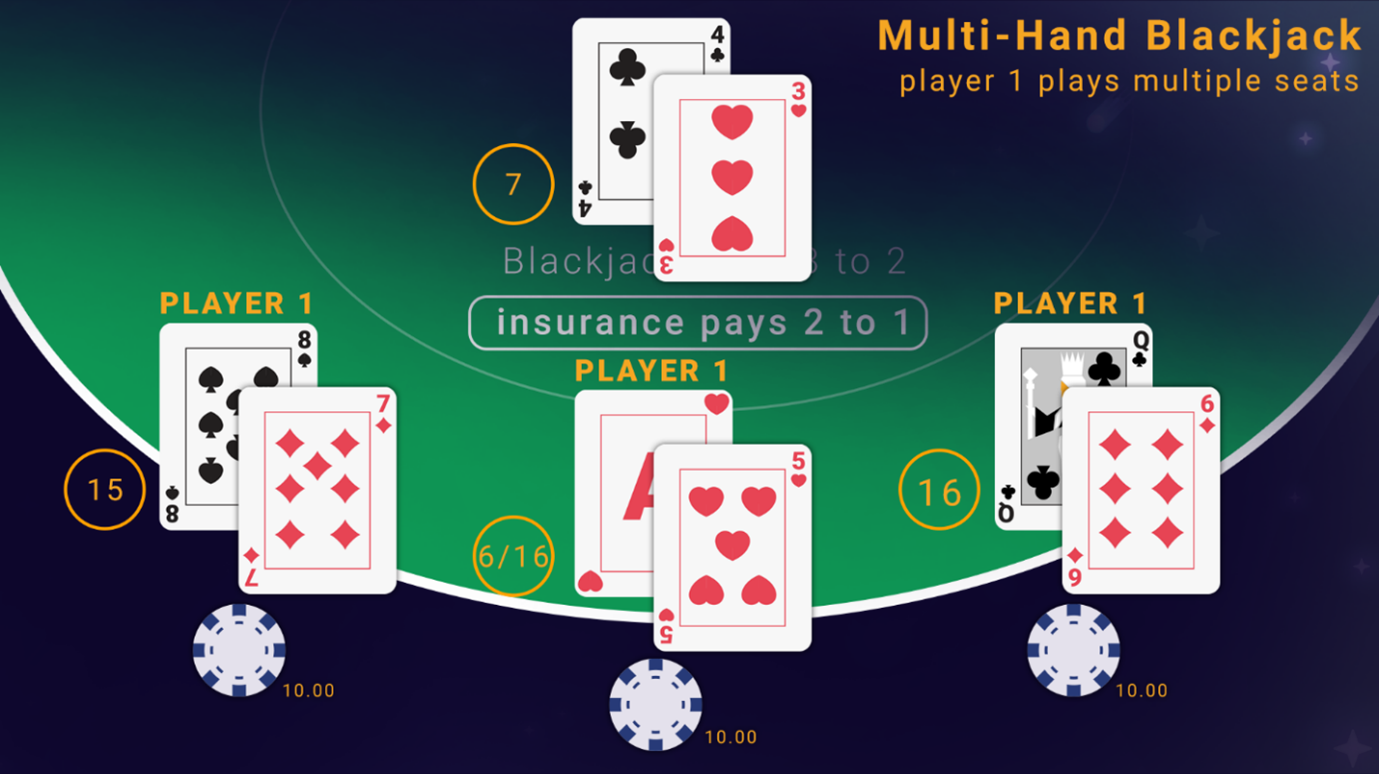
Establishing Financial Parameters for High-Volume Play
When you transition from single-hand games to a multi-hand strategy, your financial exposure multiplies instantly per round. Calculating your total exposure requires looking past your standard individual stake and multiplying it by the number of active boxes or positions you play simultaneously. If you traditionally wager a single twenty-dollar unit, playing three hands escalates your baseline investment to sixty dollars per deal. This mathematical shift drastically increases table volatility, meaning your bankroll experiences sharper peaks and deeper valleys in a fraction of the time.
To survive this rapid rate of play, you must adjust your standard unit sizing downward. Professional players often scale back their individual base bets by fifty percent or more when doubling or tripling their active hand count. Furthermore, maintaining dedicated reserves specifically partitioned for multi-hand sessions prevents a single bad run from draining your primary entertainment funds. This disciplined approach ensures that increased variance does not compromise your financial comfort or force premature exits.
Advanced Bet Scaling and Risk Allocation
Evaluating betting systems in a high-speed environment reveals distinct challenges, particularly when comparing flat betting to progressive wagering schemes. While flat betting protects your reserves by keeping risk consistent across every deal, progressive systems can quickly spiral your exposure out of control when multiple hands lose in succession. For those looking to refine their approach, reviewing established betting system tutorials: managing bankroll & odds can offer deeper structural insights into risk mitigation. Alternatively, tiered risk allocation allows you to diversify your wagers by betting lower amounts on exploratory positions while anchoring your primary hand with standard units.
Leveraging casino promotions and welcome bonuses serves as another practical method to cushion the blow of higher hand volumes. Promotional funds provide a financial buffer that absorbs the initial variance of simultaneous play. However, you must always read the promotional terms carefully to ensure that multi-hand play contributes fully toward wagering requirements without violating maximum bet caps.
Psychological Discipline and Exit Strategies
The accelerated pacing of multi-hand sessions frequently triggers cognitive fatigue, which opens the door to emotional decision-making and tilt. Recognizing early warning signs—such as chasing losses by impulsively doubling your active hand count—is essential for protecting your capital. Establishing rigid, non-negotiable stop-loss limits and realistic session win goals creates an objective boundary that keeps emotions in check.
Knowing when to pivot back to single-hand play is a hallmark of a seasoned player. If your bankroll dips below your pre-calculated multi-hand threshold, or if mental exhaustion begins causing basic strategy errors, scaling back to a single position instantly slows the game down. This reset allows you to regain your focus, protect your remaining reserves, and finish your gaming session with clear, disciplined oversight.
Mastering a multi-hand strategy requires a delicate balance of mathematical awareness, strict financial discipline, and keen self-awareness. By diving into simultaneous play, you significantly increase your table exposure, turning steady sessions into fast-paced high-variance environments. While spreading your bets across multiple hands does not alter the underlying math or erase the house edge, it fundamentally transforms your session’s rhythm and volatility.
Ultimately, long-term success comes down to respecting your financial boundaries and knowing your personal limits. By implementing robust bankroll management strategies, establishing firm stop-loss limits, and stepping back when cognitive fatigue sets in, you can enjoy the dynamic pace of multi-hand action without compromising your entire budget. Play smart, stay disciplined, and always let solid strategy dictate your next move.