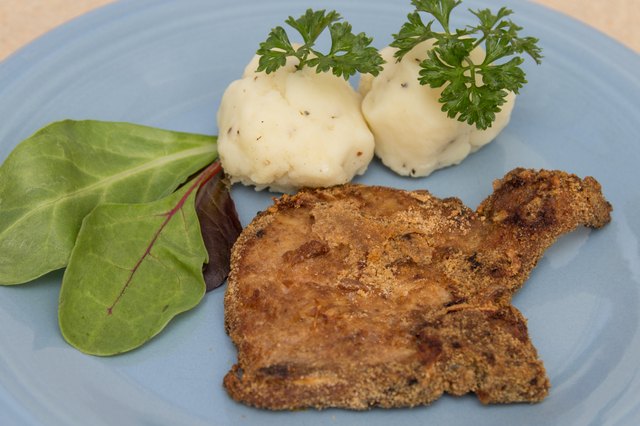
Some weeknight dinners ask you to chop twelve vegetables, toast three spices, and dirty every pan you own. These pork chops made with Lipton onion soup mix ask considerably less of you. Open a packet, season the meat, slide it into the oven, and try not to hover in front of the door while the kitchen begins smelling like a tiny French onion restaurant.
Lipton onion soup mix brings dried onions, savory seasonings, and concentrated flavor to an otherwise simple pork chop recipe. Combined with breadcrumbs and Dijon mustard, it creates a golden onion crust that tastes as though you spent much longer preparing dinner than you actually did. That is the kind of harmless kitchen deception everyone can support.
This recipe works with bone-in or boneless pork chops and can be adapted into a creamy casserole, a slow-cooker dinner, or a one-pan meal with potatoes. The main goal is simple: build plenty of flavor without cooking the pork until it resembles a roof shingle.
Why Lipton Onion Soup Mix Works So Well With Pork Chops
It provides several layers of seasoning at once
A packet of Lipton Recipe Secrets Onion Soup Mix is more than dehydrated onion. It functions as a concentrated seasoning blend, adding salty, sweet, roasted-onion, and umami-rich notes to meat, gravies, casseroles, potatoes, and rice dishes. Similar shortcut techniques appear in recipes from Lipton Kitchens, Allrecipes, Taste of Home, and other established American cooking publications.
Because the mix already contains substantial seasoning, additional salt is usually unnecessary. Black pepper, Dijon mustard, garlic, herbs, or a little smoked paprika can be added, but salt should wait until the finished dish has been tasted.
The onion pieces help create texture
When onion soup mix is combined with breadcrumbs, the dried onion pieces toast in the oven. They form crisp, deeply savory spots across the surface of the pork. Crushing the largest pieces before mixing helps the coating adhere more evenly and prevents loose onion flakes from falling onto the baking sheet and becoming tiny charcoal souvenirs.
Thicker chops provide more room for error
Pork chops that are approximately one inch thick are easier to brown without drying out than very thin chops. Bone-in cuts also tend to cook a little more slowly, giving the center time to reach the desired temperature while the exterior develops color. Boneless chops are convenient and cook quickly, but they should be monitored closely because they can move from juicy to overcooked in only a few minutes.
Easy Lipton Onion Soup Mix Pork Chops Recipe
Preparation time: 10 minutes
Cooking time: Approximately 18 to 25 minutes
Servings: 4
Ingredients
- 4 bone-in or boneless pork chops, approximately 1 inch thick
- 1 packet Lipton Recipe Secrets Onion Soup Mix
- 1/2 cup plain breadcrumbs or panko breadcrumbs
- 2 tablespoons Dijon mustard
- 1 tablespoon olive oil or melted butter
- 1/2 teaspoon freshly ground black pepper
- 1/2 teaspoon garlic powder, optional
- Chopped parsley or fresh thyme, for serving
Equipment
- Rimmed baking sheet or shallow baking dish
- Parchment paper or aluminum foil
- Small mixing bowl
- Pastry brush or spoon
- Digital instant-read thermometer
Step-by-Step Instructions
-
Preheat the oven.
Heat the oven to 425°F. Line a rimmed baking sheet with parchment paper or lightly greased foil. A metal baking sheet encourages better browning than a deep glass casserole dish. -
Prepare the pork chops.
Remove the chops from their packaging and pat them thoroughly dry with paper towels. A dry surface helps the mustard and breadcrumb coating stick instead of sliding off like a winter coat on a wet dog. -
Make the onion coating.
Empty the Lipton onion soup mix into a small bowl. Crush any especially large onion pieces with the back of a spoon. Add the breadcrumbs, black pepper, and optional garlic powder. Stir until evenly combined. -
Add the mustard layer.
Mix the Dijon mustard with the olive oil or melted butter. Brush a thin layer over both sides of each pork chop. Dijon adds tang and acts as an edible adhesive for the onion coating. -
Coat the chops.
Press the breadcrumb mixture firmly onto both sides of the pork chops. Arrange the chops on the prepared baking sheet, leaving space between them. Crowding traps steam and softens the crust. -
Bake until browned.
Bake for 15 minutes, then begin checking the internal temperature. Depending on thickness and whether the chops are bone-in or boneless, they will generally need approximately 18 to 25 minutes. -
Check the temperature.
Insert an instant-read thermometer into the thickest part of each chop without touching the bone. Fresh pork chops should reach at least 145°F and then rest for at least three minutes before serving, according to USDA food-safety guidance. -
Rest and serve.
Transfer the pork chops to a clean plate and let them rest for three to five minutes. Garnish with parsley or thyme and serve while the onion crust is hot and crisp.
How to Keep Onion Soup Mix Pork Chops Juicy
Use a thermometer instead of the clock alone
Cooking time is only an estimate. One pork chop may be slightly thicker than another, ovens vary, and bone-in meat often cooks differently from boneless meat. A digital thermometer tells you what is happening inside the chop instead of requiring you to repeatedly cut it open and release its juices.
Check each chop separately. If one reaches 145°F before the others, remove it and allow the remaining pieces to continue cooking. Dinner does not require all four chops to cross the finish line while holding hands.
Do not add extra salt automatically
Dry onion soup mix is already assertively seasoned. Additional salt can make the coating overwhelming, especially when the pork is served with salty gravy, cheese, or packaged side dishes. Use black pepper, garlic powder, thyme, rosemary, paprika, or mustard for additional flavor without immediately increasing the saltiness.
Allow the meat to rest
Resting gives the temperature time to stabilize and allows moisture inside the meat to redistribute. Cutting immediately can send the juices onto the plate instead of keeping them in the pork. Three minutes is the USDA minimum rest period for pork chops cooked to 145°F, although five minutes is convenient for thicker cuts.
Consider a short dry brinewith caution
Dry brining can improve seasoning and moisture retention in thick pork chops, but a full salt-based dry brine is usually unnecessary when using onion soup mix. The packet supplies plenty of sodium. For this recipe, simply pat the meat dry and apply the coating shortly before cooking. For pork recipes without a salty seasoning packet, dry-brining techniques recommended by experienced recipe developers can help produce a juicier chop.
Delicious Variations
Creamy onion pork chops
For a softer, gravy-style dinner, place the pork chops in a greased baking dish. Whisk together one can of reduced-sodium cream of mushroom soup, 3/4 cup milk or low-sodium broth, and half to one packet of onion soup mix. Pour the mixture around the chops and bake at 350°F until the meat reaches 145°F.
Using only half the packet is often enough when condensed soup is included. Serve the sauce over mashed potatoes, rice, or egg noodles. Creamy onion and mushroom combinations are common in classic American pork chop casseroles and slow-cooker recipes.
French onion pork chops with cheese
Prepare the pork chops as directed, but omit the breadcrumb coating. Mix the onion soup packet with one cup of low-sodium beef broth and pour it around the chops in a baking dish. During the last few minutes of cooking, top each chop with a slice of Swiss, Gruyère, or provolone cheese. Broil briefly until melted and lightly browned.
For an even deeper onion flavor, add one sliced yellow onion that has been slowly cooked in butter before the pork goes into the oven.
Onion soup pork chops with rice
Combine one cup of long-grain rice with approximately two cups of low-sodium broth in a covered baking dish. Stir in part of the soup mix, arrange browned pork chops on top, and bake until both the rice and meat are properly cooked. Rice recipes vary significantly, so use a ratio and cooking time appropriate for the particular variety on the package. Wild rice blends usually require more liquid and more time than white rice.
Slow-cooker Lipton onion pork chops
Brown thick pork chops briefly in a skillet, then place them in a slow cooker with one sliced onion, one packet of onion soup mix, and one cup of low-sodium broth. Cook on low for approximately four to five hours, checking the meat rather than assuming that longer is automatically better.
Pork loin chops are relatively lean and can become dry when left in a slow cooker all day. Shoulder chops are more forgiving because they contain additional connective tissue and fat. A creamy version can be made by adding condensed mushroom soup, but the broth and soup should be low in sodium whenever possible.
Sheet-pan pork chops and potatoes
Cut baby potatoes into small pieces and toss them with oil, black pepper, and part of the onion soup mix. Roast the potatoes at 425°F for about 20 minutes before adding the coated pork chops to the pan. Continue roasting until the potatoes are tender and the chops reach 145°F.
Starting the potatoes first is important. Adding raw potatoes and pork chops simultaneously often results in fully cooked meat sitting beside potatoes that are still negotiating with reality.
What to Serve With Lipton Onion Soup Mix Pork Chops
These pork chops have a bold, savory flavor, so uncomplicated sides work particularly well. Mashed potatoes absorb any onion-seasoned juices, while roasted green beans, broccoli, or asparagus bring freshness to the plate.
- Garlic mashed potatoes
- Buttered egg noodles
- Steamed white or brown rice
- Roasted carrots or Brussels sprouts
- Green beans with lemon
- Apple and cabbage slaw
- A simple mixed-green salad
- Roasted sweet potatoes
Apples are especially compatible with savory pork and onions. Try serving the chops with warm sautéed apples, unsweetened applesauce, or a crisp salad made with apples and cider vinaigrette. Lipton Kitchens also pairs onion-seasoned pork with apples, cider, preserves, and other sweet-tart ingredients in several published variations.
Common Mistakes to Avoid
Using very thin pork chops
Thin chops may finish cooking before the onion coating has time to brown. When thin chops are the only option, sear them quickly in a skillet or bake them at high heat while checking the temperature after only a few minutes.
Applying the coating to wet meat
Surface moisture prevents mustard and breadcrumbs from adhering properly. Pat the chops dry before coating and avoid letting them sit in pooled liquid.
Overcrowding the baking sheet
Leave space around every pork chop. When the pieces touch, escaping moisture becomes trapped and the breadcrumb mixture steams rather than toasts.
Adding a whole packet to every variation
One full packet works well for four plain pork chops with breadcrumbs. When condensed soup, cheese, broth, or another salty ingredient is added, reduce the amount of soup mix and taste the finished sauce before adjusting the seasoning.
Cooking until the pork is completely gray and firm
Color alone is not a reliable doneness test. Properly cooked pork may retain a slight blush in the center. Use a thermometer and remove the chops when they reach the safe target rather than extending the cooking time because the interior is not uniformly white.
Storing and Reheating Leftovers
Place leftover pork chops in a shallow, airtight container and refrigerate them promptly. USDA guidance recommends using refrigerated cooked pork within three to four days.
For the best texture, reheat the chops in a covered baking dish at 300°F with a spoonful of broth or water. Remove the cover during the last few minutes if the coating needs to become crisp again. A microwave is faster, but use short intervals at reduced power to avoid turning the meat rubbery.
Leftover pork can also be sliced and added to sandwiches, grain bowls, salads, quesadillas, or noodles. When the chops have a breadcrumb crust, reheating them in an oven or air fryer generally preserves the texture better than reheating them in a covered skillet.
Kitchen Experience Notes: What Home Cooks Commonly Notice
The first noticeable part of this recipe is not the taste. It is the smell. As the dried onion mixture heats, the kitchen quickly fills with the aroma of roasted onions, browned breadcrumbs, and savory pork. It creates the impression that onions have been caramelizing for an hour, even though nobody has stood over a skillet stirring them. That aroma is one reason onion soup mix recipes have remained popular in American family kitchens for generations.
Home cooks often begin with the simplest version: pork chops, one packet of soup mix, and perhaps a can of condensed soup. The result is comforting, but it can also be quite salty. After making the dish a few times, many cooks begin adjusting it. They use low-sodium broth, replace part of the condensed soup with milk, or reserve some of the seasoning packet for roasted potatoes. The lesson arrives quickly: the packet is powerful, and it does not need a large supporting cast.
Another common experience involves chop thickness. Thin boneless chops appear convenient because they cook quickly, but that speed can become a trap. By the time the cook checks the side dish, answers a text message, and returns to the stove, the pork may be several minutes past ideal. Thick bone-in chops provide a more forgiving window. They also make dinner feel more substantial, although they require careful thermometer placement so the probe does not touch the bone.
The breadcrumb version tends to be the favorite when texture matters. The upper surface becomes crisp, while the underside stays softer from the juices released by the meat. Placing the chops on a wire rack can make the bottom drier, but many people prefer the softer lower crust because it absorbs the onion-flavored drippings. There is no international pork chop tribunal waiting to issue a ruling, so either method is acceptable.
The mustard may concern people who do not usually enjoy mustard. In practice, Dijon is not there to dominate the recipe. Its acidity cuts through the richness, and its sticky texture keeps the crumbs attached. Once baked, it blends into the onion seasoning and becomes far less obvious. Mayonnaise can perform a similar job and creates a slightly richer coating, while beaten egg produces a more traditional breaded texture.
Families also tend to disagree about the ideal version. Some prefer a crisp chop that can be picked up by the bone. Others want it submerged in enough gravy to require mashed potatoes and possibly a small canoe. Fortunately, Lipton onion soup mix supports both personalities. The dry coating is better for crunch, while the broth-and-soup variations are built for comfort.
The best overall experience comes from treating the soup mix as a flavor base rather than a rigid formula. Add fresh onions when you have time. Stir in mushrooms when they need to be used. Include apples for sweetness, mustard for sharpness, or Swiss cheese for a French onion effect. The packet handles the background work, leaving the cook free to decide whether dinner should be crisp, creamy, cheesy, or somewhere delightfully in between.
Conclusion
Pork chops made with Lipton onion soup mix are popular for a good reason: they turn a small collection of ordinary ingredients into a deeply savory dinner with minimal preparation. The onion-and-breadcrumb version provides a crisp coating, while creamy, slow-cooker, rice, and French onion variations make the recipe easy to adapt.
Choose chops approximately one inch thick, avoid unnecessary added salt, and rely on a thermometer instead of cooking time alone. Remove the pork when it reaches 145°F, allow it to rest, and serve it with potatoes, rice, vegetables, or a fresh salad. You will have a practical weeknight dinner that tastes nostalgic without tasting boringand you may even finish cooking before the kitchen looks like a disaster documentary.
Research note: The cooking method and variations in this article were synthesized from established guidance and recipe concepts published by Lipton Kitchens, USDA Food Safety and Inspection Service, the National Pork Board, Food Network, Serious Eats, Allrecipes, Southern Living, Taste of Home, Betty Crocker, Better Homes & Gardens, Simply Recipes, and Epicurious.