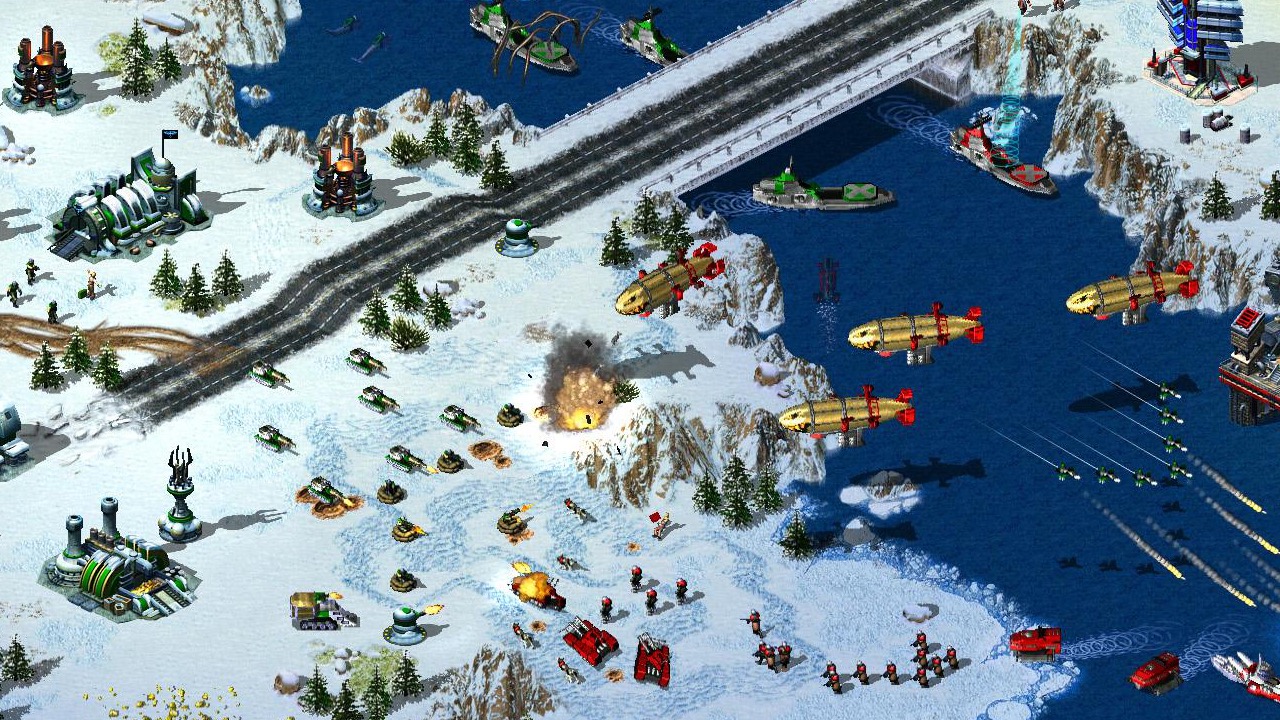
There is a unique kind of adrenaline that comes with commanding a sprawling digital empire while simultaneously managing a frantic, frontline firefight. For decades, the best RTS games have challenged our multitasking abilities, pushing us to balance long-term economic growth with split-second tactical reflexes. Unlike broader strategy games that might let you take a breather between turns, real-time strategy demands continuous decision-making under intense pressure.
Whether you are constructing a thriving city builder economy or executing precise flanking maneuvers reminiscent of classic tactics games, the genre offers unmatched depth. In this guide, we explore the top RTS releases and timeless classics defining the landscape, breaking down the mechanics, hardware setups, and masterclasses in command that will help you dominate the battlefield this year.
1. The Evolution of RTS Games: Core Mechanics and Genre Fundamentals
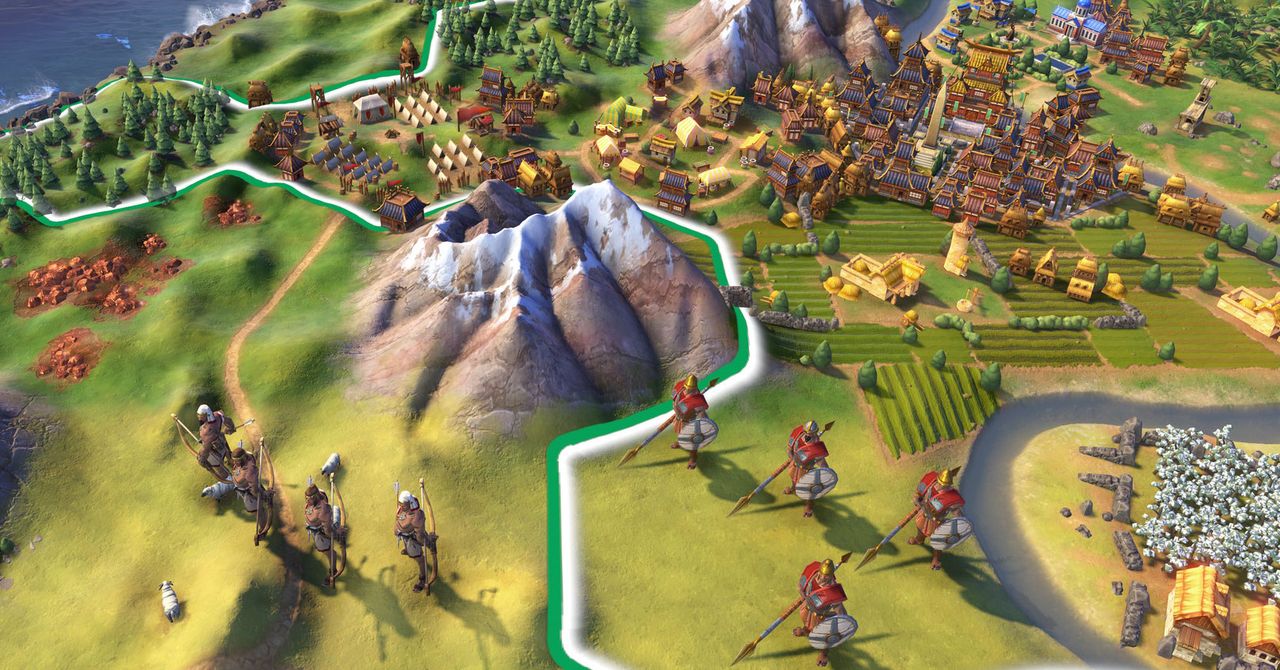
Real-time strategy (RTS) games have come a long way from their humble sprite-based origins, evolving into a demanding genre that tests both your cognitive bandwidth and mechanical speed. Unlike traditional strategy games or turn-based tactics games, the real-time nature of this genre means that time is your most precious resource, and every second of hesitation can cost you the match. Understanding how these virtual battlefields operate requires breaking down the core concepts that dictate modern competitive and casual play.
1.1 Understanding the Pillars of Real-Time Strategy
At the heart of every great RTS title lie fundamental design pillars that balance raw production with tactical execution. Whether you are managing a sprawling industrial complex reminiscent of a high-efficiency city builder or directing a desperate vanguard defense, success depends entirely on how well you handle the dual pressures of economy and combat.
1.1.1 Mastering Macro-Management and Economy Balancing
Macro-management forms the backbone of your empire. It encompasses gathering resources, expanding your base footprint, and consistently pumping out worker units and military assets without interruption. If your resource collection stalls for even five seconds, your entire build order falls behind, leaving you vulnerable to an aggressive opponent.
1.1.2 The Role of Micro-Management in Combat Proficiency
While macro wins wars through sheer economic superiority, micro-management decides individual skirmishes. This involves unit positioning, target firing, dodging area-of-effect spells, and utilizing terrain advantages. A smaller force with superior micro can easily dismantle a larger, poorly controlled army.
1.1.3 Faction Asymmetry and Strategic Variety
Modern game design often relies on faction asymmetry, giving different playable races entirely unique mechanics, unit rosters, and building paradigms. This variety keeps the meta fresh and forces players to master multiple playstyles rather than relying on a single universal strategy.
1.2 Assessing Your Playstyle and Skill Level
Diving headfirst into the genre can feel overwhelming, which makes properly assessing your current skill tier essential. Finding the right entry point prevents burnout and ensures a rewarding progression curve.
1.2.1 Identifying Beginner-Friendly Campaign Experiences
Single-player campaigns offer a structured, narrative-driven environment where you can learn unit counters and base-building mechanics at your own pace without the punishing speed of human opponents.
1.2.2 Transitioning to Cooperative and PvE Skirmish Modes
Before testing your mettle online, cooperative modes and custom skirmishes against artificial intelligence allow you to practice executing complex build orders in a lower-stress environment.
1.2.3 Requirements for High-Level Competitive Ladder Play
Reaching the upper echelons of competitive ladder play demands lightning-fast actions per minute (APM), flawless hotkey utilization, and the ability to adapt your strategy on the fly.
1.3 Essential Hardware for Strategy Enthusiasts
Your physical setup plays a surprisingly massive role in your performance. Executing complex maneuvers requires gear that translates your intent into on-screen actions instantly.
1.3.1 Choosing Responsive Mice for Precision Clicking
A reliable mouse with an adjustable DPI sensor and easily reachable side buttons allows you to rapidly snap your camera across the map and issue commands with pinpoint accuracy.
1.3.2 Configuring Mechanical Keyboards for Hotkey Optimization
Mechanical keyboards equipped with tactile switches enable you to set up customized control groups and hotkeys, drastically reducing the time it takes to produce units and manage your economy.
2. The Top RTS Games and Tactical Experiences of 2024
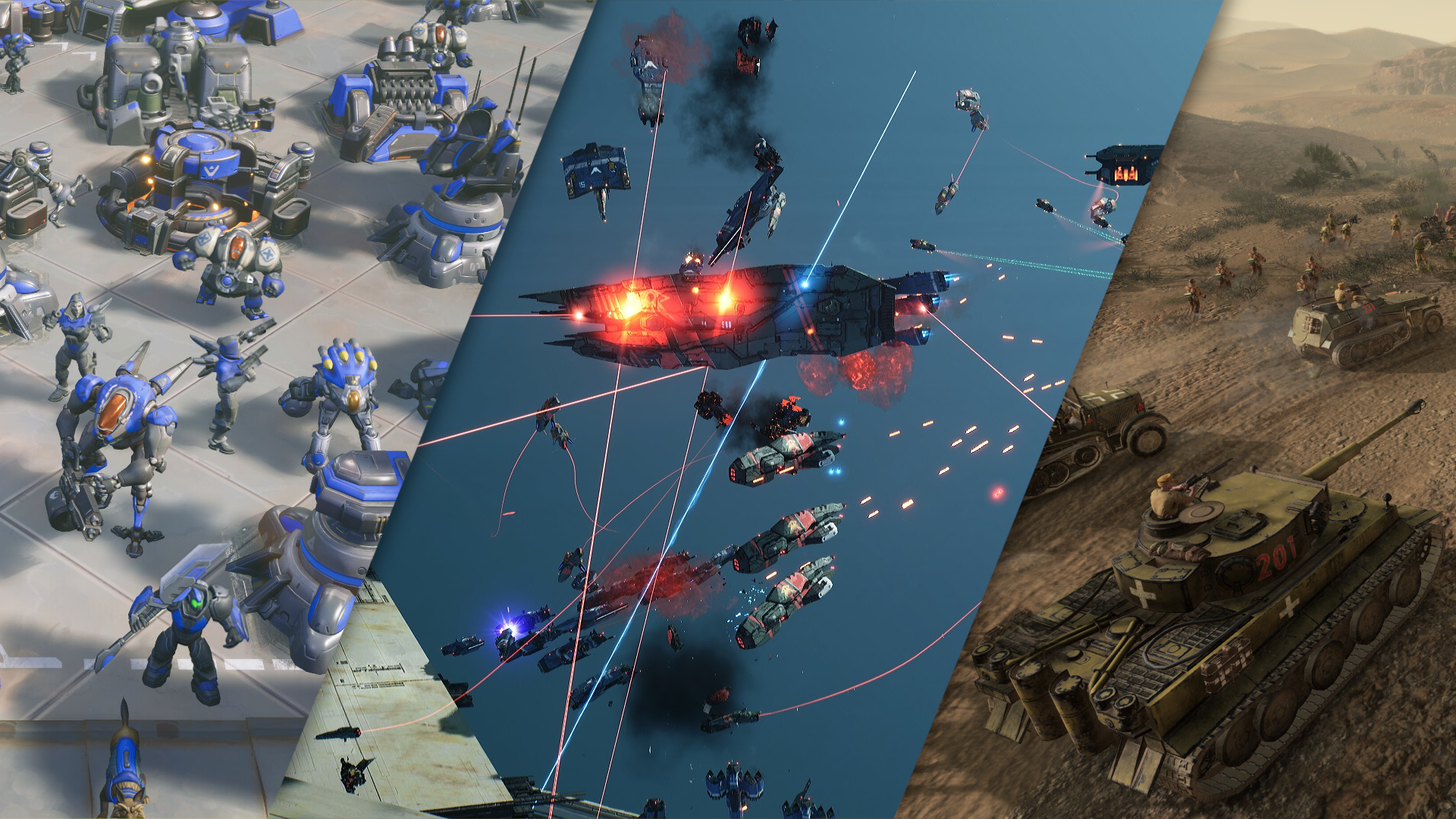
2.1 Traditional Gold Standards and Modernized Classics
2.1.1 Age of Mythology: Retold and the Remaster Renaissance
The landscape of real-time strategy gaming in 2024 heavily embraces the remaster renaissance, breathing new life into beloved childhood classics. Age of Mythology: Retold stands out as a prime example, modernizing classic mechanics with updated graphics, refined pathfinding, and quality-of-life adjustments that appeal to both veterans and newcomers. Instead of merely applying a fresh coat of paint, developers re-engineered the engine to handle massive army clashes smoothly, ensuring that summoning divine powers and myth units feels as epic as ever.
2.1.2 Maintaining Competitive Dominance in StarCraft II and Age of Empires II
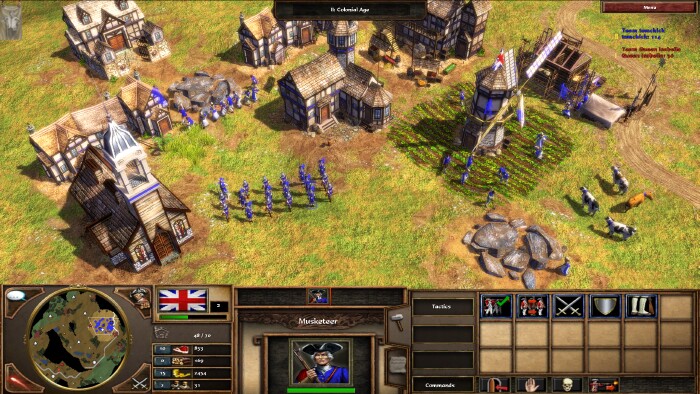
Despite years on the market, StarCraft II and Age of Empires II: Definitive Edition continue to anchor the competitive strategy scene. These foundational pillars maintain massive, dedicated player bases through consistent community-driven balancing patches, ranked ladders, and frequent esports tournaments. Their enduring popularity proves that deep mechanical skill ceilings and refined faction asymmetry never truly go out of style, serving as the ultimate benchmarks for modern developers aiming to capture the essence of competitive real-time strategy.
2.2 Innovative Strategy and Genre-Blending Releases
2.2.1 Shaping the Future with Stormgate and Tempest Rising
Innovation remains vital for the survival of the genre, with titles like Stormgate and Tempest Rising pushing traditional boundaries forward. Stormgate leverages the pedigree of veteran developers to deliver ultra-responsive controls and approachable cooperative modes, while Tempest Rising channels the gritty, industrial aesthetic of classic 1990s military warfare. These releases successfully blend nostalgic pacing with modern technology, creating engaging environments where players can test their macro-management and tactical decision-making.
2.2.2 Strategic Depth in Dune: Spice Wars and 4X Integration
For players seeking a slower burn, titles like Dune: Spice Wars successfully integrate elements of grand strategy and 4X mechanics into a real-time framework. Beyond traditional base building and direct combat, players must navigate political intrigue, espionage, and resource logistics. This cross-pollination of genres expands what broader strategy games can achieve, offering layered experiences that reward long-term planning just as much as rapid-fire combat execution.
2.3 Hardcore Wargames and Cinematic Space Combat
2.3.1 Realistic Tactical Warfare in WARNO and Armored Brigade 2
The hardcore wargaming corner of the genre caters to enthusiasts looking for authentic simulation rather than fast-paced base construction. Titles like WARNO and Armored Brigade 2 demand meticulous attention to realistic line-of-sight, supply chains, and ballistic physics. These complex tactics games require a completely different mindset, turning every skirmish into a deliberate, thought-out chess match where positioning and terrain advantage dictate survival.
2.3.2 Mastering Niche Naval Engagements in Sea Power
Naval warfare has historically challenged developers due to the complexities of open-ocean combat and long-range radar tracking. Sea Power addresses this niche head-on, offering a detailed simulation of Cold War-era naval doctrines and missile mechanics. It rewards patience and careful radar management, appealing directly to strategy purists who enjoy deep, highly specialized operational planning.
2.3.3 Navigating Three-Dimensional Battles in Homeworld 3
Space combat introduces a unique spatial dimension that few franchises execute as effectively as Homeworld. Homeworld 3 elevates cinematic fleet command by utilizing true three-dimensional movement, allowing players to utilize celestial obstacles, debris fields, and vertical flanking maneuvers. Managing resource harvesting while orchestrating sprawling orbital dogfights provides a breathtaking visual and mental challenge that firmly cements its place among the best strategic releases of the year.
The landscape of RTS games continues to thrive, balancing the nostalgia of modernized classics with the fresh innovations of modern strategy releases. Whether you prefer the intense economy management of timeless gold standards, the macro-heavy demands of competitive ladders, or the specialized combat of deep tactical wargames, the genre offers unmatched mental stimulation. Building mastery over these systems takes patience, precise hardware configuration, and a deep appreciation for faction asymmetry.
As you dive into your next campaign or queue up for a multiplayer skirmish, remember that improvement comes from analyzing your defeats and refining your hotkeys. If you want to expand your gaming horizons beyond the battlefield, consider exploring other genres, such as diving into the best casual games for a relaxing change of pace. No matter which title you choose to master next, the future of real-time strategy is bright, demanding both quick reflexes and sharp tactical foresight.