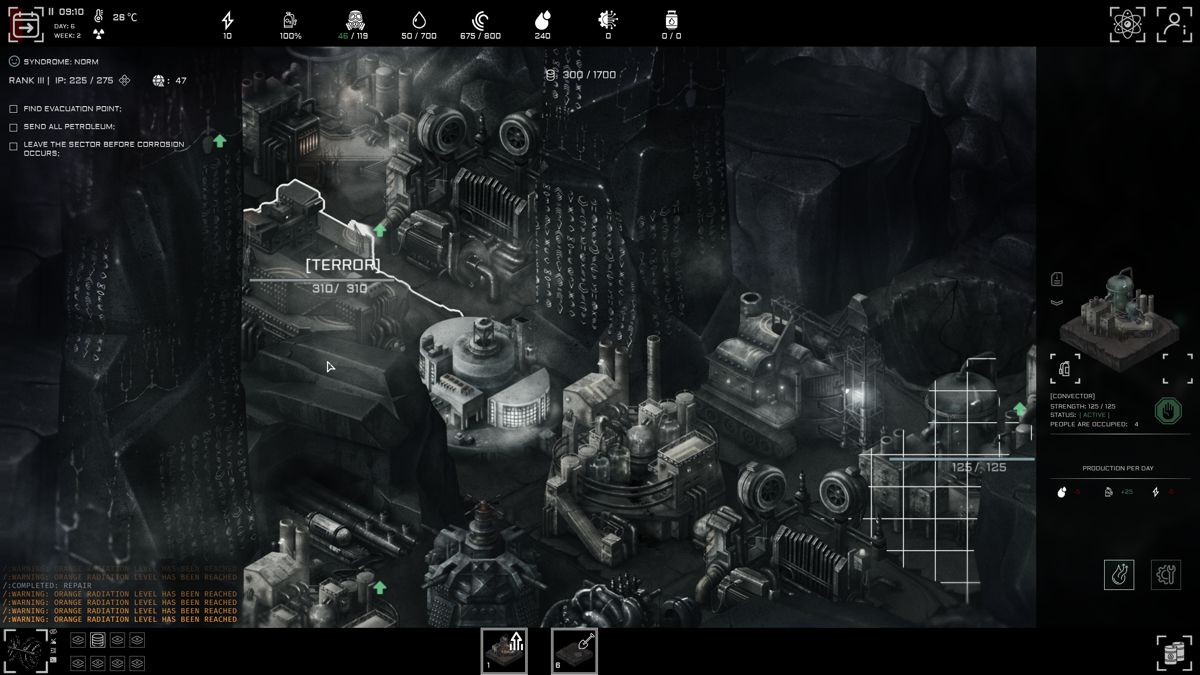
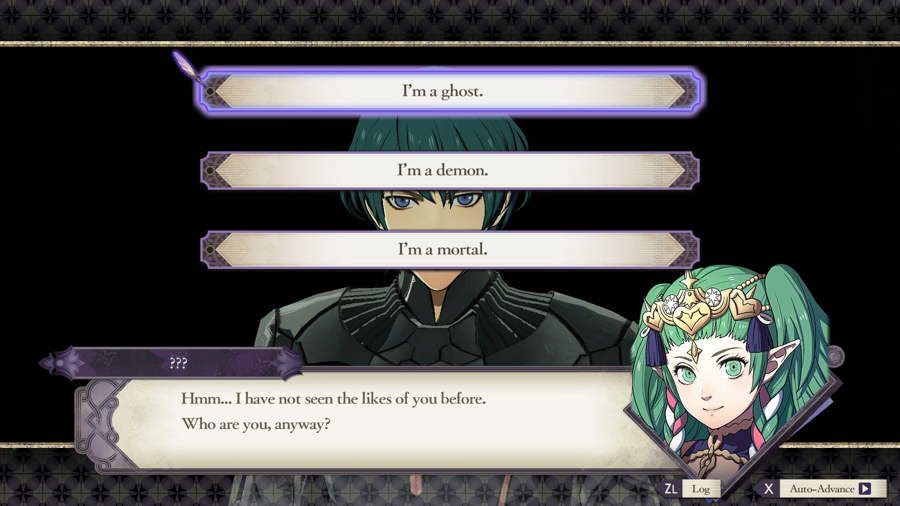





Prepare yourself for a journey full of surprises and meaning, as novel and unique discoveries await you ahead.

Best Indie Games: A Guide to Hidden Gems & New Releases

The landscape of gaming has undergone a massive transformation, shifting away from a market dominated solely by massive franchises toward a vibrant, creative renaissance. Today, indie games serve as the primary engine for innovation, offering experiences that prioritize bold artistic vision and unconventional gameplay loops over the traditional, safe bets of AAA studios. Whether you are searching for a high-octane rogue-like that tests your limits or a quiet, atmosphere-driven title that encourages deep reflection, the independent sector has something unique for every type of player.

In this guide, we will explore why these smaller projects have captured the attention of the global gaming community, how to navigate the best digital storefronts to find your next obsession, and why supporting developers directly is essential to the future of the industry. From discovering hidden gems via community feedback to mastering the latest fighting games and experimental indie titles, you will gain the insights needed to navigate the ever-evolving world of independent development.

1. The Evolution and Appeal of Indie Games in Modern Gaming

1.1 Understanding the Indie Development Philosophy

1.1.1 Defining the independent studio landscape

The independent studio landscape is defined by its autonomy. Unlike massive AAA publishers, indie teams often consist of a few developers—or even a single solo creator—retaining full creative control over their projects. This structure removes the bureaucratic layers found in larger companies, allowing for a more intimate relationship between the developer’s vision and the final product. By sidestepping the pressure to chase broad market trends, these studios focus on personal expression and unique mechanics.

1.1.2 Why innovation thrives outside the AAA ecosystem

Innovation flourishes in the indie space precisely because the risks are different. When a studio doesn’t have a nine-figure budget to recoup, it can afford to experiment with bizarre concepts, unorthodox control schemes, or non-traditional art styles. We are seeing major game development trends shift toward these smaller titles, as players grow tired of formulaic sequels and microtransaction-heavy experiences. By prioritizing creativity over mass-market appeal, independent developers often define the next big shift in gaming genres, proving that a smaller scope doesn’t mean a smaller impact.

1.2 Key Motivations for Choosing Independent Titles

1.2.1 Prioritizing unique art styles over photorealism

Many players are turning to indie games to escape the industry’s obsession with graphical fidelity. Instead of chasing photorealism, independent artists lean into hand-drawn aesthetics, low-poly minimalism, or stylized pixel art. These choices often result in a timeless visual identity that helps the game stand out in a crowded market. Whether you are looking for immersive experiences or simple, clean visuals, you might enjoy exploring our guide to best action games to see how varied aesthetics define modern design.

1.2.2 Experiencing unconventional narrative storytelling

Beyond visuals, indie games are often the primary home for experimental storytelling. Without the constraints of safe, focus-tested narratives, developers explore complex themes like mental health, grief, or social isolation. These games often favor environmental storytelling or player-driven agency, ensuring that the emotional weight lands harder than it would in a scripted cinematic blockbuster.

1.3 Curated Categories for Every Player Profile

1.3.1 Atmosphere-driven and experimental worlds

Some titles focus entirely on setting a mood. These games are less about winning and more about existing within a space, using ambient sound design and careful lighting to build a world that lingers long after you turn off the console.

1.3.2 Mechanics-first gameplay and genre reinvention

These games take a single, satisfying hook—such as a time-looping combat system or a unique platforming movement—and build an entire world around it. They are designed for players who love mastering systems.

1.3.3 Emotionally resonant narrative journeys

These are the games that make you pause and think. Often shorter in length, they prioritize writing and character development, turning the medium of gaming into a powerful tool for empathy.

1.3.4 Cozy and low-stakes relaxation titles

For many, the appeal of indie gaming is the “cozy” genre. These games replace stress with cultivation, organization, and gentle progress, offering a perfect digital sanctuary after a long day.

1.3.5 High-difficulty rogue-likes and precision games

Finally, the indie scene is the undisputed champion of challenging gameplay. Rogue-likes and precision platformers reward persistence and pattern recognition, turning every failed run into a lesson and every victory into a genuine rush of adrenaline.

2. Mastering the Indie Ecosystem: Discovery and Long-term Support

2.1 Practical Strategies for Finding Hidden Indie Games

Finding standout indie titles requires looking beyond the top-selling charts. Steam remains the industry giant for indie game platforms, but its sheer volume can be overwhelming. To cut through the noise, leverage the “Discovery Queue” on your Steam home page. By consistently marking titles you dislike as “Ignore” and adding promising ones to your wishlist, the platform’s algorithm refines its recommendations to match your specific taste profile. This turns the store from a massive directory into a curated storefront tailored to your playstyle.

Beyond built-in algorithms, participating in seasonal events is vital. Steam Next Fest is perhaps the most effective way to engage with the developer community, offering hundreds of playable demos for upcoming projects. Playing these demos allows you to gauge the “feel” of a game before release, providing invaluable feedback to developers while helping you find hidden gems before they hit the mainstream.

For those looking to move away from commercial storefronts, Itch.io is the premier destination for grassroots game development. Itch.io hosts experimental projects, game jams, and niche titles that often lack the budget for a major marketing push. It is an ideal space for discovering raw, unconventional creativity that defies traditional game development trends.

2.2 Maximizing the Value of Indie Gaming Platforms

While Steam is the primary hub, diversifying where you shop can maximize your reach. GOG is excellent for those prioritizing DRM-free titles and preservation, while the Epic Games Store frequently offers high-profile indies for free, making it a low-risk way to try new genres. Subscription services like Game Pass or Humble Choice act as “discovery engines,” allowing you to sample titles you might otherwise overlook.

Accessibility is another massive strength of the independent scene. Many indie games are optimized to run on modest hardware, making them perfect for players on older laptops or handheld devices. The shift toward cross-platform support means you can often carry your save data from PC to mobile or console, ensuring your gaming sessions fit seamlessly into your daily life.

2.3 The Future of the Independent Scene

The indie sector is currently seeing a fascinating blend of 2D art styles with 3D environmental design, pushing the boundaries of visual identity. Furthermore, the gaming community impact is stronger than ever; crowdfunding and Early Access models mean players are now active participants in a game’s lifecycle rather than just end-users. This dynamic requires players to be mindful of ethical considerations, such as researching a studio’s history before backing a project.

Ultimately, your support creates the future of the medium. Simply wishlisting a game on Steam or purchasing a title directly from a developer’s website—rather than through a middleman—provides the financial security studios need to take risks. By prioritizing these direct actions, you help ensure that the independent landscape remains a thriving space for innovation, creative storytelling, and genre-defying gameplay.

The beauty of the indie games landscape lies in its unpredictability and the raw, unfiltered creativity that fuels every release. Whether you are looking for a relaxing experience to wind down after a long day or a high-stakes challenge that pushes your skills to the limit, the world of independent development offers something truly unique. By prioritizing innovation over mass-market trends, these developers have transformed how we perceive interactive storytelling and game mechanics.

As you explore new titles, remember that your engagement—through wishlisting, sharing feedback, or simply choosing to support a smaller studio—is what keeps this ecosystem thriving. The next big masterpiece is often just a demo away on your favorite platform. If you find yourself needing a break from the screen, consider balancing your digital hobby with real-world activities like learning how to fold a simple origami flower to keep your creative muscles sharp. Dive into these hidden gems, support the visionaries behind them, and continue to enjoy the boundless possibilities of modern gaming.

Leave a Reply

Your email address will not be published. Required fields are marked *