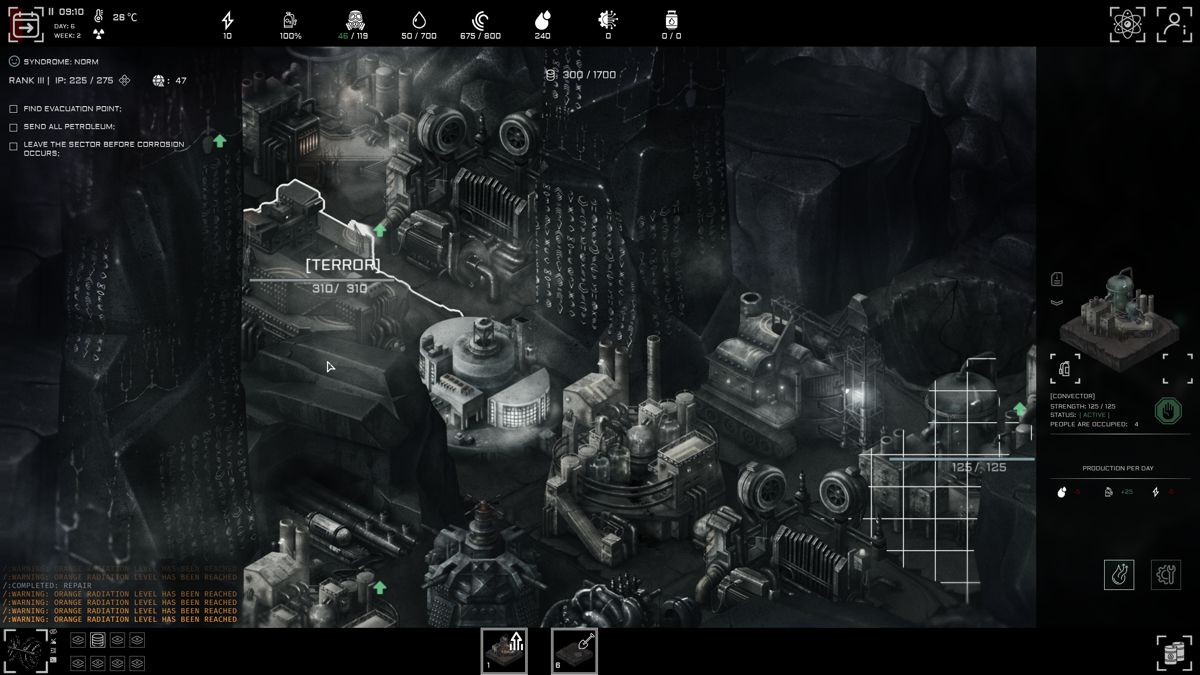






Prepare yourself for a journey full of surprises and meaning, as novel and unique discoveries await you ahead.

Game Updates: How They Shape Gaming Trends and News

In the fast-paced world of digital entertainment, the arrival of game updates has transformed how we experience our favorite titles. Gone are the days when a game was considered a finished product the moment it hit store shelves. Today, developers use constant patches and seasonal expansions to keep virtual worlds feeling fresh, reactive, and endlessly engaging. These frequent modifications do more than just squash bugs; they dictate the rhythm of the industry, influence competitive play, and keep player communities invested for years after the initial launch.

In this article, we will explore the evolving mechanics behind these digital refreshes and how they directly shape current gaming trends. Whether you are a casual player curious about why your favorite title feels different after a patch or a competitive gamer keeping an eye on the latest gaming news, understanding the lifecycle of these updates is essential. We will dive into the economics of live-service models, the delicate art of balancing gameplay, and how to effectively navigate the roadmap of modern digital releases.

1. Understanding the Modern Ecosystem of Game Updates and Their Industry Impact

1.1 The Transition from Static Software to Living Services

1.1.1 Historical context of physical media versus digital distribution

In the era of physical cartridges and optical discs, game development was a sprint toward a final, immutable master copy. Once a game went gold, it was considered a finished product, complete with any inherent bugs or design quirks. Digital distribution revolutionized this dynamic, turning the traditional release into a flexible, evolving foundation. Today, the initial download is often just the beginning of a game’s lifecycle.

1.1.2 The rise of the Games as a Service model

The shift toward Games as a Service (GaaS) has fundamentally redefined how we consume interactive entertainment. Developers no longer view a title as a one-time purchase but as a persistent platform for ongoing engagement. By prioritizing long-term support, studios can keep their communities active for years rather than weeks, turning game updates into the primary mechanism for sustained relevance in a crowded market.

1.2 The Economic and Psychological Mechanics of Game Updates

1.2.1 How developers utilize content cadence to drive recurring revenue

Regular content drops serve as a pulse for the industry, directly influencing current gaming trends. Developers leverage a steady cadence of updates—such as new maps, character skins, or narrative expansions—to keep players invested. This model often ties directly into monetization strategies like battle passes or cosmetic storefronts, ensuring that the title remains profitable well beyond its initial launch window.

1.2.2 Behavioral psychology behind seasonal content and FOMO

Seasonal events tap into the psychological principle of Fear of Missing Out (FOMO). By limiting the availability of specific rewards or narrative milestones to a set timeframe, studios encourage consistent play. Players feel compelled to engage with regular updates to remain part of the collective conversation, a phenomenon that has become a pillar of modern gaming news and community interaction.

1.3 Shaping Competitive Meta and Player Retention

1.3.1 Data-driven balancing and its influence on professional eSports

Developers use telemetry data to monitor how specific mechanics perform in the wild. When a particular character or weapon becomes too dominant, a balance patch can shift the entire competitive landscape overnight. For those interested in mastering complex mechanics, understanding these technical shifts is essential for long-term skill development, much like how players study guides to improve their performance in best android games.

1.3.2 Using patch notes as a tool for community communication and transparency

Patch notes are the bridge between developers and players. By providing detailed explanations for design changes, studios foster transparency and help mitigate frustration during meta-shifts. These documents serve as a vital resource for players, signaling that the development team is actively listening to feedback and committed to refining the experience.

2. Navigating the Challenges and Future Trends of Game Updates

2.1 Technical Obstacles and Quality Control

2.1.1 Balancing rapid deployment schedules with software stability

In the world of modern software, developers face the constant tension between releasing fresh content and maintaining a bug-free experience. Rapid deployment schedules are essential for keeping players engaged, but they often leave little room for extensive quality assurance. When studios prioritize speed, they risk introducing game-breaking glitches or performance regressions that can alienate their core audience. Successful developers mitigate these risks by employing tiered testing environments, such as Public Test Realms, which allow community members to stress-test patches before they hit the live servers.

2.1.2 Managing the massive scale of day-one updates and bandwidth constraints

The rise of digital distribution has turned day-one updates into a significant hurdle for players with limited internet connectivity. As games become more complex, the data required to fix launch-day oversights can reach dozens of gigabytes, effectively doubling the initial download burden. This logistical challenge forces developers to optimize their compression algorithms and implement smarter, modular patching systems that only update the specific files modified, rather than forcing a full re-download of core assets.

2.1.3 The preservation crisis of replacing original game versions

A growing concern for the gaming community is the permanent alteration or removal of original software states due to forced updates. Unlike physical media, which offers a static snapshot of a game at launch, live-service titles often overwrite their history. This creates a preservation crisis, as it becomes nearly impossible to access early versions of a game as it existed during its inception. While patches ensure functionality, they can inadvertently erase the cultural and historical context of a title’s development lifecycle.

2.2 The Evolving Role of Community and Technology

2.2.1 How User-Generated Content is shifting the burden of expansion

Smart developers are increasingly leaning into their fanbases to handle the heavy lifting of content creation. By providing robust modding tools and sandbox editors, studios allow their communities to produce levels, skins, and game modes that keep titles feeling fresh long after official support might have dwindled. For those interested in deeper levels of customization, learning how to install game mods can significantly extend the lifespan and variety of your favorite titles.

2.2.2 The implementation of Artificial Intelligence in real-time procedural evolution

The future of game updates lies in dynamic, AI-driven environments. Instead of manually pushing static patches, studios are experimenting with machine learning to adjust game difficulty, loot drop rates, and world state events in real time. This allows for a more personalized experience where the software evolves based on individual player habits rather than generic, top-down changes. This shift promises to bridge the gap between fixed, scripted content and truly infinite, reactive gameplay.

2.3 Consumer Strategies for Modern Gaming

2.3.1 Tips for staying informed through official developer roadmaps

To avoid frustration with shifting gaming trends, savvy players should prioritize official developer roadmaps. These visual schedules provide a transparent look at what features, bug fixes, and seasonal content are on the horizon. By following developer social media channels or dedicated community hubs, you can better anticipate how upcoming game updates will impact your preferred playstyle, allowing you to plan your time accordingly rather than being surprised by sudden meta shifts.

2.3.2 Assessing the value of live-service titles for casual versus competitive players

Not every update is built for every player. Competitive gamers often need to keep up with every patch note to maintain their edge, while casual players might find the constant stream of updates overwhelming or unnecessary. When assessing the value of a live-service game, consider whether the recurring content adds meaningful depth or simply creates a grind for the sake of retention. If the updates no longer align with your personal definition of fun, it is often better to step away than to feel pressured to keep pace with an artificial schedule.

Ultimately, the era of static software is behind us, and game updates have become the heartbeat of the modern gaming experience. By shifting the industry toward a living service model, these frequent patches do more than just fix bugs; they redefine how we interact with our favorite digital worlds, influence competitive meta, and dictate the long-term health of the titles we invest in. Whether you are a casual player enjoying seasonal content or a professional tracking every balance change, staying informed about these updates is essential to navigating today’s gaming landscape.

As developers continue to experiment with new technologies and distribution strategies, the relationship between creators and players will only grow more interconnected. We encourage you to approach these updates with a critical eye, keeping an eye on official roadmaps to ensure your time is spent on titles that align with your personal playstyle. If you are looking to refine your own skills or find your next favorite, check out our guide on the best action games for a look at how consistent updates can keep even the most challenging titles feeling fresh and rewarding for years to come. Ultimately, the best way to enjoy gaming is to stay curious, remain adaptable, and engage with the communities that keep these digital worlds thriving.

Leave a Reply

Your email address will not be published. Required fields are marked *