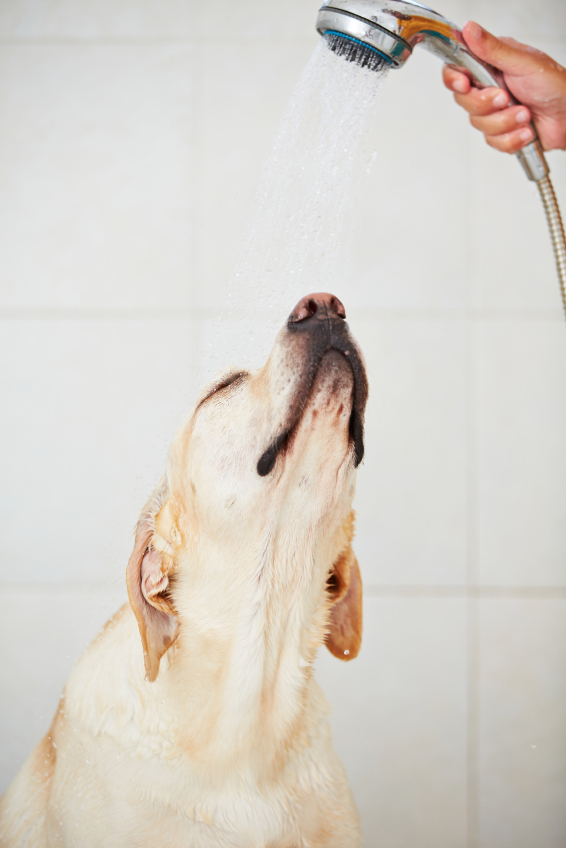
Bathing a pet sounds easy until the dog becomes a sprinkler, the cat discovers eight extra elbows, or the bird looks offended by your entire bathroom. Fortunately, a safe pet bath depends less on wrestling talent than on preparation, patience, and species-appropriate care.
This guide explains how to bathe your pet safely, choose suitable products, reduce stress, and recognize situations that require veterinary help. Remember that “pet” is a broad category: a Labrador, rabbit, parrot, and bearded dragon should never share the same bathing routine.
Does Your Pet Actually Need a Bath?
Bathing should meet a health or hygiene need rather than a human desire for a flower-scented house. Mud, unpleasant substances, odor, excess oil, allergens, and veterinarian-prescribed skin treatment are common reasons for washing. Species, coat type, activity, age, and health determine how often it is appropriate.
Dogs
Many dogs benefit from periodic baths, but there is no universal schedule. Active dogs and those with long or dense coats may need more frequent care than short-haired indoor dogs. Overbathing can dry the skin, while insufficient grooming may allow dirt, loose hair, and odor to build up.
Cats
Healthy adult cats usually clean themselves and rarely need full baths. Washing may be necessary when a cat has something unsafe on its coat, cannot groom because of illness or age, is severely soiled, or needs medicated shampoo. Spot cleaning and brushing are often less stressful alternatives.
Rabbits, Birds, and Reptiles
Do not automatically place every animal in water. Rabbits should generally not receive full-body baths because soaking can cause severe stress and chilling. Chinchillas use commercial dust baths. Many birds prefer a shallow dish or gentle mist of plain water. Reptiles require species-specific soaking, misting, humidity, water depth, and temperature. Consult an exotic-animal veterinarian when uncertain.
Pet Bath Supplies to Prepare
Once your pet is wet, leaving to find a towel is an efficient way to create a dripping fugitive. Gather everything first:
- Species-appropriate shampoo
- Several absorbent towels
- A nonslip rubber mat
- A cup or gentle handheld sprayer
- A suitable brush or comb
- A soft washcloth for the face
- Treats or another safe reward
- A warm, draft-free drying area
Avoid human shampoo, perfume, essential oils, and strongly fragranced cleaners. Dish detergent is too harsh for routine bathing. Use medicated shampoo only as directed by a veterinarian because dilution, contact time, and rinsing instructions matter.
Prepare the Pet and Bathing Area
Brush Before Bathing
Brush dogs and long-haired cats before adding water. Moisture tightens mats and tangles, turning a manageable knot into a felt patch attached to the skin. Serious matting should be handled by a groomer or veterinarian rather than cut close to the body at home.
Prevent Slipping
Choose a sink, tub, shower, or pet-washing station that fits the animal. Place a nonslip mat beneath the feet. Slipping increases fear and may injure senior pets or animals with joint disease. Close doors before bathing a cat and keep towels within reach.
Use Lukewarm Water
Test the water on the inside of your wrist. It should feel comfortably lukewarm, never hot. Keep the room warm, especially for puppies, kittens, seniors, small mammals, and thin-coated pets.
How to Bathe a Dog Step by Step
- Introduce the area calmly. Let the dog inspect the dry tub and reward relaxed behavior.
- Secure the footing. Use a nonslip mat and gentle restraint. Never leave a pet unattended near water.
- Wet the coat gradually. Start at the shoulders or back. Keep strong spray away from the eyes, nose, and ear canals.
- Apply dog-safe shampoo. Follow dilution directions and massage gently through the coat to the skin.
- Clean missed areas. Wash the chest, belly, legs, paws, tail area, and beneath the collar.
- Clean the face separately. Use a damp washcloth instead of pouring water over the head.
- Rinse completely. Continue until the water runs clear and the coat no longer feels slippery.
- Dry safely. Towel-blot first. Use a dryer only on a cool or low-warm setting at a safe distance.
- Reward the finish. Offer praise or a treat, then prepare for the traditional post-bath zoomies.
How to Bathe a Cat Safely
First decide whether a damp cloth can solve the problem. When a full bath is necessary, prepare a quiet room and a shallow basin with a folded towel or rubber mat on the bottom.
- Brush the coat and place all supplies within reach.
- Support the cat’s body without squeezing, scruffing, or forcing it onto its back.
- Wet the coat from the neck down with a cup or very gentle sprayer.
- Massage in cat-specific shampoo while avoiding the face and ears.
- Rinse repeatedly until no product remains.
- Clean the face with a damp cloth only.
- Wrap the cat in a warm towel and blot rather than rub.
Stop if the cat panics, struggles to breathe, becomes dangerously aggressive, or shows extreme distress. A professional groomer or veterinary team may be safer for heavily matted, disabled, elderly, or highly fearful cats.
Bathing Other Types of Pets
Rabbits and Chinchillas
For a rabbit with localized dirt, seek guidance on controlled spot cleaning. Keep the animal supported and dry the fur completely. Repeated urine or fecal staining may indicate arthritis, obesity, dental disease, diarrhea, or urinary trouble. Chinchillas need properly formulated dust baths rather than water, which can remain trapped in their exceptionally dense fur.
Birds
Offer a shallow, stable dish or mist clean water gently above the bird so droplets fall like rain. Do not use soap, fragrance, or forceful spray. A bird leaning into the mist and preening is participating; a bird retreating or freezing is asking you to stop. Let feathers dry naturally in a warm, draft-free room.
Reptiles
Use a dedicated plastic basin, not a kitchen sink or family bathtub. Water must be shallow enough to prevent drowning and within the safe temperature range for the species. Supervise continuously, wash your hands afterward, and disinfect equipment because reptiles can carry Salmonella while appearing healthy.
Common Pet Bathing Mistakes
Using the Wrong Product
Human shampoo, perfume, household cleaners, and concentrated essential oils may irritate or poison pets. “Natural” does not automatically mean safe.
Soaking the Face or Ears
Never aim a sprayer at the face. Use a damp cloth around the eyes and muzzle. Clean ears only with a veterinarian-approved method and never push cotton into the ear canal.
Rushing the Rinse
Shampoo can remain near the skin even when the coat looks clean. Rinse longer than expected, especially with thick, curly, or double coats. Residue may cause itching, redness, flakes, or stickiness.
Using High Heat
Hot dryers can burn skin and frighten animals. Towel-dry first, keep any dryer moving, and regularly check the air temperature with your hand.
When to Contact a Veterinarian
Seek veterinary advice for persistent odor, hair loss, sores, swelling, scabs, excessive dandruff, oily skin, repeated scratching, ear discharge, parasites, or pain during handling. Ask before bathing a very young, sick, injured, chilled, pregnant, or medically fragile animal.
If your pet contacts paint, motor oil, pesticides, concentrated essential oils, or another potentially toxic substance, prevent licking and contact a veterinarian or animal poison-control service immediately. Do not improvise with random cleaners.
Make Future Baths Less Stressful
Train in tiny steps. Let the pet enter a dry tub, receive a reward, and leave. Later, introduce the sound of water at a distance. Practice standing on the mat and having paws handled. Reward calm behavior throughout the process with food, praise, a toy, or access to a favorite resting place. Several one-minute sessions usually work better than one dramatic aquatic betrayal.
Practical Bath-Time Experiences and Lessons
Real-world bathing rarely unfolds like a tidy instructional video. One common experience involves the dog that behaves perfectly until the rinse begins. The lesson is often not “hold tighter,” but “reduce the noise.” Filling a pitcher in advance can be less frightening than using a loud handheld sprayer. Letting water flow over the back of your hand before it touches the coat can also soften the sensation. Small changes in sound and pressure may turn a panicked dog into a merely suspicious one, which counts as progress.
Another familiar situation is the long-haired dog that looks clean after the bath but develops tangles while drying. Owners often discover that brushing before the bath, working shampoo in the direction of hair growth, and blotting instead of rubbing make a dramatic difference. Rubbing a wet coat with a towel feels efficient, but on silky or curly hair it can manufacture knots faster than a toddler with a ball of yarn.
Cat bathing teaches a different lesson: preparation determines whether the event lasts five minutes or becomes family folklore. People who place towels, shampoo, and rinse water within reach usually have better control than those who begin optimistically and then realize the clean towel is across the hall. A shallow basin, quiet room, and firm but gentle body support are more effective than filling a tub. Cats tend to tolerate a controlled procedure better when their feet remain supported and their faces stay dry.
Owners of senior pets frequently learn to redefine success. A complete bath may be exhausting for an arthritic dog or an elderly cat. Instead, a warm washcloth, fragrance-free veterinary wipe, careful rear-end cleaning, or short partial bath may meet the animal’s needs with less discomfort. Nonslip flooring becomes especially important because an older pet may fear the tub primarily because standing there hurts.
Small-mammal care offers perhaps the most important lesson: never copy a routine from another species. A new rabbit owner may reasonably assume that visible dirt calls for a bath, yet soaking can create dangerous stress and chilling. Chinchilla owners quickly learn that enthusiastic dust-rolling is not a bizarre hobby; it is coat care. Bird owners often succeed by offering options rather than forcing contact. A shallow dish today, a light mist next week, and patient observation reveal what the bird prefers.
Reptile keepers commonly discover that hygiene involves both the animal and the human environment. A dedicated soaking container prevents cross-contamination with food and family bathing areas. Handwashing after handling the reptile, water, or equipment is part of the bathing routine, not an optional epilogue. The animal may look spotless while still carrying microorganisms that can make people sick.
Across species, the best experience-based advice is to stop chasing “perfectly clean.” The goal is a comfortable animal with healthy skin, coat, feathers, or scales. A slightly muddy dog that trusts you is easier to care for tomorrow than a sparkling dog that hides whenever the bathroom door opens. Watch body language, adjust the setup, and end calmly. Pet bathing improves when it becomes predictable, brief, and respectful rather than a surprise aquatic ambush.
Conclusion
Learning how to bathe your pet begins with understanding the animal in front of you. Dogs may need periodic washing, cats usually need occasional help, rabbits should generally avoid full baths, birds often prefer voluntary bathing, and reptiles require carefully controlled care. Prepare the space, choose species-appropriate products, use lukewarm water, protect the face and ears, rinse thoroughly, and dry safely.
Most importantly, treat bathing as health care rather than a cosmetic mission. Skin changes, persistent odor, pain, or unusual grooming behavior deserve veterinary attention. With patient training and a sensible routine, bath time can become manageableand perhaps peaceful enough that nobody has to mop the ceiling.
Note: This article provides general educational guidance. Bathing needs vary by species, age, coat, skin condition, and medical history; consult a veterinarian for individualized advice.