There is a unique kind of satisfaction that comes from booting up a sandbox simulation and realizing that the entire world is yours to shape, break, and rebuild. Unlike traditional video games that funnel you down tightly scripted corridors, sandbox titles hand you the keys to the kingdom, inviting you to experiment with creative gameplay mechanics, physics-based interaction, and unscripted survival loops. Whether you want to engineer a sprawling, hyper-efficient industrial empire or simply drop digital crates into a blender just to see how the engine handles the chaos, these digital playgrounds offer an unmatched level of player agency.
In this guide, we will dive deep into the psychology of creative play, break down the technical marvels powering these virtual worlds, and explore the top-tier titles dominating the genre today. By the end, you will have a clear roadmap for finding the ultimate sandbox experience tailored to your playstyle, hardware setup, and appetite for emergent storytelling.
1. Understanding the Core Mechanics and Psychological Appeal of Sandbox Simulation Games
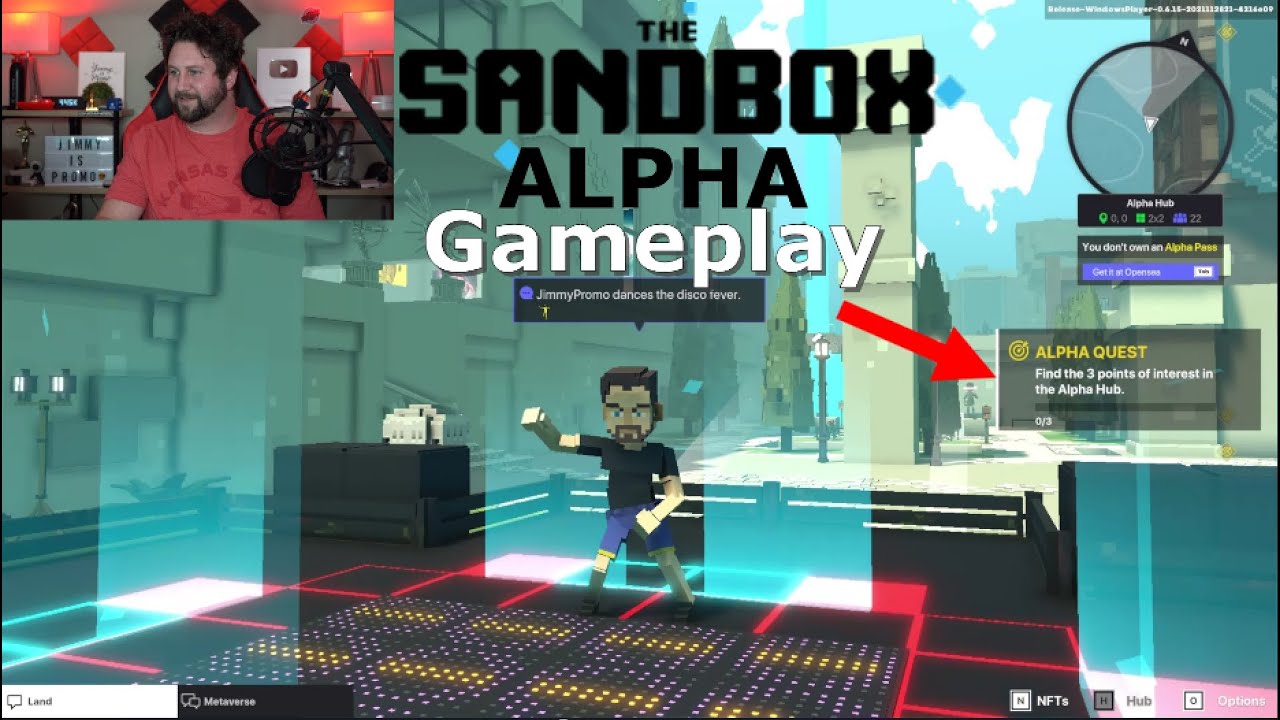
1.1 Defining the Sandbox Genre and Player Autonomy
1.1.1 Distinguishing emergent gameplay from scripted narrative sequences
Unlike traditional linear video games that guide players along a predetermined plot, sandbox simulation titles hand over the narrative steering wheel. Instead of following a scripted hero’s journey, players experience emergent storytelling, where unscripted events unfold organically based on systemic interactions. If a stray spark from a campfire catches nearby brush, burning down a player’s wooden fortress, that unexpected tragedy isn’t written into a script—it is the direct consequence of dynamic game rules colliding with player choices.
1.1.2 The role of physics engines and non-linear objective systems in player agency
Player agency in sandbox design relies heavily on robust physics-based interaction. When objects behave according to realistic weights, velocities, and momentum, players can experiment with mechanics rather than memorizing button combos. Coupled with non-linear objective systems, this allows individuals to set their own milestones, whether that means building an interstellar rocket or simply designing an elaborate Rube Goldberg machine.
1.1.3 Sandbox versus open-world games: Why freedom of manipulation matters more than map size
It is easy to confuse open-world games with sandbox titles, but sheer square mileage does not equate to freedom. While an open-world game might offer a massive map to explore, a true sandbox focuses on manipulation. Players do not just traverse the environment; they alter it fundamentally by terraforming terrain, constructing infrastructure, and dismantling the world block by block or asset by asset.
1.2 The Psychology of Creative Play and Intrinsic Motivation
1.2.1 Overcoming the blank canvas: How sandbox games foster self-imposed challenges
Handing a player total freedom can sometimes lead to hesitation, much like facing a blank canvas. Sandbox designers combat this through subtle constraints and survival loops that inspire self-imposed challenges. By establishing baseline needs—such as gathering food or defending a perimeter—these games give players a foundational purpose from which grand architectural or mechanical ambitions can grow.
1.2.2 The impact of flow state and sustained engagement in open-ended environments
The absence of rigid time limits and forced interruptions creates an ideal breeding ground for psychological flow. As players immerse themselves in repetitive yet rewarding loops of planning, trial, and execution, hours slip by unnoticed. This sustained engagement stems from the intrinsic satisfaction of troubleshooting a design flaw and watching a complex system finally click into place.
1.2.3 Addressing creative block and the importance of goal-setting in non-linear games
When inspiration dries up, open-ended environments can feel overwhelming. To maintain momentum, successful players often rely on micro-goals, breaking massive projects down into manageable steps. Whether it is sourcing a specific mineral or routing a single conveyor belt, shifting focus to bite-sized tasks helps clear creative blocks and keeps the momentum moving forward.
1.3 Technical Foundations and Community Integration
1.3.1 The impact of procedural generation on replayability and unique world seeds
Procedural generation serves as the hidden engine behind the infinite replay value of modern sandbox titles. By algorithmically crafting terrain, resource nodes, and biomes using unique world seeds, these games ensure that no two playthroughs are identical. This unpredictability forces players to adapt their survival strategies and building techniques to entirely new topographies every time they start a fresh save.
1.3.2 Modding ecosystems and the role of community-driven content in longevity
The lifespan of a sandbox game is frequently extended by dedicated modding communities. Developers often provide official toolkits, inviting players to introduce new mechanics, textures, and total conversions that reshape the core experience. This symbiotic relationship between creators and players ensures that a game can evolve far beyond its initial release scope, often incorporating community-favorite ideas into official updates.
1.3.3 Hardware demands: Managing high-fidelity physics and complex entity calculations
Beneath the creative exterior lies heavy computational lifting. Sandbox simulations demand robust hardware because they constantly track thousands of moving parts, fluid dynamics, and creative gameplay mechanics simultaneously. As players scale up their creations—such as massive automated factories or sprawling cities—CPU bottlenecks and physics calculations test the limits of modern gaming rigs.
2. Top-Rated Sandbox Simulation Games Categorized by Playstyle
2.1 Building, Survival, and Automation Paradigms
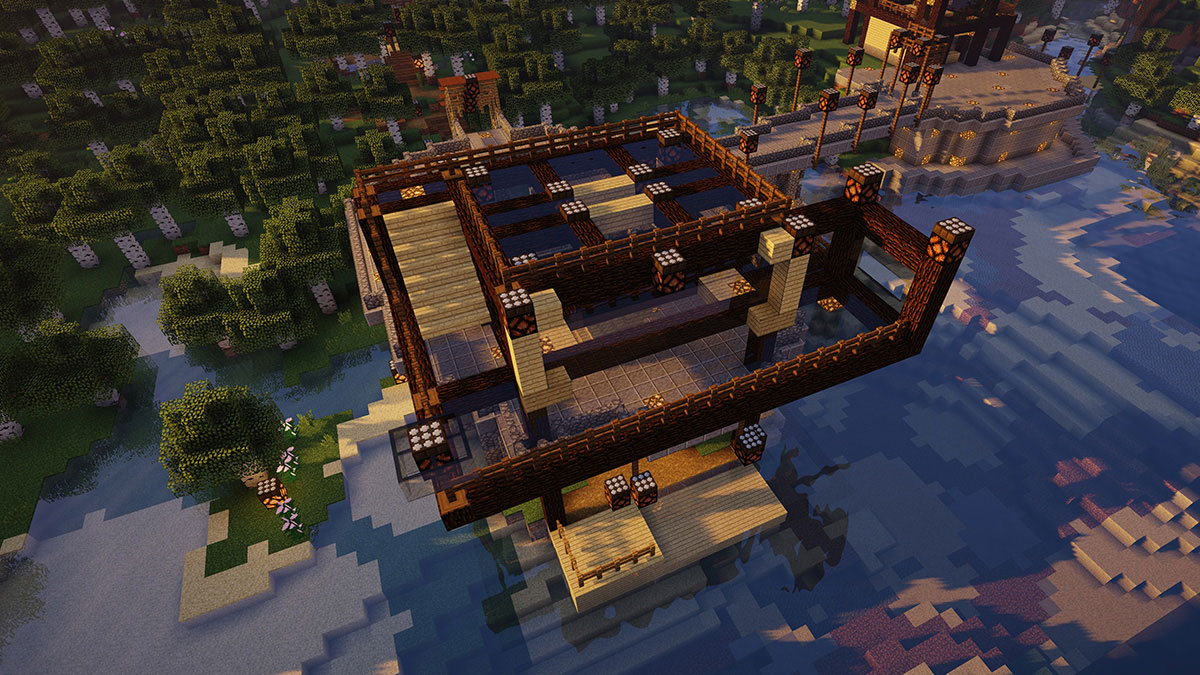
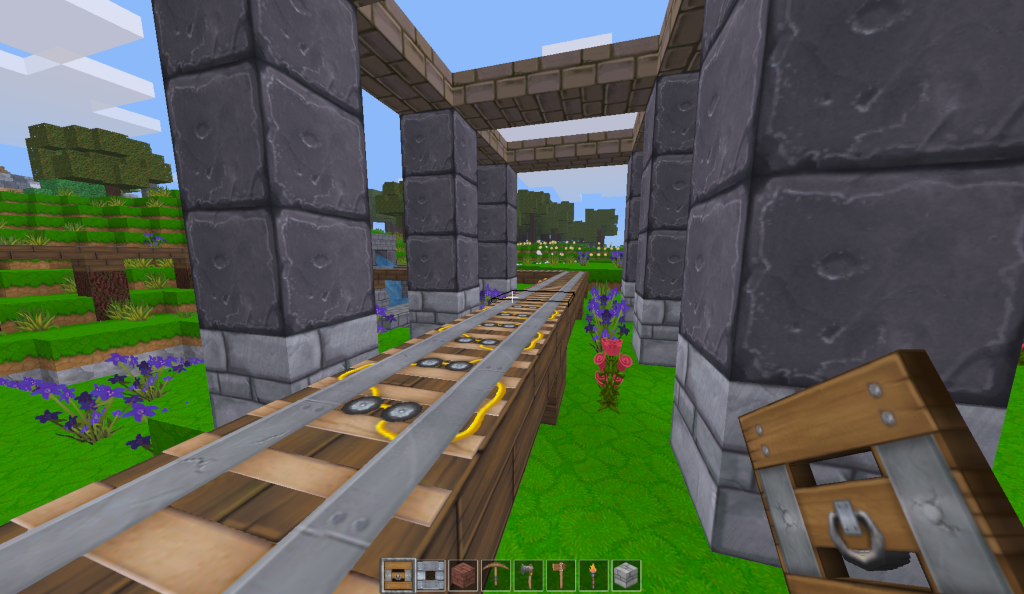
The foundation of any great sandbox simulation lies in how it handles player agency through creation and resource gathering. In titles like Minecraft and Terraria, block-based engineering and resource management transform simple biomes into canvases for massive architectural feats. Players must harvest raw materials, craft tools, and survive hostile environments, utilizing creative gameplay mechanics to shape the very terrain around them. For those who prefer industrial efficiency over rustic survival, games like Factorio and Satisfactory shift the focus entirely toward complex industrial automation and intricate supply chains. Here, you design sprawling assembly lines, optimize resource throughput, and balance energy grids. Meanwhile, games like RimWorld lean heavily into emergent storytelling, where managing a colony’s daily survival results in unpredictable, deeply personal player narratives driven by artificial intelligence storytellers.
2.2 Physics Playgrounds, Vehicle Engineering, and Space Exploration
When raw physics take center stage, sandbox games evolve into chaotic, highly rewarding laboratories. Titles such as Garry’s Mod and Teardown invite players to push physics engines to their absolute breaking point, offering tools that manipulate gravity, structure, and destruction with stunning accuracy. This heavy reliance on physics-based interaction allows for wild experimentation, whether you are building complex contraptions or demolishing entire buildings. For players drawn to the stars, Kerbal Space Program introduces realistic orbital mechanics and aerospace design, offering an educational yet deeply challenging sandbox simulation where every rocket launch is a lesson in physics. Alternatively, No Man’s Sky offers boundless exploration across infinite procedurally generated universes, letting players manage fleets, trade resources, and chart uncharted worlds at their own pace.
2.3 Choosing the Optimal Sandbox Experience for Your Setup
Selecting the right open-ended game depends heavily on your hardware and preferred playstyle. Platform considerations play a massive role; while consoles offer couch comfort, PC platforms unlock extensive modding ecosystems that can radically alter gameplay. If you prefer shared experiences, evaluating multiplayer sandbox features helps determine whether you want a cooperative survival world shared with friends or a solitary creative retreat. Finally, matching your hardware capabilities to the game’s simulation intensity ensures smooth performance, especially when managing massive industrial automation grids or complex physics calculations.
The enduring appeal of sandbox simulation games lies in their limitless capacity for self-expression, logic building, and unscripted exploration. Whether you prefer orchestrating chaotic, physics-based interactions or designing hyper-efficient industrial supply chains, these digital playgrounds offer a unique brand of player agency that traditional linear titles simply cannot match. By embracing open-ended goals and mechanics that reward experimentation, you unlock entirely personal gaming stories shaped completely by your own imagination.
Ultimately, the best sandbox simulation experience depends entirely on what kind of creator you want to be. Dive into a massive procedurally generated universe, build a sprawling automated empire from scratch, or simply test the absolute limits of a game’s engine with friends. The tools are yours to wield—how you use them is entirely up to you.