Medical note: This article provides general educational information and is not a substitute for care from a gastroenterologist or registered dietitian. Seek medical help promptly for severe abdominal pain, persistent vomiting, fever, dehydration, rapid weight loss, or heavy rectal bleeding.
Choosing food when you have ulcerative colitis can feel like negotiating with a very opinionated digestive system. A meal that behaves perfectly on Monday may cause trouble on Friday, while a supposedly “safe” food may suddenly decide to audition for the role of intestinal supervillain.
The most important fact about an ulcerative colitis diet is that there is no universal menu that works for everyone. Food does not cause ulcerative colitis, and no particular diet has been proven to cure it. However, changing what and how you eat may reduce diarrhea, cramping, gas, urgency, and nutritional problemsespecially during an active flare. Medical treatment remains essential for controlling the inflammation itself.
This guide explains the best foods to try, foods that commonly aggravate symptoms, how eating should change between a flare and remission, and how to build a personalized plan without banning half the grocery store.
What is ulcerative colitis?
Ulcerative colitis, commonly called UC, is a chronic form of inflammatory bowel disease. It causes inflammation and ulcers in the inner lining of the colon and rectum. Symptoms may include bloody diarrhea, abdominal pain, urgency, fatigue, reduced appetite, and weight loss. The condition typically alternates between active periods, known as flares, and periods of remission when symptoms improve or disappear.
Because UC primarily affects the large intestine, it can interfere with fluid balance and make eating difficult during a flare. Frequent diarrhea may increase the loss of water and electrolytes, while avoiding too many foods can lead to inadequate calories, protein, vitamins, and minerals.
Is there one best diet for ulcerative colitis?
No single diet has consistently prevented flares in every adult with inflammatory bowel disease. Current guidance emphasizes personalization: eat a varied, balanced diet when possible, reduce foods that reliably trigger symptoms, and avoid unnecessary long-term restrictions.
The appropriate plan may also change over time. During remission, many people can eat a broad Mediterranean-style diet containing fruits, vegetables, whole grains, lean proteins, seafood, and healthy fats. During a painful flare, temporarily choosing softer, lower-fiber foods may be more comfortable.
Think of it as changing the road conditions rather than abandoning the car. When the colon is calm, the dietary road can be wide and varied. During a flare, it may need fewer bumps, fewer surprise potholes, and considerably less popcorn.
Foods to eat during an ulcerative colitis flare
During active disease, the goal is not to find a magical anti-colitis ingredient. The practical priorities are maintaining hydration, getting sufficient calories and protein, and selecting foods that do not noticeably worsen symptoms.
Easy-to-digest carbohydrates
Refined, lower-fiber carbohydrates may be easier to tolerate temporarily because they leave less indigestible residue in the colon. Options include:
- White rice
- White bread or sourdough bread without seeds
- Plain pasta
- Low-fiber cereal
- Oatmeal, if tolerated
- Peeled white or sweet potatoes
- Crackers and pretzels
A low-fiber or low-residue approach is usually intended for short-term symptom management, not permanent living. Staying on an unnecessarily restrictive diet for months can reduce variety and make nutritional deficiencies more likely.
Soft fruits without tough skins or seeds
Whole raw fruit may be difficult during a flare, but that does not mean fruit must disappear completely. Texture and preparation often matter as much as the food itself. Gentler choices may include:
- Ripe bananas
- Applesauce
- Canned peaches or pears in juice
- Melon without seeds
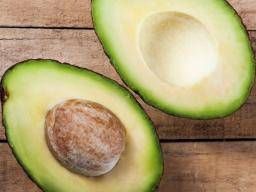
- Avocado
- Cooked, peeled, or blended fruit
Peeling, cooking, mashing, or blending produce breaks down some of its rough structure. This may make it easier to tolerate while preserving useful calories and nutrients.
Well-cooked vegetables
Try peeled vegetables cooked until soft, such as carrots, squash, zucchini, green beans, pumpkin, and potatoes. Pureed vegetable soups can also be practical when appetite is poor.
Raw salad is nutritious, but during a flare it can behave like edible sandpaper for some people. Cooking vegetables does not make them “less healthy.” It simply changes their texture and may make them easier for a sensitive digestive tract to handle.
Lean sources of protein
Protein supports muscle maintenance, tissue repair, immune function, and recovery from weight loss. Try to include a protein source throughout the day rather than attempting to eat one heroic chicken breast at dinner.
Potentially well-tolerated options include:
- Skinless chicken or turkey
- Fish, including salmon and tuna
- Eggs
- Tofu
- Smooth nut butter, if tolerated
- Lactose-free yogurt or milk
- Oral nutrition drinks recommended by a clinician
Protein needs may increase during active illness, particularly when someone is losing weight or eating less than usual. Mayo Clinic guidance recommends including protein-containing foods throughout the day and eating smaller meals when large portions are uncomfortable.
Fluids and electrolytes
Diarrhea can cause substantial losses of water and minerals. Sip fluids regularly rather than drinking a huge amount all at once. Water, broth, diluted juice, and clinician-approved oral rehydration solutions may be useful.
Very sugary drinks can pull additional water into the intestine in some people, potentially worsening watery stools. Sports drinks may help in selected situations, but many contain large amounts of sugar. A medical professional can recommend an appropriate rehydration product when diarrhea is severe.
Foods that may worsen symptoms during a flare
These foods are not forbidden for every person with UC. They are simply common symptom triggers, particularly during active disease. Your colon does not read internet lists, so individual observation still matters.
High amounts of insoluble fiber
Insoluble fiber adds bulk to stool and moves through the digestive tract relatively intact. During a flare, this may increase stool volume, cramping, or urgency. Foods that may need temporary reduction include:
- Raw leafy greens
- Vegetable and fruit skins
- Wheat bran
- Large servings of whole grains
- Whole nuts and seeds
- Popcorn
- Raw cruciferous vegetables
This does not mean all fiber is permanently bad. Updated clinical advice discourages automatically eliminating every fruit and vegetable. Many people can tolerate smaller portions, cooked produce, or foods containing gentler soluble fiber.
Fried and high-fat foods
Fried chicken, greasy burgers, rich cream sauces, and heavily processed snacks may worsen diarrhea or abdominal discomfort. Large amounts of saturated fat may also be less desirable for overall health.
Choose baking, steaming, roasting, poaching, or grilling more often. Healthy fats such as olive oil, avocado, and oily fish may fit well in remission, although portion size may still need adjustment during a flare.
Dairy products when lactose is a problem
Ulcerative colitis does not automatically require a dairy-free diet. However, lactose intolerance can cause gas, bloating, cramps, and diarrhea. Some people notice greater sensitivity during active inflammation.
If regular milk seems troublesome, consider lactose-free milk, hard cheese, or yogurt with live cultures, depending on tolerance. Do not eliminate dairy without replacing its protein, calcium, and vitamin D.
Caffeine, alcohol, and carbonated drinks
Coffee, strong tea, energy drinks, alcohol, and some sodas may stimulate the intestines or aggravate diarrhea. Carbonation may increase gas and bloating. Decaffeinated coffee can still bother some people because acidity and other compoundsnot only caffeinemay affect symptoms.
During a flare, water usually wins the beverage popularity contest. It is not glamorous, but neither is sprinting toward the nearest restroom.
Spicy foods
Hot peppers, chili sauces, and heavily spiced meals do not create UC inflammation, but they may increase burning, cramping, or urgency in sensitive individuals. Mild herbs such as basil, parsley, oregano, thyme, and rosemary can provide flavor without turning lunch into a digestive action movie.
Concentrated sugar and sugar alcohols
Large amounts of candy, soda, sweetened juice, and desserts may worsen diarrhea in some people. Sugar alcoholsincluding sorbitol, mannitol, maltitol, and xylitolcan have a laxative effect. They often appear in sugar-free candy, gum, protein bars, and low-carb snacks.
What to eat during remission
Once symptoms improve, the long-term goal is usually to expand the dietnot remain trapped in a world of white rice and solemn bananas.
The American Gastroenterological Association advises most people with IBD to follow a Mediterranean-style pattern unless there is a medical reason not to. This pattern emphasizes varied fruits and vegetables, complex carbohydrates, lean proteins, seafood, and monounsaturated fats while limiting ultra-processed foods, excess added sugar, and salt.
During remission, gradually experiment with:
- Cooked vegetables before raw vegetables
- Peeled fruit before fruit with skins
- Oats and other soluble-fiber foods
- Whole-grain bread or rice in small portions
- Beans or lentils in pureed or modest servings
- Nuts and seeds in ground or butter form
- Olive oil, avocado, and fatty fish
Research has associated diets high in red meat, processed meat, saturated fat, and ultra-processed products with less favorable IBD outcomes. Evidence is still developing, but replacing some processed meats with fish, poultry, eggs, tofu, or other tolerated proteins is a reasonable strategy.
Are special diets useful?
Mediterranean diet
A Mediterranean-style diet is one of the most practical long-term patterns because it supports cardiovascular and metabolic health while offering plenty of variety. It can be modified during a flare by cooking produce, removing skins, reducing portions of rough fiber, and choosing softer grains.
Low-FODMAP diet
A low-FODMAP diet may reduce bloating, gas, and IBS-like symptoms in some people, but it is not established as a treatment for the intestinal inflammation caused by UC. Because its elimination phase is restrictive, it should ideally be completed with professional guidance and followed by structured food reintroduction.
Gluten-free diet
Gluten does not need to be removed automatically. A strict gluten-free diet is medically necessary for people with celiac disease and may help those with a confirmed gluten-related disorder. For everyone else, eliminating wheat without a clear reason can make eating more expensive and unnecessarily restrictive.
Liquid diets and nutrition supplements
Liquid nutrition may be used when solid food is poorly tolerated or nutritional intake is inadequate. However, a clear-liquid diet alone does not provide sufficient calories, protein, or nutrients for long-term use. Severe flares, dehydration, or malnutrition may require supervised oral, tube, or intravenous nutrition.
Vitamins and minerals to monitor
People with ulcerative colitis may develop deficiencies because of blood loss, reduced intake, inflammation, or medication effects. A clinician may order blood tests for iron, vitamin D, folate, vitamin B12, calcium, and other nutrients based on symptoms and treatment history.
Iron deficiency is particularly important when there has been chronic intestinal bleeding. Calcium and vitamin D may also require attention, especially in people who avoid dairy or have used corticosteroids. Supplements should be chosen with medical guidance because excessive doses can cause side effects, and oral iron may irritate the digestive tract in some patients.
A sample one-day meal plan during a mild flare
This example is not suitable for everyone, but it demonstrates how softer foods, hydration, and protein can be distributed throughout the day.
- Breakfast: Scrambled eggs, white toast, a ripe banana, and water.
- Morning snack: Lactose-free yogurt or applesauce.
- Lunch: Baked chicken, white rice, and well-cooked peeled carrots.
- Afternoon snack: Crackers with smooth peanut butter, if tolerated.
- Dinner: Baked salmon, mashed potatoes, and pureed squash.
- Evening option: A clinician-approved nutrition drink if appetite or weight is low.
Smaller meals eaten more frequently may be easier to tolerate than three large meals. Eating slowly and chewing thoroughly can also help reduce the amount of work handed to the digestive system.
How to identify your personal trigger foods
Keep a simple food and symptom diary for several weeks. Record the food, portion size, preparation method, time eaten, symptoms, bowel frequency, medications, stress, and whether the disease was flaring.
A diary helps distinguish a repeated pattern from a one-time coincidence. For example, one unpleasant evening after eating broccoli does not prove that broccoli has declared war. Symptoms may also reflect active inflammation, infection, medication changes, stress, or several foods eaten together.
Test one change at a time. Removing five food groups simultaneously may calm symptoms, but it will not reveal which change mattered. Once symptoms stabilize, reintroduce foods gradually unless a healthcare professional advises otherwise.
Real-life experience: creating a personal UC food playbook
The following is a fictional composite based on common challenges described by people living with inflammatory bowel disease. It is not a real patient testimonial.
Imagine Jordan, a busy office worker who develops an ulcerative colitis flare. Jordan’s first reaction is to search for a perfect list of “good” and “bad” foods. Within an hour, the kitchen looks like it has been audited by an unusually strict nutrition detective. Dairy is gone. Gluten is gone. Fruit is suspicious. Vegetables are apparently plotting something. Dinner consists of plain rice and anxiety.
For the first few days, the bland meals seem easier to tolerate. But after two weeks, Jordan feels tired, loses weight, and becomes nervous about eating anywhere outside the house. The diet may be reducing some symptoms, yet it is also becoming too narrow to provide satisfying nutrition.
After speaking with a gastroenterologist and an IBD-focused dietitian, Jordan learns to separate medical inflammation from food-related symptoms. Medication is adjusted to control the flare. Food is treated as supportive carenot as a substitute for treatment and not as the original cause of the disease.
Jordan begins with four small meals a day. Breakfast is eggs and toast. Lunch is chicken with rice and soft carrots. Snacks include bananas, lactose-free yogurt, and smooth nut butter. Dinner may be salmon with mashed potatoes or tofu with well-cooked zucchini. Water is kept nearby, while coffee takes a temporary vacation.
A diary reveals that small amounts of yogurt are fine, but regular milk repeatedly causes bloating. Raw onions and large salads worsen urgency, while cooked spinach and peeled zucchini do not. Spicy food is poorly tolerated during the flare but causes no difficulty once remission returns.
As symptoms improve, Jordan reintroduces foods one at a time. First comes oatmeal, followed by cooked fruit, small servings of whole-grain bread, and eventually softer beans. The process is slow enough to observe reactions but not so slow that the menu remains unnecessarily restricted.
There are setbacks. One weekend, Jordan eats a giant restaurant meal containing fried food, hot sauce, soda, and dessert. Symptoms appear later, but it is impossible to identify the guilty party because the meal had more suspects than a mystery novel. Jordan records the event and moves on rather than declaring every ingredient permanently forbidden.
Social situations also become easier with preparation. Before visiting a restaurant, Jordan checks the menu and chooses grilled fish, white rice, and cooked vegetables. Sauces are requested on the side. During remission, more adventurous foods return in modest portions. The objective is not dietary perfection; it is confidence, flexibility, and adequate nourishment.
Over time, Jordan’s personal food playbook becomes more useful than any generic online chart. The flare plan contains soft carbohydrates, cooked produce, lean protein, and extra fluids. The remission plan is broader and closer to a Mediterranean pattern. The “use caution” section contains regular milk, huge portions, fried meals, and very spicy sauces.
The biggest lesson is psychological as well as nutritional: food does not need to become an enemy. A symptom trigger is not necessarily harmful to the colon, and a well-tolerated food is not necessarily treating the underlying disease. By combining medical care, gradual experimentation, and professional nutrition advice, Jordan regains both dietary variety and peace of mind.
When to speak with a dietitian or doctor
Professional nutrition support is especially important when you are losing weight, avoiding multiple food groups, struggling to maintain hydration, experiencing anemia, preparing for surgery, recovering from hospitalization, or caring for a child or teenager with UC.
An IBD-focused dietitian can evaluate nutritional status, identify realistic substitutions, guide food reintroduction, and reduce food anxiety. Major IBD centers increasingly use multidisciplinary care because diet needs can vary considerably from one patient to another.
Conclusion
The best diet for ulcerative colitis is neither a universal list of forbidden foods nor an internet-famous cleanse. It is a flexible, nutritionally adequate plan built around your disease activity, symptoms, preferences, and medical needs.
During a flare, softer low-fiber foods, lean protein, cooked produce, smaller meals, and regular hydration may reduce digestive stress. Common triggers such as fried foods, alcohol, caffeine, spicy meals, rough fiber, and lactose should be limited only when they cause problems. During remission, gradually return to a varied diet rich in minimally processed foods rather than staying on a restrictive flare menu forever.
Most importantly, remember that diet supports treatmentit does not replace it. Work with your medical team, track patterns patiently, and give yourself permission to build a menu that is both gut-aware and enjoyable.