There is a distinct, hypnotic thrill that comes from stringing together a flawless sequence of wall-runs, slides, and air-dashes without ever touching the ground. When you dive into the best parkour platformer titles, success isn’t just about reaching the end of a stage—it is about mastering the velocity, rhythm, and kinetic flow that turns virtual architecture into your personal playground. Whether you are chasing blistering times or simply trying to survive a labyrinth of deadly hazards, these games demand quick reflexes and an intimate understanding of movement physics.
Behind every satisfying leap and gravity-defying ledge grab lies a carefully crafted interplay of momentum and level design that separates casual arcade experiences from true test-of-skill masterpieces. In this guide, we will break down the fundamental physics driving these mechanics, explore how perspective changes spatial awareness, and share pro-level strategies to elevate your movement from clumsy stumbles to effortless acrobatics.
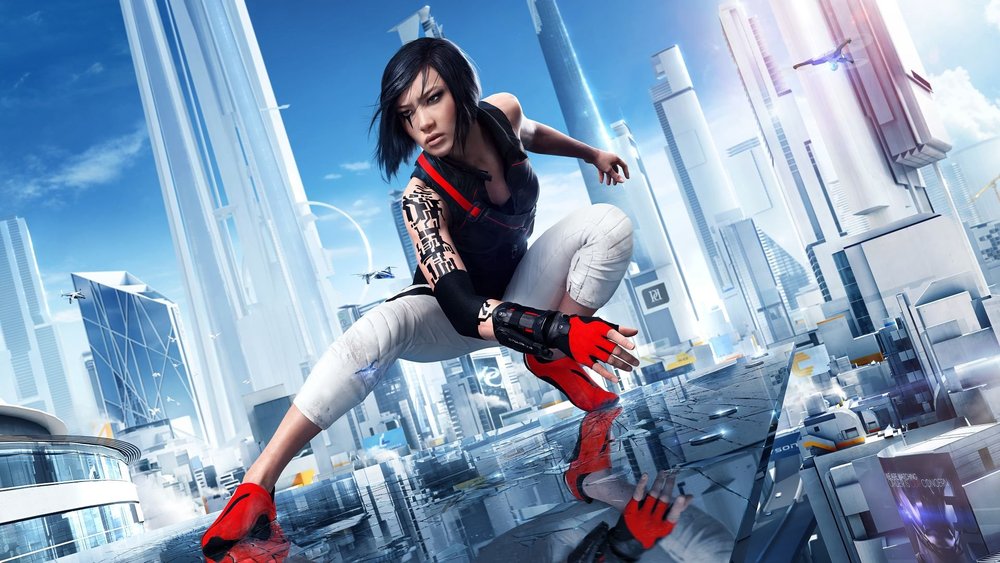
1. Mastering the Mechanics of the Best Parkour Platformer Games
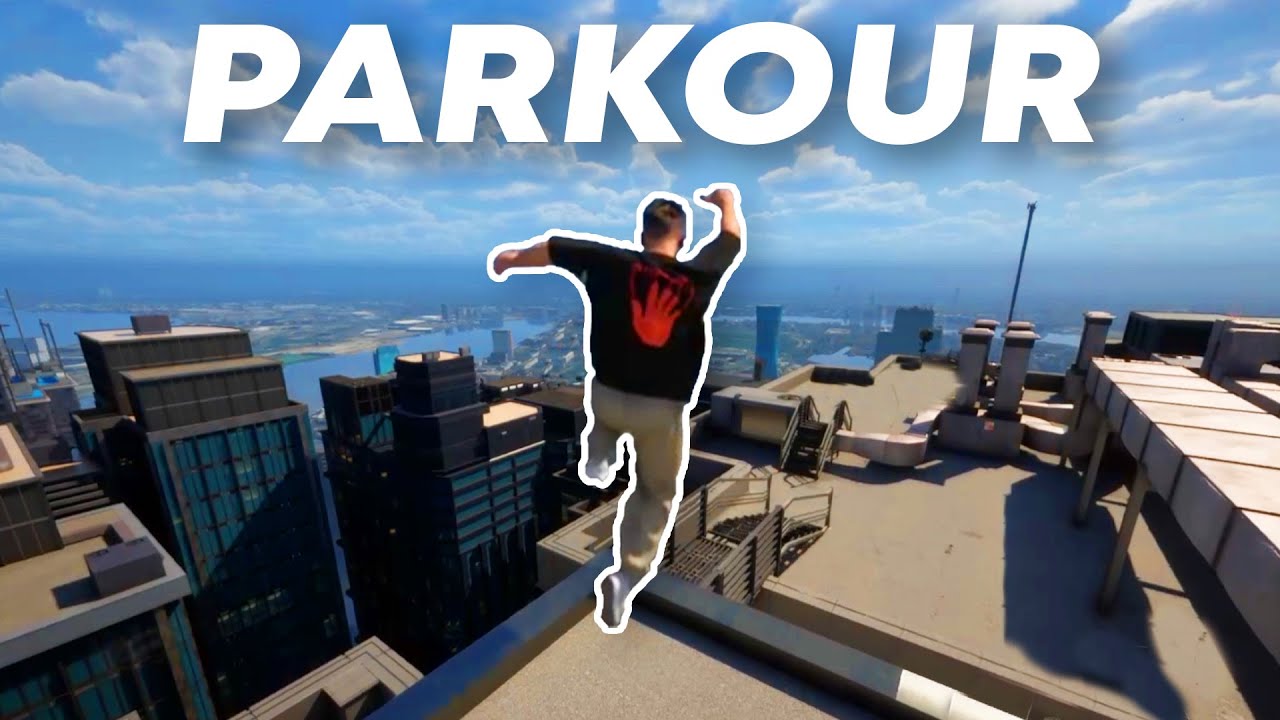
Diving into the parkour platformer genre requires an understanding of how physics, spatial awareness, and fluid input blending create a seamless virtual experience. Whether you are chaining together dizzying roof runs or tackling intricate trial courses, mastering these systems transforms frustrating deaths into effortless digital acrobatics.
1.1 Defining the Core Pillars of Movement
1.1.1 The distinction between momentum-based flow and precision platforming
At the heart of the genre lies a critical mechanical split. Precision platforming relies on exact pixel-perfect positioning and sudden directional inputs, much like classic 2D challenges. In contrast, momentum-based flow treats your character like a physics object. Retaining velocity through slides, jumps, and wall bounces dictates your survival. Understanding how your chosen title handles friction, acceleration, and gravity is the first step toward mastering overall gameplay mechanics.
1.1.2 Psychological benefits of entering the flow state
Beyond competitive leaderboards, mastering these movement loops triggers a psychological flow state. When inputs become second nature, the conscious mind steps back, replacing hesitation with rhythmic muscle memory. This deep immersion mirrors cognitive rewards found in activities like physical sports or creative hobbies, keeping players engaged for hours.
1.2 Anatomy of Essential Parkour Traversal
1.2.1 Wall running, mantle climbing, and ledge mechanics
Every great run relies on a foundational toolkit. Wall running extends your travel distance across bottomless pits, while mantle climbing allows you to clear vertical obstacles without killing your forward velocity. Mastering ledge grabs provides a vital safety net, letting you correct minor miscalculations before plummeting into a reset zone.
1.2.2 Advanced momentum tools including air dashes and grappling hooks
As levels grow more complex, developers introduce advanced tools to break traditional traversal limits. Air dashes let you instantly change vectors or cross wide gaps mid-fall, while grappling hooks turn corners into slingshots. Integrating these tools smoothly into your level design awareness separates casual players from elite speedrunners.
1.3 Comparing Gameplay Perspectives and Environments
1.3.1 Benefits of first-person immersion for parkour accuracy
First-person perspectives prioritize visceral speed and exact depth perception. When judging the lip of a rooftop or lining up a precise slide-jump, seeing the world through the avatar’s eyes makes every close call feel intensely personal and reactive.
1.3.2 Third-person camera utility for spatial awareness in complex platformers
Conversely, third-person cameras offer a wider field of view, making them ideal for complex environments filled with moving hazards. Seeing your character’s entire body helps you gauge landing boxes and prepare for multi-directional routes that require a macro-level understanding of speedrunning techniques.
1.3.3 Physics-based locomotion and VR-specific mechanics
Modern gaming increasingly explores physics-driven locomotion and virtual reality adaptations. These iterations demand physical arm swings or real-world head tilts, grounding digital traversal in physical sensation and pushing the boundaries of spatial interactivity.
2. Pro Strategies for Improving Your Parkour Platformer Performance
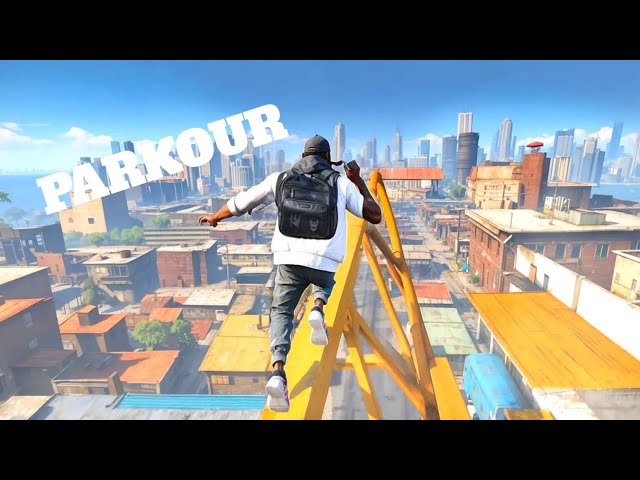
2.1 Essential Techniques for Beginners
2.1.1 Visualizing paths and reading the environment ahead of time
When you first dive into a parkour platformer, your instinct is usually to react to obstacles the exact second they appear on screen. However, top players look at level design completely differently. You need to train your eyes to scan two or three obstacles ahead rather than focusing entirely on your character’s feet. By actively reading the architecture, identifying structural gaps, and visualizing your trajectory before you make a leap, you transform frantic guesswork into a smooth, deliberate sequence.
2.1.2 Mastering rhythm over frantic inputs
Button mashing is the ultimate run-killer in momentum-based titles. Every action—whether it is a wall jump, a slide, or a ledge grab—has a specific recovery frame and rhythm. Finding that cadence is much like learning a musical instrument; pressing your inputs with precise timing unlocks fluid movement chains. Instead of panicking when a gap looks too wide, focus on syncing your button presses with the audible and visual cues of your character’s animations to maintain forward speed.
2.2 Advanced Speedrunning and High-Score Tactics
2.2.1 Exploiting coyote time and bunny hopping for speed chains
Once you are comfortable with basic traversal, incorporating advanced speedrunning techniques will dramatically elevate your gameplay. Coyote time—the forgiving grace period that lets you jump a split second after walking off a ledge—is essential for maximizing distance without losing altitude. Combined with precise bunny hopping, which converts landing frames into immediate re-jumps, you can bypass friction penalties and stack velocity across seemingly impossible expanses.
2.2.2 Techniques for momentum conservation and animation canceling
Preserving your accrued speed separates casual players from leaderboard contenders. Modern gameplay mechanics often feature slide-jumps and dive-cancels designed to retain kinetic energy. By cutting recovery animations short through specific weapon swaps or directional inputs, you prevent your character from dragging to a halt. Mastering these intricate frame windows allows you to slice precious seconds off your personal bests.
2.3 Optimization for Hardware and Settings
2.3.1 Controller versus keyboard and mouse sensitivity requirements
Your choice of peripheral drastically impacts your reaction time and precision. While a controller offers analog stick smoothness for nuanced movement angles, a keyboard and mouse deliver unmatched twitch-reaction camera flicking. If you prefer mouse play, finding a reliable sensitivity sweet spot is vital for executing sharp 180-degree wall runs without over-flicking past your intended landing target.
2.3.2 Adjusting field of view to track movement and velocity
Tunnel vision is a common hurdle when playing fast-paced games at default visual settings. Widening your field of view (FOV) expands your peripheral awareness, making it significantly easier to gauge speed, spot incoming obstacles, and track complex level design elements in real time. Turn up that slider to keep your surroundings in check while you soar through the air.
Mastering a parkour platformer requires a delicate balance of technical precision, environmental awareness, and muscle memory. Whether you are chaining complex movement systems to pull off a flawless speedrun or simply learning how to manage your velocity across intricate level design layouts, the journey from stumbling beginner to fluid traversal expert relies on consistent practice and a deep understanding of core game physics.
By focusing on rhythm over frantic inputs, optimizing your hardware settings for optimal field of view, and anticipating obstacles before they appear, you can completely transform your virtual movement capabilities. The thrill of entering a true flow state where every wall run, slide, and air dash links seamlessly together is what makes this genre so endlessly rewarding. Dive into your favorite titles, experiment with different control setups, and start pushing the absolute limits of speed and control today.