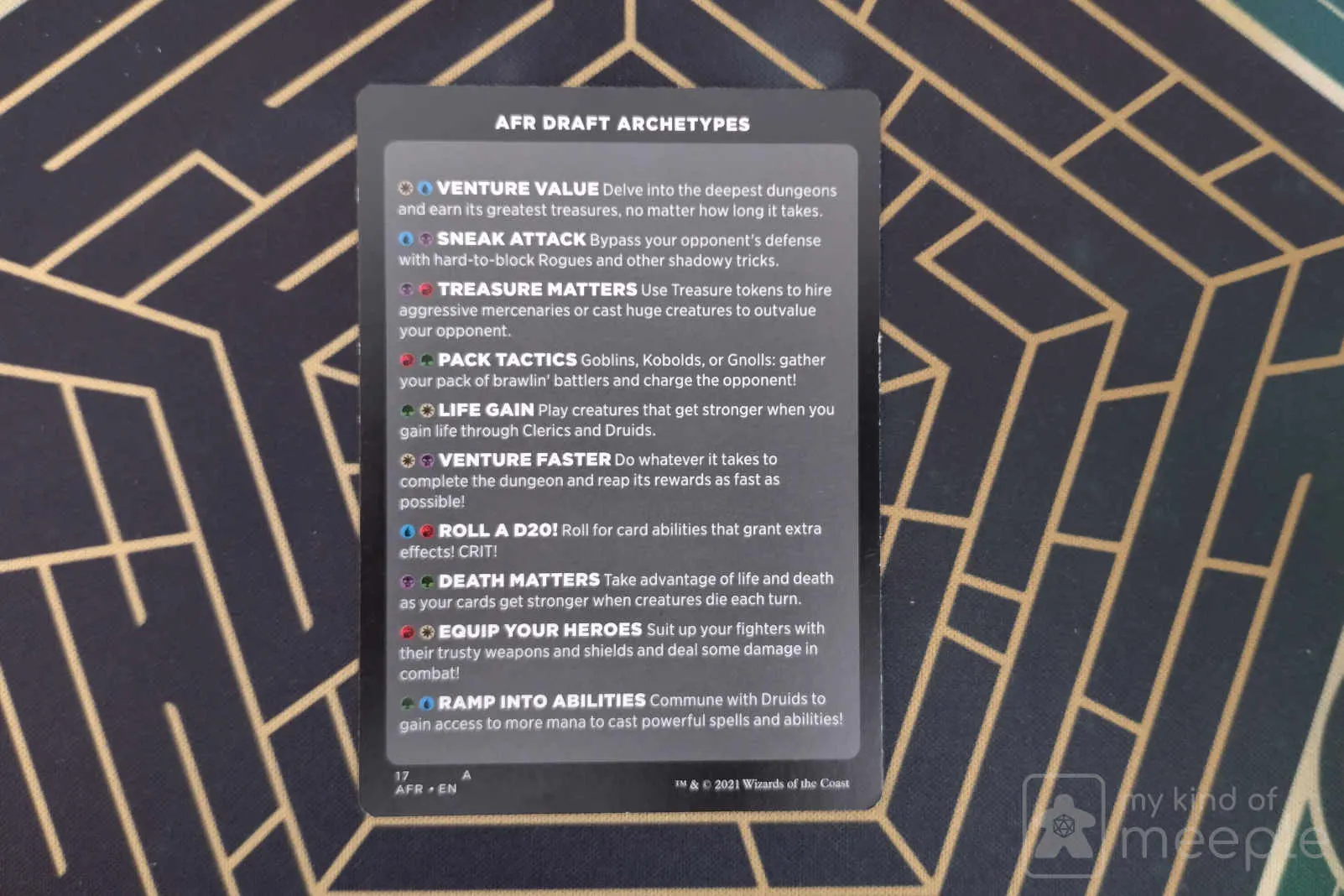
There is a thrilling tension in sitting down at a table, looking at an unread pack of cards, and realizing that your decisions over the next few minutes will completely dictate your fate. Whether you are battling opponents in a competitive card game or optimizing an intricate system in a turn based strategy title, mastering card draft strategies separates casual players from consistent winners. Drafting is rarely just about picking the flashiest or most powerful card in isolation; it is a delicate dance of probabilities, foresight, and tactical adaptability.
Far too many players fall into the trap of forcing their favorite archetypes, ignoring the invisible language of the table, or failing to balance immediate survival with long-term scoring potential. In this guide, you will learn how to elevate your decision-making process from simple card evaluation to master-level engine building. We will break down everything from reading open signals and constructing resilient resource loops to executing precision pivots when your initial plan falls apart, giving you the tactical edge you need to dominate your next draft.
1. Mastering Card Draft Strategies for Competitive Play
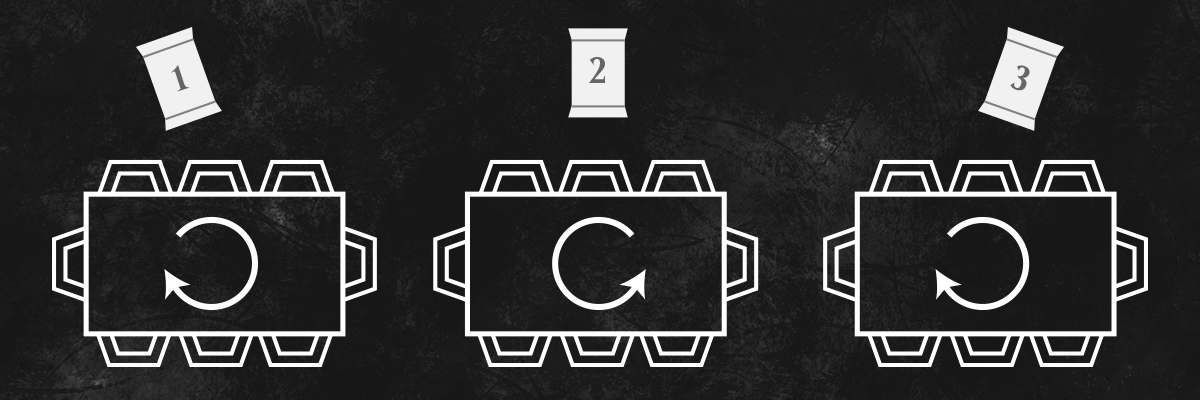
Succeeding in competitive card games requires far more than just knowing individual card text; it demands a deep understanding of card draft strategies that can shape your entire match. Whether you are sitting down for a booster draft in a trading card game or exploring complex resource management board games, your ability to evaluate cards in isolation and within a broader system dictates your win rate.
1.1 The Fundamentals of Draft Evaluation
Building a successful deck starts with foundational evaluation metrics. You cannot simply pick the flashiest rare card and hope for the best. Instead, professional players look at how every single choice contributes to the overall puzzle of the match.
1.1.1 Establishing a Pick Order Hierarchy
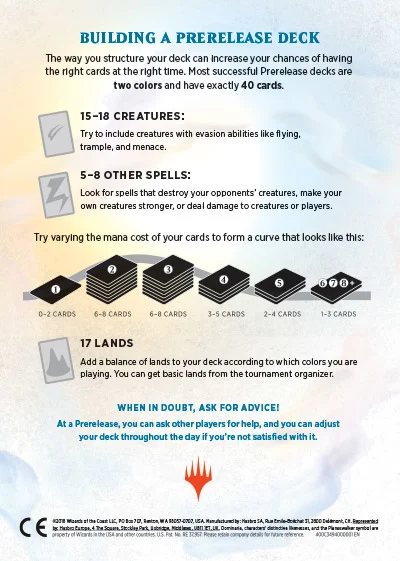
Creating a reliable pick order hierarchy helps eliminate decision fatigue under tight clock timers. Your early picks should prioritize high-impact, flexible cards that fit into multiple strategies. As the draft progresses, your hierarchy shifts toward filling specific operational gaps, ensuring your deck maintains a healthy curve.
1.1.2 Reading Signals and Open Information
Drafting is inherently a multiplayer conversation. Reading signals means paying close attention to which colors or archetypes your neighbors are passing to you. If powerful late-pack cards from a specific strategy keep arriving at your seat, the table is likely leaving that archetype wide open for you to exploit.
1.1.3 The Art of Flexibility and Avoiding Archetype Lock-in
Commitment is dangerous when information is incomplete. Prematurely locking into a specific strategy blinds you to better tactical opportunities. Staying flexible through the early picks allows you to pivot smoothly if your primary color or strategy gets heavily contested downstream.
1.2 Advanced Drafting Frameworks
Once you master the basics, advanced frameworks elevate your gameplay by incorporating psychological pressure and long-term planning into your decision-making process.
1.2.1 First-Pick-Last-Pack Mentality and Future-Proofing
When reviewing your opening booster, evaluate not just how a card helps you on turn one, but how it scales as the game progresses. A true future-proofing mindset asks whether a card retains its utility in the late game or if it becomes dead weight when board states lock up.
1.2.2 Identifying Contested Archetypes and Cutting Key Cards
Sometimes the most profitable play is drafting a card you do not intend to use simply to deny it to your opponents. Recognizing when an archetype is heavily contested lets you starve rival players of their critical win conditions, weakening their final board states.
1.2.3 Mastering the Pivot Phase During Mid-Draft Transitions
The mid-draft transition is where many competitive matches are won or lost. Recognizing when your initial plan has failed—due to poor card flow or aggressive drafting from opponents—requires a calculated pivot. Shifting gears cleanly into an open, uncontaminated strategy can salvage an otherwise doomed pool.
2. Optimizing Engine Building and Tactical Execution
2.1 Architectural Elements of Engine Building
Successful engine building mechanics rely on a delicate ecosystem of distinct card types working in tandem. Without proper balance, your carefully crafted strategy will stall out before reaching its potential.
2.1.1 Balancing Generators, Spenders, and Catalysts
Every functional engine requires three fundamental components. Generators produce raw value or currency, spenders convert that raw value into points or board state, and catalysts multiply your efficiency. If you draft too many spenders without enough generators, you will quickly starve. Conversely, hoarding generation without an outlet leaves you with plenty of fuel and nowhere to drive.
2.1.2 Exponential vs Linear Scaling for Resource Compounding
As you apply principles common in resource management board games, look for cards that compound exponentially rather than linearly. Linear cards offer steady, predictable returns, while exponential engines snowball rapidly as your resource pool grows, allowing you to dominate the late game.
2.1.3 Minimizing Variance Through Deck Thinning and Consistency
Reliability wins games. By prioritizing card draw and trash mechanics, you can eliminate dead draws, ensuring every card you flip or draft pushes your engine closer to peak performance.
2.2 Tactical Integration and Positional Awareness
An efficient engine means little if it cannot survive interaction from opponents or adapt to physical constraints on the board.
2.2.1 Evaluating Grid Systems and Spatial Card Value
In games utilizing a grid, a card’s baseline text is only half the battle. Adjacency bonuses and spatial restrictions can turn an average draft pick into a powerhouse or render a rare card completely useless.
2.2.2 Defensive Math and Calculating Threat vs Output
Every turn based strategy demands a constant calculation of risk versus reward. Before committing resources to aggressive engine pieces, you must calculate whether your defensive output can weather an opponent’s incoming burst.
2.2.3 Utilizing Positional Synergy and Disruption Tools
Disruption tools allow you to break your opponent’s rhythm while protecting your own board state. Positioning these tools correctly ensures you maximize tempo swings during critical rounds.
2.3 Endgame Execution and Resource Management
Managing your remaining assets effectively is what separates consistent competitors from casual players.
2.3.1 Managing Energy, Gold, and Health as Fuel
Treat your health, gold, and energy not just as a buffer, but as liquid capital. Spending health or stockpiling gold right before the final turn can unlock explosive win-conditions that your opponents simply cannot match.
2.3.2 Transitioning from Engine Setup to Win-Condition Delivery
There comes a turning point in every match where you must stop building and start executing. Knowing when to close the book on your engine setup and pivot entirely into scoring points is the hallmark of advanced play. For those looking to refine their competitive approach further, mastering high score competitive leaderboards offers invaluable lessons on efficiency and pacing.
Mastering card draft strategies requires a blend of disciplined pick-hierarchy management, acute table awareness, and meticulous tactical foresight. Whether you are building long-term value through calculated engine building mechanics or navigating the razor-thin margins of a tense turn-based strategy match, success rarely comes down to sheer luck. It is the result of continuous adaptation—knowing when to commit to an archetype, how to read opposing signals, and when to execute a crucial mid-draft pivot.
Ultimately, transforming your gameplay from amateur selection to expert execution means viewing every single card not in isolation, but as a vital puzzle piece within a larger, self-sustaining ecosystem. By balancing your resource generation, tightening your operational consistency, and maintaining spatial awareness on the board, you position yourself to dictate the tempo of the game rather than simply reacting to it. Practice these frameworks, analyze your drafts critically after every session, and watch your win rate climb across your favorite competitive formats.