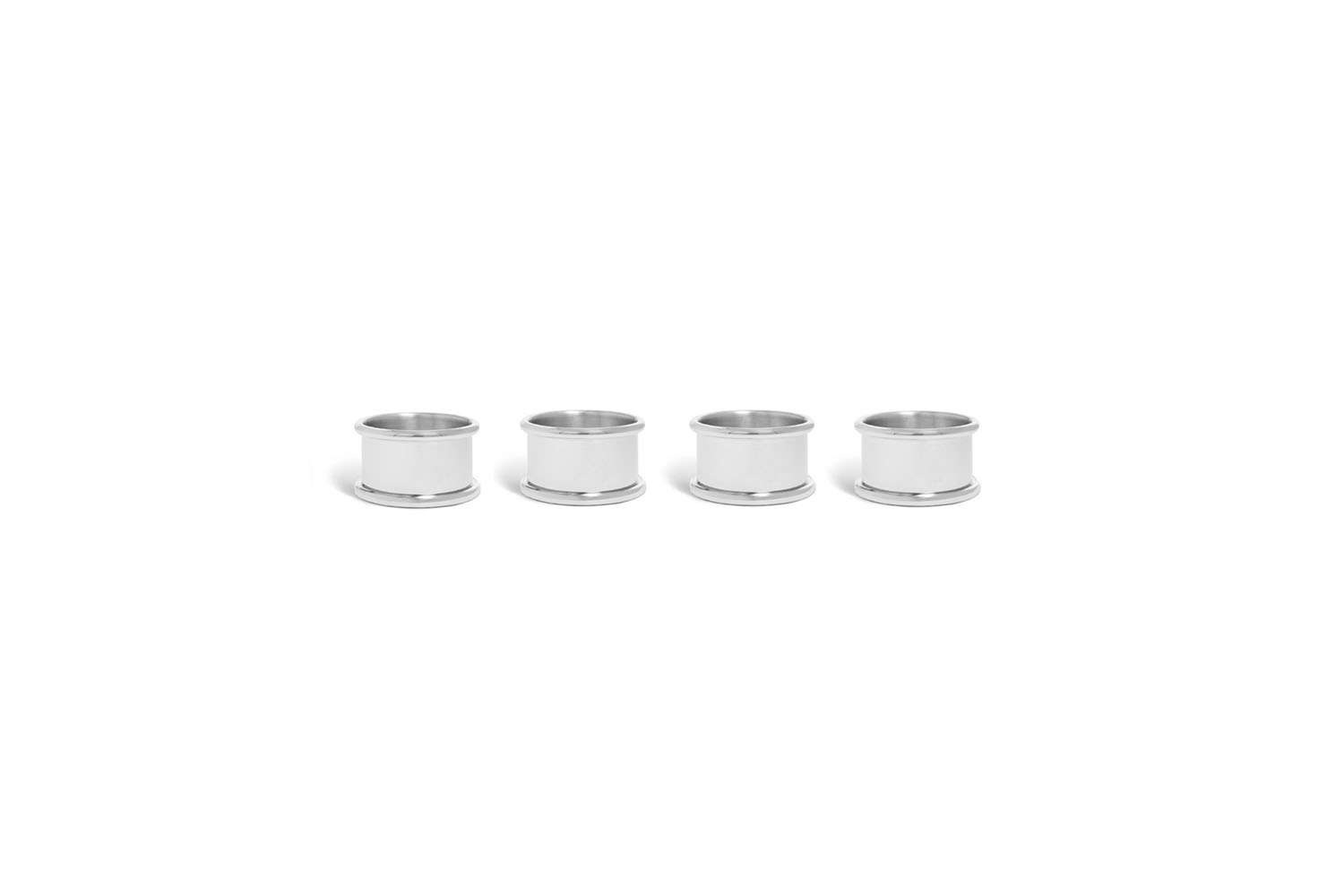
English pewter napkin rings are the kind of table accessory that quietly says, “Yes, I know where the salad fork goes,” even if the host is still Googling it from the kitchen. Elegant, durable, and wonderfully old-world without feeling dusty, these small metal rings can turn a simple cloth napkin into a polished place setting. They are not loud. They do not demand applause. They simply sit there with a soft silvery glow, making dinner feel more intentional.
For anyone building a refined dining table, collecting traditional British tableware, or searching for a memorable wedding, anniversary, or housewarming gift, English pewter napkin rings offer a practical blend of beauty and history. They carry the charm of English craftsmanship, the warm finish of a classic tin-based alloy, and the versatility to work with farmhouse tables, formal dinnerware, holiday settings, and modern minimalist decor.
This guide explores what English pewter napkin rings are, why they remain popular, how to choose them, how to style them, and how to care for them so they can survive not only dinner parties, but also the occasional gravy incident.
What Are English Pewter Napkin Rings?
English pewter napkin rings are decorative rings made from pewter, a metal alloy traditionally associated with British and European tableware. Pewter is primarily made of tin, usually strengthened with metals such as antimony and copper. Modern pewter used for tableware is typically lead-free, which is an important distinction from some older pewter pieces that may have contained lead.
The “English” part often refers to where the piece is made, the design tradition behind it, or the style associated with British pewter craftsmanship. English pewter tableware commonly features polished, satin, hammered, engraved, or sculptural finishes. Napkin rings may be simple round bands, oval rings, animal-themed designs, floral motifs, monogrammed keepsakes, or highly detailed handmade pieces.
A Small Object with a Surprisingly Long Story
Napkin rings became popular in the 19th century, when household linens were not always washed after every meal. Families used individual rings to identify each person’s napkin between uses. Today, thank goodness, most people wash their napkins more often, and napkin rings are used mainly for decoration, presentation, and personal style.
Pewter has an even longer story. It was used for plates, tankards, spoons, candlesticks, and household items for centuries because it was more affordable than silver but still attractive and durable. English pewter in particular developed a reputation for practical elegance. It looked good on the table, felt substantial in the hand, and did not require the same level of polishing drama as silver. Silver is beautiful, of course, but it can behave like a high-maintenance dinner guest.
Why Choose English Pewter Napkin Rings?
There are many napkin ring materials available today: wood, ceramic, brass, glass, acrylic, rattan, stainless steel, resin, and even seasonal novelty designs shaped like tiny pumpkins. English pewter napkin rings stand out because they balance formality with warmth. They feel classic without looking stiff.
1. They Have a Timeless Look
Pewter has a soft silver-gray tone that pairs beautifully with white linen, cream cotton, deep navy napkins, forest green tablecloths, burgundy holiday decor, and natural wood tables. Unlike bright chrome or mirror-polished silver, pewter has a gentler glow. It looks refined but relaxed, like the table equivalent of a tailored blazer over a good T-shirt.
2. They Work for Formal and Casual Dining
One of the best things about English pewter napkin rings is their flexibility. A plain polished pewter ring can suit a formal dinner with porcelain plates and crystal glasses. A hammered pewter ring can look right at home on a rustic farmhouse table. Animal or botanical designs add charm to country-style entertaining, garden lunches, Thanksgiving tables, and cozy winter dinners.
3. Modern Pewter Is Usually Lead-Free
Modern pewter from reputable makers is generally lead-free and suitable for table use. This matters because antique and vintage pewter can be more complicated. Older pieces may contain lead, and collectors should treat unknown antique pewter as decorative unless its composition is verified. For new napkin rings, look for descriptions such as “lead-free pewter,” “food safe,” “nickel-free,” or “made from modern pewter.”
4. Pewter Does Not Tarnish Like Silver
Pewter can dull or develop a patina over time, but it does not tarnish in the same dramatic way as silver. That makes pewter napkin rings easier to live with. They still need cleaning, but they do not demand a full polishing ceremony every time you want to serve roast chicken.
5. They Make Thoughtful Gifts
English pewter napkin rings are excellent gifts because they are personal, useful, and collectible. A set of four or six works well for weddings, anniversaries, housewarmings, Mother’s Day, Christmas, or milestone birthdays. Monogrammed pewter napkin rings feel especially meaningful because they combine function with heirloom potential.
Popular Styles of English Pewter Napkin Rings
English pewter napkin rings come in many styles, from restrained and minimal to whimsical and highly detailed. Choosing the right one depends on the mood of the table and the personality of the owner.
Classic Polished Pewter Rings
Polished pewter rings have a clean, reflective finish that works well with traditional dinnerware. They are ideal for people who like simple elegance and do not want the table to look too busy. These are the little black dress of napkin rings: reliable, flattering, and appropriate almost everywhere.
Hammered Pewter Napkin Rings
Hammered pewter has a textured surface that catches light beautifully. It feels handcrafted and slightly rustic while still looking refined. This style pairs well with linen napkins, stoneware plates, wooden chargers, and warm candlelight.
Engraved or Monogrammed Napkin Rings
Engraved English pewter napkin rings are popular as keepsakes. Names, initials, dates, family crests, or short messages can turn a simple ring into a personal heirloom. For weddings, a set engraved with the couple’s initials and wedding date can be both beautiful and practical.
Animal and Countryside Designs
Many English pewter designs draw inspiration from the British countryside. Foxes, hares, ducks, wrens, hounds, horses, sheep, and other animals appear on handcrafted napkin rings. These designs are ideal for country homes, cottage interiors, equestrian families, hunting-lodge aesthetics, or anyone who believes dinner is better when a tiny pewter duck is supervising the napkin.
Botanical and Floral Motifs
Leaves, acorns, roses, thistles, vines, and garden-inspired patterns are also common. Botanical pewter napkin rings are especially attractive for spring brunches, Easter tables, garden parties, and fall dinners. They bring texture without overwhelming the rest of the setting.
How to Choose Quality English Pewter Napkin Rings
Not all pewter napkin rings are equal. Some are handmade from solid pewter, while others may be pewter-finished, plated, or made from mixed metals. A good product description should be clear about the material and origin.
Look for Lead-Free Pewter
For modern tableware, lead-free pewter is the standard to look for. Even though napkin rings do not usually touch food directly, choosing lead-free pewter is still the safer and more desirable option, especially for households that use them regularly or give them as gifts.
Check Whether the Ring Is Solid or Plated
Solid pewter has long-lasting appeal because the finish is part of the material itself. Plated pieces may look attractive at first, but the surface can wear, chip, or flake over time. If longevity matters, solid English pewter napkin rings are usually the better investment.
Consider Weight and Balance
A good pewter napkin ring should feel substantial but not awkward. It should hold the napkin neatly without crushing the fabric. Lightweight rings may slide around, while overly heavy designs can feel clunky on delicate linens.
Study the Finish
Pewter finishes vary. Polished pewter looks brighter and more reflective. Satin pewter has a softer, brushed appearance. Oxidized or antiqued pewter highlights details in carved or sculptural designs. Hammered pewter adds texture and movement. Choose a finish that suits your tableware and cleaning preferences.
Buy the Right Set Size
Sets of four are practical for everyday family meals or small apartments. Sets of six suit most dinner parties. Sets of eight or twelve are best for frequent hosts, holiday meals, and larger families. If you are starting a collection, buy extra pieces when possible because matching the exact design later can be tricky.
How to Style English Pewter Napkin Rings
Styling pewter napkin rings is easy because pewter behaves like a neutral metal. It complements cool, warm, dark, and natural color palettes.
For a Classic Formal Table
Pair polished pewter napkin rings with white linen napkins, white or ivory plates, silver flatware, and clear glassware. Add taper candles and a low floral arrangement. The result feels elegant without becoming stiff or museum-like.
For a Rustic Farmhouse Table
Use hammered pewter rings with oatmeal, flax, or charcoal linen napkins. Add wooden chargers, stoneware plates, wildflowers, and simple glass tumblers. This look works beautifully for Sunday lunch, Thanksgiving, or a cozy winter gathering.
For a Holiday Table
Pewter pairs especially well with evergreen branches, cranberry tones, plaid napkins, gold accents, and candlelight. English pewter napkin rings can make a Christmas table feel festive without relying on glitter, which is important because glitter has a way of surviving until July.
For a Country-Inspired Setting
Animal-themed pewter napkin rings are perfect with checked linens, floral china, pewter candlesticks, and fresh herbs. A hare, fox, duck, or bird detail adds personality and gives guests something to admire before the first course arrives.
For Modern Minimalist Dining
Choose smooth oval or round pewter rings with black, white, or slate-gray napkins. Use matte plates and simple flatware. The pewter adds softness to the modern setting and keeps the table from feeling too cold.
How to Care for English Pewter Napkin Rings
Pewter is easy to maintain, but it is still a soft metal. The goal is gentle cleaning, careful drying, and sensible storage.
Wash by Hand
Most pewter makers recommend hand washing with warm water and mild dish soap. Rinse thoroughly and dry immediately with a soft cloth. Avoid soaking pewter for long periods, especially if the piece has glued, decorative, or mixed-material details.
Avoid the Dishwasher
Dishwashers can expose pewter to harsh detergents, high heat, and mineral deposits. This can dull, discolor, or pit the surface. Even if a particular brand says its pewter can handle careful dishwasher use, hand washing is still the safer habit for napkin rings.
Use Soft Cloths Only
Because pewter is softer than stainless steel, avoid abrasive pads, metal brushes, and gritty cleaners. A microfiber cloth or soft cotton towel is best. For detailed designs, a soft toothbrush can help remove dust from small crevices.
Polish Occasionally
Polished pewter may be refreshed with a cleaner labeled safe for pewter. Satin or antiqued finishes should be treated more carefully because aggressive polishing can alter the intended look. When in doubt, clean gently and preserve the natural patina.
Store Properly
Store pewter napkin rings in a dry place, ideally separated by soft cloth, tissue, or individual pouches to prevent scratches. If you only use them during holidays, clean and dry them before storage so they emerge next season ready for duty.
Are Vintage Pewter Napkin Rings Worth Buying?
Vintage pewter napkin rings can be charming, affordable, and full of character. They may feature old monograms, unusual shapes, or patina that modern pieces cannot replicate. However, buyers should be thoughtful.
If the pewter is very old or unmarked, it may contain lead. Since napkin rings do not usually touch food, this may not be a major issue for purely decorative use, but homes with children should be careful. Avoid using unknown antique pewter for food or drink contact, and wash hands after handling questionable pieces. For regular table use, modern lead-free English pewter napkin rings are the safer choice.
When buying vintage, check for dents, deep scratches, splits, heavy corrosion, misshapen rings, or flaking finishes. A little patina can be beautiful; damage that makes the ring unstable or rough against fabric is less charming.
Best Occasions for English Pewter Napkin Rings
English pewter napkin rings are appropriate for many occasions because they dress up a table without making it feel fussy. Use them for Sunday dinners, birthday meals, Thanksgiving, Christmas, Easter, anniversary dinners, wedding receptions, formal brunches, or intimate gatherings with friends.
They are also useful for themed tables. A countryside animal set can fit a woodland dinner party. Monogrammed rings can elevate a wedding table. Hammered pewter can bring texture to a fall harvest setting. Plain pewter rings can support almost any tablescape because they do not compete with flowers, china patterns, or colorful napkins.
Experiences with English Pewter Napkin Rings: Small Details That Change the Table
The first time you use English pewter napkin rings, the change may seem subtle. You fold the napkins, slide them through the rings, place them on the plates, and suddenly the table looks finished. Not expensive, necessarily. Not theatrical. Just finished. It is the same feeling as putting a frame around a picture or adding a belt to an outfit. Nothing dramatic has happened, but everything looks more intentional.
One memorable experience with pewter napkin rings often happens during holiday hosting. Imagine a table set for Thanksgiving: linen napkins in warm ivory, simple white plates, roasted vegetables waiting in the kitchen, and pewter rings with a hammered finish catching the candlelight. Guests may not immediately say, “Ah, yes, excellent pewter.” More likely, they say, “The table looks beautiful.” That is the quiet power of this accessory. It supports the entire mood without shouting for attention.
Another common experience is realizing how well pewter works with imperfect, lived-in table settings. You do not need matching heirloom china or a magazine-worthy dining room. Pewter napkin rings can make mismatched plates look collected instead of chaotic. They can make plain cotton napkins look special. They can even rescue a table where the centerpiece is slightly off-center because someone, possibly the dog, bumped the runner.
For gift-giving, English pewter napkin rings often feel more personal than expected. A set engraved with initials can become part of a couple’s first home. A countryside animal set can delight someone who loves gardens, dogs, horses, or rural design. A vintage-inspired set can suit a person who enjoys antiques but does not want fragile pieces that require museum-level handling. Unlike many decorative gifts, napkin rings actually get used. They come out for family dinners, holiday meals, and special evenings when takeout is served on real plates because morale requires it.
Using pewter napkin rings also changes the way people think about cloth napkins. Paper napkins are convenient, but cloth napkins make meals feel slower and more generous. Add pewter rings, and the table gains ceremony. Not the uncomfortable kind of ceremony where everyone worries about using the wrong fork, but the pleasant kind that says, “This meal matters.” Even a simple pasta dinner feels warmer when the table has texture, metal, fabric, and a little care.
There is also pleasure in the maintenance ritual. Pewter does not need constant polishing, but wiping each ring with a soft cloth after dinner can become part of closing the evening. It is a tiny act of stewardship. You are not just cleaning tableware; you are preserving something meant to be used again. Over time, the rings may develop a gentle patina, and that patina becomes part of the story. The best English pewter napkin rings do not simply decorate a table. They collect memories one dinner at a time.
Final Thoughts on English Pewter Napkin Rings
English pewter napkin rings prove that small table details can make a big difference. They combine history, craftsmanship, practicality, and style in one compact piece of tableware. Whether you choose polished rings for formal dinners, hammered rings for rustic gatherings, engraved rings for keepsakes, or animal designs for countryside charm, pewter brings warmth and quiet sophistication to the table.
The best choice is modern, lead-free, well-made pewter that suits your personal style and dining habits. Treat it gently, wash it by hand, store it carefully, and it can last for years. Maybe even long enough for future generations to wonder why your dinner table always looked so pulled together. You do not have to tell them it started with napkin rings.
Note: This article is based on synthesized information from reputable references on pewter composition, modern lead-free tableware, pewter care, dining etiquette, and table styling practices.