Few grocery-store decisions inspire as much seafood soul-searching as choosing between wild salmon and farmed salmon. One package promises a rugged fish that swam through icy rivers and open ocean. The other offers a plump, ap>Both choices can be nutritious. Both provide high-quality protein, beneficial omega-3 fatty acids, vitamin B12, selenium, and other valuable nutrients. Yet they differ in fat content, flavor, price, environmental impact, and production methods. The better salmon therefore depends on what “better” means to you.
Is your priority fewer calories? Wild salmon may win. Maximum omega-3 content? Some farmed salmon has the advantage. A bold, firm texture? Wild sockeye deserves a look. Reliable availability and a forgiving cooking experience? Farmed Atlantic salmon is difficult to beat.
Let us put these two fish in the culinary ringno boxing gloves requiredand determine which salmon belongs on your plate.
Wild Salmon vs. Farmed Salmon: The Quick Verdict
Wild salmon is generally leaner, firmer, and more intensely flavored. Farmed salmon usually contains more total fat, giving it a softer texture and richer taste. Because omega-3 fatty acids are part of that fat, farmed Atlantic salmon may contain as much or more EPA and DHA per serving than certain wild species.
Wild salmon often gets the nutritional edge for people who want fewer calories and less saturated fat. Farmed salmon may be the practical winner for shoppers seeking affordability, consistent quality, and year-round availability.
Environmentally, neither label guarantees perfection. A responsibly managed wild fishery can be an excellent choice, while a poorly managed fishery may face habitat or population pressures. Likewise, a certified farm can control feed, disease, waste, and escapes more effectively than an operation with weak oversight.
| Category | Wild Salmon | Farmed Salmon |
|---|---|---|
| Calories | Usually lower | Usually higher |
| Total fat | Leaner | Higher |
| Omega-3 fats | Excellent source | Excellent; sometimes higher per serving |
| Flavor | Stronger and more distinctive | Mild, rich, and buttery |
| Texture | Firm and meaty | Soft and moist |
| Price | Usually more expensive | Usually more affordable |
| Availability | Seasonal when fresh | Available year-round |
| Sustainability | Depends on fishery and stock | Depends on farming system and certification |
What Do “Wild” and “Farmed” Actually Mean?
Wild salmon
Wild salmon grows in natural rivers, lakes, and oceans, feeding on organisms found in its environment. Most wild salmon sold in the United States comes from Pacific species such as sockeye, coho, Chinook, pink, and chum salmon.
These species are not interchangeable. Chinook, also called king salmon, is naturally fatty and rich. Sockeye is leaner, darker red, and more assertive. Coho falls somewhere in the middle, while pink and chum salmon are common in canned, frozen, and value-priced products.
Wild Atlantic salmon is protected in the United States, and commercial fishing for it is prohibited. Therefore, an Atlantic salmon fillet in an American supermarket is almost certainly farm-raised.
Farmed salmon
Farmed salmon is raised under controlled conditions, commonly in coastal net pens or, less frequently, land-based tanks. Producers manage the fish’s feed, growth, health, and harvesting schedule.
Atlantic salmon is the dominant farmed species because it grows efficiently and adapts well to aquaculture. Its diet typically contains fish-derived ingredients, plant proteins, oils, vitamins, minerals, and carotenoids.
That last ingredient deserves clarification. Wild salmon gets its pink or red color from astaxanthin in the food chain, including krill and other small marine organisms. Farmed salmon receives natural or synthetic astaxanthin in its feed. Calling this process “dyeing the fish” makes for dramatic social-media content, but it is not an accurate description.
The Nutrition Showdown
Protein: Essentially a draw
Both wild and farmed salmon provide complete protein containing all nine essential amino acids. A standard serving generally delivers roughly 20 grams or more, depending on the species, portion size, and cooking method.
That protein supports muscle maintenance, tissue repair, immune function, and satiety. In practical terms, either salmon can anchor a satisfying meal without bringing along the saturated-fat load found in many heavily marbled meats.
Calories and fat: Wild salmon is usually leaner
A farmed Atlantic salmon fillet tends to contain more calories because it carries more fat. Wild salmon must migrate, hunt, avoid predators, and generally conduct a full aquatic fitness program. Farmed fish have a controlled food supply and expend less energy searching for dinner.
The extra fat is not automatically bad. Much of it is unsaturated, and it helps keep farmed salmon moist during cooking. However, farmed salmon usually contains more saturated fat as well. People closely managing calorie or saturated-fat intake may prefer lean wild sockeye, coho, pink, or chum salmon.
Omega-3 fatty acids: Both are strong performers
Salmon is celebrated for EPA and DHA, the long-chain omega-3 fatty acids associated with cardiovascular health and normal brain and eye function. Health organizations commonly recommend eating fatty fish regularly as part of a balanced diet.
The assumption that wild salmon always contains more omega-3 fat is incorrect. Farmed Atlantic salmon can provide more EPA and DHA per serving because it contains more total fat. However, omega-3 levels vary with feed composition, farming practices, species, season, and cooking method.
Wild salmon still provides substantial omega-3s, particularly naturally fattier species such as Chinook. The most useful takeaway is not that one type possesses magical fish powers. It is that both can make a meaningful contribution to omega-3 intake.
Vitamins and minerals: Differences depend on the species
Both options provide vitamin B12, selenium, phosphorus, potassium, and several B vitamins. Salmon may also supply vitamin D, although the amount varies considerably.
Wild salmon may contain more of certain minerals, while farmed salmon can provide higher amounts of other nutrients because its feed is formulated and supplemented. Comparing “wild” with “farmed” as two uniform products is therefore misleading. A wild pink salmon and a wild Chinook can differ almost as much as a wild fish and a farmed Atlantic fillet.
What About Mercury, PCBs, and Other Contaminants?
Salmon is considered a low-mercury seafood choice. That makes it suitable for many people who need to be especially selective about fish, including pregnant or breastfeeding individuals and young children, provided appropriate portions and current medical guidance are followed.
Concerns about farmed salmon have often focused on polychlorinated biphenyls, or PCBs, and related environmental contaminants. Some older research detected higher levels in certain farmed salmon, largely because contaminants accumulated in fish-based feed ingredients.
Feed formulations have changed over time, and contaminant levels vary by producer, country, feed source, and production system. Public-health guidance indicates that both wild and farmed salmon generally contain low levels of mercury and other tested contaminants. The known nutritional benefits of eating salmon are unlikely to be outweighed by these low exposures for most consumers eating normal portions.
Anyone relying heavily on one specific salmon product should still vary seafood choices. Dietary variety reduces repeated exposure to any single contaminant and prevents dinner from becoming a never-ending rerun.
Environmental Impact: The Complicated Round
The sustainability case for wild salmon
Responsibly managed wild salmon fisheries can maintain breeding populations, protect future harvests, and support fishing communities. Many U.S. Pacific salmon fisheries operate under science-based catch limits, monitoring programs, and habitat protections.
Wild salmon also avoids several concerns associated with open-water aquaculture, including concentrated waste, sea-lice outbreaks, antibiotic use, and escaped farm fish interacting with wild populations.
However, wild does not automatically mean impact-free. Salmon populations can be affected by dams, damaged spawning habitat, warming water, drought, pollution, changing ocean conditions, and poorly controlled harvests. Some salmon runs are abundant, while others are threatened or endangered.
Fishing methods may also produce bycatch or consume fuel. Sustainability must be evaluated by species, location, fishing gear, and current stock statusnot by a romantic illustration of a mountain stream on the package.
The sustainability case for farmed salmon
Aquaculture provides a predictable seafood supply without directly harvesting additional adult wild salmon. Efficient farming can produce substantial protein using less land than many forms of livestock production.
The industry has also improved feed efficiency. Modern salmon feed generally uses a broader range of ingredients than older formulas, reducing reliance on large quantities of wild fish meal and fish oil. Some producers incorporate trimmings from existing fisheries, algae-derived oils, plant proteins, and other alternatives.
Nevertheless, open-net pens can create legitimate environmental problems. Waste may accumulate beneath farms, sea lice and disease can spread, chemicals may enter surrounding water, and escaped Atlantic salmon may compete or interact with wild fish.
Performance varies sharply among regions and companies. Certified operations, well-managed sites, lower stocking densities, effective disease controls, and closed or land-based systems can reduce many of these risks. Check the country of origin and look for credible third-party certification rather than treating all farmed salmon as one giant underwater conspiracy.
Taste and Texture: Which Salmon Is More Delicious?
This category is subjective, which is the polite culinary way of saying families have started arguments over less.
Wild salmon generally has a firmer texture and a more pronounced mineral or ocean flavor. Sockeye is especially bold, with deep red flesh and a lean structure. Chinook is richer and softer because it naturally stores more fat.
Farmed Atlantic salmon is mild, fatty, and buttery. Its higher fat content makes it forgiving on the grill or in the oven. It remains moist even if the cook becomes distracted by a text message, a barking dog, or an urgent investigation into who finished the olive oil.
People new to seafood may find farmed salmon more approachable. Enthusiasts seeking a distinctive taste and firmer bite may prefer wild salmon.
Price, Availability, and Convenience
Farmed salmon is typically less expensive because producers can plan harvests, maintain steady supply, and deliver fillets throughout the year. The size, color, and fat content also tend to be consistent, which restaurants and retailers appreciate.
Fresh wild salmon is seasonal and may command a premium, especially for Chinook and sockeye. Frozen wild salmon is available year-round and can be excellent quality because fish may be frozen soon after harvesting.
Canned wild pink or sockeye salmon offers another affordable option. It provides protein and omega-3s, stores for months, and works in salmon cakes, salads, sandwiches, pasta, and grain bowls. It may not look glamorous beside a thick center-cut fillet, but neither does a fire extinguisher, and both are extremely useful.
How to Buy Better Salmon
Read beyond the front label
Look for the species, harvest method, country or region of origin, and whether the fish was previously frozen. “Natural,” “premium,” and “ocean fresh” are attractive marketing phrases, but they reveal little about environmental performance or nutrition.
Use credible seafood guides
Independent seafood-rating programs evaluate fisheries and farms using details such as stock health, bycatch, feed, habitat effects, chemical use, disease, and escape risk. Recommendations may differ between two farms in the same country, so specific sourcing information matters.
Consider certification
Recognized wild-fishery and aquaculture certifications can help shoppers identify products meeting defined environmental and management standards. Certification is not a flawless halo, but it provides more information than a cartoon fisherman wearing a trustworthy raincoat.
Inspect freshness
Fresh salmon should smell mild rather than sour, ammonia-like, or aggressively fishy. The flesh should appear moist and firm, without dried edges or extensive discoloration. Frozen packaging should be intact and free from excessive ice crystals that may indicate thawing and refreezing.
Do not fear frozen salmon
Properly frozen fish can be as nutritious as fresh fish and may retain excellent flavor. In inland areas, a carefully handled frozen fillet may be fresher in practical terms than a “fresh” fillet that has spent several days traveling and waiting behind a seafood counter.
Which Type Is Best for Different Shoppers?
Choose wild salmon when:
- You prefer a leaner fish with fewer calories.
- You enjoy a firm texture and pronounced salmon flavor.
- You can identify a responsibly managed fishery.
- You are willing to pay more for seasonal species such as sockeye or Chinook.
- You want affordable canned pink or sockeye salmon for pantry meals.
Choose farmed salmon when:
- You want a rich, moist fillet that is easy to cook.
- You need a lower-priced option available throughout the year.
- You prefer a mild flavor.
- You want a generous amount of omega-3 fat per serving.
- You can verify responsible sourcing or aquaculture certification.
A Practical Salmon Experience: What a Side-by-Side Kitchen Test Reveals
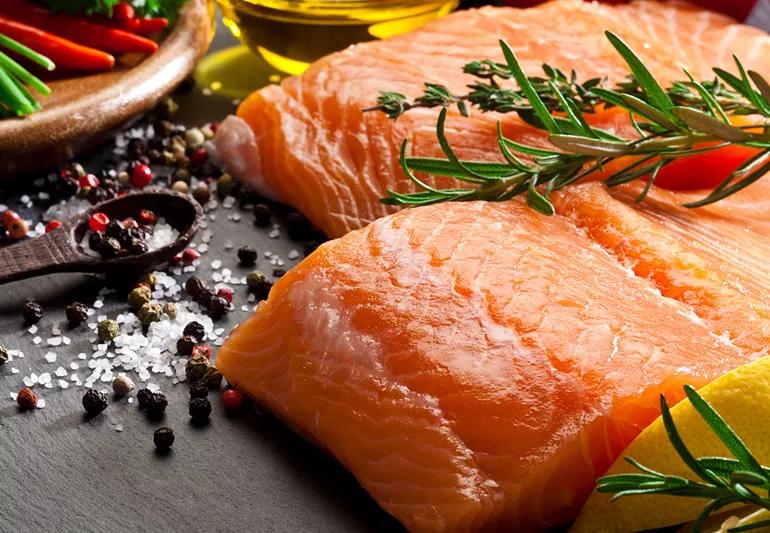
Imagine bringing home two center-cut fillets of similar weight: one wild sockeye and one farmed Atlantic salmon. At first glance, the differences are obvious. The sockeye is a darker, almost ruby red. It is thinner, firmer, and relatively lean. The farmed Atlantic fillet is thicker and pale orange, with visible white lines of fat running through the flesh.
During preparation, the wild fillet feels dense and compact. The farmed fillet bends more easily and may leave a slight oily sheen on the cutting board. Both need little more than salt, pepper, and a modest amount of oil, although the wild salmon benefits from additional moisture or a protective glaze.
Place both in a hot oven, and the farmed salmon begins releasing more visible fat. White albumin may appear on the surface of either fillet, particularly if it cooks too quickly. This harmless protein is not a sign that the fish has spoiled; it is mainly a sign that dinner is becoming more done than intended.
The sockeye reaches its ideal temperature sooner because it is thinner and leaner. Leave it in the oven as long as the farmed salmon and it can become dry. Timing is therefore the first major lesson: wild salmon usually rewards attention, while farmed salmon provides a larger margin for error.
At the table, the wild salmon flakes into firm sections and offers a direct, recognizable salmon flavor. It works beautifully with acidic or fresh accompaniments such as lemon, mustard, dill, cucumber, herbs, or a tart berry sauce. Heavy cream sauces can overwhelm it.
The farmed fillet feels softer and richer. Its mild flavor welcomes soy glaze, teriyaki, barbecue seasoning, curry, maple mustard, or spicy chili sauce. Because the flesh contains more fat, it remains succulent after reheating and performs especially well in rice bowls or next-day salads.
Leftovers reveal another practical difference. Chilled wild sockeye stays firm and can be broken into clean flakes. It is excellent in a salad with greens, potatoes, or whole grains. Farmed salmon remains softer and richer, making it ideal for salmon cakes, creamy pasta, scrambled eggs, or toast.
The shopping experience matters too. Wild sockeye may cost noticeably more per pound, especially during periods of limited supply. Farmed Atlantic salmon is commonly available in larger, evenly shaped portions, making it convenient when cooking for several people.
A second test using frozen wild salmon often challenges assumptions about “freshness.” When thawed slowly in the refrigerator and dried before cooking, a good frozen fillet can produce clean flavor and excellent texture. It may outperform a fresh-counter fillet that has spent too long on display.
The broad lesson from this kitchen comparison is that neither salmon wins every category. Wild sockeye delivers character, firmness, and lean nutrition. Farmed Atlantic salmon provides richness, consistency, and ease. The smartest purchase depends on the recipe, budget, source, and diners at the table.
For a dinner party featuring an elegant herb crust and bright seasonal vegetables, wild salmon may create the more memorable plate. For weeknight tacos, meal-prep bowls, or a large family dinner, responsibly farmed salmon may offer better value and less risk of accidental dryness.
Final Verdict: Is Wild or Farmed Salmon Better?
Wild salmon earns points for its lean nutritional profile, firm texture, distinctive flavor, and connection to well-managed natural fisheries. Farmed salmon counters with abundant omega-3s, affordability, steady availability, and a rich texture that makes cooking easier.
For nutrition alone, wild salmon may have a slight advantage when reducing calories and saturated fat is the priority. That does not make farmed salmon unhealthy. A responsibly sourced farmed fillet remains a nutrient-dense food and is generally a better everyday protein choice than many highly processed or saturated-fat-heavy alternatives.
For sustainability, investigate the source rather than judging by a single label. Choose wild salmon from healthy, carefully managed fisheries or farmed salmon from producers with credible environmental standards. Rotate species, compare certifications, and consider frozen or canned options.
The true winner of the wild salmon versus farmed salmon faceoff is the informed shopper. Select a trustworthy product, cook it gently, serve it with vegetables and whole grains, and enjoy it regularly. The salmon does not need to win an ideological debate. It only needs to become a delicious dinner.
Note: Nutrient values and environmental performance vary by salmon species, feed, harvest location, production method, season, and serving size. People with allergies, medical conditions, or specialized dietary needs should follow guidance from a qualified healthcare professional.