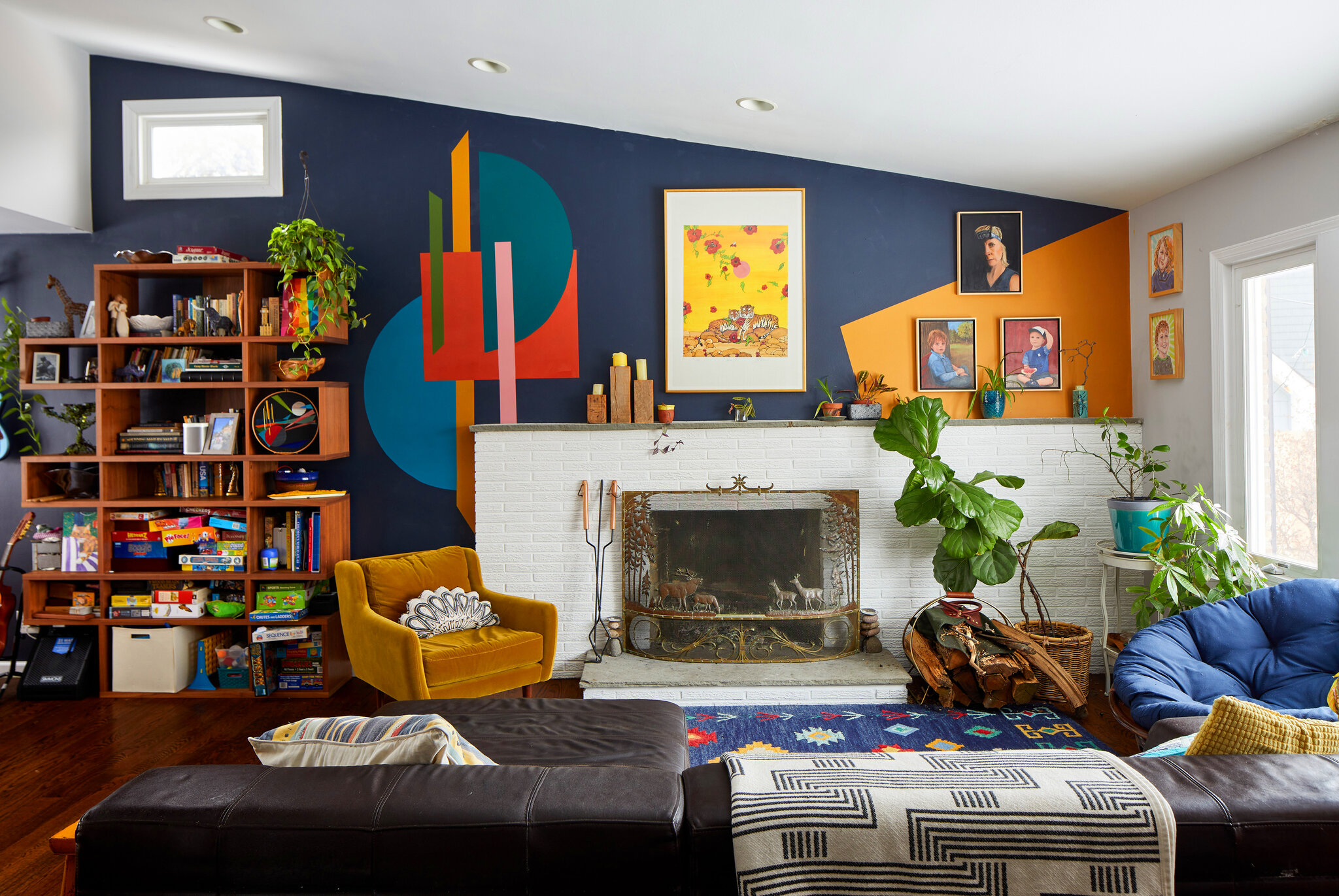
Transforming a living space used to mean flipping through glossy print magazines, carrying heavy fabric swatches from store to store, and crossing your fingers that a sofa would actually fit through the front door. Today, the world of home decoration has undergone a digital revolution, bridging the gap between imaginative interior design and cutting-edge technology. Whether you are moving into your first American suburban home or updating a compact city apartment, styling your environment is no longer restricted to physical guesswork.
Instead, modern homeowners and renters alike are turning to virtual style guides, immersive 3D planners, and interactive software to craft spaces that truly reflect their personalities. Just as players might meticulously design a digital space using an advanced avatar maker to establish a unique online persona, today’s design enthusiasts use similar custom workflows to curate real-world domestic aesthetics. In this guide, you will learn how to leverage digital tools, augmented reality, and virtual style guides to plan, visualize, and execute your dream interior design project with absolute confidence.
2. Utilizing Cutting-Edge Digital Tools for Home Decoration Planning
2.1 Leveraging Augmented and Virtual Reality for Spatial Visualization
Gone are the days of relying solely on flat mood boards and tape measures to picture a newly decorated room. Today, technology bridges the gap between imagination and reality, making home decoration far more precise. By using augmented reality furniture placement apps right on your smartphone or tablet, you can project true-to-scale 3D models of couches, tables, and accent chairs directly onto your hardwood floors. This instant spatial awareness helps prevent costly sizing errors before you ever click “purchase.”
For more ambitious layout overhauls, immersive VR headsets take spatial visualization a step further. Instead of guessing how a specific floor plan will feel, you can literally step inside a digital twin of your room. This 3D digital twin technology maps out every architectural nuance—from window placements to ceiling heights—allowing you to test radical design shifts and lighting changes in real time.
2.2 Workflow Strategies for Virtual Room Design and Sourcing
Streamlining your home decoration project requires a solid workflow, starting with an accurate digital floor plan. Most free and premium online mapping software programs make it simple to input your room’s exact dimensions, dragging and dropping architectural elements into place. Once your space is mapped out, you can curate professional-grade mood boards and dynamic color palettes to establish a cohesive visual theme. If you prefer a hands-off approach, you can easily share these digital assets with e-designers and virtual stylists who specialize in remote room makeovers.
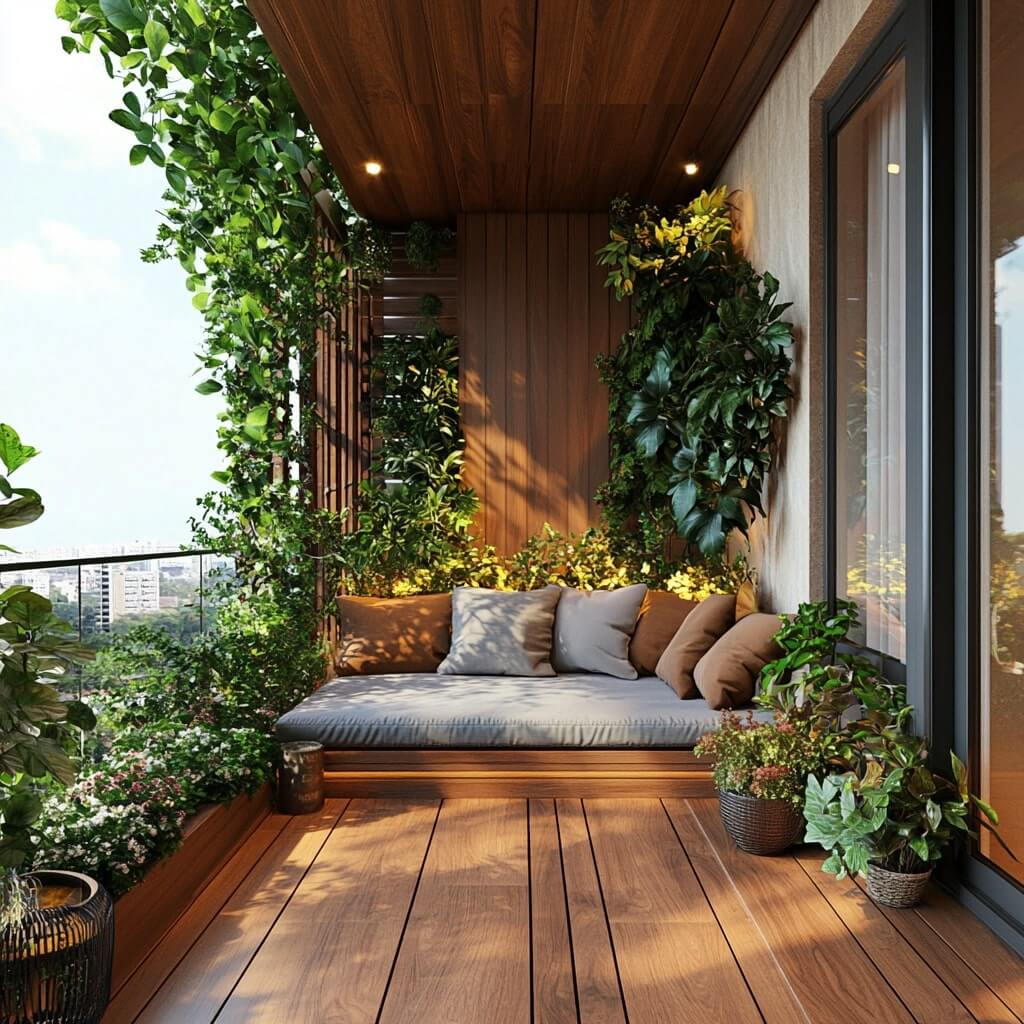
When it is time to source materials, the digital landscape opens up endless possibilities. You can effortlessly browse direct-to-consumer marketplaces and circular second-hand platforms to find unique statement pieces. For outdoor living spaces, you can find great inspiration and practical guidance by checking out tips on how to upgrade your outdoor space while sticking to your budget without sacrificing style or functionality.
2.3 Enhancing Efficiency with Artificial Intelligence and Smart Upgrades
Artificial intelligence has fundamentally changed how we approach interior styling. Modern AI interior design generators can take a quick photo of your empty room and instantly spit out dozens of layout variations tailored to your specific taste. Beyond static decor, modern home decoration heavily incorporates smart Internet of Things (IoT) upgrades. Automated lighting systems, motorized window blinds, and smart climate controls seamlessly integrate into your visual layout, blending high-tech convenience with sleek aesthetic appeal.
Finally, technology empowers homeowners to tackle hands-on projects with absolute confidence. Scaling your DIY capabilities is easier than ever thanks to interactive online workshops and step-by-step video tutorials. Whether you are learning how to build custom wall shelving or refinishing an antique coffee table, digital learning resources ensure your home decoration projects turn out polished and professional.
The landscape of home decoration has fundamentally shifted, blending tangible interior design with immersive digital innovation. What once relied entirely on static physical blueprints and guesswork has transformed into a dynamic process powered by augmented reality, artificial intelligence, and virtual spatial tools. Whether you are refining an entire floor plan or looking for fresh inspiration like checking out Amazon’s Having a Sale on Outdoor Furniture and Decor, technology now empowers you to experiment with confidence before spending a single dollar in the real world.
Ultimately, embracing these digital trends and virtual style guides does not mean losing the personal touch that makes a house feel like home. Instead, it bridges the gap between imagination and execution, helping you avoid costly mistakes and streamline your creative workflow. By leveraging these modern resources, you can craft spaces that are not only visually stunning and deeply personal, but also seamlessly optimized for the future of tech-integrated living.