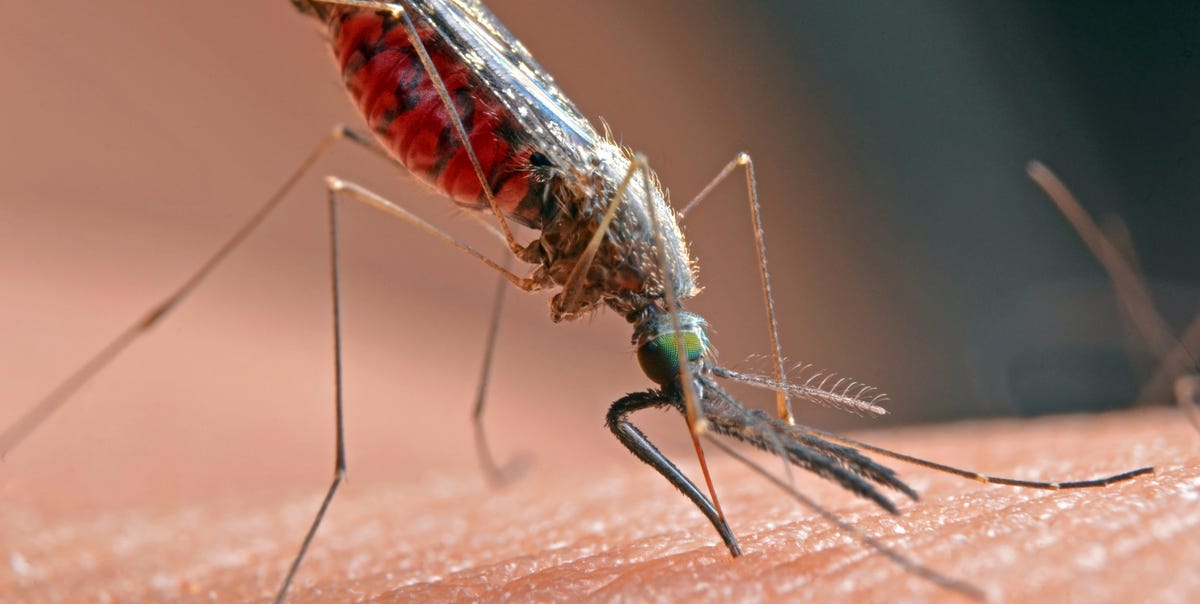
Mosquitoes can turn a pleasant backyard into an all-you-can-eat buffet where, unfortunately, you are the entrée. Besides leaving itchy welts, certain mosquito species can transmit illnesses such as West Nile virus, dengue, and Zika. Effective mosquito control is therefore about more than protecting your ankles during a cookout.
The smartest approach is not to spray everything with wings. It is to interrupt the mosquito life cycle, eliminate breeding sites, protect gathering areas, and use pesticides only where they can make a meaningful difference. These eight mosquito-control tips combine practical yard maintenance with targeted treatment.
Why Mosquito Control Must Start With the Life Cycle
Mosquitoes develop through four stages: egg, larva, pupa, and adult. The larval and pupal stages occur in water, which gives homeowners an important advantage. Removing or treating water can stop an entire batch of mosquitoes before the adults develop wings and begin looking for dinner.
Some container-breeding mosquitoes can mature from egg to adult remarkably quickly during warm weather. Others use storm drains, neglected pools, ditches, and larger bodies of stagnant water. Because different species have different habits, no single candle, trap, spray, or gadget can provide complete mosquito control.
An integrated strategy works best: remove breeding sites first, manage unavoidable water, reduce resting habitat, block bites, and reserve adult mosquito treatments for specific problems.
8 Ways to Kill and Control Mosquitoes in Your Yard
1. Empty Standing Water Every Week
The most productive mosquito-control tool may already be in your garage: a bucket you can use to empty other buckets. Once a weekand after substantial rainwalk around the property looking for anything holding water.
Common mosquito breeding sites include:
- Flowerpot saucers and watering cans
- Children’s toys and kiddie pools
- Wheelbarrows, tarps, and folded patio covers
- Trash-can lids and recycling containers
- Old tires, buckets, and unused planters
- Grill covers, clogged drains, and pet bowls
- Hollow fence posts, tree holes, and lawn equipment
Dumping the water is only part of the job. Scrub the inside surfaces of reusable containers because some mosquitoes attach eggs just above the waterline. Those eggs may survive after the container looks dry and hatch when water returns. Turn empty containers upside down or store them under cover so the next storm does not refill them.
2. Maintain Gutters, Pools, Birdbaths, and Rain Barrels
Some water features cannot simply be thrown away, but they can be managed. Clean leaves and debris from gutters so rainwater drains freely. Correct low spots in corrugated downspout extensions, and make sure splash blocks do not create muddy puddles beside the foundation.
Change and scrub birdbath water at least weekly. Keep swimming pools properly filtered, circulated, and chlorinated, including during vacations. Drain portable pools when they are not being used, and tighten covers so they do not sag into water-filled pockets.
Rain barrels should have secure lids and fine mesh over every opening, including the overflow outlet. Repair torn screens immediately; a gap that looks laughably small to you may resemble a grand entrance to a mosquito.
For decorative ponds, keep pumps operating and remove accumulated organic debris. Fish may eat some larvae, but they should be appropriate for the pond and local ecosystem. Never release nonnative fish into natural waterways.
3. Treat Water That Cannot Be Drained
If standing water cannot be emptied, covered, or circulated, an EPA-registered larvicide may prevent mosquito larvae from becoming biting adults. Larvicides are sold as dunks, tablets, granules, pellets, briquettes, and liquids.
Products containing Bacillus thuringiensis israelensis, commonly called Bti, are frequently used in rain barrels, pond edges, pool-cover pockets, and other labeled sites. Mosquito larvae ingest Bti, which disrupts their digestive systems. Methoprene-based products work differently by interfering with mosquito development.
Choose a product specifically labeled for the location and water type. Follow the stated dose, replacement interval, storage directions, and restrictions. More product is not automatically more effective; it is merely more product.
Do not place a larvicide in drinking water or any container unless the label expressly allows that use. Water connected to streams, wetlands, fish habitat, livestock, or irrigation may have additional restrictions. When the situation is unclear, contact a local extension office, health department, or mosquito-control district.
4. Reduce Damp, Shady Resting Areas
Adult mosquitoes often rest in cool, humid, protected locations during the day. Dense shrubs, tall weeds, brush piles, overgrown groundcovers, and vegetation beneath decks can provide miniature mosquito lounges.
Prune crowded shrubs to improve airflow, remove unnecessary brush, mow excessively tall grass, and rake up thick accumulations of wet leaves. Avoid overwatering the lawn and repair leaking hoses, outdoor faucets, and irrigation equipment. Improve drainage where puddles remain for days after rainfall.
This does not mean converting the yard into a concrete parking lot. Healthy landscaping supports pollinators, birds, and other wildlife. The goal is to eliminate persistently soggy, neglected pockets near patios, doors, play areas, and walkways while keeping useful habitat elsewhere.
5. Use Outdoor Fans Around Seating Areas
A fan does not kill mosquito larvae or solve a neighborhood-wide infestation, but it can make a patio considerably more comfortable. Mosquitoes are relatively weak fliers, and steady airflow makes it harder for them to land. Moving air also disperses carbon dioxide and body odors that help mosquitoes locate people.
Position a box, pedestal, or oscillating fan so air moves across the lower body, where many mosquitoes tend to attack. For a dining table, two smaller fans may produce better coverage than one fan pointed exclusively at Uncle Mike.
Use outdoor-rated equipment, protect electrical connections from moisture, and place cords where guests cannot trip over them. Fans provide immediate bite reduction, but they should complement water management rather than replace it.
6. Apply Adult Mosquito Control Carefully
Adulticides are pesticides designed to kill flying or resting adult mosquitoes. Home products may be labeled for targeted use on shaded vegetation, beneath decks, under patio furniture, along fences, or in other mosquito resting areas.
Before applying an adulticide, confirm that the product is EPA-registered and specifically labeled for outdoor mosquito control. Read the entire label, wear any required protective equipment, and follow directions concerning wind, temperature, reentry time, pets, toys, food, water, and application frequency.
Avoid spraying blooming plants or treating while bees and other pollinators are actively foraging. Do not spray directly into ponds, drains, vegetable gardens, or neighboring properties unless the label permits that application. Keep people and pets away during treatment and for the period specified on the label.
Broad, routine spraying can kill beneficial insects without addressing the water producing new mosquitoes. Automatic misting systems also create repeated opportunities for human, pet, and environmental exposure, and their effectiveness has not been established for preventing mosquito-borne disease. Targeted treatment or help from a licensed professional is generally a more sensible option.
7. Protect People While the Yard Plan Takes Effect
Even excellent backyard mosquito control cannot create an invisible force field. Mosquitoes can fly in from nearby properties, drainage systems, wooded areas, and wetlands. Personal protection remains important, especially when local mosquito activity or disease risk is elevated.
Use an EPA-registered insect repellent containing an established active ingredient such as DEET, picaridin, IR3535, oil of lemon eucalyptus, para-menthane-diol, or 2-undecanone. Apply and reapply it according to the label. Oil of lemon eucalyptus and para-menthane-diol products should not be used on children younger than three.
Wear long sleeves, pants, and socks when practical. Repair window and door screens, close gaps around exterior doors, and cover strollers or infant carriers with mosquito netting. Remember that mosquitoes do not all follow the same schedule: some bite mainly around dawn and dusk, while others are enthusiastic daytime offenders.
8. Coordinate With Neighbors and Local Mosquito Programs
Your yard does not have diplomatic control over the airspace above the fence. A neglected birdbath or clogged drain next door can continually supply new mosquitoes. Share a friendly weekly water-removal checklist with neighbors, rather than opening negotiations with an accusation and a can of fogger.
Contact the local health department or mosquito-control district when mosquitoes remain unusually abundant after source reduction. Public programs can inspect potential breeding sites, identify local species, monitor mosquito-borne viruses, treat storm drains, and conduct wider control operations when needed.
Professional help is also appropriate for abandoned pools, extensive drainage problems, large ponds, wetlands, or infestations that cannot be traced to your property. Community-level mosquito control is particularly important because some species travel much farther than a single backyard.
Mosquito-Control Products That Often Disappoint
Bug Zappers
Traditional ultraviolet bug zappers kill many insects, but mosquitoes are primarily guided by cues such as carbon dioxide, heat, and body odornot just light. Zappers may eliminate numerous harmless or beneficial insects while making only a small dent in the mosquito population.
“Mosquito-Repellent” Plants
Citronella grass, marigolds, lavender, and other aromatic plants may smell pleasant, but simply placing them beside a patio does not create dependable protection. Extracted ingredients can have repellent properties in certain formulations; an undisturbed plant is not the same thing as a tested repellent applied according to directions.
Traps Used as a Complete Solution
Carbon-dioxide and attractant traps can capture mosquitoes, but performance varies with the device, placement, mosquito species, and surrounding habitat. Some traps may even attract mosquitoes toward the yard before capturing only a portion of them. Consider a trap a supplement, not permission to ignore the water-filled wheelbarrow behind the shed.
Homemade Pesticide Mixtures
Recipes involving dish soap, mouthwash, bleach, essential oils, or improvised chemical combinations may harm plants, pets, aquatic life, and beneficial insects. They may also provide little lasting control. Use properly registered products for their labeled purposes instead of turning the patio into an experimental chemistry department.
A Simple Weekly Mosquito-Control Checklist
- Walk the entire property after rain.
- Dump and scrub water-holding containers.
- Check gutters, drains, tarps, toys, and pool covers.
- Refresh birdbaths and pet water bowls.
- Inspect rain-barrel screens and lids.
- Replace larvicides according to their labels.
- Trim vegetation near patios and entrances.
- Check outdoor screens, faucets, and irrigation lines.
- Record where mosquitoes remain most active.
Consistency matters more than one heroic afternoon of spraying. A ten-minute inspection every week can prevent thousands of potential adult mosquitoes from emerging around the home.
Frequently Asked Questions
What kills mosquitoes fastest in a yard?
A properly labeled adulticide can kill exposed adult mosquitoes quickly, but the effect is usually temporary. Removing standing water and treating unavoidable water with an appropriate larvicide produces more durable control because it stops new adults from emerging.
Does mowing the lawn get rid of mosquitoes?
Mowing tall grass and thinning dense vegetation can reduce some resting habitat and improve airflow. However, mowing alone will not eliminate breeding sites or mosquitoes arriving from surrounding areas.
How long does standing water take to produce mosquitoes?
Development time varies by species, water conditions, and temperature. In warm weather, some mosquitoes can progress from egg to adult in roughly a week. That is why water-holding objects should be emptied and scrubbed at least weekly.
Can mosquito control eliminate every mosquito?
No realistic yard program can guarantee zero mosquitoes. The practical objective is to reduce local breeding, lower the number of biting adults, and make outdoor spaces safer and more comfortable.
Conclusion: Build a Yard That Produces Fewer Mosquitoes
The best way to kill mosquitoes is to attack the problem at several stages. Begin by emptying standing water, maintaining gutters and water features, and treating unavoidable water with an appropriate larvicide. Reduce shady resting sites, use fans where people gather, and apply adulticides only when targeted treatment is justified.
Add screens, protective clothing, and EPA-registered repellents to prevent bites while the population declines. Most importantly, repeat the process every week. Mosquito control is less like winning one dramatic battle and more like refusing to let tiny, winged squatters renew their lease.
Practical Yard Experiences: What Effective Mosquito Control Looks Like
Consider a typical suburban yard where the owners insist there is “no standing water anywhere.” A closer inspection tells a different story. The wheelbarrow contains two inches of rain, the grill cover has a sagging pocket, and six flowerpot saucers are holding water beneath dense foliage. A child’s toy dump truck has also become a very small, very exclusive wetland.
During the first weekend, the owners empty and scrub every container, store the wheelbarrow vertically, tighten the grill cover, and remove unused saucers. They clean a gutter above the patio and discover that decomposing leaves have created several stagnant pools. The rain barrel receives a fitted mesh screen, while a Bti product labeled for that use is added according to its directions.
The mosquitoes do not vanish that evening. Adult mosquitoes already present can survive for days or weeks, and more may fly in from nearby properties. This delay sometimes convinces people that source reduction “doesn’t work,” when the real issue is that mosquito control is not an instant eviction notice.
In the second week, the owners focus on comfort and habitat. They prune an overgrown hedge beside the patio, remove wet leaves from beneath the deck, and adjust a sprinkler that has been soaking the same shady corner every morning. An outdoor-rated fan is placed beside the seating area. The difference during dinner is immediate: fewer mosquitoes can land in the moving air, even though several remain active elsewhere in the yard.
By the third week, activity has declined but remains noticeable near a fence covered with dense vines. Instead of spraying the entire lawn, the owners inspect that shaded area and review the label on an EPA-registered adult mosquito product. They apply it only to permitted resting sites, avoid flowers and pond water, and keep children and pets away for the required period.
The household also changes how it measures success. Rather than asking whether a single mosquito can still be found, they track how many bites occur during a 20-minute patio session. This simple comparison helps separate genuine improvement from the understandable fury caused by one mosquito whining beside an ear.
In the fourth week, the owners repeat the water inspection after a storm. The mosquito count does not rebound because the containers are emptied before a new generation develops. A conversation with a neighbor also leads to the cleanup of an unused kiddie pool just beyond the fence.
The lesson from this experience is straightforward: the most dependable results come from repeated, layered actions. Source reduction creates the foundation. Larvicides manage water that must remain. Fans and repellents reduce immediate bites. Targeted adult control addresses stubborn resting areas. Neighbor cooperation closes gaps that no single homeowner can fix alone.