There is a distinct, satisfying rhythm to breaking an enemy’s guard, launching them into the air, and executing a devastating string of moves before they even hit the floor. Whether you are navigating intense hack and slash combat encounters or executing precise inputs in a high-stakes environment, mastering character ability combos separates casual players from true combat veterans. Far from mere button mashing, high-level combat relies on understanding how individual skills interact, manage resources, and exploit enemy vulnerabilities.
In this guide, we will break down everything you need to know to elevate your tactical execution. You will learn the anatomy of effective ability strings, how to build reliable muscle memory through deliberate practice, and how to adapt your strategies dynamically when facing overwhelming pressure. If you are ready to stop relying on luck and start orchestrating flawless victories, let us dive into the mechanics that will transform your gameplay.
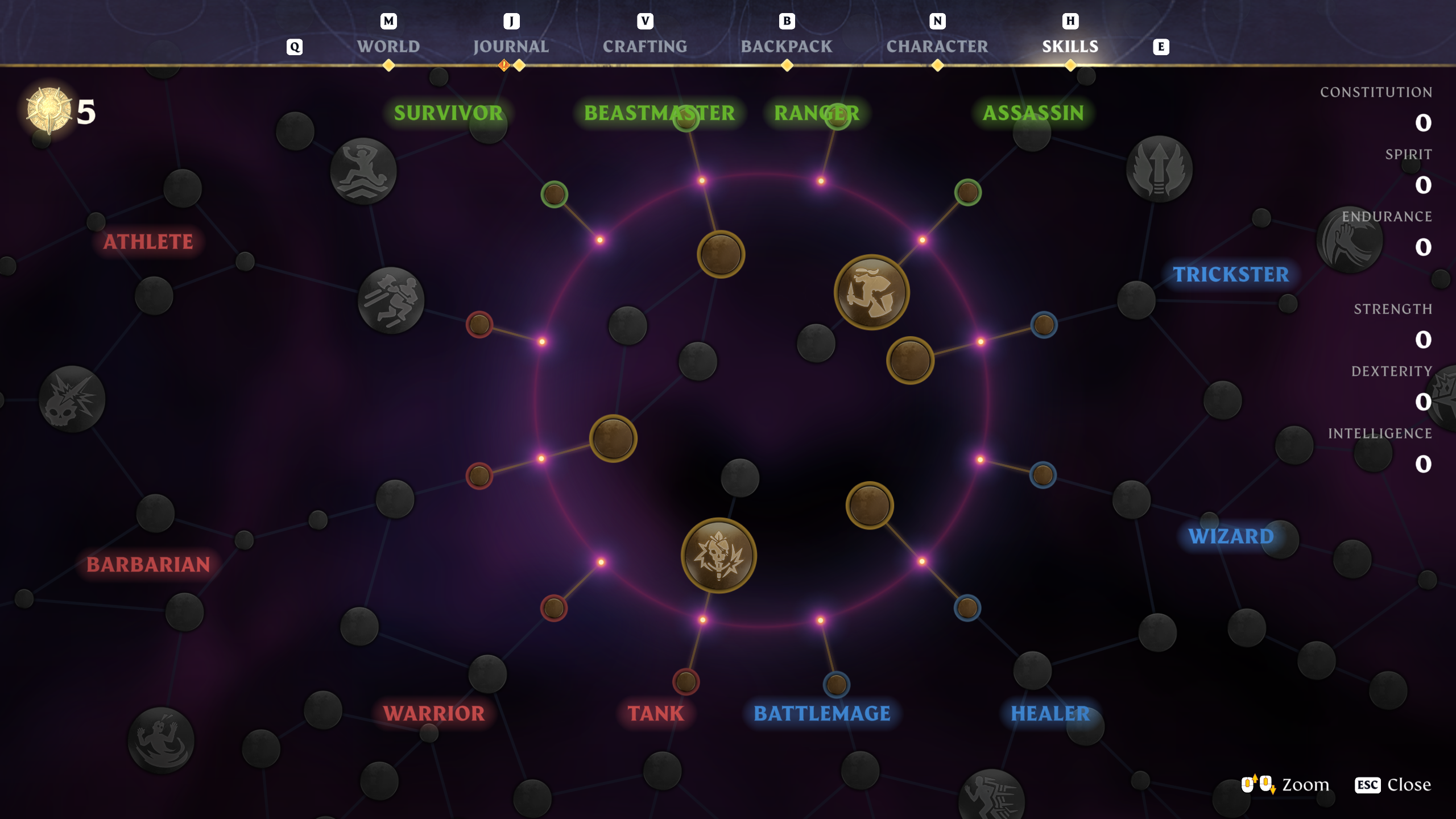
1. Mastering the Mechanics of Character Ability Combos
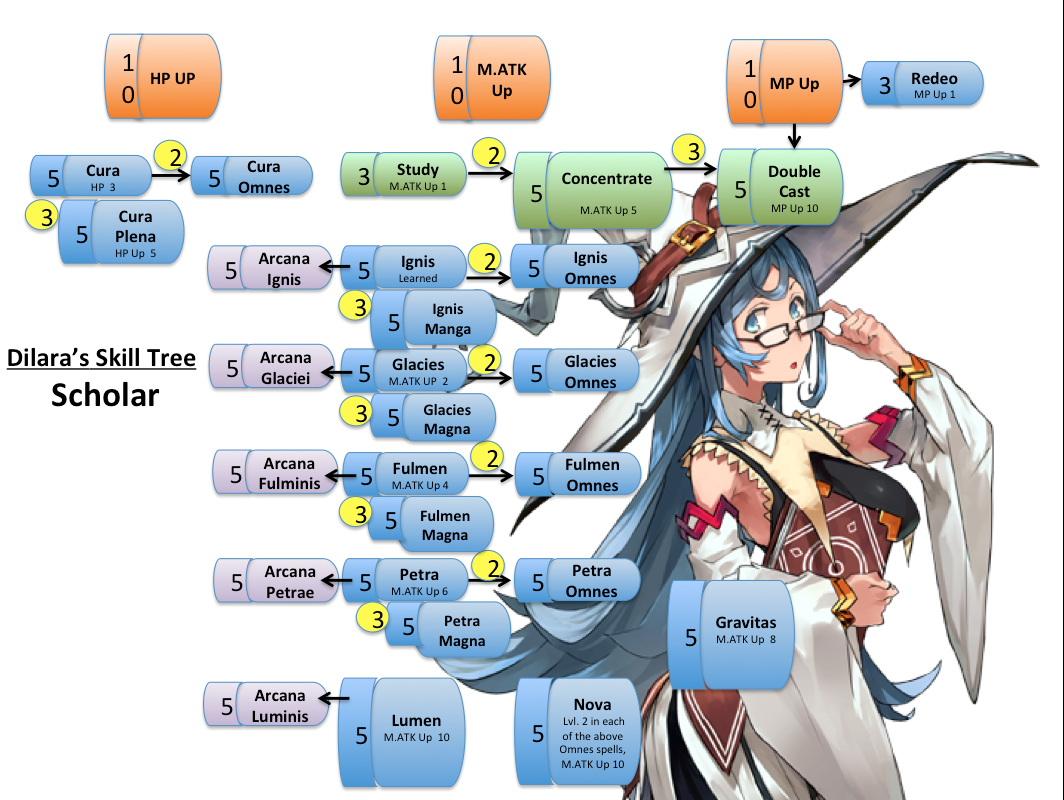
1.1 Understanding Combat Fundamentals and Synergy
1.1.1 Anatomy of a Combo: Starters, Extenders, and Finishers
Building an effective string of attacks requires understanding the three core pillars of offensive design: starters, extenders, and finishers. The starter initiates the engagement, often capitalizing on a gap in the opponent’s guard. Once connected, extenders bridge the gap, keeping targets vulnerable while you ramp up your damage output. Finally, finishers close out the sequence with a high-impact blow. When you practice hack and slash combat, mastering these distinct phases ensures you never waste precious stamina on mistimed inputs.
1.1.2 The Role of Frame Data and Hitstun in Combo Fluidity
Frame data dictates the rhythm of every interaction on the screen. Hitstun refers to the window of frames where an opponent remains helpless after absorbing a blow. To maintain fluid movement, your subsequent inputs must fall precisely within this active window. Grasping startup frames, recovery frames, and active frames transforms button-mashing into calculated precision, allowing you to bypass awkward recovery lag entirely.
1.1.3 Categorizing Abilities by Utility: Crowd Control, Burst, and Mobility
Resource management and strategic loadouts depend entirely on classifying your toolkit. Crowd control abilities freeze or slow advancing enemies, burst skills deal catastrophic damage in a single tick, and mobility tools let you reposition instantly. Blending these utility types prevents you from getting cornered during intense boss rush challenges where survival hinges on versatility.
1.2 Developing Muscle Memory Through Deliberate Practice
1.2.1 Deconstructing Complex Sequences into Manageable Macro-Chunks
Trying to memorize a ten-hit sequence all at once usually leads to frustration. Instead, break long attack strings into smaller chunks of two or three inputs. Master each chunk individually before linking them together into a cohesive chain. This modular approach accelerates learning and drastically reduces the cognitive load during fast-paced encounters.
1.2.2 The Importance of Slow-Motion Training for Long-Term Speed
Speed is a byproduct of accuracy, not the other way around. Practicing sequences at a reduced speed forces your brain to register correct finger placements without panicking. Once your hands map the path naturally, ramping up to standard gameplay speed happens organically and with far fewer dropped inputs.
1.2.3 Optimizing Ergonomics and Physical Pacing to Prevent Fatigue
Physical tension is the silent enemy of execution consistency. Adjusting your grip style, maintaining relaxed wrists, and taking structured breaks prevent cramping during marathon gaming sessions. Ergonomic awareness ensures your reaction times remain sharp from your first match to your last.
1.3 Overcoming Input Barriers and Execution Anxiety
1.3.1 Utilizing Buffer Windows and Input Shortcuts for Consistency
Modern game engines often feature buffer windows that allow you to queue up your next command a few frames before your current animation ends. Learning to trust these systems eliminates frantic button-pashing. Utilizing built-in input shortcuts also streamlines complex motions, keeping your performance reliable under pressure.
1.3.2 Transitioning from Controlled Training Modes to High-Pressure Matches
Executing a sequence against a stationary training dummy is vastly different from landing it against a moving, reactive opponent. Bridge this gap by gradually increasing training dummy settings—such as random blocking or counter-attacks—to simulate live-fire stress before testing your skills online.
1.3.3 Managing Performance Anxiety and Frustration During Skill Acquisition
Hitting a plateau is a normal part of mastering intricate game mechanics. Reframing dropped inputs as diagnostic data rather than failure keeps frustration at bay. Maintaining emotional equilibrium allows you to analyze what went wrong and adapt mid-match.
2. Advanced Strategies for Optimizing Character Ability Combos in Real-Time
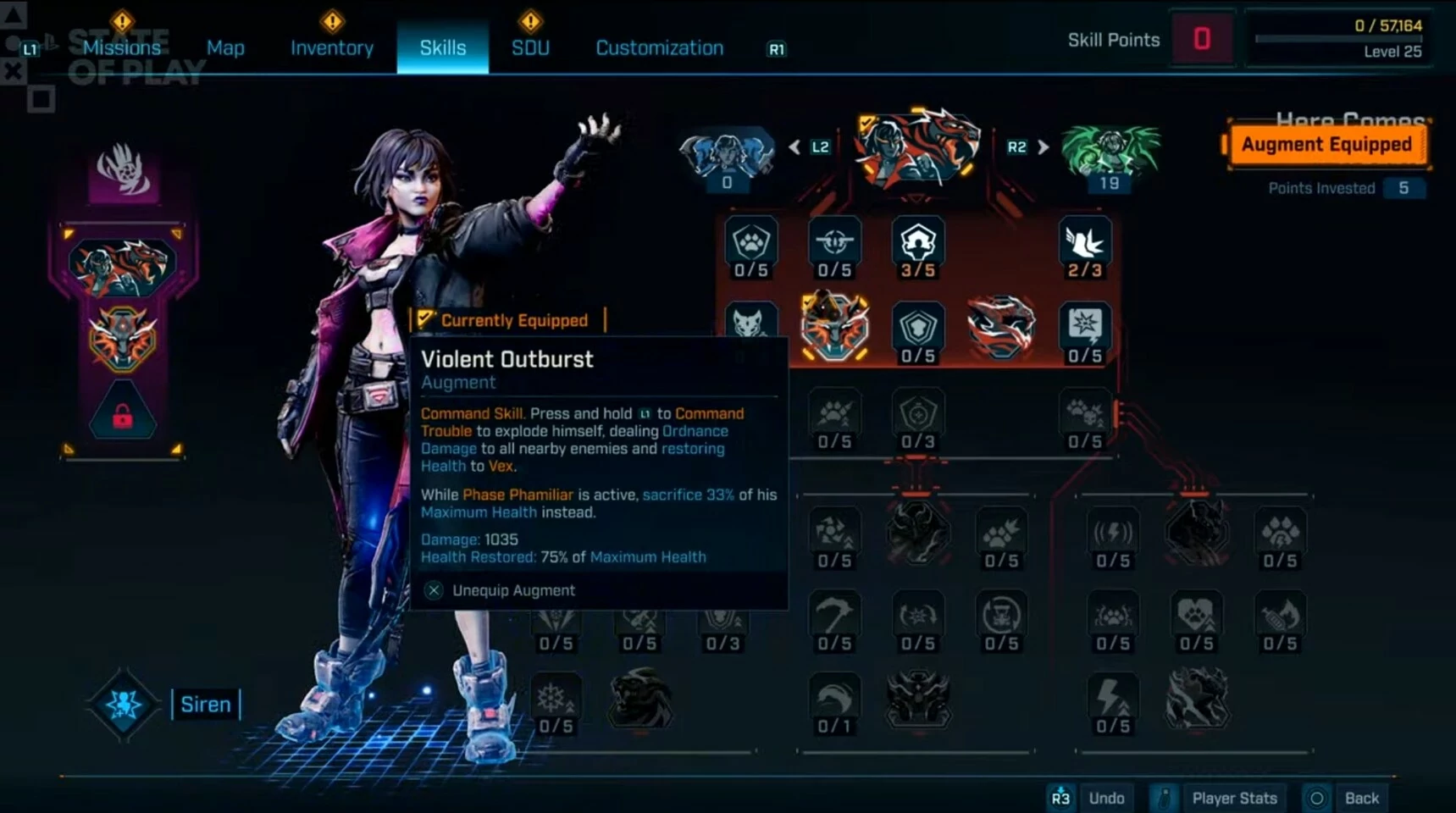
2.1 Adapting Combos to Dynamic Battlefield Conditions
Executing a rehearsed string of moves in a controlled sandbox environment is very different from surviving a chaotic skirmish. When you dive into high-intensity hack and slash combat, the battlefield is constantly shifting around you, requiring you to fluidly adapt your strategies on the fly.
2.1.1 Resource Management: Balancing Cooldowns, Mana, and Stamina
Even the most devastating character ability combos are useless if your character is completely tapped out of resources. Effective combat optimization relies heavily on pacing your ability usage rather than blowing your entire mana bar or stamina pool on the opening engagement. Track your cooldown windows carefully, saving high-utility mobility skills or defensive crowd control breaks for emergency defensive situations rather than pure offensive greed.
2.1.2 Tactical Positioning: Utilizing Environmental Factors and Wall Splats
Smart fighters use the terrain as an active participant in their offense. Positioning enemies near architectural hazards, cliffs, or tight corridors opens up opportunities for wall splats that reset hitstun frames and extend your damage potential. If you are tackling grueling scenarios like Mastering Boss Rush Challenges: Strategies & Ability Combos, manipulating enemy placement to control the flow of combat is often the margin between victory and defeat.
2.1.3 Matchup-Specific Optimization Based on Enemy Armor and Weight
Not all targets react to your attacks the same way. Heavy, armored brutes will shrug off light launchers that would normally send agile opponents flying. Take the time to study enemy weights and armor thresholds, swapping your usual optimal route for heavy-hitting stagger openers when facing tougher foes.
2.2 Strategic Decision Making During Combat
Knowing what buttons to press is only half the battle; knowing when and why to press them separates casual players from seasoned veterans.
2.2.1 Calculating Risk Versus Reward: Choosing Safety Over Maximum Damage
Greed is the ultimate enemy of consistency. While landing an ultra-long, high-risk combo looks incredible, it often leaves you wide open to counter-attacks if you miss an execution window. Whenever you step into demanding arenas, prioritize reliable, medium-damage strings that keep you safe over flashy routines that leave your defenses completely exposed.
2.2.2 Predictive Mapping: Compensating for Reflex Limitations
Human reaction times have a biological ceiling, which means relying purely on raw reflexes in fast-paced games will eventually lead to dropped inputs. Instead, master the art of predictive mapping. Anticipate what your opponent or boss will do next based on their telegraph animations, and start inputting your defensive or offensive ability combos a fraction of a second before the action actually lands.
2.3 Essential Frequently Asked Questions
2.3.1 How to Handle Input Lag and Hardware Consistency Across Platforms
Input lag can completely ruin the rhythm of tight muscle memory. To minimize latency differences, always enable game mode on your display, use a wired controller connection when possible, and spend a few minutes in a practice tool adjusting to the specific frame pacing of the platform you are currently playing on.
2.3.2 Balancing Training Mode Hours Against Live Match Experience
While spending hours in training mode helps build mechanical precision, it can give you a false sense of security regarding real-world tactical pressure. A good rule of thumb is to take your newly learned combos into live matches as soon as you can execute them cleanly ten times in a row, letting live combat teach you how to adapt those skills dynamically.
2.3.3 Techniques for Minimizing Hand Strain During Long Gaming Sessions
Repetitive strain injuries are a real hazard for competitive gamers. Keep your wrists neutral, avoid white-knuckling your controller or keyboard, and take a mandatory five-minute break every hour to stretch your fingers, hands, and forearms to maintain peak performance without sacrificing your physical health.
Mastering character ability combos takes time, patience, and a willingness to learn from every defeat. Whether you are chaining moves in high-intensity arena survival modes, navigating complex crowd control effects, or shaving frames off your execution time in training mode, the path to consistency relies on intentional practice. Moving from clumsy button-mashing to fluid, muscle-memory-driven synergy does not happen overnight, but the effort pays off the moment difficult sequences start flowing naturally.
Remember that even the most skilled players hit walls, experience input anxiety, and have to adapt on the fly to changing battlefield conditions. Treat every session as a step forward rather than a test of perfection. Keep your physical ergonomics in check, manage your cooldowns wisely, and focus on clean inputs over raw speed. Take these combat tips into your next match, experiment with new ability rotations, and watch how your overall gameplay transforms as you conquer your favorite titles.