Pellagra sounds like something a pirate might shout while raising a sail, but it is aclso known as niacin deficiency, pellagra can affect the skin, digestive system, mouth, brain, and nerves. Without treatment, it may become life-threatening.
The condition is famous for the “four D’s”: dermatitis, diarrhea, dementia, and death. That memorable phrase is useful, but real cases are not always so neatly organized. A person may first notice fatigue, a painful tongue, appetite loss, mood changes, or a strange rash that worsens after sun exposure. The complete textbook pattern may not appear until the disease is advanced.
What Is Pellagra?
Pellagra is a systemic disease caused by an inadequate supply of niacin, also called vitamin B3, or by a shortage of tryptophan, an amino acid the body can convert into niacin. “Systemic” means the problem does not stay in one corner of the body. When cells cannot obtain enough niacin, several organ systems may begin filing complaints at the same time.
Niacin helps the body form two essential coenzymes: nicotinamide adenine dinucleotide, or NAD, and nicotinamide adenine dinucleotide phosphate, or NADP. These substances participate in hundreds of cellular reactions involving energy production, metabolism, DNA repair, and antioxidant defenses. In plain English, vitamin B3 helps cells turn food into usable energy and perform routine maintenance.
Most Americans get enough niacin through meat, poultry, fish, peanuts, legumes, enriched grains, and other foods. The recommended dietary allowance for most adults is 16 milligrams of niacin equivalents per day for men and 14 milligrams for women. Requirements increase during pregnancy and breastfeeding.
mary vs. Secondary Pellagra
Doctors generally divide pellagra into two categories:
What Causes Pellagra?
A severely limited diet is the classic cause, but it is far from the only one. In the United States and other countries with enriched grain products, secondary pellagra is more likely than a straightforward dietary deficiency.
Inadequate Food Intake
People who eat very little because of poverty, social isolation, an eating disorder, advanced illness, swallowing difficulty, or an extremely restrictive diet may not obtain enough vitamin B3. Older adults and people who depend on others for meals may be particularly vulnerable when food access and health problems overlap.
Historically, pellagra was associated with diets heavily based on untreated corn. Corn contains niacin in a form that is not easily absorbed and is relatively low in tryptophan. Traditional alkaline processing, known as nixtamalization, makes the niacin more available. The problem, therefore, is not that corn is somehow villainous; it is the combination of limited food variety, insufficient protein, and the way the grain is processed.
Alcohol Use Disorder
Long-term heavy alcohol use can reduce food intake, interfere with nutrient absorption, damage the digestive tract and liver, and increase the likelihood of several vitamin deficiencies at once. A person with alcohol-related pellagra may also have deficiencies of thiamin, riboflavin, folate, vitamin B6, or other nutrients.
Digestive Diseases and Malabsorption
Chronic diarrhea, inflammatory bowel disease, intestinal surgery, advanced liver disease, and other conditions that interfere with digestion or nutrient absorption can contribute to pellagra. Previous bariatric surgery may also increase the risk of multiple nutritional deficiencies, especially when follow-up care and supplementation are inconsistent.
Carcinoid Syndrome
In carcinoid syndrome, certain neuroendocrine tumors can divert large amounts of tryptophan toward serotonin production. That leaves less tryptophan available for niacin synthesis. Pellagra is an uncommon but recognized complication, particularly when diarrhea and poor nutrition are also present.
Hartnup Disease
Hartnup disease is a rare inherited condition that disrupts the transport of neutral amino acids, including tryptophan, in the intestines and kidneys. Symptoms may resemble pellagra, with photosensitive skin eruptions and neurological problems appearing during periods of poor nutrition, illness, or stress.
Medications
Certain medicines can interfere with niacin or tryptophan metabolism. Isoniazid, which is used to treat tuberculosis, is a well-known example. Other implicated drugs include some anticonvulsants, immunosuppressants, and cancer treatments. People should not stop a prescribed medication because of a rash or an article on the internet; the prescribing clinician should review the symptoms and treatment options.
Pellagra Symptoms: Understanding the Four D’s
The traditional four D’s describe the best-known effects of advanced pellagra. However, symptoms may develop gradually and do not always arrive as a complete matching set.
1. Dermatitis
Pellagra dermatitis is usually photosensitive, meaning it develops or worsens after exposure to sunlight. The rash often appears symmetrically on both sides of the body, especially on the backs of the hands, forearms, face, neck, legs, and tops of the feet.
Early lesions can resemble an unusually intense sunburn. The skin may feel hot, painful, itchy, swollen, or tender. With continued exposure and untreated deficiency, it may become darker, thicker, dry, cracked, rough, and scaly. Blisters or peeling can occur in severe cases.
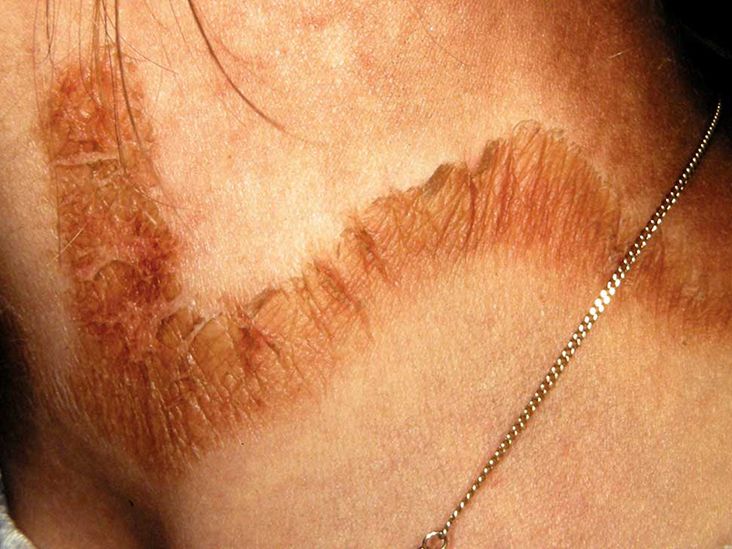
A dark, sharply defined band around the neck and upper chest is known as Casal’s necklace. A glove-like distribution across the hands is sometimes called a pellagrous glove. Clothing lines may produce surprisingly clear borders between affected and protected skin.
2. Diarrhea and Digestive Symptoms
Pellagra damages the rapidly renewing tissues that line the gastrointestinal tract. Diarrhea is the classic digestive symptom, but it is not universal. Other possibilities include:
- Loss of appetite
- Nausea or vomiting
- Abdominal discomfort
- Indigestion
- Difficulty swallowing
- Unintended weight loss
- Inflammation or sores inside the mouth
The tongue may become swollen, smooth, tender, and bright red, a condition called glossitis. The lips and corners of the mouth may crack. Eating then becomes uncomfortable, which further reduces nutrient intake and creates an unpleasant nutritional merry-go-round.
3. Dementia and Neurological Changes
In the traditional pellagra mnemonic, “dementia” covers a broad range of brain, mood, and nervous-system symptoms. It does not necessarily mean a person has developed a permanent neurodegenerative disease such as Alzheimer’s.
Early changes may include fatigue, irritability, poor concentration, apathy, anxiety, depression, headache, or sleep disturbance. As the deficiency progresses, a person may develop confusion, memory problems, disorientation, tremors, an unsteady walk, hallucinations, delusions, or delirium.
Because these symptoms overlap with psychiatric illness, medication reactions, infections, alcohol withdrawal, and other nutritional deficiencies, pellagra can be overlooked when the skin and digestive signs are mild.
4. Death
Untreated pellagra can progress to severe malnutrition, dehydration, infection, neurological deterioration, organ dysfunction, and death. Fortunately, it is usually highly treatable when recognized early. The fourth D is a warning, not an inevitable destination.
What Does Pellagra Look Like in Pictures?
Clinical pictures of pellagra usually show a symmetrical, well-defined rash on sun-exposed skin. Depending on skin tone and the stage of the condition, affected areas may appear red, reddish-brown, purple-brown, gray-brown, or significantly darker than the surrounding skin.
Common Features Visible in Pellagra Photos
- Hands and forearms: Red or brown scaly plaques across the backs of both hands, sometimes ending sharply near a sleeve line.
- Neck and upper chest: A dark, rough band forming the appearance of a necklace or wide collar.
- Face: Redness, scaling, pigmentation, or cracked skin in areas repeatedly exposed to sunlight.
- Feet and lower legs: Thickened, hyperpigmented, rough plaques on exposed surfaces.
- Mouth and tongue: Cracked lips, sores, and a smooth, swollen, vividly red tongue.
Pictures can help someone recognize that a rash deserves attention, but they cannot diagnose pellagra. Lupus, porphyria, eczema, contact dermatitis, drug-induced photosensitivity, sunburn, and several nutritional disorders can produce similar-looking skin changes. Camera lighting and differences in skin tone make online comparisons even less reliable. The skin, unfortunately, does not come with a barcode scanner.
How Is Pellagra Diagnosed?
Pellagra is often a clinical diagnosis based on the combination of symptoms, physical findings, diet, medical history, alcohol use, medications, and risk factors for malabsorption. There is no single routine test that perfectly confirms or excludes every case.
Medical History and Examination
A clinician may ask what the person eats during an ordinary week, whether food intake has recently changed, and whether there has been prolonged diarrhea, vomiting, weight loss, intestinal surgery, or heavy alcohol use. A medication review is essential.
The examination may focus on the distribution of the rash, changes inside the mouth, hydration, body weight, muscle strength, balance, reflexes, mood, memory, and orientation.
Laboratory Testing
Blood and urine tests may help evaluate overall nutrition, anemia, electrolyte disturbances, liver function, inflammation, and competing diagnoses. Specialized testing can measure niacin metabolites, but it is not always readily available and may not be necessary when the clinical presentation is convincing.
Because pellagra frequently occurs alongside other nutritional problems, clinicians may investigate deficiencies involving thiamin, riboflavin, vitamin B6, folate, vitamin B12, iron, magnesium, and protein.
Response to Treatment
Rapid improvement after medically supervised niacin or nicotinamide replacement can support the diagnosis. Digestive and behavioral symptoms may begin improving before the skin completely heals. Long-standing neurological injury may require more time and may not always be fully reversible.
How Is Pellagra Treated?
Treatment has two goals: replace the missing vitamin and correct the reason it became deficient. Simply handing someone a bottle of supplements without investigating the cause is like replacing a flat tire while ignoring the nail still sitting in the road.
Niacin or Nicotinamide Replacement
Clinicians commonly use nicotinamide, a form of vitamin B3 that corrects the deficiency without causing as much flushing, itching, or burning as nicotinic acid. The dose, route, and duration depend on the patient’s age, symptom severity, nutritional condition, and ability to absorb oral treatment.
People should not attempt to treat suspected pellagra with high-dose over-the-counter niacin. Large doses may cause severe flushing, gastrointestinal problems, abnormal blood sugar, low blood pressure, liver injury, or interactions with medications. A supplement dose appropriate for treating a confirmed deficiency is not the same thing as an everyday wellness dose.
A Complete Nutritional Plan
Many patients need more than vitamin B3. Treatment may include balanced meals, adequate protein, other B vitamins, electrolyte replacement, and fluids. Severe dehydration, confusion, inability to eat, or advanced malnutrition may require hospital care.
Treating the Underlying Cause
Secondary pellagra can return unless the underlying problem is addressed. That may involve treating inflammatory bowel disease, managing chronic diarrhea, reviewing medications, providing care for alcohol use disorder, monitoring nutrition after bariatric surgery, or treating a neuroendocrine tumor.
Skin and Symptom Care
Sun protection is important while the skin heals. Broad-spectrum sunscreen, protective clothing, shade, gentle cleansers, and fragrance-free moisturizers may reduce irritation. Open sores, infection, severe blistering, or extensive peeling require professional assessment.
Foods That Help Prevent Niacin Deficiency
A varied diet normally supplies enough niacin and tryptophan. Useful sources include:
- Chicken, turkey, beef, and pork
- Tuna, salmon, and other fish
- Peanuts, peanut butter, seeds, and legumes
- Milk, yogurt, cheese, and eggs
- Enriched bread, breakfast cereal, pasta, and rice
- Whole grains and fortified grain products
- Mushrooms and potatoes
Protein-rich foods also supply tryptophan, which the body can convert into niacin when other necessary nutrients are available. People with malabsorption, chronic illness, or highly restricted diets may need individualized guidance from a physician or registered dietitian rather than a generic food checklist.
When to Seek Medical Care
Schedule a medical evaluation when a sun-sensitive rash occurs together with persistent diarrhea, mouth inflammation, unexplained weight loss, restricted food intake, heavy alcohol use, or changes in mood and concentration.
Seek urgent or emergency care for severe confusion, hallucinations, fainting, inability to walk normally, extensive blistering, signs of serious dehydration, bloody diarrhea, inability to keep fluids down, or rapidly worsening weakness. These symptoms may indicate advanced pellagra or another serious condition that needs immediate treatment.
A Realistic Pellagra Experience: From “Sunburn” to a Medical Answer
The following is a fictional composite based on patterns described in clinical guidance and published case reports. It illustrates a possible patient experience and does not represent one specific person.
The First Signs Are Easy to Dismiss
Imagine an adult named Daniel who has been living mainly on inexpensive snack foods, instant noodles, coffee, and occasional canned soup. He has also been drinking heavily and skipping meals. At first, nothing seems dramatic. He feels tired, becomes unusually irritable, and struggles to focus at work. He assumes he is stressed and needs more sleep.
After spending a Saturday outdoors, Daniel develops redness across the backs of both hands and around his neck. He calls it sunburn, applies a random scented lotion, and moves on. The rash fades slightly but returns after another sunny afternoon. This time it looks darker, feels rough, and stops at the edge of his shirt collar with an oddly precise border.
The Symptoms Stop Looking Unrelated
Over the next several weeks, Daniel loses his appetite. His tongue burns when he eats spicy or acidic foods, and the corners of his mouth crack. He begins having loose stools several times a day. Because eating seems to make his stomach worse, he eats even less.
His family notices that he repeats questions and loses track of conversations. He becomes withdrawn and occasionally suspicious. Individually, each symptom has a tempting explanation: too much sun, food poisoning, anxiety, exhaustion, or alcohol. Together, however, they form a pattern that needs medical attention.
Why Photos Alone Do Not Solve the Mystery
Daniel searches for rash pictures online. One image resembles lupus. Another resembles eczema. A third looks exactly like his hands, at least under the flattering glow of his phone screen. He briefly considers buying several supplements and treating himself.
Instead, a relative takes him to a clinic. The clinician notices that the rash is symmetrical and concentrated on sun-exposed skin. Questions about his diet, alcohol intake, diarrhea, weight loss, and mental changes raise concern for pellagra and other nutritional deficiencies. Blood tests also reveal dehydration and additional nutritional abnormalities.
Treatment Is More Than Taking One Vitamin
Daniel receives medically supervised vitamin replacement, fluids, balanced meals, and treatment for alcohol withdrawal risk. His care team also checks for thiamin deficiency because treating one missing nutrient while overlooking another could be dangerous.
His diarrhea and mouth discomfort begin improving first. His thinking becomes clearer over the following days, although concentration takes longer to normalize. The rash does not vanish overnight; damaged skin gradually flakes and heals, leaving temporary areas of darker pigmentation. He uses sun protection and a gentle moisturizer while recovering.
The Practical Lessons
Daniel’s experience highlights why pellagra can still be missed. It is uncommon, its early symptoms are vague, and each affected organ system may seem to tell a different story. The most useful clue is often the combination of a photosensitive rash, gastrointestinal symptoms, neurological or behavioral changes, and a reason for nutritional deficiency.
Recovery also depends on solving the underlying problem. For Daniel, that means ongoing treatment for alcohol use disorder, regular meals, nutrition follow-up, and help maintaining access to appropriate food. Vitamin replacement corrects the immediate deficiency, but lasting recovery requires rebuilding the circumstances that keep the deficiency from returning.
The Bottom Line
Pellagra is a severe vitamin B3 deficiency that may affect the skin, digestive tract, mouth, brain, and nervous system. Its classic features are dermatitis, diarrhea, dementia-like neurological changes, and, without treatment, death. The rash typically develops symmetrically on sun-exposed skin and may become dark, thick, rough, and scaly.
Although pellagra is uncommon in the United States, it remains possible in people with severe dietary restriction, food insecurity, alcohol use disorder, malabsorption, chronic diarrhea, certain medications, Hartnup disease, or carcinoid syndrome. Prompt diagnosis and medically supervised vitamin replacement can produce substantial improvement, particularly before permanent neurological damage occurs.