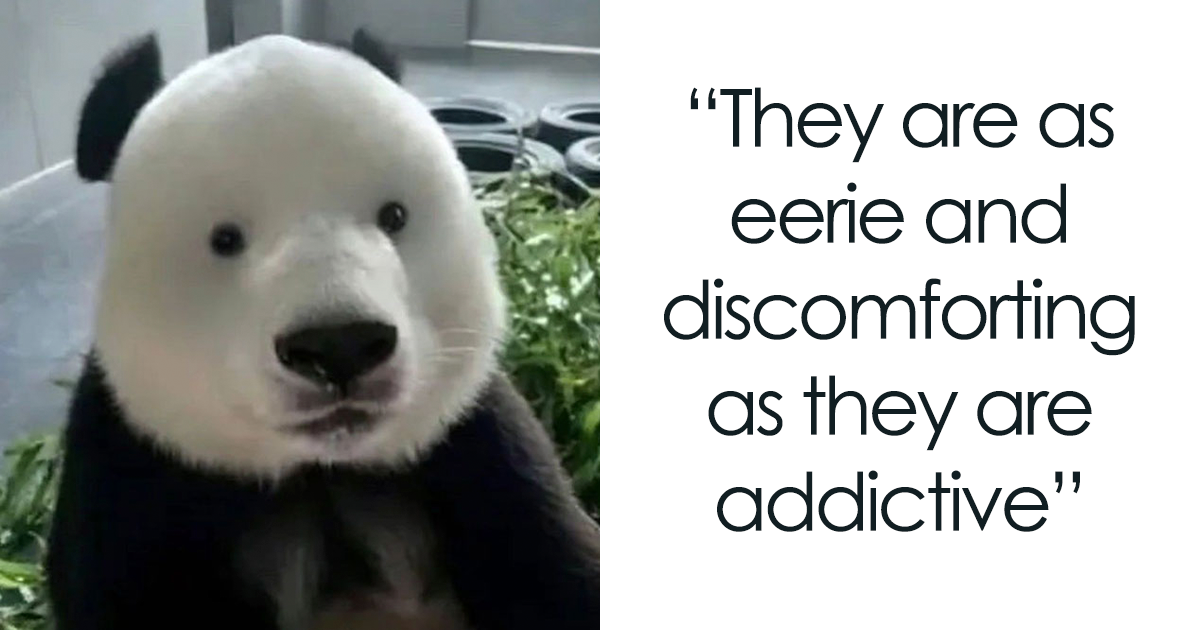
If the internet had a bargain bin labeled “chaotic nonsense that somehow works”, goofy ahh memes would be sitting right on top, wearing oversized cartoon shoes and honking a bike horn for no reason. They are loud, ridiculous, overedited, proudly unserious, and somehow still weirdly precise. One random dog bark, one distorted sound effect, one caption like “my goofy ahh cousin got locked out again,” and suddenly your carefully maintained adult dignity is gone. You are laughing at a meme that feels like it was edited during a sugar rush in a haunted arcade.
That is the charm of goofy ahh memes. They do not ask for elegant setup, polished punchlines, or clean visual storytelling. They thrive on awkward timing, cursed imagery, cartoonish sound design, and the kind of internet logic that seems designed to confuse parents, annoy professors, and delight anyone who has spent too much time on TikTok, YouTube Shorts, or meme pages at 1:14 a.m. In a digital culture obsessed with speed, remixing, and inside jokes, goofy ahh humor became a perfect expression of online absurdity.
This article explores what goofy ahh memes actually are, where the phrase came from, why this style of humor exploded, and why it feels both hilariously modern and faintly exhausting. Because beneath the chaos, there is a surprisingly interesting story about slang, meme evolution, online identity, and the internet’s growing addiction to nonsense that knows it is nonsense.
What Does “Goofy Ahh” Mean?
At its core, “goofy ahh” is a stylized version of “goofy ass,” used to describe something silly, ridiculous, awkward, or hilariously off. It is the kind of phrase you slap onto a photo, clip, or person when plain old “funny” feels too weak. A goofy ahh cat is not just a cat being funny. It is a cat standing like it pays rent, staring into your soul, while a squeaky trumpet sound plays in the background.
The phrasing is widely associated with AAVE-influenced internet slang, and that matters. Like a lot of online language that gets popular fast, the expression did not appear out of thin air just because one teenager discovered a soundboard and a cap-cut template. It grew from Black online speech patterns and spread outward as social platforms accelerated the remix machine. Once it hit the wider internet, it became less about grammar and more about vibe. The phrase stopped functioning as a normal description and started operating like a meme stamp. If something felt absurd enough, “goofy ahh” fit.
That shift is important because goofy ahh is not just a term. It is also a tone. When people use it, they are signaling a particular style of humor: chaotic, unserious, a little mean in the friendly internet way, and fully aware that the joke does not need to make traditional sense.
How Goofy Ahh Memes Took Over the Internet
Goofy ahh memes did not rise through a neat, documentary-friendly timeline. They spread the way many internet things spread: unevenly, messily, and with a lot of people pretending they discovered it first. The phrase had been floating around online for years, but it gained serious momentum when TikTok’s remix culture got hold of it. Suddenly, short videos were being layered with cartoon sound effects, absurd transitions, distorted voices, and comment sections full of people announcing, with great scholarly rigor, “this is a goofy ahh sound.”
That was the turning point. The phrase stopped being just slang and became a classification system for a whole kind of meme. If a clip featured a bass-boosted boing, an overdramatic gasp, a barking dog, a zoom into someone’s confused face, and editing choices that felt legally questionable, viewers understood the assignment. This was goofy ahh content.
The style also crossed paths with what people often call “21st-century humor,” which is basically internet comedy after it had five energy drinks and lost interest in linear thought. That style leans on rapid-fire edits, old Vine energy, distorted audio, earrape-style intensity, random cutaways, and deliberate overstimulation. Goofy ahh memes fit perfectly into that ecosystem. They were not polished stand-up jokes. They were anti-jokes with motion blur.
Once the format started spreading, it became endlessly reusable. You could attach goofy ahh captions to pets, athletes, politicians, cartoon characters, Roblox avatars, family members, badly parked cars, and any image that looked even mildly cursed. The phrase was flexible enough to travel fast, and vague enough to survive heavy overuse, which is basically the internet version of evolutionary fitness.
What Makes a Meme Feel “Goofy Ahh”?
1. The Sound Effects Are Half the Joke
A proper goofy ahh meme rarely arrives in silence. It stomps into the room with a rubbery boing, a cartoon slip, a bass-boosted scream, or some mysterious sound clip that feels like it escaped from a public access cartoon marathon. Audio is not decoration here. It is the comedy engine.
This is why “goofy ahh sound” became such a common phrase in comment sections. Viewers were not only reacting to what they saw; they were reacting to the absurd soundscape. A normal video can become goofy ahh content in three seconds if someone adds the right sequence of effects: honk, thud, gasp, wheeze, zoom. Congratulations, the clip now looks like it was directed by a caffeinated raccoon.
2. The Editing Is Intentionally Too Much
Goofy ahh memes are not interested in subtlety. They zoom too hard, crop too close, flash text too suddenly, and treat transitions like a dare. The joke is often enhanced by the fact that the creator clearly had access to editing tools and chose violence anyway.
That excess is part of the style’s appeal. Internet humor has increasingly drifted toward overstimulation because attention spans are shorter, feeds are faster, and subtle jokes can get flattened by the algorithm. Goofy ahh memes solve this problem by smashing a cymbal in your face and making sure you noticed.
3. The Caption Sounds Like an Affectionate Roast
A huge chunk of goofy ahh humor lives in the caption. “My goofy ahh dog.” “Goofy ahh uncle.” “Goofy ahh walk.” The structure is simple, repeatable, and immediately legible. It lets creators insult and adore something at the same time, which is a very online emotional register.
It is rarely vicious. More often, it feels like digital teasing. The tone says, “You look ridiculous, and that is exactly why I love this.” That blend of mockery and affection is one reason the format spread so widely. It works for friends, pets, celebrities, fictional characters, and total strangers caught in bizarre screenshots.
Why People Find Goofy Ahh Memes So Funny
One answer is obvious: they are silly. But that is not the whole story. Plenty of things are silly without becoming meme genres. Goofy ahh memes hit because they deliver several kinds of internet pleasure at once.
First, they reward recognition. If you understand the pacing, the sound effects, the exaggerated captions, and the deadpan absurdity, you feel in on the joke. That matters online. Meme culture is partly comedy and partly social signaling. Knowing how to read a goofy ahh meme says you speak the dialect of terminally online life, or at least rented an apartment there for a while.
Second, they offer relief through nonsense. Much of modern internet humor is powered by the feeling that reality itself has become too strange for straightforward comedy. When the news is exhausting, work is weird, apps are noisy, and everyone is speaking in trending catchphrases, absurd humor feels honest in a sideways way. It reflects a chaotic environment by becoming chaotic on purpose.
Third, goofy ahh memes invite participation. You do not need a big production budget or a writers’ room. You just need a cursed image, a ridiculous clip, or a sound effect that feels like it belongs in a cartoon courtroom. The low barrier to entry helps the format multiply fast.
And finally, the humor works because it does not overexplain itself. A lot of online comedy dies the moment it gets translated into neat, textbook language. Goofy ahh memes keep some of their magic by resisting full explanation. The joke is often not a message. It is a reaction, a mood, or a little explosion of digital stupidity that arrives at exactly the right moment.
The Bigger Cultural Point: Slang Travels, Context Gets Lost
There is also a less goofy side to all of this. Internet slang often gets mainstreamed so fast that people use it without understanding where it came from or how its meaning shifted along the way. Goofy ahh belongs to that larger pattern. Language rooted in Black speech communities frequently becomes widely popular online, only to be flattened, mispronounced, commercialized, or detached from its original context.
That does not mean nobody can ever use slang once it spreads. Language naturally moves. But it does mean people should be a little less casual about acting as if the internet invented every phrase last Thursday. Meme culture loves speed, and speed is terrible at preserving context. By the time a term reaches brand accounts and awkward corporate social media managers, it is often already detached from the communities that shaped it.
That is part of why some internet users roll their eyes when slang becomes marketing copy. The second a company posts something like “our goofy ahh sale is live,” the vibe usually dies on contact. The phrase works best when it feels spontaneous, not when it sounds like it came from a boardroom PowerPoint titled “How To Reach Young People Without Scaring Them.”
From Meme to Marketing to Mildly Embarrassing Brand Behavior
This is the fate of almost every successful online phrase. First, it lives in niche communities. Then it spreads to the wider internet. Then journalists explain it. Then brands try it. Then teenagers recoil as if they just watched their dad attempt a backflip in khakis.
Goofy ahh memes sit in that same cycle. Their humor depends on spontaneity and slightly unhinged delivery. Once they become too polished, too strategic, or too obviously monetized, they lose the scrappy weirdness that made them funny in the first place. Absurdity can survive repetition, but it struggles under fluorescent marketing lighting.
Still, that cycle tells us something useful. It shows how quickly meme culture now moves from user-created chaos to mainstream visibility. A joke that starts as comment-section nonsense can become a recognizable cultural shorthand in months. That is not just funny; it is revealing. It says a lot about how social platforms shape language, identity, and even comedy itself.
Will Goofy Ahh Memes Last?
As an everyday phrase, maybe not forever. Internet slang ages faster than fruit left in a hot car. But as a style, goofy ahh humor has a good chance of lingering because it captures something fundamental about contemporary online comedy: people like absurdity, remixing, and jokes that feel half-deranged and fully self-aware.
The exact wording may fade. Another phrase will arrive wearing even bigger shoes. But the format will survive in some mutated form, because the appetite for chaotic, sound-heavy, intentionally ridiculous content is not going anywhere. As long as people keep posting bizarre videos of dogs, friends, athletes, and NPC-like strangers doing odd things, someone will be there to label it with the internet’s highest honor: goofy ahh.
Conclusion
Goofy ahh memes are more than random internet clutter with clown music attached. They are a snapshot of how modern online humor works: fast, referential, absurd, audio-driven, and built for participation. They show how slang evolves, how meme styles collide, how digital communities signal belonging, and how the internet keeps turning chaos into comedy.
They are also, let us be honest, deeply stupid in the most lovable way. That is not a criticism. That is the point. In a web environment crowded with hot takes, optimization, AI slop, and exhausting seriousness, goofy ahh memes remind people that sometimes the funniest thing online is still a badly edited clip with an unnecessary honk and a caption that reads like a fond insult.
In other words, goofy ahh memes matter not because they are profound, but because they reveal the strange mechanics of what makes internet culture feel alive. Silly? Absolutely. Meaningless? Not quite. Under the cartoon sound effects and deranged timing, they tell a very real story about language, culture, and the way people cope with an absurd digital world by making it even more absurd on purpose.
Shared Experiences From the Goofy Ahh Meme Universe
Almost everyone who spends enough time online has had a goofy ahh moment whether they call it that or not. It usually starts innocently. You open TikTok, Instagram Reels, YouTube Shorts, or some cursed corner of the internet because you only want “a quick break.” Five minutes later, you are staring at a clip of a dog walking sideways while three unrelated sound effects fire off like a malfunctioning arcade cabinet. You do not even fully understand why it is funny. Your brain just accepts the terms and signs the lease.
There is also a very specific experience of trying to explain a goofy ahh meme to someone offline. It never goes well. You say, “Okay, so the joke is that the sound is weird and the caption calls him goofy ahh, but the real joke is the editing.” At that point, the other person looks at you the way a Victorian doctor might look at a patient describing ghosts in the wallpaper. The humor collapses under explanation, and suddenly you sound like you are defending a rubber chicken as high art.
Then there is the group-chat effect. One person sends a goofy ahh meme at 11:48 p.m., and now the entire conversation is cooked. Nobody is talking like a normal human anymore. Every photo becomes roast material. Every voice note is an opportunity to add sound effects in your imagination. Someone sends a picture of their cat stretching, and immediately the replies become “goofy ahh loaf,” “goofy ahh posture,” and “bro pays zero taxes.” It is nonsense, but it is social nonsense, which is often the strongest kind.
Another very real experience is the moment you realize the format has taken over your internal monologue. You see a badly parked car in real life and think, “goofy ahh parking job.” You hear a squeaky door and instinctively classify it as a goofy ahh sound. You watch someone jog with unusual arm movement and your brain, ruined by months of online conditioning, captions the scene before you can stop it. Congratulations. The meme is no longer on your screen. It lives in your head rent-free and is rearranging the furniture.
And of course, there is the generational comedy of it all. Younger internet users often laugh first and explain never. Older users arrive later, ask what it means, and receive answers that range from helpful to deliberately useless. This gap is part of the fun. Goofy ahh memes are not just entertainment; they are tiny social tests. Do you get the pacing? Do you understand the tone? Can you tell the difference between affectionate mockery and random internet noise? If yes, welcome in. If no, the comments section is already moving on without you.
That shared experience is a big reason the format sticks. Goofy ahh memes are funny on their own, but they become even funnier when they create collective recognition. Everybody has seen that overedited clip. Everybody has heard that unnecessary sound effect. Everybody has had that moment where a completely dumb meme hits at exactly the right time and makes an exhausting day feel a little lighter. In that sense, goofy ahh memes are not just internet junk food. They are a weird little form of community, served with extra distortion and absolutely no nutritional value.