In an era where technology is seamlessly integrated into daily life, finding a healthy balance between screen time and academic enrichment is a priority for many parents. The right learning games can transform a digital device from a source of passive entertainment into a powerful gateway for intellectual growth. By leveraging interactive play, these tools encourage kids learning through engagement, helping them master complex subjects while remaining genuinely entertained.
Whether you are looking for educational games that simplify challenging mathematical concepts or interactive platforms designed to assist with early language learning, the modern digital landscape offers options for every developmental stage. In this guide, we will explore how to identify high-quality software that prioritizes cognitive development over simple distraction. You will learn how to evaluate pedagogical value, ensure data privacy for your family, and integrate these games into a balanced routine that fosters both curiosity and critical thinking, helping your child succeed in their academic journey.

1. Selecting and Evaluating Effective Learning Games for Academic Growth
1.1 Understanding the Pedagogical Value of Gamified Learning
1.1.1 Distinguishing Between Passive Edutainment and Active Learning
Not all digital experiences are created equal. When selecting learning games, it is vital to distinguish between passive consumption and active academic engagement. Passive edutainment often mimics traditional instruction with bells and whistles, such as watching an animated video to learn a math concept. Conversely, high-quality educational games require active participation, where the child must manipulate variables, solve puzzles, or apply logic to progress. True learning happens when the child is an active agent, making decisions that directly influence the game’s outcome.
1.1.2 Cognitive Advantages: Enhancing Critical Thinking and Persistence
Educational games often serve as a low-stakes environment for developing cognitive endurance. When a child encounters a difficult level in a logic-based game, they are prompted to experiment with different strategies, fostering critical thinking skills rather than rote memorization. This process of trial and error builds resilience, teaching children that failure is merely a step toward finding the correct solution. By encouraging children to view obstacles as problems to be solved, these games help cultivate a growth mindset that translates directly to the classroom.
1.1.3 The Science of Engagement: Why Gamification Boosts Retention
Gamification leverages the brain’s reward system to make challenging academic subjects more approachable. Through elements like immediate feedback, leveling systems, and progress tracking, these games provide the dopamine hits necessary to maintain interest during repetitive tasks, such as language learning drills or multiplication practice. When the experience is inherently rewarding, students are more likely to spend sustained time on complex topics, which ultimately leads to better long-term retention compared to traditional, less interactive study methods.
1.2 Essential Criteria for Choosing High-Quality Learning Games
1.2.1 The Importance of Adaptive Difficulty and Progress Tracking
The most effective kids learning tools feature adaptive technology that adjusts to the child’s specific proficiency level in real-time. If a game is too easy, the child becomes bored; if it is too hard, they become discouraged. Platforms that automatically calibrate the difficulty ensure the student remains in the flow state, maximizing educational impact. Furthermore, robust progress tracking dashboards allow parents and educators to monitor specific academic strengths and areas requiring more support, providing clear visibility into the child’s development journey.
1.2.2 Analyzing Cost Structures: One-Time Purchases Versus Subscription Models
Evaluating the financial commitment of educational technology is essential for long-term planning. One-time purchases often offer a clutter-free experience with no ongoing costs, making them ideal for specific skill-building exercises. However, subscription-based models typically provide a constantly evolving content library and advanced analytics. For families, the best choice depends on whether they need a targeted, short-term solution or a comprehensive, long-term educational ecosystem. You might also want to explore professional game reviews to see how users and experts evaluate these specific cost structures before committing to a purchase.
1.2.3 Safety First: Evaluating Data Privacy and In-App Advertising Standards
Safety is non-negotiable when choosing software for children. Parents should strictly prioritize platforms that adhere to rigorous data privacy laws, such as COPPA, ensuring that personal information is never shared or sold. High-quality educational games should also be free of distracting, age-inappropriate in-app advertising. A clean, walled-garden environment allows the child to focus entirely on the learning objectives without the intrusion of commercial content or the risk of accidental link clicks.
2. Top-Rated Learning Games Categorized by Subject and Skill Development
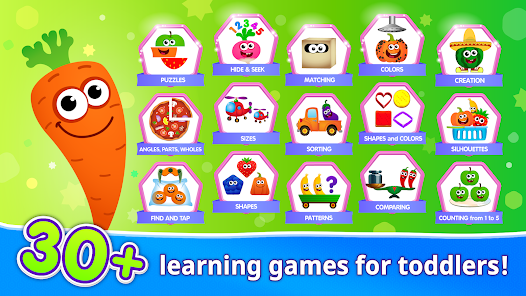
When selecting digital tools to support your child’s academic journey, the vast app store landscape can feel overwhelming. Focusing on high-quality educational games that target specific cognitive and curricular goals ensures that screen time translates into measurable skill acquisition.
2.1 Core Curriculum: Literacy, STEM, and Mathematics
The most effective tools often bridge the gap between structured classroom concepts and engaging, play-based mechanics. By focusing on fundamental subjects, you can provide your child with a digital environment that rewards curiosity and persistent effort.
2.1.1 Literacy Foundations: Interactive Reading and Language Arts Apps
Early literacy is about more than just sight words; it involves phonemic awareness, phonics, and comprehension. Top-tier language learning apps utilize adaptive algorithms that recognize when a child struggles with specific letter sounds or blending patterns, offering immediate, targeted practice. These games transform the arduous task of decoding into a series of interactive quests, which helps build confidence in young readers.
2.1.2 Mathematical Mastery: Games That Reinforce Computational Fluency
Computational fluency is built through consistent, low-stress practice. Instead of rote memorization, the best math-focused educational games utilize visual representations of quantity and operations. By solving puzzles that require quick mental math or logical sequencing, children move beyond basic arithmetic toward developing a genuine number sense. This active engagement helps them visualize complex problems, making them better prepared for advanced concepts later in their academic career.
2.1.3 The Future of Literacy: Introducing Coding and Logic Platforms
Modern literacy now includes computer science, which is essentially the language of the future. Coding games introduce children to algorithmic thinking, pattern recognition, and systematic troubleshooting. These platforms break down complex logic into manageable, gamified blocks. Mastering these concepts early on doesn’t just teach programming; it fosters a problem-solving mindset that is applicable to nearly every other subject, including science and critical inquiry.
2.2 Implementing Learning Games into Daily Routines
Technology is a powerful supplement, but its effectiveness depends entirely on how it is integrated into a child’s broader life. A balanced approach ensures that digital exploration remains an enhancement to traditional habits rather than a replacement for them.
2.2.1 Balancing Digital Exploration with Traditional Study Habits
It is vital to view educational games as a complement to, not a substitute for, physical books and hands-on activities. Encourage your child to use games for reinforcing specific concepts—such as drilling multiplication tables—while reserving traditional study time for deep reading, writing, and creative projects. This hybrid approach helps children appreciate the unique strengths of both mediums, preventing them from becoming over-reliant on digital instant feedback.
2.2.2 Strategies for Turning Solo Screen Time into Collaborative Learning
Many educational experiences are enhanced when shared. You can foster a more collaborative environment by treating your child’s best puzzle games as a team effort. Ask your child to explain their strategy for solving a level or walk you through their logic in a coding mission. This not only encourages verbal communication but also reinforces their own understanding, as teaching a concept is one of the highest forms of learning.
2.2.3 Establishing Healthy Boundaries for Educational Technology Use
Consistency is key to maintaining a healthy relationship with devices. Establishing clear “tech-free” zones, such as the dinner table or bedrooms at night, helps prioritize physical rest and social interaction. Furthermore, utilize parental controls to set time limits, ensuring that gaming remains a focused, short-burst activity rather than an all-day habit. When screen time is treated as a limited resource, children are often more intentional and engaged during the time they do spend with their educational apps.
Integrating high-quality learning games into your child’s daily routine is about more than just screen time; it is about providing a purposeful bridge between play and academic achievement. By selecting tools that prioritize active engagement, adaptive difficulty, and data privacy, you can transform how your child interacts with literacy, mathematics, and logic. Remember that these digital resources are most effective when they complement, rather than replace, traditional study habits and hands-on discovery. Whether you are helping them master new language learning concepts or encouraging them to explore the foundations of coding, the key lies in balance and active participation.
As you navigate the vast landscape of educational technology, focus on consistency and meaningful interaction. If you enjoy exploring different gaming genres together, you might also find our guide on the best board games for families to be a helpful resource for offline collaborative play. Ultimately, the best educational games are those that foster a genuine love for curiosity, helping your kids build resilience and critical thinking skills that will serve them well beyond the classroom.